There is no favorite listings!

An "Off-Market World": Reflecting on Real Estate Changes since 2008

The practice is not new, but the frequency and acceptance of pocket listings has grown.

By Camilla McLaughlin

Off market … private listing … coming soon. These phrases in high-priced markets characterize properties offered for sale, but not publicly listed in the traditional manner in the MLS. The way these listings are perceived has changed significantly in the last 10 years.

Even after the advent of formalized platforms such as the MLS, the most expensive properties were often closely held, giving rise to the term “hip-pocket” listing. Traditionally, in the industry, pocket listings have evoked concern that unscrupulous agents would keep them in house and pocket the entire commission.

Post recession, the number of pocket listings seemed to increase exponentially; most in the industry remained skeptical. Today, the terms “off-market” or “private” listing are often used instead of pocket, and, in a number of places, it is becoming an acceptable — some would even say savvy — marketing strategy.

“Now I’ve noticed it’s really changed and it’s a lot more accepted,” says Patrick Ryan, senior vice president and managing broker, Related Realty, Chicago.

“It’s certainly become a very big part of our market, and it’s not something we’re necessarily driving. We’re being led by what the sellers want,” says Chris Dyson with The Agency in Beverly Hills.

In a survey of members conducted by the Institute for Luxury Home Marketing (ILHM) for Unique Homes, an overwhelming majority, 97 percent of agents responding, said private listings were part of their market. A third indicated there were only “a few,” while 17 percent saw it as a growing trend.

“As I travel around the country training agents from a variety of other states, I hear differing opinions,” says Florida agent Tami Simms with Coastal Properties Group International in St. Petersburg, who is also a trainer for the Institute. “In some markets, it works in a positive way, and in some markets, it’s considered to be underhanded.”

In the ILHM survey, 38 percent of respondents agreed that industry professionals looked more
favorably on off-market listings. About a quarter disagreed with this statement, while 35 percent neither agreed or disagreed.

The latest twist in off-market properties are platforms and professional networks, accessible only to licensed agents, designed to facilitate the sharing of information. The Top Agent Network, a national affiliation of agents in the top 10 percent of the market, is a forum for premier agents to exchange information. Additionally, networks formed just to publicize off-market properties are popping up in hot market cities such as Austin.

In August, several agents from The Agency in Beverly Hills launched thepls.com, the Private Listing Network. In little more than six months, the network claims 600 active listings worth $3 billion. Approximately 5,000 agents have signed on to the service. “Information shared on the platform is information they already email to one another on a daily basis,” says Dyson, who founded the network along with James Harris and Mauricio Umansky of The Agency.

“We have always had off-market activity. However, I think it is even greater right now,” says Meghan Bach with Colorado Landmark, Realtors in Boulder. Not only have they become more common, but there is greater acceptance among consumers. “People used to think they were Realtor-driven and that the listing agent was trying to double-end the sale. This is very much not the case today. It is seller-driven,” says Bach.

Ask agents about off-market practices and responses vary by location. In Palm Springs, Lucio Bernal with Coldwell Banker Residential Brokerage says, “We typically do not see off-market as being common in the valley. Privacy does not seem to be an apparent issue here.”

On the other hand, in Los Angeles’ platinum locales, Bob Hurwitz, founder and president of Hurwitz James Company, says, “Off market, a.k.a. pocket listings, have become so popular that the terms are basically oxymorons. It is frankly ludicrous.”

Technology also plays a role in this trend. “There have always been pocket listings, but it’s a little more evident now because of our electronic world and the fact that information is so immediate and widespread. The truth is if a house is of any substance, it generally doesn’t remain private,” says Joyce Rey, executive director, Coldwell Banker Global Luxury.

Lack of inventory is also boosting interest in private listings. Boulder has seen 10-plus percent appreciation year-over-year since 2013; demand still far exceeds inventory. “Good products fly off the shelf, so having a pocket that brokers chat about, and get under contract fairly hassle-free is ideal for sellers, particularly in the high end,” says Bach.

In Atlanta, Jaime Turner and Heather Armstrong with Engel & Völkers find, “The shortage of inventory is worrisome to both buyers and sellers. Sellers are hesitant to list and sell without an identified home to move to. By using an off-the-market strategy, sellers are able to command a price that gives them the comfort of selling while they look for a home to purchase. Buyers like it because they feel like they are getting ahead of the curve and are able to see a home that has limited showings. It has also been a good tool for us because when we have a seller that is concerned with finding a home, we utilize our agent connections and resources to locate the right home for our seller.”

For properties not in a luxury price bracket, off-market might not be the right route. “In the lower end, anything below $1.5 million in our market, coming to market creates a bidding war and advantageous sales prices for sellers. The higher end, $2.5 million and up, sells word of mouth and pretty close to where initially priced,” says Bach. Even for high-end properties, she says, “I do see huge value in coming to the market and being broadly online. That said, when there are privacy issues — divorce, job transitions, health issues — off market makes so much sense.”

Desire for privacy remains a major incentive for sellers. According to research from Luxury Portfolio International, privacy has never been more important to wealthy consumers who are also concerned about identity theft.

This desire has fueled an increase in requests from high-end sellers asking agents to privately market their homes. “Sellers actually demand it more than a Realtor suggests it to them,” explains Ryan. “They don’t want to be bothered with people just going through the house. They don’t want it to be a museum tour, so they instruct agents to be strategic and not make property information available to the public.”

Some contend not being available to the general market potentially enhances a home’s cachet. “A lot of buyers want something that they officially can’t have. Anyone that can essentially offer something that not everyone else can have, has a unique value in itself,” says James Harris. “The reality is the less you can tell people, the more exclusive it becomes, and the more people want it.”

But restricting information about a property to a limited audience is not without risk. “It’s a two-edged sword for sellers,” says Rey. “Is privacy worth getting less money for their home? If they do not get wide exposure, they may not be getting the best price.” “It also defies logic,” says Hurwitz. “The more qualified buyers who can find a property, the more likely a sale. If a property is not visible to agents with a qualified buyer, they aren’t going to know about it and will sell something else they can find.”

“I also hear a variety of opinions. Some sellers like the idea of avoiding showings, open houses, etc. (for privacy and convenience) if they can get a price they’re happy with without listing on the open market. The opposing argument tends to be that not offering it on the open market isn’t working in the best interest of the customer if there could be better terms/conditions in a wider pool of prospective buyers,” says Simms.

Even those who express concern about this approach recognize there are situations in which not being on public platforms is a strategic move. Hurwitz has used pocked listings on rare occasions for celebrity clients who wish to remain as anonymous as possible.

“Sometimes certain types of clients are not really comfortable having lots of people come see a property,” says agent Jennifer Ames with Coldwell Banker Residential Brokerage in Chicago. In instances like this, Ames says she will do a marketing campaign directly to agents who work in this price bracket. Invitation-only previews of big, exclusive properties are a traditional avenue to publicize properties.   

Luxury properties often take significantly longer to sell than those priced close to the median.
According to research from Concierge Auctions, average days on market for the highest-priced properties in top markets hovers around 522 days, ranging from 55 days in San Francisco to 1,062 in Nashville.

Once a home is listed on the MLS the clock begins ticking on the number of days on market. “The way the market works in the U.S., if you go on the market everything has to become public. Not just the price and the address, but the days on market. The longer a property is on the market, the more detrimental it becomes for the property,” explains Harris.

Being on the MLS opens the door to inclusion on public platforms including Zillow, Trulia and many others. Along with days on market, changes in photography, prices, and broker representation are all tracked. “We’ve started to realize more and more with the Internet, you want to have all your ducks in a row before going on the MLS,” says Ryan.

“Coming soon” has become an official category incorporated into a growing number of MLS systems. “We see a lot of Coming Soon strategy as opposed to off market in Florida,” says Simms. “I believe that the off-market approach is more appropriate for properties that are particularly expensive and/or unique, which would likely end up having a tremendous number of days on the market if listed traditionally.

Initially offering a property off market is considered an effective method to test a price. “If you are trying to get a very aggressive number for your house, you may want to start off market to test the price,” says Harris. Agents also use this strategy when an owner has a much higher price in mind than the market will likely accept.

“It’s a way to test the market without going on record,” says Ames. Another circumstance that could call for an interval of off-market strategy, she says, is a situation where owners don’t actually plan to move for months, but still want to give the property exposure.

In the pre-Internet era, agents relied on phone calls to agents who worked in similar price brackets. But, “you could only call so many people and network so much,” shares Ryan. Today, robust CRM systems give agents a laser focus on most-likely buyers. Additionally, national brands and affiliate groups promote networking among agents both nationally and internationally.

More formalized networks and platforms such as thepls.com are a way for agents to keep track of what’s available. For example, in Los Angeles, agents might receive hundreds of emails a week regarding off-market properties. “The PLS is essentially a place where agents can put information, so it can be searched when another agent needs it. That was really the motivation behind it,” says Dyson.

Tried and true methods to ensure those who work in luxury are aware of new listings, both off-market and publicly listed, remain the most important marketing tools, particularly for well connected agents.

Will the penchant for private listings continue if markets cool? While blockchain reduce reliance on the MLS? Both questions point to variables that could affect the off-market trend in the future.

The “Market Maker”

“Market maker” is the way Robert Dankner characterizes what he does. Dankner, president of Prime Manhattan Residential, takes off-market to the next level by finding and creating opportunities for buyers and sellers in tight markets in New York City. “There are a lot of people looking for the same thing that doesn’t exist, which is why they’re all creating things for themselves,” he says referring to the boom in renovations.

Dankner sees market potential others often overlook and is equally skilled at bringing clients —buyers and/or sellers — together, crafting a deal advantageous to both. “In my world, off-market is something that not everybody can do. In addition to obviously being extremely well connected, you have to have a memory like a computer because as things arise on both sides of the equation, you have to be able to mix and match very quickly to see what can be put together. It’s just a matter of having the resources and tools to know where and how to hunt. There’s no algorithm, no smoking gun. It’s just a matter of understanding every nook and cranny from the standpoint of things that used to be on the market or understanding through connections who, what, why and where somebody might be willing to part with something under the right conditions.”

Photos courtesy of iStockPhoto.com


Comments Off on An "Off-Market World": Reflecting on Real Estate Changes since 2008

The Best Luxury Residences with Space for Soccer

Soccer is now the third most popular sport in the U.S., and real estate developers are beginning to take notice.

The 2018 FIFA World Cup, the most-watched sporting event in the world, just kicked off in Russia, and all over the globe fans and non-fans alike are getting in the soccer spirit. But the soccer frenzy isn’t just growing with the start of the Cup.
Some properties in New York City are being designed to accommodate residents who play soccer and want to do so without leaving their home, with the inclusion of indoor and outdoor fields, simulators, and more. Here is a round-up of the most lux properties with soccer amenities.

180 East 88th Street

Situated in the Upper East Side’s Carnegie Hill neighborhood, 180 East 88th Street is a condominium inspired by New York during the 1920s-1940s. Featuring 48 graciously-appointed private residences designed and developed by DDG, this is an ideal spot in NYC, including a twist: residents have access to a partially indoor soccer pitch. Residents can feel free to practice their penalty kicks at any time, making this space ideal for soccer lovers.

Waterline Square

Waterline Square is a three-tower development in NYC, intentionally designed with expansive indoor soccer fields. Designed by Rafael Viñoly Architects, Richard Meier & Partners Architects, and Kohn Pedersen Fox Associates, this waterfront development is on the Upper West Side of Manhattan and features 263 luxury condominium residences. The property includes several sports and fitness spaces, specifically an indoor soccer field with lots of turf-playing surface.

Madison Square Park Tower

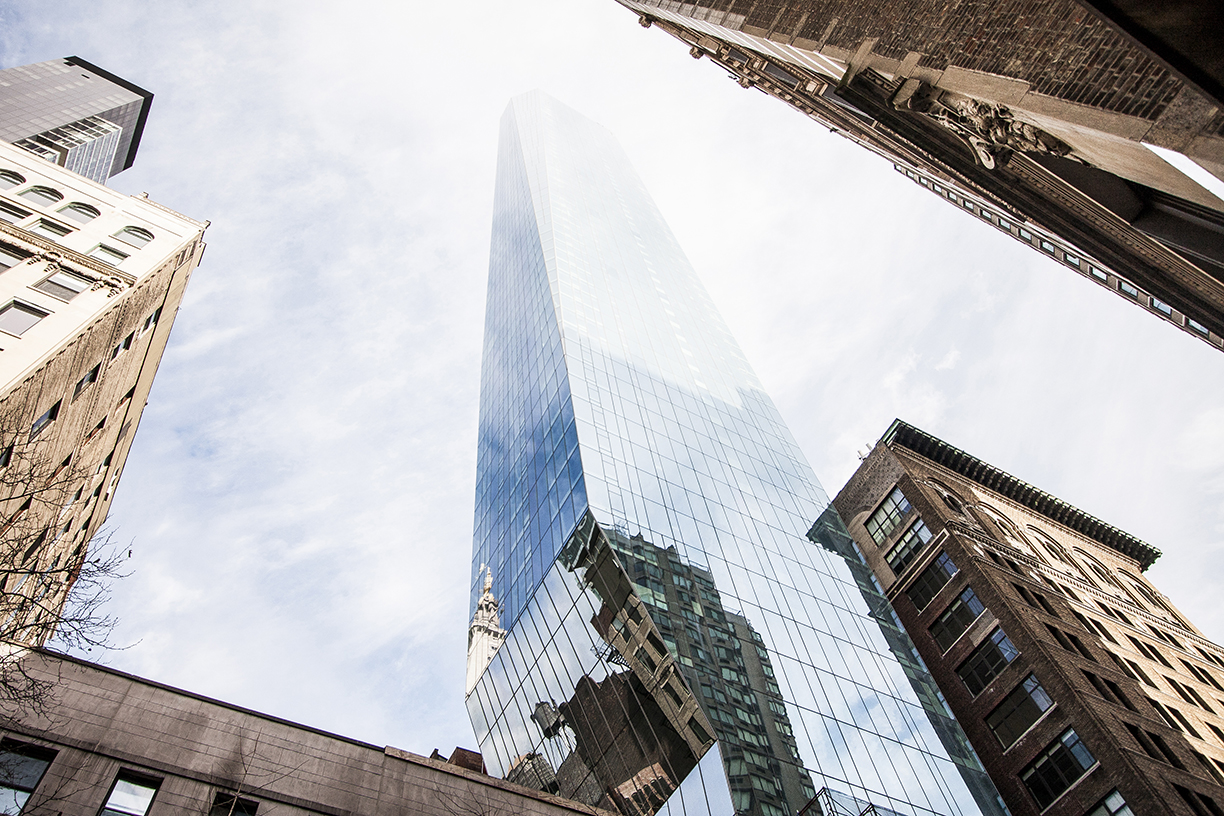
The 63-story Madison Square Park Tower designed a “Simulator Room,” where residents can play any sport of their choosing virtually, including soccer, without ever leaving the building. Madison Square Park Tower is also the tallest residential building between Midtown and Lower Manhattan at 777 feet.

Missoni Baia

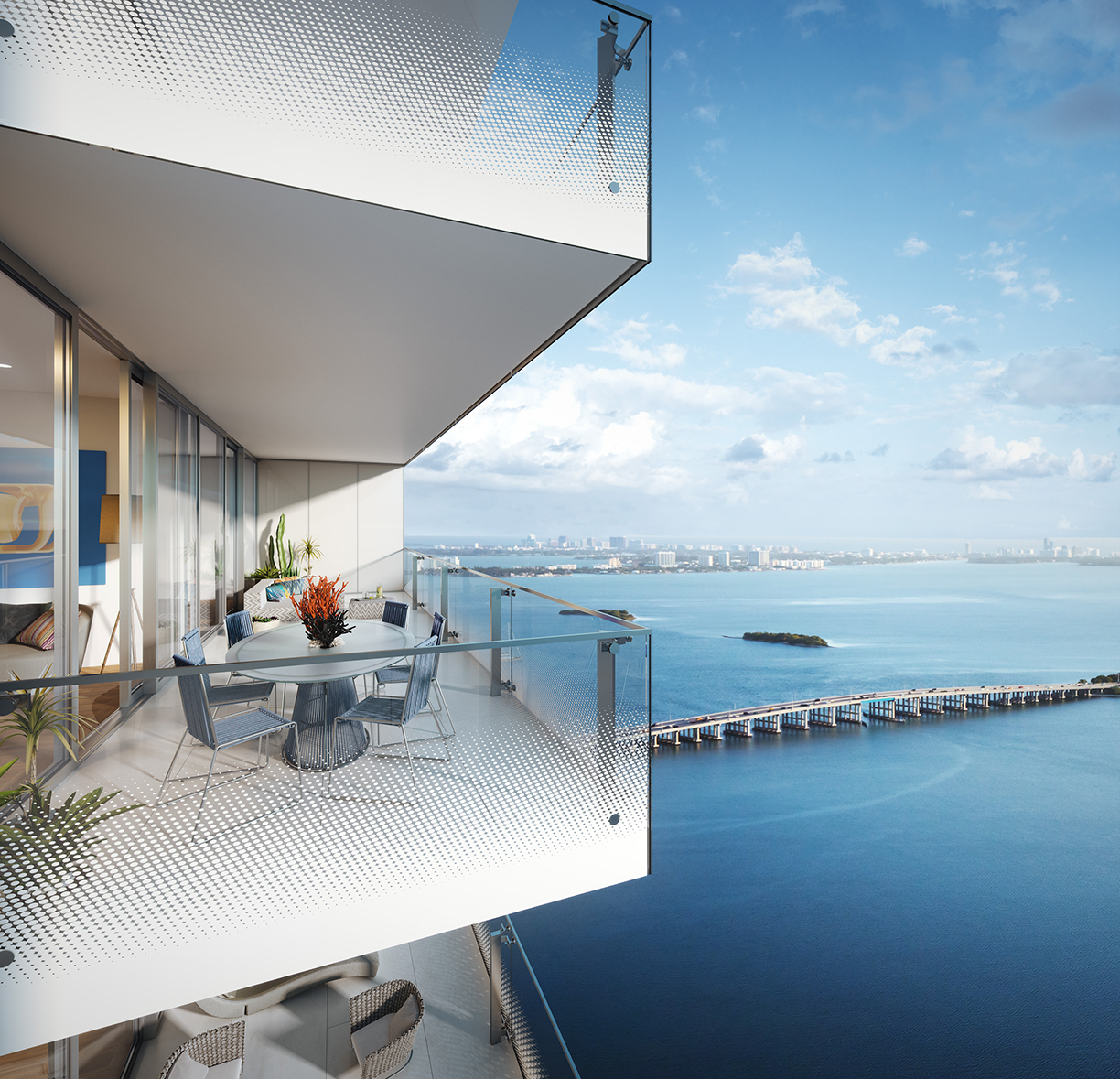
Missoni Baia is certainly suited for soccer super fans who would be ecstatic to share an address with a professional soccer star. This 57-story luxury condominium lies in Miami’s popular Edgewater neighborhood and is home to Miguel Borja, forward for the Brazilian club Sociedade Esportiva Palmeiras, participating in the FIFA World Cup for 2018 in Russia. Notable features include five swimming pools, including an Olympic-sized lap pool.

Photos courtesy of Noe & Associates with The Boundary, March Made for DDG, missonibaia.com

Comments Off on The Best Luxury Residences with Space for Soccer

Old Meets New in Arizona

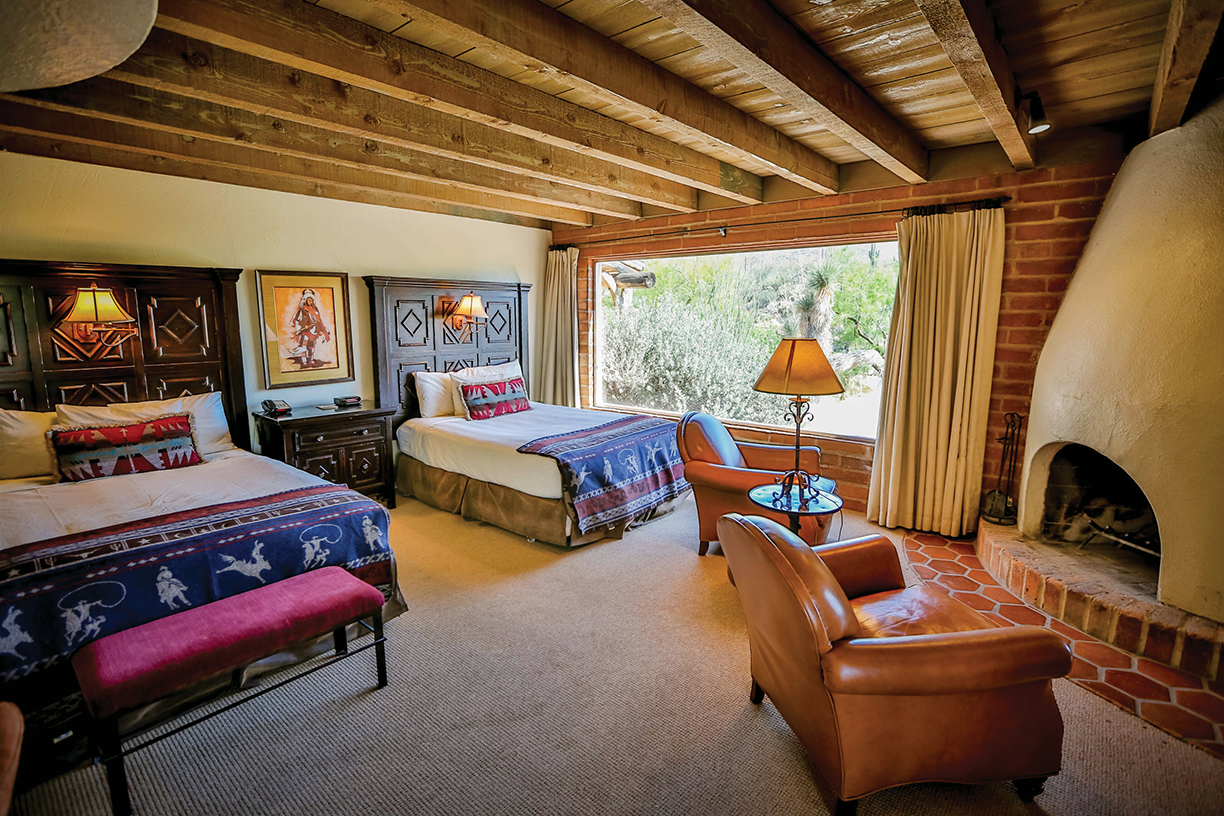
guests at tanque verde ranch can adventure through miles of horseback riding trails that go deep into the rincon mountains and Sonoran desert.

Seated in the sweeping mountain ranges and boundless desert of Tucson, Arizona, Tanque Verde Ranch combines the spirit of the Old West with today’s modern amenities.

“We’re right at the base of the Rincon Mountains, and the sunsets here are like no other,” says Terry Hanley, the general manager of Tanque Verde Ranch.

Spectacular scenic views can be witnessed in one of the various lodging options, which are tastefully decorated in a traditional southwestern theme with adobe walls and Santa Fe-style architecture.

Celebrating its 150th anniversary, Hanley recalled how Tanque Verde Ranch started as a cattle ranch in the ’20s and was eventually turned into a horse ranch. With more than 150 horses provided by the ranch, guests can take horseback riding lessons or adventure through miles of horseback riding trails.

Every Sunday and Thursday morning, guests can go on an unforgettable trail ride passed towering cacti and rolling hills to the Old Homestead where freshly prepared breakfast is served.

“We are famous for our blueberry pancakes,” Hanley says.

This ultimate dude ranch experience provides a wide range of activities such as fishing, swimming, mountain biking and hiking. The ranch also has outdoor cookouts, country music entertainment and coordinated activities such as chili cook-offs.

  — Brielle Bryan

Photos courtesy of Tanque Verde Ranch

Comments Off on Old Meets New in Arizona

Bahamas international sporting club encompasses paradise

By  

Usually, getting to a destination is the most difficult part of a trip; at The Abaco Club, an international sporting club on Winding Bay in the Bahamas, the hard part is leaving.

“Welcome to Paradise” is how David Southworth, founder and CEO of Southworth Development, greets newcomers here. Even before you reach your residence, via a personal golf cart, you already feel the sense of being in paradise building.

The setting is relaxed with low slung buildings and iconic Bahamian architecture surrounded by lush vegetation. In the background, turquoise waters sparkle and flashes of rose red can be spied as Bahamian parrots streak through the trees.

No matter your vision of paradise — golf, tennis, boating, cave diving and snorkeling excursions or just relaxing on two miles of pristine beach — this club has it all. The golf course, consistently rated No. 1 in the Bahamas, is a true Scottish-style links course set hard by the sea with classic links features including pot bunkers and sloping greens. Pros such as PGA champion Darren Clarke often use the extensive practice facility to perfect their short game.

The club setting, which restricts the number of visits from non-members, adds to the overall laid-back ambiance. Real estate offerings include cottages, estate homes and cabanas. Two new condo buildings are planned. Also, in the works is a second members’ clubhouse and dedicated boat slips at Little Harbour.

Divers worldwide come to Abaco to explore the blue holes and potentially the most extensive island underground cave system in the world.

Our visit to the island included a winding trip through a pine forest with the Friends of the Environment to visit Dean’s Blue Hole, the second deepest in the world. Another day, we explored the cays and harbors around the Sea of Abaco, where we swam with turtles and met the swimming pigs of No Name Cay.

Along the Winding Bay beach, the club’s waterfront director has a range of water toys including kayaks, paddleboards and snorkels at the ready, and special events are planned every day.   

Whether in the open air at Flippers Beach Bar or taking in the panoramic views from the relaxed elegance of the Cliff House, dining often turns into a convivial experience. It’s no surprise that Flippers’ signature drink is the Island Smile. Fish tacos at Flippers and fresh lobster at the Cliff House are favorites.

The last night of our visit was ribs night, one of the special events at Flippers, with live Shake ‘n Scrape music and a surprise visit from the island’s Junkanoo troupe.

Regretfully, we had to leave the next morning, but we carried with us the last exuberant notes of that night. — Camilla McLaughlin

Photos courtesy of The Abacos Club; Left bottom photo courtesy of Home ©Aaron Usher III

Leave a comment

Fast-Growing Start-Up Strengthens Community Connections

Through its Random Acts of Kindness campaign, real estate marketing leader Parkbench.com encourages good deeds in every neighborhood.

By Roger Grody

One of the fastest-growing start-ups in the real estate industry is Parkbench.com, an innovative, neighborhood-based collaborative through which real estate professionals enhance their presence in the community. The platform also hosts businesses, residents and nonprofit organizations, connecting people on multiple levels and strengthening communities throughout the U.S. and Canada.

The Toronto-based company was founded by entrepreneur Grant Findlay-Shirras and his wife Amanda Newman, a local Realtor. The concept, which establishes an exclusive website for a Realtor in every neighborhood, provides a vehicle through which that real estate professional can build his or her business while creating a more cohesive, tightknit community. After launching his wife’s website in 2013, Findlay-Shirras founded Parkbench.com to accommodate demand from Realtors in every state and province.

Parkbench.com CEO
Grant Findlay-Shirras

“Everybody who lives, works or plays in a neighborhood has something to say, and this platform provides immense value to the community while building a Realtor’s brand,” says the CEO. Findlay-Shirras explains Parkbench.com allows Realtors to elevate their roles to what they once were: pillars of the community who generate referrals by collaborating with local businesses, residents and organizations. It is a technology-driven approach to old-fashioned relationships.

“All Realtors want to provide value to their communities and expand their spheres of influence, but most don’t know how to go about it,” says Findlay-Shirras, who adds, “We believe in the Law of Reciprocity. Those who provide value to their communities will prosper.” Parkbench.com has also become the largest single provider of local news, aggregating local content from around the Internet and updating it daily on its Realtors’ respective websites.

Because Parkbench.com’s mission is to make neighborhoods stronger, both socially and economically, a corporate culture of giving comes naturally. After Hurricane Harvey hit Texas last August, Parkbench.com donated 10 percent of its revenue the following month to the nonprofit Feeding Texas. This past February, the firm implemented a Random Acts of Kindness campaign in honor of National Random Acts of Kindness Week, February 11-17, 2018.

“The entire company is built on this motto: Give value first, and have faith that you will receive something in return,” says Findlay-Shirras, who adds, “And why not give it randomly to see people’s awesome reactions?” The Parkbench.com CEO, who created the Local Leader® Marketing System used by his network of 1,000-plus Realtors, reports that members in cities throughout the U.S. and Canada — including New York, Vancouver, Phoenix, Los Angeles, Austin, Philadelphia, Seattle, Toronto, and Miami — participated in the February campaign.

Among the random acts of kindness extended by Parkbench.com, Realtors were buying coffee for the neighborhood, handing out flowers on Valentine’s Day, reprising the lost art of dispensing compliments to strangers, and cleaning up litter in the community. Local Realtors videotaped and posted their random acts for a companywide competition, with the winning Realtor receiving $1,000 to donate to his or her favorite charity.

Parkbench.com also supports nonprofits beyond the neighborhood level, and selected causes have included fostering entrepreneurship in Kenya, assisting the homeless and funding disaster relief. “The spirit of the company is giving to the community,” reminds Findlay-Shirras of Parkbench.com’s core value. “That’s who we are.”

Photo courtesy of Parkbench.com

Leave a comment

FEATURED AGENT: Victoria Fingelly Of Southport On the Harbor Brokerage

Victoria Fingelly

Southport On the Harbor Brokerage

251 Main Street – Southport, Connecticut 06890

203.610.0647 | victoriafingelly@yahoo.com

Specializing in luxury and waterfront properties, Victoria Fingelly has established a very successful real estate career over many years. With expert local knowledge of Fairfield, Southport and Westport, Connecticut, along with excellent marketing and communication skills, Victoria delivers a tradition of personal attention and service throughout each transaction. With beautiful and compelling presentation, she has successfully listed and negotiated the record sales for Fairfield at $24,450,000 Southport at $16.250 million and Westport at $25 million. Victoria welcomes your call or inquiry, which is of course, always confidential.

Listing by Victoria Fingelly

MAGNIFICENT GOLD COAST ESTATE

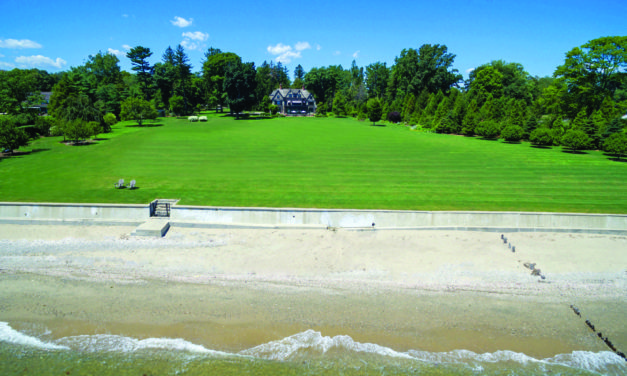
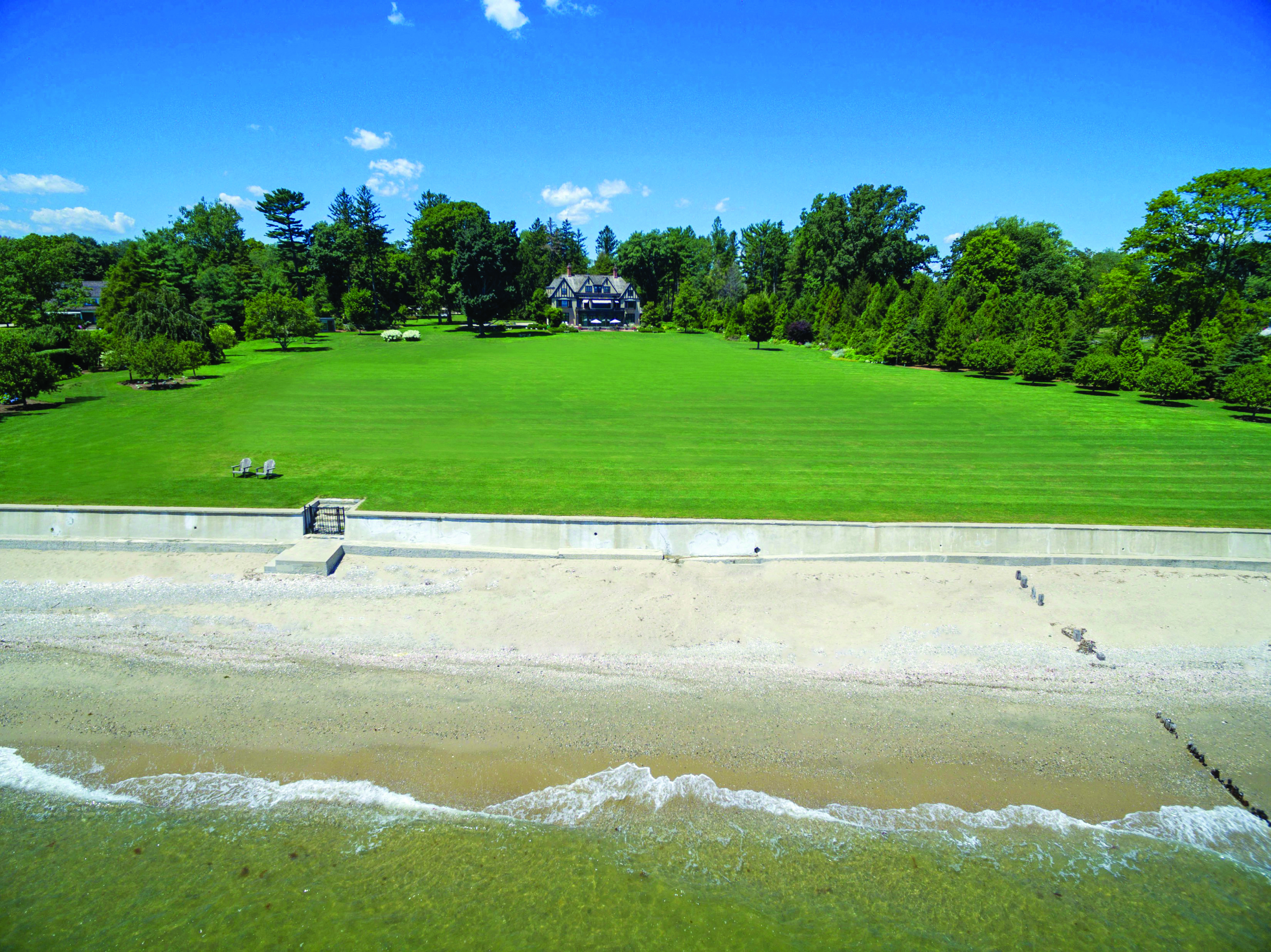
One of the largest estates on the Westport shoreline, this magnificent 7.7-acre “Gold Coast” property offers an unparalleled aesthetic of grace and grandeur, featuring 365 feet of sweeping water-frontage and beach. Composed of three lots, this exceptional estate luxuriates in unrivaled views of Long Island Sound and the stunning Southport and Fairfield coastlines. Circa 1911, the Elizabethan Tudor Residence with pool and carriage house, recently renovated to perfection, retains the genteel ambience of the early 20th Century blending seamlessly with every sophisticated architectural and mechanical enhancement.

www.BeachsideAvenueWestport.com

Offered at $28,000,000

Victoria Fingelly ORIGINALLY APPEARED AS AN ULTIMATE AGENT IN THE UNIQUE HOMES ULTIMATE ’18 EDITION. SEE HER PAGE HERE.

Leave a comment

Lobbies with Larger-than-Life Artwork

Residential developments are increasingly incorporating oversized art, and it’s bigger and better than ever.
These powerful and room-defining pieces each have a huge impact on the spaces they inhabit, drawing the eye in new directions. Here are four examples of NYC luxury developments spearheading this trend in a major way, commissioning local artists to create unique, oversized artwork.

525 West 52nd Street
Upon walking through the grand, double-height entrance, residents pass under Rachel Mica Weiss’ “Inverted Arches.” Commissioned by Art Assets, the 20-foot entrance piece made of nylon rope creates striking silhouettes and intricate, dramatic shadows that change throughout the day. Rachel’s use of industrial materials and hand-crafted techniques seamlessly integrate art and architecture, while simultaneously highlighting the history of the industrial neighborhood and reflecting the daily lives of residents.

Photo courtesy of Danielle Gottesman

The Jackson
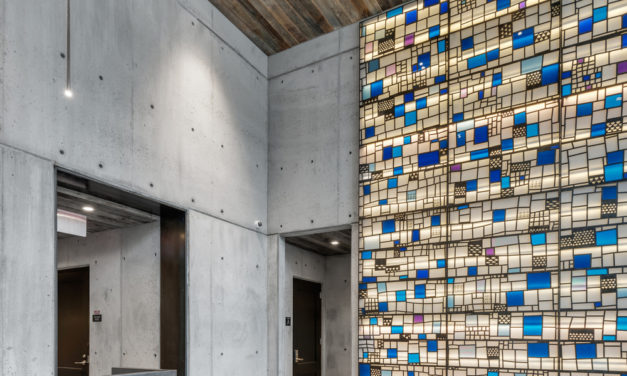
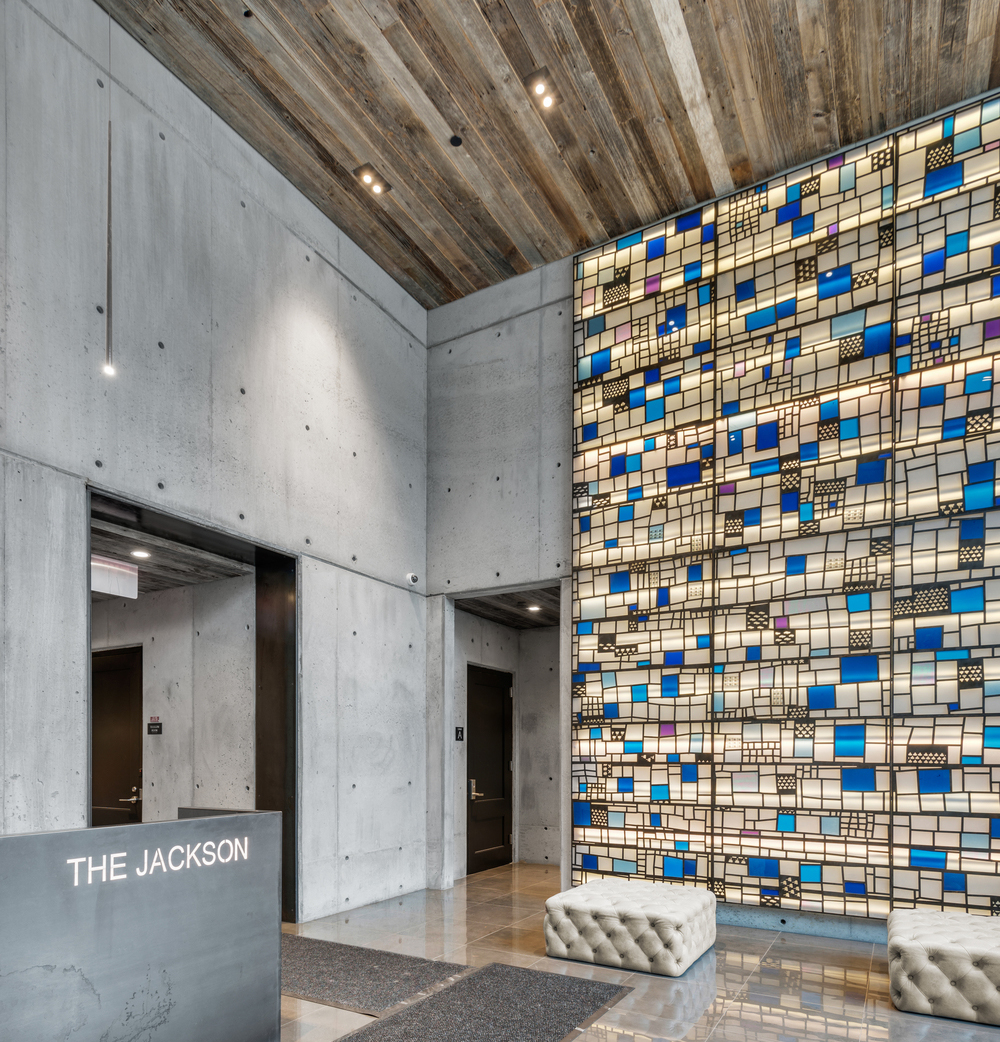
This lobby was designed with a stunning double-height, floor-to-ceiling glass art installation that was inspired by the building’s neighbor, MoMa PS1. The Long Island City condominium’s developer commissioned artist Tom Fruin to curate a one-of-a-kind mosaic glass-art wall in the building’s entryway, giving the space a unique gallery feel.

Photo courtesy of Qualls Benson

Photo courtesy of Art Assets

90 Morton
This boutique condominium features an entire gallery exhibition of eye-level floor sculptures curated by artist Danielle Gottesman.
Gottesman was inspired by the architectural floor plans of the property, and when adding light behind these pieces, one can actually see the shadows of the floor plans.

Photo courtesy of Modern Spaces

50 West
A glass-walled exhibition space in the lobby of 50 West is hosting a rotating display of art. The first piece on view is a 10-foot-tall twister sculpture of white powder-coated aluminum by the artist Alice Aycock.
Alice’s work can be found in numerous collections including the Museum of Modern Art, the Whitney Museum and the National Gallery of Art.

Comments Off on Lobbies with Larger-than-Life Artwork

Country estates find their way back into buyer’s hearts

Photo courtesy of Brian Smith

Known for being havens of rustic, down-to-earth hideaways, ranches, farms and country estates are finding their way back into the forefront of buyer’s minds. Luckily for those interested, these properties can be found in nearly every corner of the U.S.

Located in the heart of Albany is Cane Mill Plantation, a $16 million estate in the heart of the quail plantation belt in Georgia. Properties in this area are contiguous with one another, according to agent Elliot Davenport Jr., of Hall and Hall, and cover a large breadth of land with a variety of outdoor recreation. Offering a main lodge, staff housing, dog kennel and more, this fifth-generation-owned property is an ideal hunting retreat at the tail-end of the Appalachian Mountains, at only an hour distance to Atlanta.

Southwest in Texas is a more wide-ranging assortment of ranch, farm and estate properties to choose from, depending on the needs of the buyers. “Buyers without horses often go a bit further outside of the Dallas/Fort Worth area,” says Keller Williams Realty Agent Kim Hunter, “as their country estates are used similarly to mountain or lake homes; it’s really about a weekend retreat for these buyers. Ranchers tend to look for much larger tracts (100-plus acres) where they keep a mixture of horses and cattle.”

Photo courtesy of California Outdoor Properties

Photo courtesy of California Outdoor Properties

Photo courtesy of Hall and Hall

Hunter just listed the Furst Ranch Estate, a 127-acre working ranch with world-class horse facilities and a high lodge-style home atop one of the highest points in northern Denton County. Apart from the renovated lodge home, the rolling landscape and abundance of trees on the exterior is what surely makes this ranch special. “It’s not pretentious, despite its size and amenities, so it could serve as a private home, family compound, corporate or executive retreat,” says Hunter.

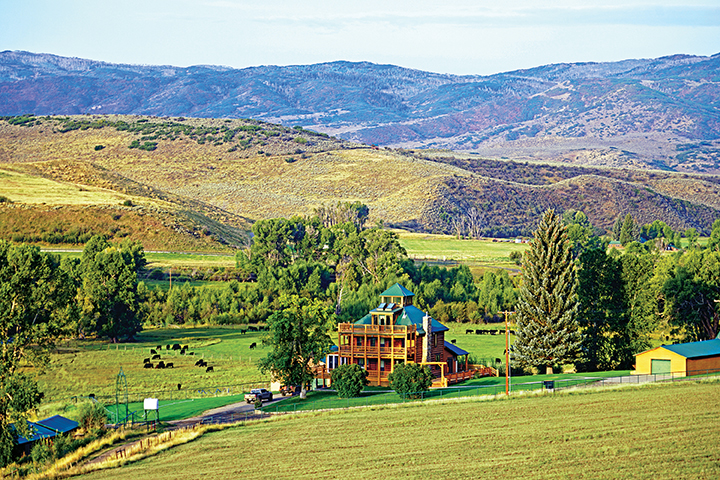
Farther west into the Williams Fork River Valley of Colorado sits Motherwell Ranch, a 10,350±-acre mountain ranch that combines a diverse landscape, privacy, fishing from multiple water sources, and much more. Water is what secures Motherwell as a significant property, according to Hall and Hall Agent Brian Smith. “Good water is essential … and with 3.3 miles of the Williams Fork River, four lakes, over 90 ponds and smaller creeks, the ranch really stands out for its quality and quantity of water,” says Smith.

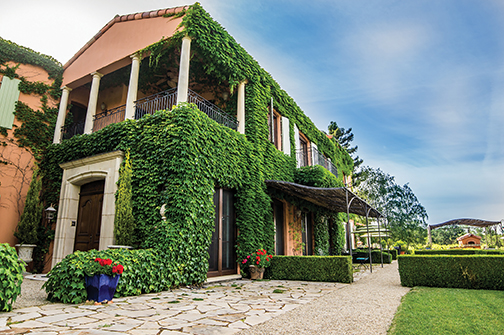
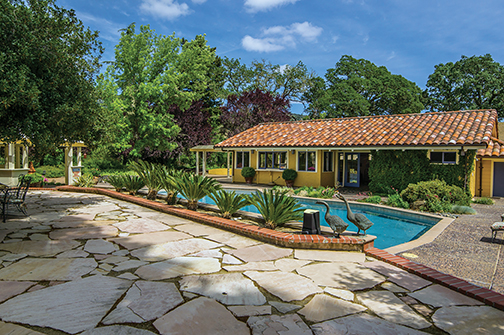
Local Californian rancher and Realtor Jim Martin is listing White Oak Ranch and Vineyard, a 255-acre property in Mendocino County with 130 acres of productive vineyards. “The White Oak Ranch & Vineyard is California’s premiere wine country estate where Mediterranean refinement blends with Western tradition,” says Martin, as the ranch’s architectural style is based on homes in Provence, France.

On the ranch is the Villa, which offers 10,000 square feet, five en suite bedrooms, seven baths, a professional kitchen, two internal courtyard gardens and an outdoor kitchen with an exterior fireplace. White Oak has first-class amenities of the highest order, coupled with a full-scale, commercial and income-producing vineyard. — Kristen Ordonez

Left and top right photos courtesy of Kim Hunter. Bottom right photo courtesy of California Outdoor Properties.

Leave a comment

Tech Crunch

When technology experts compare the current pace of innovation behind the scenes in real estate to the Dot.com Boom of the late 1990s, it’s time to take notice.

By Camilla McLaughlin

Could another tech revolution for real estate be at hand? During the last tech surge, more than a few pundits speculated the agent would become increasingly irrelevant as technology took over most aspects of the job. Today, amid speculation about blockchain, artificial intelligence and other emerging technologies, whispers about the demise of the agent are once again surfacing. But experts say today’s next-gen tech will only make the role of the agent more relevant, particularly in high-value markets.

“Ultimately, relationships remain at the core of real estate, and today they are more important than ever,” observes Stephanie Anton, executive vice president of Luxury Portfolio International.

While attention in recent years has riveted on technology for the home, a wave of innovation with the potential to be even more transformative is on the cusp of altering everything from the way homes are marketed, to access to property data, to the execution of the sale. “We are at the tipping point of change

for real estate. Within three to five years, the entire property landscape will have shifted. Real estate search will be completely remastered, and the industry as a whole will not resemble what it is today,” says Joel Leslie, partner and CEO of Propify, a California startup that was developed in Australia.

The time frame for Leslie’s projection might be optimistic, but there is no doubt that the way properties are bought and sold will change in the not too distant future, perhaps even more dramatically than the mid-1990s when listings and property information became publicly available and searchable online. As a result, new brokerage models emerged; some remain, many do not — but the impact of technology on the way homes are bought and sold endures.

“Technology continues to transform the real estate industry, and particularly in the last few years as we have seen more and more true innovation introduced that can make agents’ lives more efficient, their tasks more automated and their time more effective,” says Stephanie Anton.

“An ever-complex sales process, record home values and elevated consumer expectations require agents to rely on a range of tools from contact management to virtual reality. “In the world we live in today, you truly have to be rigorous to keep up with the ‘latest and greatest,’” shares Anton.

Luxury sellers want “to see that an agent has the tools and wherewithal to expose their home to the buyer groups that have the most potential to purchase. They want to know that it’s being placed in the right places, where luxury buyers are looking. They also want to easily see the work that the agent is doing on their behalf,” says Tom Morgan, who heads up marketing for Gabriels Technology Solutions, a technology provider for luxury real estate brands. Productive agents rely on CRM or customer relationship management software to facilitate and streamline this process and provide detailed reports to clients.

Contacting an agent and discussing parameters of the home used to be the norm when someone decided to buy a home, says Bob Hurwitz, founder and CEO of Hurwitz James Company. Now, that initial contact usually happens after the buyer has done his or her own research on everything from available homes for sale to neighborhood statistics to online value approximations.

“The agent is still absolutely key though, as much of the information online, particularly ‘valuations’ from third-party aggregators, are ludicrous and inaccurate, based on incomplete or faulty data. Additionally, much sales data is not available as more and more listings are sold off market,” says Hurwitz.

Online searches, often on mobile devices, have upped requirements for how properties are presented online. “The days when a photographer would come in and shoot 20 photos are over. It is imperative that photography, VR [virtual reality] tours and video be absolutely of the highest level,” Hurwitz says. To take a unique property to the next level and make the property stand out, Hurwitz has hired an award-winning director to produce visuals.

Disruptive Technologies

When Matterport introduced 3-D technology to real estate imagery, it was a game changer. Once floorplans came off the page, it was possible to get a much better sense of the configuration of a property, and 3-D floorplans invite exploration. Now, pioneering newcomers are making 3-D technology less expensive and possibly applicable to a range of price points. “Apple investments suggest that soon, with the iPhone 11, you will be able to create such beautiful content using a camera in your pocket,” says Anton Yakubenko, co-founder and CEO of GeoCV.

GeoCV offers a high-quality 3-D immersive experience in both tours and floorplans. There is a “true sense of being with realistic depth and HDR [high-dynamic range] photo realistic quality,” explains Jonathan Klein, director of partnerships for GeoCV. “We differentiate ourselves by leveraging 3-D-enabled smartphones and taking an open approach to the data.” GeoCV’s floorplans and tours also include patios, porches and other outdoor connections, giving potential buyers a good idea of the indoor-outdoor synergy of a property.

“Technology continues to transform the real estate industry, and particularly in the last few years as we have seen more and more true innovation introduced that can make agents’ lives more efficient, their tasks more automated and their time more effective.” — Stephanie Anton of Luxury Portfolio International.

It’s A Virtual World

Virtual staging is not new. It was introduced in 2009, but the overall result was less than realistic. New technology means virtually staged spaces appear as real furnished rooms. “With dynamic 3-D augmented and virtual reality capability, buyers, sellers and real estate agents can eliminate visualization barriers using technology to showcase how a space will look fully furnished, but in a more scalable, convenient, cost-effective and personalized way than ever before,” says Pieter Aarts, CEO of RoOomy.

Virtual staging does more than act as a substitute for real furnishings. Some options allow viewers to change the position of a wall or windows. So, buyers can imagine how a property would look if, for example, the landscaping was changed or with a wall knocked out, explains Tim Rose, national sales manager for PlanOMatic, which offers virtual staging, interactive floor plans and 3-D walkthrough.

By collaborating with retailers of home furnishings, RoOomy gives potential owners a preview of what a room would look like with their choice of furniture. Using a design app on their site, buyers and homeowners can also try out various pieces of furniture or an entire scheme in a room, and the results are presented in 3-D. RoOomy also found a place on Architectural Digest’s list of the 20 best home design and decorating apps.

“Suddenly, virtual reality is making it possible for people to visualize a home before it’s built,” says Alexander Hovnanian, area president for K. Hovnanian at Port Imperial Urban Renewal VI, LLC. K. Hovnanian is innovating the way new construction is sold using virtual reality. Buyers tour Nine on the Hudson, a new project in West New York, New Jersey, while the 278-unit condo building is being constructed. Donning VR goggles they can walk the building and preview their future home as well as the views and patios and decks. Distant buyers use their iPad to link to an Opto tour using goggles supplied by K. Hovnanian. So far, the tours have resulted in more than 80 signed contacts from as far away as California.

What didn’t change dramatically during the tech revolution is the way property searches, which typically still require a specific location or geographic area as a delineator, are conducted. A few brands that cater to the affluent, such as Sotheby’s, allow a search by lifestyle, architecture or amenity without restrictions to a specific location.

Future searches for real estate potentially will bypass conventional portals and give access to an even larger number of properties — despite whether they are listed in the MLS — as blockchain technology becomes more widely adopted. Propify is a new social media search platform for real estate that employs blockchain technology. “The future of tech and real estate will make it easier to find the right property and Realtor and broker no matter where you are located. This will happen quickly and with confidence. There is no doubt that the traditional property search websites will not disappear overnight, but they will not be as aggressive as they once were,” says Leslie, who says the social media aspect of Propify has the most appeal for agents right now.

Blockchain and Distributed Ledger

Seemingly bursting on the scene in the last year, blockchain technology was originally developed as a platform for Bitcoin. But blockchain is applicable for many other uses, and is not to be confused with cryptocurrencies. “Blockchain technology is a digitized way to immutably record and share information. Blockchain-based smart contracts have the potential to transform real estate purchases, sales, leasing, financing and management,” says Marci Rossell, chief economist for LeadingRE and Luxury Portfolio. “Fortunately, the average person doesn’t have to grasp the technological details of how blockchain works; they just need to know what it can do for them.”

Some speculate that blockchain could be as transformative as the Internet was. Rossell compares the current climate to the Dot.com Boom of the late 1990s. “Blockchain is in the early stages of its commercial development and application. I expect that, over the next decade, it will be another Internet Wild West out there, with blockchain-related businesses emerging at a rapid rate. And just like the Dot.com Boom, a few will survive, thrive and transform their sectors — like Amazon. But there will also be many lost fortunes on the ideas that don’t work out,” she says.

Several blockchain platforms for real estate have been introduced, including Ubitquity and Propy.

Cryptocurrency Hubbub

Recently, Canter Companies, a San Diego brokerage, listed two properties offering the option of payment in cryptocurrency. Outlining the steps that had to be navigated, including banks and title companies, just to make this offering, CEO Andrew Canter says it was a detailed, but possible, process. Still, he cautions, “It’s early days. It’s something that is evolving every week.”

“Cryptocurrency is really a fascinating addition to the real estate industry,” says Hurwitz, who notes one of his agents just closed a $4.6 million transaction where the down payment was in Bitcoin. “It’s something that would have been unfathomable not too long ago,” he says. “What made it more challenging is that the buyer was actually obtaining a loan and it was necessary to find a sophisticated lender who understood the concept and was able to fund without a problem.”

The appeal of cryptocurrencies for global buyers should not be discounted since they potentially offer the ability to move currencies more securely and with fewer fees. Smart contracts and transactions via blockchain are expected to have appeal in countries where the sales process and property rights are not as secure as in the U.S.

Even though cryptocurrencies are not something most agents will encounter any time soon, major real estate brands and affiliate groups are keeping them on their radar. “Whether you’re skeptical of it or not, it is huge. We have thousands of new millionaires, and there are some new billionaires out there, purely off cryptocurrency. So, it’s something you’ve got to pay attention to,” says Danny Hertzberg with The Jills team at Coldwell Banker Residential Real Estate in Miami, who has briefed agents in his office on the topic. Even though people are marketing properties that say they are willing to accept cryptocurrencies, he says, most of those transactions actually close in dollars. “They’re doing an exchange, you know, prior to the deposit, and they’re exchanging Bitcoin for dollars and doing the same thing before the closing.”

Like Canter, Rossell believes it’s the early days and lots of changes are likely. “When a new technology of any kind emerges, multiple applications often compete for commercial dominance. Think Beta and VHS, or Facebook and MySpace. Real estate-related payment systems are likely to go through a similar process, where multiple systems compete until users coalesce around their preference. And don’t despair if you feel behind the curve on all things blockchain. While the topic burst on the scene late last year, it’s applications to real estate will unfold over many years.”

Comments Off on Tech Crunch

Going Global — A Mexican Marvel

Owners at Costas Palmas have access to the members-only Beach Club, which serves as the heart of the club community, offering organic cuisine, fitness and locker rooms, full-service pools and proximity to the beach.

Owners can also take advantage of “Aventura” guides, offering jet skiing, paddle boarding, wake surfing, sport fishing, ATV adventures to secret caves or waterfalls, and sunset horseback rides on the beach. The Costa Palmas Marina, a deep-water marina with 250 slips, is located just steps away from the marina village offering artisanal boutiques, dining, music and art. — Kelly Potts

rendering & photos courtesy Costa Palmas

Costa Palmas, a 1,000-acre private beachfront resort community on the East Cape of the Baja Peninsula, will soon be home to the first Four Seasons Resort and Private Residences in Los Cabos. Options for owners include a fully furnished, fully managed golf, beach or marina one- to five-bedroom residence, or one of just 18 private, custom-designed villas of 5,000 to 10,000 square feet located on the beach or marina.

Comments Off on Going Global — A Mexican Marvel


America’s Most Expensive Homes
Alabama Real Estate | Alaska Real Estate | Arizona Real Estate | Arkansas Real Estate | California Real Estate | Colorado Real Estate
 
Connecticut Real Estate | Delaware Real Estate | Florida Real Estate | Georgia Real Estate | Hawaii Real Estate | Idaho Real Estate
 
Illinois Real Estate | Indiana Real Estate | Iowa Real Estate | Kansas Real Estate | Kentucky Real Estate | Louisiana Real Estate
 
Maine Real Estate | Maryland Real Estate | Massachusetts Real Estate | Michigan Real Estate | Minnesota Real Estate | Mississippi Real Estate
 
Missouri Real Estate | Montana Real Estate | Nebraska Real Estate | Nevada Real Estate | New Hampshire Real Estate | New Jersey Real Estate
 
New Mexico Real Estate | New York Real Estate | North Carolina Real Estate | North Dakota Real Estate | Ohio Real Estate | Oklahoma Real Estate
 
Oregon Real Estate | Pennsylvania Real Estate | Rhode Island Real Estate | South Carolina Real Estate | South Dakota Real Estate | Tennessee Real Estate
 
Texas Real Estate | Utah Real Estate | Vermont Real Estate | Virginia Real Estate | Washington Real Estate | West Virginia Real Estate
 
Wisconsin Real Estate | Wyoming Real Estate

Style Selector
Select the layout
Choose the theme
Preset colors
No Preset
Select the pattern