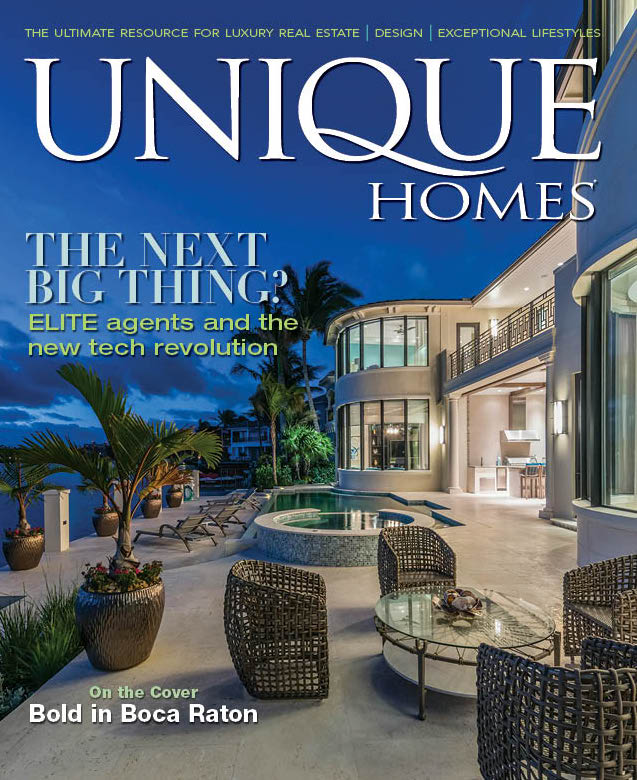
There is no favorite listings!

All-Inclusive: Blending Classical and Contemporary Design in LA

Offering a one-stop shop for high-end design — architecture, landscape architecture and interior design services under a single roof on Los Angeles’ famed Miracle Mile — is Studio William Hefner.

The office’s location on this stretch of Wilshire Boulevard, lined by Art Deco masterpieces and many of the city’s museums, is clearly inspirational for designers.


Originally from Northern California, Hefner arrived in Los Angeles to earn a graduate degree in architecture from UCLA and founded his current practice in 1989. He oversees a highly collaborative staff of about 35 in L.A. and maintains a smaller office in the idyllic coastal community of Montecito, outside of Santa Barbara.


Hefner, who studied art history in college and appreciates a diversity of design, draws inspiration from landmark residences scattered throughout Southern California. He is appreciative of traditionalists like Wallace Neff and Paul Williams — their Mediterranean estates have long been popular with Hollywood celebrities — as well as Mid-Century Modern masters Rudolph Schindler and Richard Neutra. As a result, Hefner’s practice encompasses a wide spectrum of architectural styles and his firm adapts to evolving preferences.


“In my practice, I try not to have a ‘signature’ style but strive toward quality design and execution in different genres, from very traditional to contemporary,” says Hefner, who reports about 60 percent of his current commissions are modern, a share that has doubled in the past decade. “Modern residential architecture has come in and out of style over the past 30 years but is finally becoming more of a lifestyle, not just a fashion or trend,” says Hefner, who adds, “I think it’s here to stay.” In Los Angeles — where so many high-end homes are in the hills or along the coast — modern design maximizes views and suits the region’s indoor-outdoor lifestyle. 

Commissioned to design a massive residence on 10 precious acres in L.A.’s opulent Bel-Air neighborhood, Hefner created a formidable French-style estate known as Château des Fleurs. The client’s original inspiration was the majestic Hôtel du Cap on France’s Côte d’Azur, and Hefner conducted extensive research in Paris, Versailles and the Loire Valley to ensure that every detail was authentic. “We wanted to make sure each room was special and unique,” explains Hefner of the house, which has 31 bathrooms. Despite the scale of the project, the architect took care to create intimate, family-friendly spaces throughout the home in addition to grand rooms for entertainment.


When the 60,000-square-foot residence was completed in 2013 after five years of construction, it was the largest home in a city famous for conspicuous consumption. In his lavishly illustrated book Château des Fleurs (Pointed Leaf Press, 2016), Hefner explains a progressive approach to classic French design. “The balance of this house was to create a powerfully simple structure that would feel timeless and not imitative, while inviting an Old World opulence to the fit and finish of the architecture in a way that would be both decorative and something more: modern,” he writes.

Another more classically inspired design from Hefner is an oceanfront home in L.A.’s Pacific Palisades, a celebrity-favored enclave with a rich architectural history. This home features an Italianate design, dazzling spiral staircase and lush landscaping. In the very same community, in the foothills of the Santa Monica Mountains, Hefner authored a sprawling modern residence in which the floorplan was meticulously oriented to ensure optimal views from every room.

An approximately 7,000-square-foot home in Beverly Hills’ coveted Trousdale Estates is one of Studio William Hefner’s most notable expressions of modernism. Reminiscent of L.A.’s influential Case Study Houses from prominent Mid-Century Modern architects, it was commissioned for a client with an extraordinary modern art collection. “Accommodating art is always a challenge in a view house,” says Hefner, who notes the requisite expanses of glass tend to limit available wall space.

In suburban Sierra Madre, a considerably more rustic community than Beverly Hills, Hefner created a thoroughly contemporary residence in an environment where Craftsman bungalows and Spanish Revival homes are the prevailing architecture. But through a generous use of stone and wood, he was able to infuse the property with considerable warmth, softening the impact of its modernist theme. 

“My philosophy, in both traditional and modern homes, is to introduce spaces for indoor-outdoor living, which is a reason we offer landscape architecture among our services,” says Hefner. “In Southern California, the entire site becomes a living space, with large patios, covered outdoor living areas and landscaped courtyards that people can use throughout the year,” he explains. In Hefner-designed landscape design  projects, swimming pools often double as reflecting pools, fountain-laden patios  assume the serenity of Zen gardens and cacti provide a compelling complement to austere clean-lined structures.

Like New York’s idiosyncratic Peter Marino, a talent he admires, Hefner is an architect who has expanded his practice to incorporate interior design. “I always had a strong interest in interiors and was disappointed when some of my early projects were not finished the way I had envisioned them, so I began designing interiors myself,” recounts Hefner. Now heading up the interior specialty at the firm is his wife, accomplished designer Kazuko Hoshino, and the firm produces custom-made furniture and accessories that enhance the interiors she creates.

Among Studio William Hefner’s custom-made products are the Infinity console, a plane of wood supported by two circular bands of steel, and the strikingly contemporary Halo mirror with its echoes of Mid-Century Modernism. Featuring a modern simplicity are the Capri lounge chair and distinctive Willow nightstand. Even the most contemporary of these pieces can complement vintage architectural settings, as Hefner and Hoshino have demonstrated in their own 1920s residence in L.A.’s fashionable Hancock Park neighborhood.

Before Hefner founded his own company, he worked for Skidmore Owings & Merrill, one of the world’s largest and most influential architecture firms, designing high-rise commercial buildings. “It was difficult to establish a personal connection with the ultimate users of the spaces,” laments Hefner, who appreciates residential design because of the more intimate relationship it forges between architect and client. Hefner encourages clients to fully participate in the design process, stating, “I think we do a better job when they’re more involved.”

The firm’s projects continue to be concentrated in Southern California, where Hefner believes the Mediterranean climate and the indoor-outdoor lifestyle it encourages affords him a genuine freedom of creativity. However, Studio William Hefner has designed residences in countries as disparate as South Korea, Turkey and Israel, and is currently undertaking projects in Seattle, the San Francisco Bay Area and Jackson Hole, Wyoming.

Photos courtesy of Laura Hull, James Ray Spahn, and Tyler William Parker

Leave a comment

New Game from Luxury Travel Company Inspires Clients

A new offering from one luxury travel company is inspiring clients to change the way they travel by transforming a standard journey into a game full of unexpected scenarios with strangers, intellectual puzzles and physical experiences.

By: Kelly Potts

Philippe Brown, founder of Brown + Hudson, knew that it was time to shake up the way people travel when a client came to his company and mentioned that their kids are more excited to play computer games at home than they are to experience new destinations. Enter The Great Game — a tailored journey that includes challenges, clues, puzzles and chance encounters to help you discover a location in a completely new and engaging way. “We started researching the particular games the kids were playing and the mechanics of how those games become utterly addictive and engaging,” Brown says. “We had to take everything that’s so messed up about these computer games and translate that to the real world, to include varying levels of challenge, prizes and a sense of competition.”


For this family, and many others, Brown notes that the issue wasn’t where they should travel, but rather how they should travel. The Great Game can range from physical stimulation to intellectual challenges, but every trip encourages clients to travel in a way they’ve never traveled before. “We turn it into a game and then the client has a better chance of seeing a place with new eyes or childlike wonder,” he says.


Where you play the game is totally up to you, though Brown does recommend you allow enough time in a destination that offers much to experience, such as Downtown Buenos Aires or Patagonia, for example. “Places that are more intense offer a richer palette,” he says. “To get the full benefit of the trip, it’s better to have it be longer than four days because then you really get into it.”


Before embarking on this unique getaway, there’s a planning process that Brown compares to working with an architect. “We get to know you, get a feeling of what you’re looking for and make sure we ask the right questions so we get the trip right,” he says. “We believe that before getting excited about places, the client is the destination.” The trip planning interview consists of questions that may seem random, but were crafted with the assistance of a therapist to really get to the heart of the person and understand their motivations, fears and goals for the trip. “Unless you ask the questions, there’s no point in talking about places,” he says.


Brown + Hudson currently has three Great Game trips in the works and one that occurred in India last year. One trip the company is planning to Costa Rica includes a challenge with zip lining. “When people come to us and say we want the kids to build up confidence, zip lining was the perfect way to build physical confidence,” says Brown. 


Of the game that took place in India, Brown says, “This particular story was really interesting because they came to us with their great aunt’s diary. We realized, we can integrate this between what this family does and what the great aunt did to make the story richer and more connected.” One aspect of this trip involved a young boy, a complete stranger to the family, taking their hand and leading them to the entrance of Mehrangarh Fort in Jodhpur, Rajasthan after closing hours to enjoy time alone with the director of the fort museum.


If a meaningful or insightful journey is on your agenda, Brown + Hudson can certainly incorporate these aspects into the game. “If the family wants to learn about important issues of a particular area, part of the game might be meeting refugees,” he says. There’s also the chance to have a trip full of physical adventures and activities, a vacation that offers intellectual challenges and puzzles or a voyage offering interaction with strangers and family alike. Brown says, “There isn’t one recipe, it changes for each client.”


During this journey, clients can choose to have the help of a ‘guardian,’ a local guide who understands the game and the family’s needs, and ensures that the family is enjoying the game and moving through it in a timely manner. They can offer as much or as little assistance as the client wants, while also helping to ensure that everything the family hopes to get out of the trip is accomplished. “We want them to achieve their objective, so we control what happens to a certain extent,” says Brown. “Sometimes the guardian needs to be there to help them see the big picture.”


While The Great Game was not inspired by the traditional escape rooms that have been gaining popularity around the world, Brown notes that they have much in common. “The parallels are there — going into an unfamiliar environment, not knowing the rules, having someone guide you.” Just like an escape room, Brown notes that the loss of control is what sparks interest in The Great Game. “People realize that it’s a return to child’s play… how many adults get to play and think ‘it’ll be fun to not worry about anything and let myself be guided through this game’? It’s utterly relaxing,” he says.


The Great Game can be enjoyed by families, couples or individuals of all ages and backgrounds — and each client will gain something different from the experience, whether it’s solving a problem they’re facing, learning more about themselves, or just have a unique and unforgettable trip that opened their eyes to a new way of travel.

Of the game that took place in India, Brown says, “This particular story was really interesting because they came to us with their great aunt’s diary. We realized, we can integrate this between what this family does and what the great aunt did to make the story richer and more connected.”

One trip the company is currently planning to Costa Rica includes a challenge with zip lining. “When people come to us and say we want the kids to build up confidence, zip lining was the perfect way to build physical confidence,”
says Brown.

During this journey, clients can choose to have the help of a ‘guardian,’ a local guide who understands the game and the family’s needs, and ensures that the family is enjoying the game and moving through it in a timely manner.

“The Great Game is suitable for anyone who is willing to question how and why they’ve traveled in a specific way,” Brown says. “It’s perfect for someone who wants to get more out of their time abroad and someone who’s got an appetite to devour a place.”


While the pricing of The Great Game does vary from trip to trip, figure on a minimum of $25,000 per person (Brown + Hudson recommends a minimum of one week), in addition to a retainer fee of $4,000 for the planning and creation of the game (including the involvement of specialist experience and game designers). Brown does have some advice for those playing the game — “Trust, use your brain, expose yourself and the answer could be in something random.”


His hope for The Great Game is that it will awaken clients to realize that they deserve more from their travels. “If you could leave yourself behind and be a completely blank canvas everywhere you went, then your experiences would be much richer, more memorable and actually have therapeutic effects,” he says. “That’s what our approach does.” 

Photos courtesy of BrownandHudson and istockphoto.com

Leave a comment

Opulence Without Guilt: Indulging While Making the World a Better Place

Olivela, a luxury merchandise platform, allows consumers to indulge their excesses while making the world a better place.

Typically, shopping at fancy designer boutiques and contributing to the welfare of the world’s most vulnerable or neglected people are at opposite ends of the spectrum of human behavior. But the website Olivela allows customers to shop for luxury fashion and beauty products, knowing that a portion of all proceeds goes to designated charities.


“Our reason for being is the good we’re able to do,” says founder and CEO Stacey Boyd, who previously founded Schoola, a second-hand clothing site that raises money for schools. “The way we were able to scale Schoola, from an initial five schools to more than 35,000 today,” was a model for Olivela, she reports. Her inspiration for the concept, however, was a visit to a refugee camp in Kenya where she met young Malala Yousafzai, who won the Nobel Peace Prize for her advocacy of education for girls and young women in developing nations. “I reached into my handbag for my cellphone to take a photo and realized that the cost of that bag could send a girl to school,” recounts Boyd.


After launching last year with 12 brands, Olivela now offers more than 200 luxury brands — iconic labels like Givenchy, Jimmy Choo, Prada, Valentino, and Burberry — and a portion of every purchase goes to one of the company’s affiliated charities. Olivela’s giving is focused on the Malala Fund, CARE and Too Young to Wed, all committed to ensuring that girls at risk of child marriage stay in school.

Boyd is pleased to see more companies asking themselves how they can contribute to urgent social causes without compromising their commercial success, and cites the example of Toms shoes, which donates a portion of profits to improve lives around the globe. “There’s an opportunity through commerce to do an amazing amount of good in the world,” says the entrepreneur, who genuinely believes in the power of giving. Olivela may, in fact, prove to be a model for a diverse range of ventures, whether Internet-based or brick-and-mortar.

Every piece of merchandise on Olivela is listed with the actual impact its purchase can affect, such as the 28 days of school funded by a $995 Ferragamo wallet. The shopper can learn which organization each purchase is funding, the nation the donations will be sent to and even the specific girl being assisted. “You’ll know, for instance, that you’re helping a 15-year-old Syrian refugee named Joury and will receive notice of her first day of school and see her report card,” explains Boyd. By allowing customers to monitor the progress of the individuals whose lives are changed by their purchases, a culture of accountability and connectivity is created.


“Educating one girl can help transform an entire village,” suggests Boyd, who insists education not only keeps young girls out of unwanted wedlock but helps them and their families overcome poverty. “When a customer is wearing a beautiful necklace she purchased from Olivela, she’ll be reminded of the impact it’s having on the life of a young girl, her family and community,” says Boyd.

Photos courtesy of Matthew Alland – Schoola

This originally appeared in Unique Homes Ultimate Issue 2018

Comments Off on Opulence Without Guilt: Indulging While Making the World a Better Place

Gourmet Food Halls

Offering variety, convenience and a sense of community, these food courts for grown-ups are being embraced across the country.

By Roger Grody

Teenagers hanging out at the local shopping mall may consume greasy pizza and hot dogs on sticks, but reimagining the food court with high epicurean standards is a hot development trend. Across the country, sophisticated food halls are filling historic buildings in reenergized downtowns.

At the new venues, food is not an afterthought, but the main event in a concept borrowed from diverse cultures. Department stores like Harrods in London or Le Bon Marché in Paris dedicate entire floors to culinary discovery, while street food vendors in Singapore rent stalls in hawker centers.
Some food halls in the States originated as places where farmers, fish mongers and bakers sold their goods, with a few food stands or cafés sharing a common seating area. Examples include Philadelphia’s Reading Terminal Market, Seattle’s Pike Place Market and Grand Central Market in Los Angeles, all historic venues now filled with restaurants.

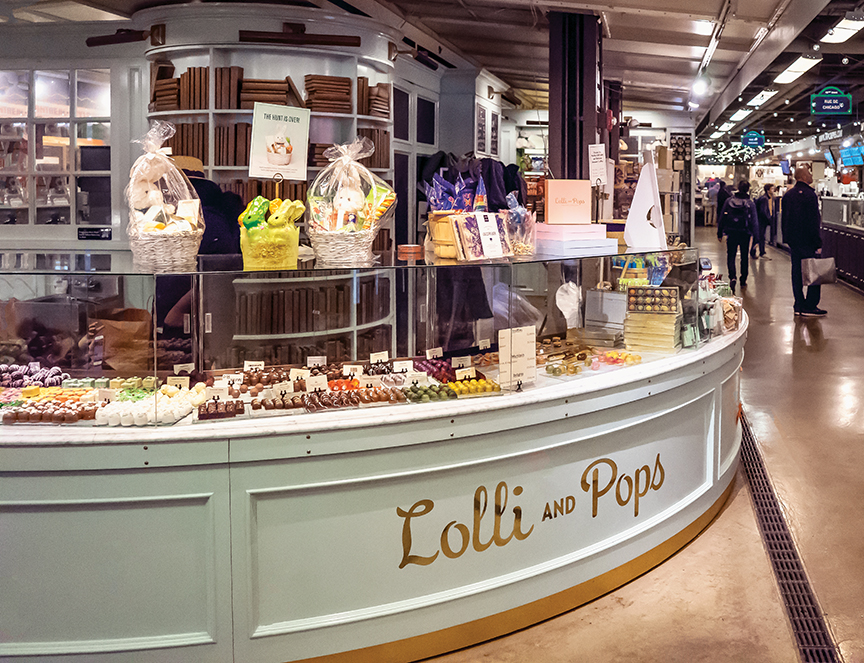
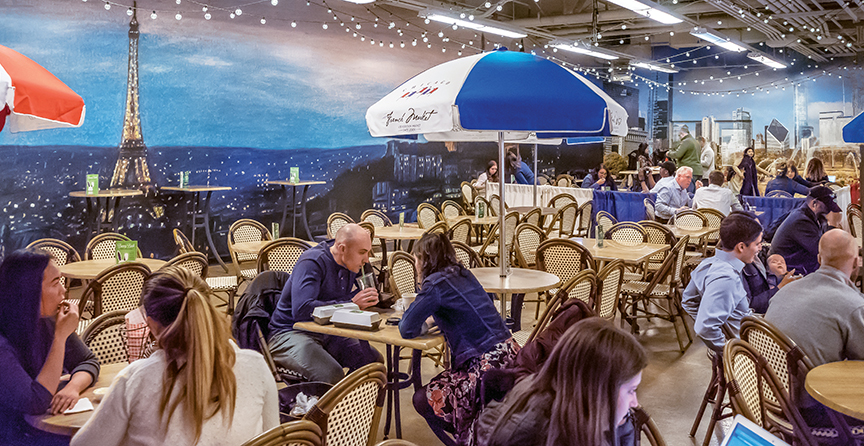
Photo by Lana Neiman  Chicago French Market (Chicago), www.frenchmarketchicago.com

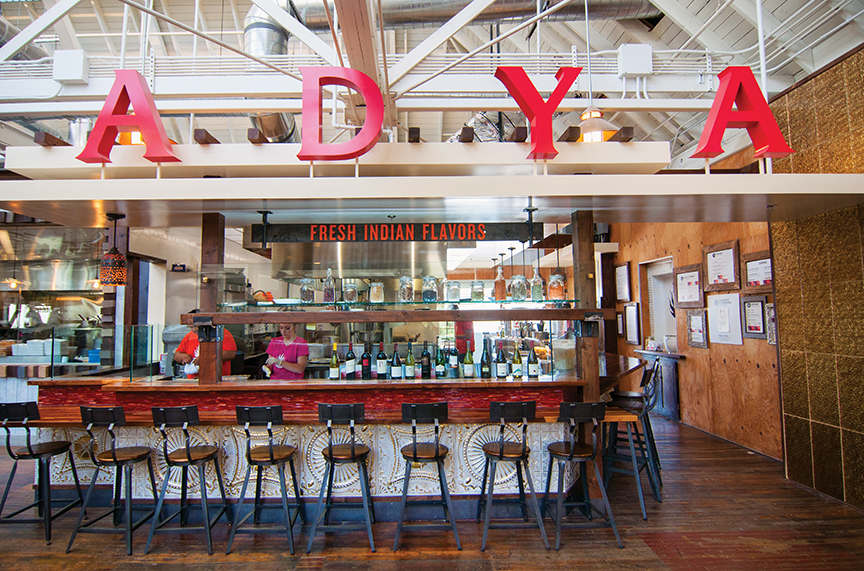
Photos courtesy of ADYA                  Latinicity (Chicago), www.latinicity.com             Anaheim Packing House (Orange County,CA),  www.anaheimpackingdistrict.com

Grand Central Market was a remnant from a bygone era until the gentrification of downtown L.A. attracted more sophisticated dining tenants. Old school butchers and taquerías remain, but now share space with chef-driven Prawn, Wexler’s Deli and Eggslut, a trendy food truck spinoff.

In suburban Orange County, California, the century-old Anaheim Packing House has been transformed into a food hall housing two dozen eclectic eateries beneath a galleria-style glass roof. At Adya, chef/partner Shachi Mehra tweaks authentic street foods from her native
India with fresh California accents. “There’s an energy that’s infectious and uplifting throughout the space, and I wanted to be located in a place that celebrates diversity,” she reports. “What makes the Packing House so special is its sense of community, which for many first-time owners like myself, is important,” adds Mehra.

Photos ©Kassie Borreson                                                                                                                            Ferry Building (San Francisco), www.ferrybuildingmarketplace.com

Eataly venues are so large (50,000-plus square feet) that virtually any Italian product — prosciutto to Pecorino, pappardelle to Pinot Grigio — that one desires to grab-and-go or consume onsite is found in unprecedented abundance. “When our customers visit Eataly, they realize that we’re not only a store, or only a restaurant, or only a cooking school. We’re all three under one roof, inviting everyone to experience high-quality food in 360 degrees as they eat, shop and learn,” says Eataly USA CEO Nicola Farinetti.

Photo by Lana Neiman

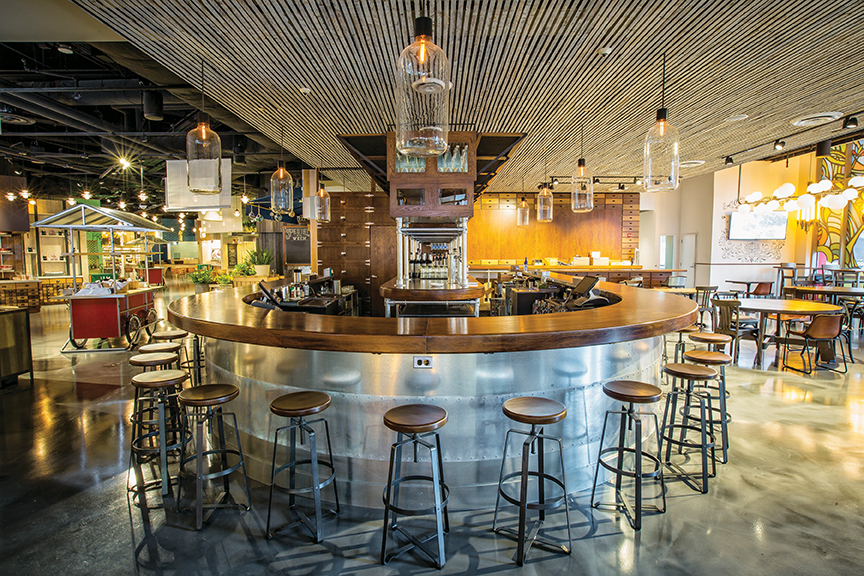
At Chicago’s Latinicity, the diverse flavors of Latin America (whether it be Lima, Buenos Aires or Mexico City) are offered at eight food stations and a sit-down restaurant. Founded by renowned Mexican-born chef/restaurateur Richard Sandoval, the concept was inspired by a market he visited in Colombia, reinforced by the success of Eataly. “I wanted the market to showcase approachable food,” says the owner of 50 restaurants around the globe. “I didn’t want to go high-end but back-to-basics with good home-cooked market foods,” explains Sandoval.

The Chicago French Market was the Windy City’s first food hall when it opened in 2009, and while it offers Camembert and pâté to-go or beef bourguignon to enjoy at a table, it is not exclusively French. It was designed in the spirit of Parisian markets, but its 30-plus vendors feature a global representation, ranging from Italy to Argentina, Japan to the American South.   

“There are so many different ethnic groups in Chicago, and this market brings them, even young people, back to their roots,” says owner/manager Sebastien Bensidoun, whose family is the largest operator of markets in Paris. Insisting the venue has equal appeal among billionaires and starving students, Bensidoun explains, “My philosophy is never to open a market only for affluent people. Everybody should be able to find something they can afford and enjoy.”

The Ferry Building, a distinctive Beaux-Arts landmark on San Francisco’s waterfront, has been converted into a long, linear food hall. Where commuters used to board ferries, foodies now browse organic produce or nosh at trendy eateries like Mijita, where acclaimed fine dining chef Traci Des Jardins nostalgically recreates Mexican street foods.

 Photo by Francesco Saoienza    Eataly (New York, Boston, Chicago, Los Angeles), www.eataly.com

The following article originally appeared in the Spring 2018 issue of ERA Real Estate Distinctive Properties Magazine.

Leave a comment

Travel Designers

The Internet may have killed the travel agent, but increasing demand for customized and curated experiences has created a new niche.

To some, “travel agent” may be a term of the past. Replaced in part by technological strides and the rise of the internet, travel agents have been in decline in recent years and that trend is set to continue over the next decade. Yet, a new class of travel experts altogether are gaining traction — travel designers, who offer high-end curated trips based on their own personal travel expertise.

“People spending a great deal of money on their vacations don’t just want a cookie-cutter experience. They want something really tailored to them, planned specifically for their likes and interests,” says Lia Batkin, co-founder of In The Know Experiences, a luxury travel and lifestyle agency in New York City.


Batkin and her husband and partner Seth Kaplan were inspired to enter the travel industry in 2007 after a disastrous trip to Argentina. “We enlisted someone to help plan a trip for us and that did not go so well. I realized it’s hard to rely on various recommendations and things you come across while planning on the web when you were truly looking for an elevated experience,” says Batkin. 


“For higher-end clientele, it’s not about the money — it’s about the time. This led us to believe that there was a gap in the market at the time,” says Batkin.

“Travel agents primarily sell based on either client instruction or on pricing. And often, they are booking things they haven’t seen,” says Doug Easton of Clelestielle, a Traveller Made-certified agency. “Travel designers, by contrast, are most assuredly getting the same benefits as agents, combined with an advanced degree of personal experience.

Principals of experiential travel company, Celestielle — Doug Easton and John Ziegler — personally visit each destination and stay at each hotel or property before they recommend it to their clients. Pictured here at Sala’s Camp in Kenya.


When it comes to experience, Easton and his partner John Ziegler are at the forefront, with visits to hundreds of countries and counting. “We started our company 13 years ago. Because we don’t have things that anchor us at home, we can be mobile for the whole year. It’s a crazy, nomadic life, but it pays off for our clients,” says Easton. “Our model is that we will sell anything that is luxury-based on client instruction. Yet, we would never propose to the client something that we’ve never seen. Anything we propose to the client is something we’ve visited or are in love with.”


Easton and Ziegler go on what they call “scouting trips” where they visit locations and hotels to inform their expertise. “We can see about 100 to 120 hotels in a year around the world. We keep something called the ‘to-visit list’ that has about 3,600 hotels on it,” he says. “You don’t want to buy anything from someone who doesn’t know what they’re selling. How can I plan a trip for you to a country without ever going there?”

A combination of personal experience and decision-making is what urges clients to seek out luxury travel designers to send them on a wonderful journey. Yet, it’s not always about the nicest hotel or the most luxurious place to stay, but rather the off-beaten path.


“It’s about traveling with intention, not just to share on social media,” says Michael Bennett, executive vice president of Nomad Hill, a Houston-based travel design company. “It’s about acquiring a perspective shift. The only reliable source of action is how to see the world, and travel can shift the way you see it.”

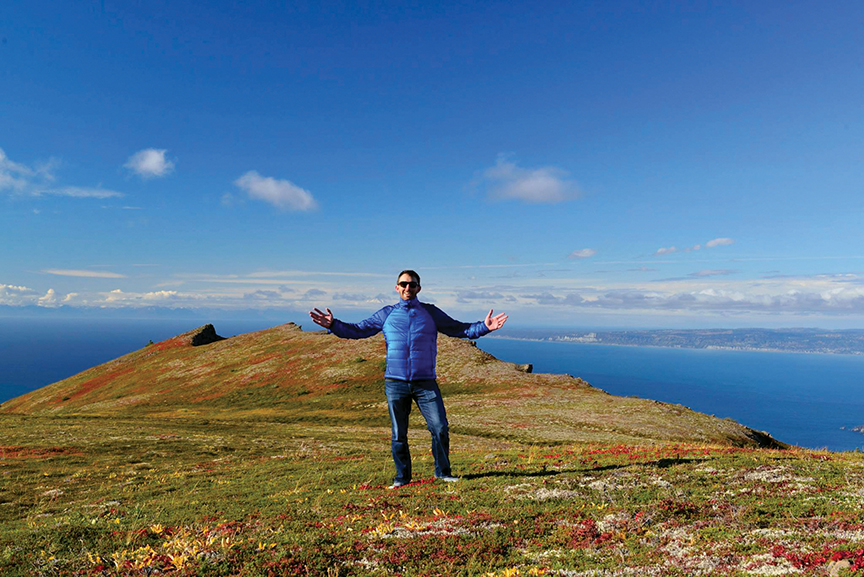
Michael Bennett, Executive Vice President of Houston-based travel design company Nomad Hill exploring in Alaska.


Bennett, who completed his doctorate concerning travel studies, helped establish the term “transformational travel” and utilizes his knowledge while crafting trips for his clients. “I explored people who had self-changing travel experiences and analyzed them and stories to see if there were things in common, and there were.”


Beyond location, travel designers also understand the mechanics of what makes trips memorable. Bennett seeks to bring variation to his custom itineraries, seeing the importance of fantastic on-the-ground guides, food and opportunities to meet people.


“We want to make sure that clients are getting to see what they want, but we also want to make sure they get out and explore,” he says. “So we intentionally craft spots that provide a good challenge.” This may include an engaging activity such as shark-cage diving, followed by a relaxing wine dinner. “Another thing I always try to bring in for my clients is to make sure they have ample down time. Time for reflection, journaling or prayer. Making sure that their days are exciting but not overly packed.”


“Everything is seamless down to the car service for you,” says Batkin. “Service also includes a dedicated person while you’re away 24-7. At times we get alerts that connections to flights were cancelled, so we go ahead and handle that mid-flight, change their hotel and give them a full brief when they land.”


“A lot of it is also managing expectations,” adds Easton. “For instance, if you’re visiting Jordan, there may be only okay places to stay, yet the areas are magnificent and completely justify the visit. And we let you know that.”

But in the end, it truly is about curating a life-changing experience for clients. “Research says that there is a peak/end model, in that essentially people will remember trips by one to two things that happened. But also, how it ends is important,” says Bennett. “You can have an amazing trip, but if something goes wrong on the last day, subconsciously it’s going to color your impression when you think about it a week, a month or a decade later. It’s really our job to make sure we don’t leave anything hanging in the end.”

Photos courtesy of Celestielle & Micahel Bennett

The following article originally appeared in the Spring 2018 issue of ERA Real Estate Distinctive Properties Magazine.

Leave a comment

Private French Polynesian Island Listed for $42 Million

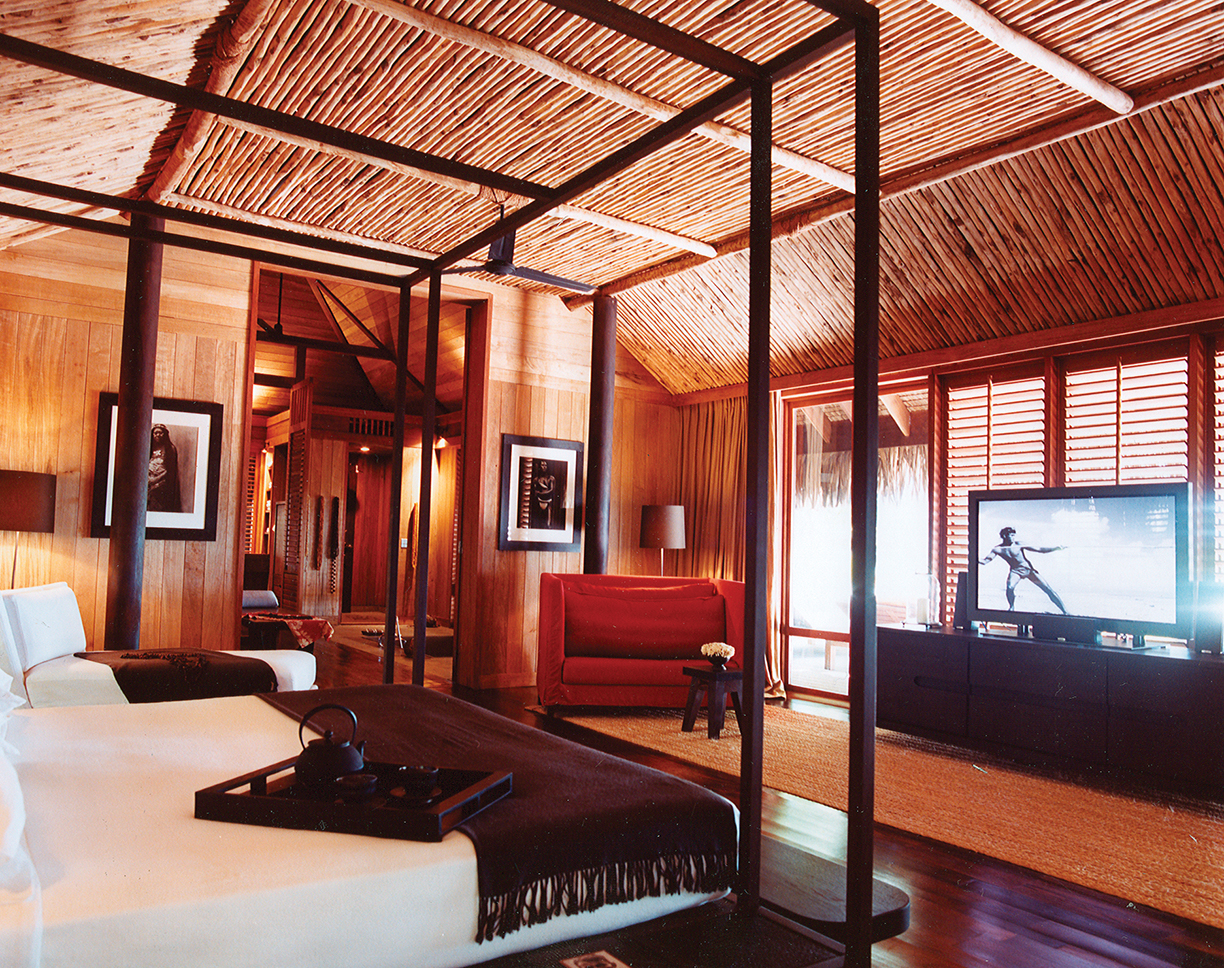
Motu Tane, a 9.6-acre private island located in the lagoon of Bora Bora, is dotted with 1,500 coconut palms and native flora, and 22 separate structures to create a remote, garden-like retreat.


Owned by cosmetics mogul François Nars, Motu Tane features two luxurious 2,500-square-foot suites, each with a sunken lava bathtub, shower and dressing area, as well as panoramic views to the garden, the beach and the main island.


“The island is a uniquely realized meld of striking natural beauty, world-class beaches and dream-like views, complemented and enhanced by the visions of François Nars, Parisian landscaper Pascal Cribler and interior designer Christian Liaigre, who together created the ultimate luxury retreat,” says listing agent Bob Hurwitz of Hurwitz James Company.


Throughout the island are nine beach bungalows to accommodate up to 20 guests, a library with Polynesian art and artifacts, a photography studio, a chef’s kitchen featuring commercial-quality equipment and two staff quarters. The great room, perfect for small gatherings or formal entertaining, and the adjacent dining area featuring extra-large, custom-made tables, are surrounded by the garden. Custom-crafted furniture made from rare tropical wood and natural fabrics can be found in rooms throughout the island, listed at $42 million.


“Traveling is my longtime passion and I have both marketed and vacationed on some of the most beautiful and pristine properties on earth,” says Hurwitz. “This includes a large number of jaw-droppingly beautiful islands. Among the many privately owned islands I have visited, Motu Tane stands alone at the top of the list.”


“For the rare individual who has the money to buy whatever he or she wants and has already done so, there still remains Motu Tane. Anyone who can afford it and visits it will buy it,” says Hurwitz. — Kelly Potts

Photos courtesy of Hurwitz James Company

Comments Off on Private French Polynesian Island Listed for $42 Million

French Romance: 33-Acre Estate Inspired by France

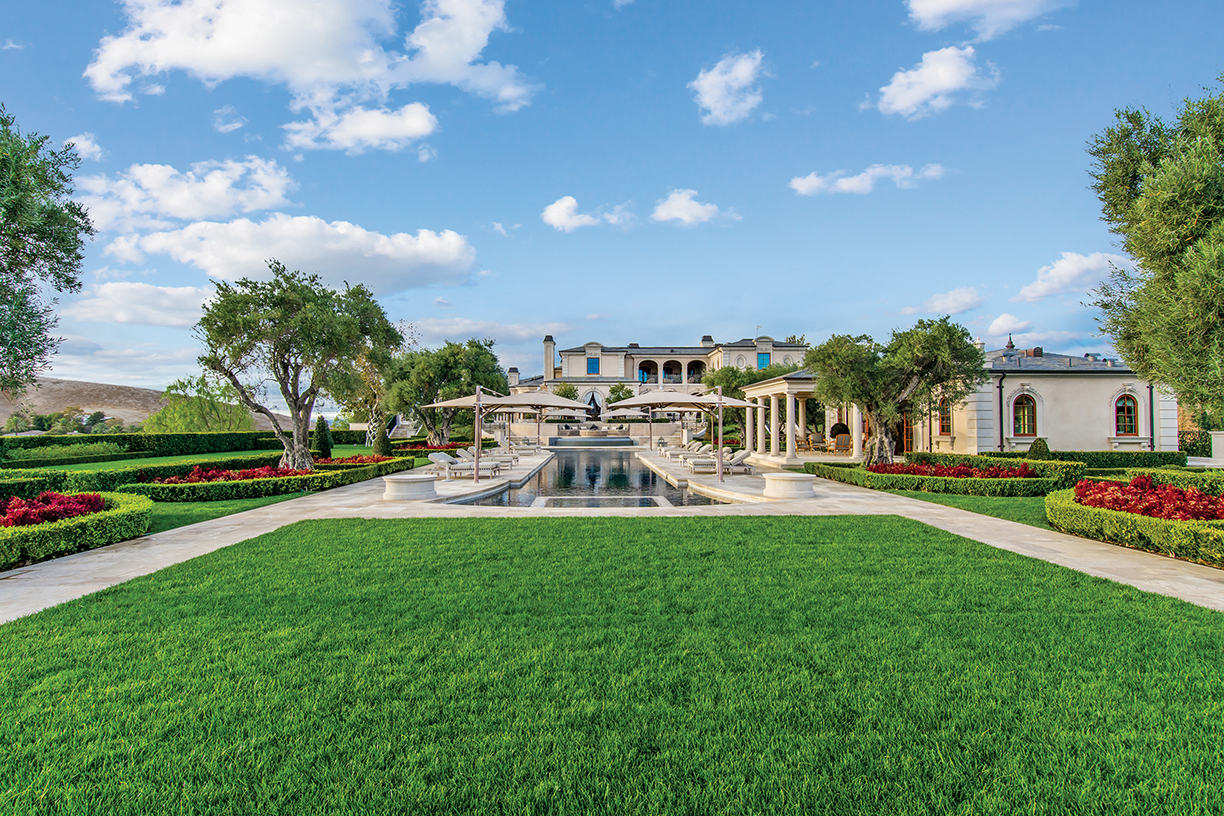
Few estates can be considered a work of art, but arrive at the property featured on our cover and you find it takes a moment to take it all in. Ducks paddle in front of an antique millhouse next to a quarter-acre pond. Vine-covered bridges and stone paths twine among four cascading ponds. The setting is as idyllic as Monet’s gardens that inspired the landscape.


No matter where you are on this property, you are surrounded by beauty, along with blue skies and rolling mountain panoramas that comprise 360-degree views. Finding an estate so meticulously orchestrated is rare; even the hues of the roofs merge into a larger palette.


Inspired by the French Romantic period, the main house was completely reimagined three years ago when additional parcels were also acquired to transform the entire property into an ultra-private, 33-acre compound. Every finish is exquisite, superbly paired with the setting and endowing each space with a vibrant but balanced aesthetic. Even the kitchen, designed to evoke a French bistro and backed by professional chef’s kitchen, reflects the design inspiration, as do the parterre gardens and formal landscaping.


“What is especially remarkable about this property is everything you might not notice initially,” says Jordan Cohen, estate director for RE/MAX Olson and Associates in Westlake Village, who is the No. 1 RE/MAX agent in the U.S. The interplay between buildings and the land is dynamic but subtle. Off to one side lies an organic farm and orchard. From the main house, gardens and one of the two pools stretch out toward distant views. A pool house becomes the setting for an extensive spa including a Himalayan salt room. A second pool is adjacent to the 11,000-square-foot guest house.


Privacy and infrastructure were prime objectives in the creation of this property. The guard-gated entry road is part of the property and completely secure. A sagacious purchase of water rights, almost priceless in California, resulted in two municipal-quality 1,000-foot wells on the property. When viewed from the perspective of art, the $85 million offering price might be considered a bargain for a masterpiece of this magnitude. — Camilla McLaughlin


Photo courtesy of RE/MAX

Comments Off on French Romance: 33-Acre Estate Inspired by France

Making A Blanket Statement

Statement throw blankets are the perfect way to seasonally decorate, soften a space, and bring a personal touch into any room.


Is there anything quite as tempting as curling up on the couch with a soft blanket?

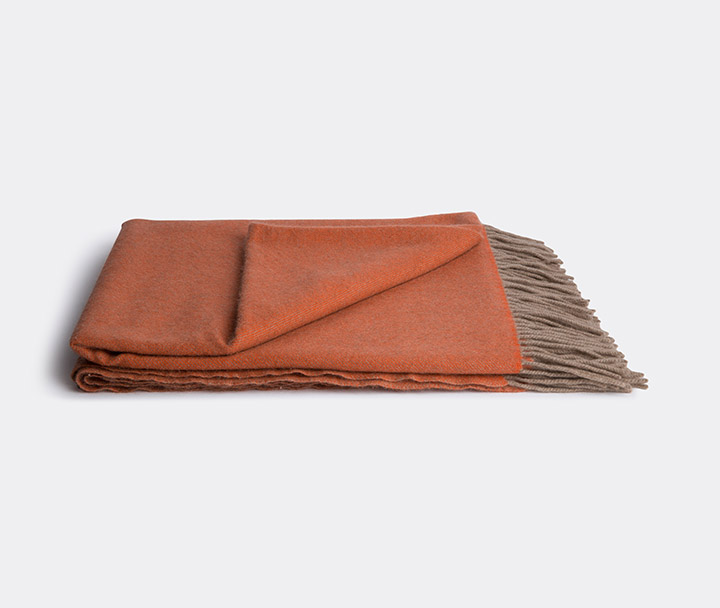
Throws are functional and don’t crowd a space as other bulky blankets might. With the right design, fabric, and color, throws are an easy way to spruce up your decor without committing to major design changes.
Ditch boring blankets for exciting prints and cozy materials. A thoughtfully placed throw can lighten a room for summer or bring a pop of color in the winter.

Stretching a few plush throws across any bed or couch can add layers and a decorative touch. Layering is a great way to mix and match designs and add complexity to your room. The additional warmth is an easy way to spruce up your everyday furniture. Pairing throw blankets with metal furniture or placing them against other sharp surfaces can create a contrast that will entice visitors to stay awhile.

Choosing different fabrics are another way to make a statement when selecting a new throw. Ultra soft or simple comfort can help set the atmosphere of a room.


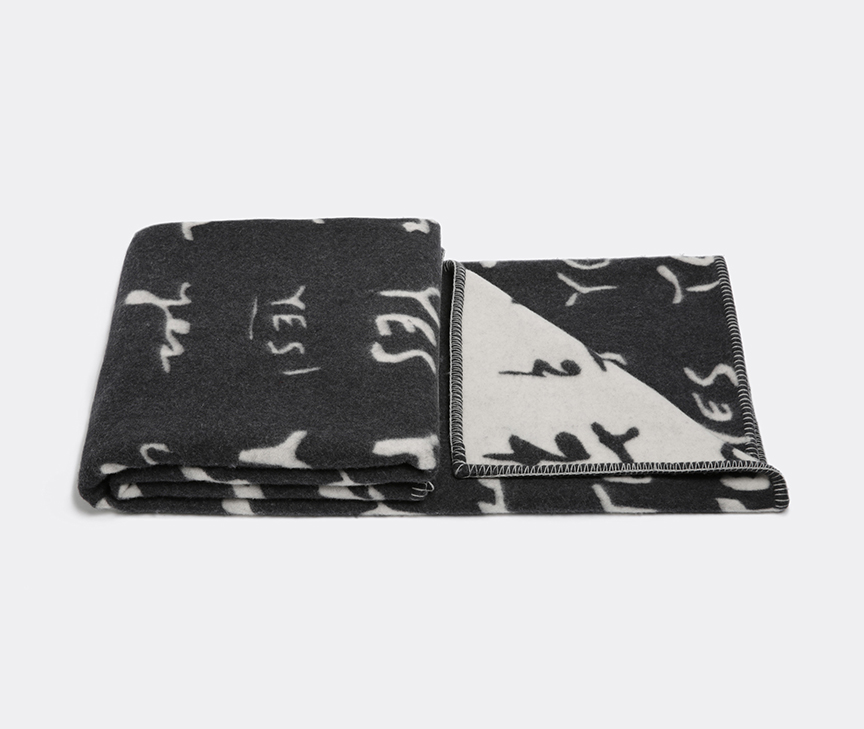
Massimo Alba’s ‘Yes Yes Yes’ blanket and Coralie Miessen’s ‘Home’ blanket are fun ways to personalize your home.


And Oyuna offers a cashmere option known as the ‘Uno Throw’ that will encourage a lazy afternoon full of lounging. After relaxing, the ‘Uno Throw’ can be casually folded across bench seating to invite guests.

Photos courtesy of WallpaperSTORE*  store.wallpaper.com

Comments Off on Making A Blanket Statement

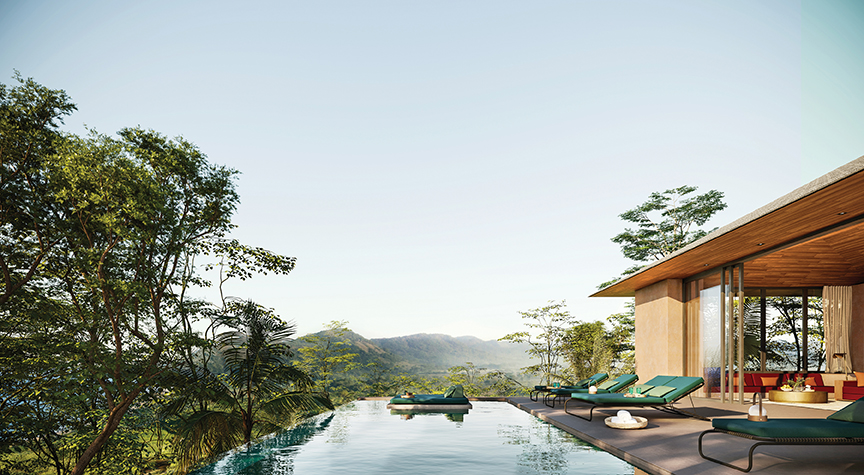
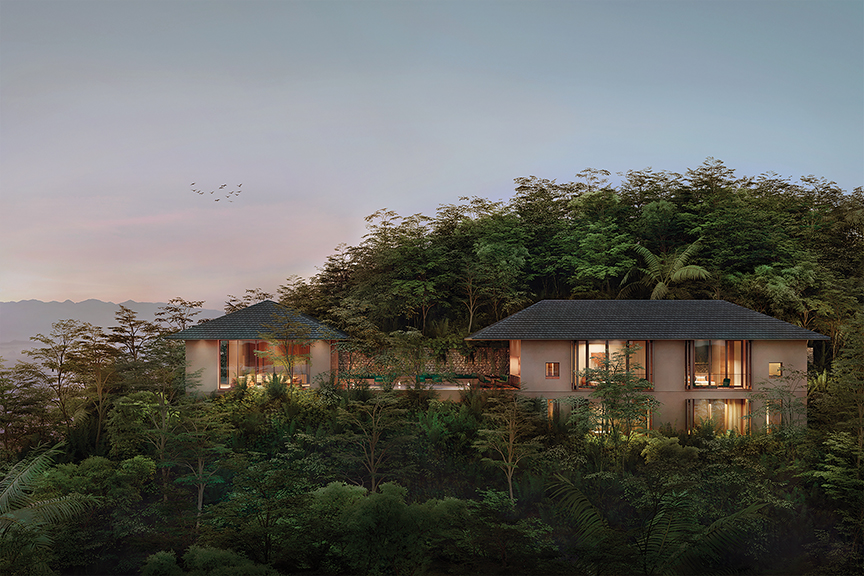
On Location: One&Only Mandarina

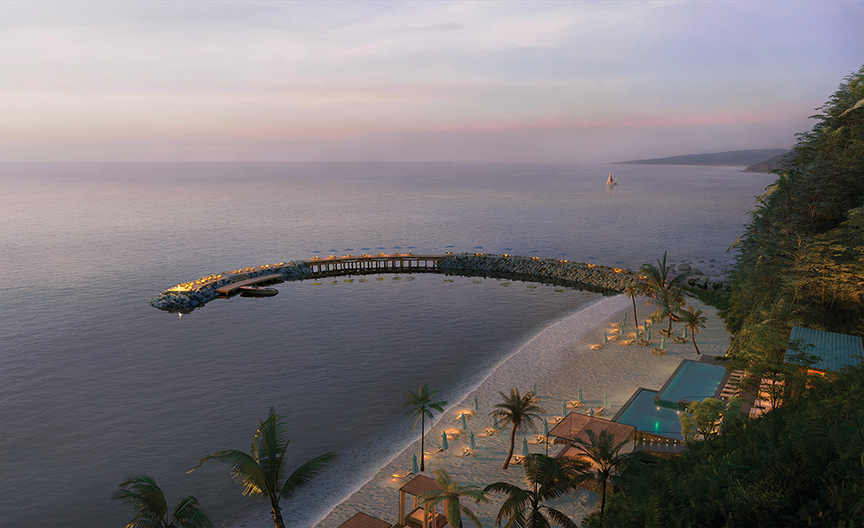
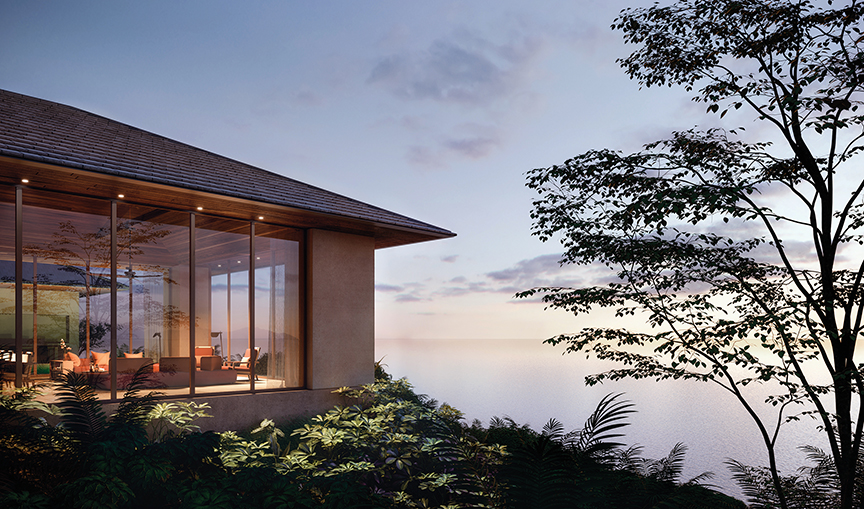
An hour outside Puerto Vallarta’s International Airport along the western coastal state of Nayarit, Mexico, is the future site of Mandarina, a new, exclusive resort that will feature hotel suites, one of the world’s first collections of One&Only branded residences and other world-class amenities. Unique Homes was able to get a behind-the-scenes look at the site of this future resort.

Entering the site of Mandarina is like stepping directly into a tropical jungle, surrounded by the sounds of native creatures and the crashing waves along the Pacific coast. The road leading toward Mandarina is outlined by plots of farmland owned by local farmers from the region. Fields of fruits and vegetables dictate the way, the spikes of the rising pineapple plants standing tall like knights in verdant green armor. Even taller than the pineapples are the amazing mountains that serve as the natural border of the valley, as well as a nature sanctuary for hundreds of jaguars, a nationally protected animal of Mexico.

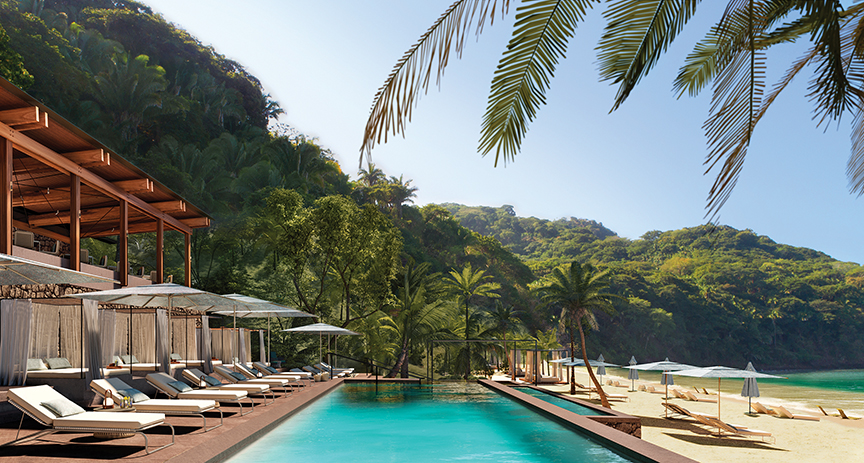
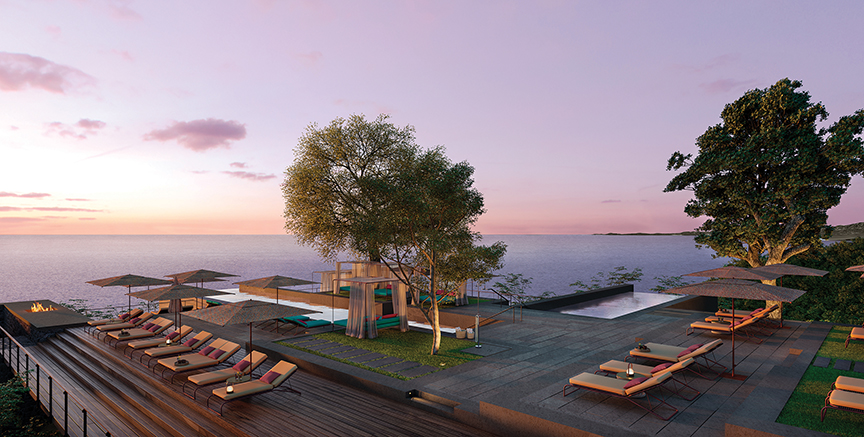
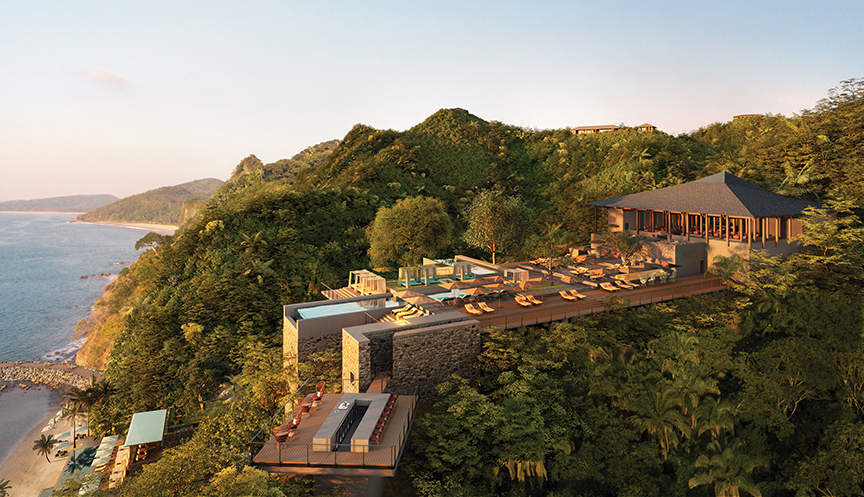
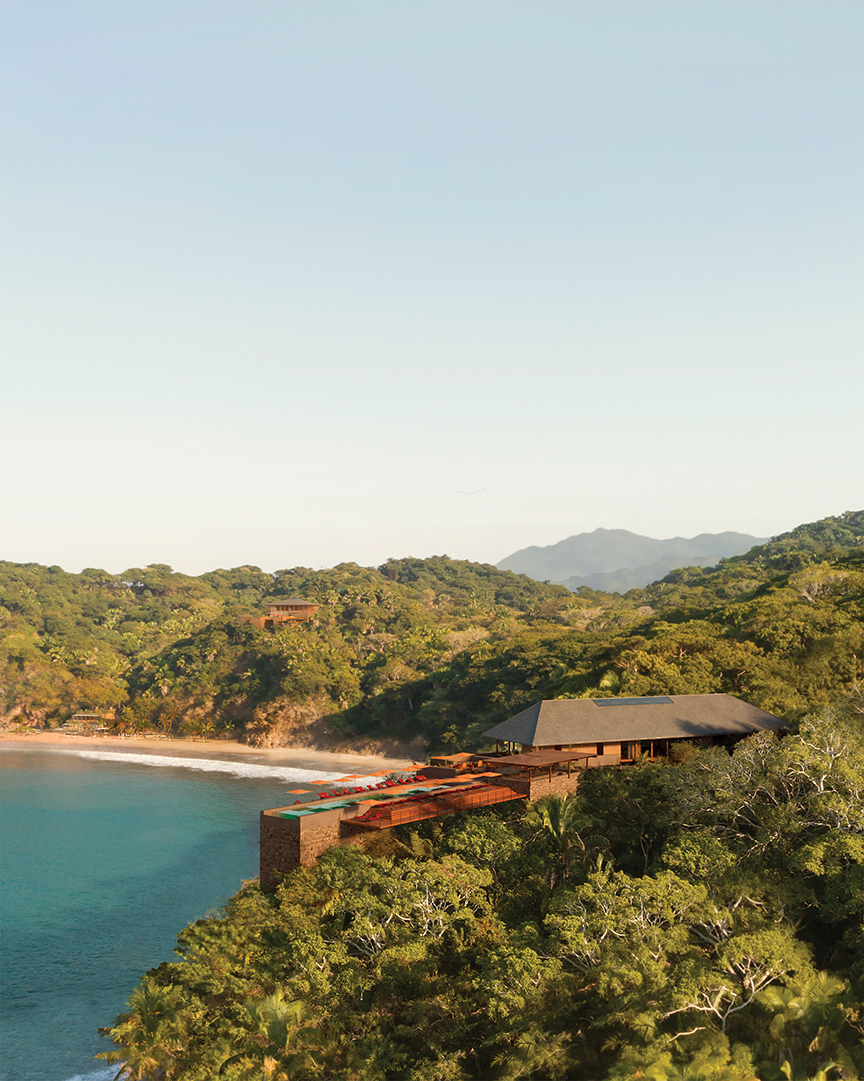
Up through the mountains, we walk through an almost prehistoric forest with deep-rooted trees that stretch high into the jungle canopy. This area, a soon-to-be Kid’s Club, will host educational programming for children and families to learn about nature, geography and history with the inclusion of tribal markings on stones throughout the mountains. Eventually we make our way to The Point, a high ridge on one of the main mountains and the future site of an adult-only destination on the resort with exquisite indoor-outdoor dining experiences. From here the entire landscape is laid out perfectly in front of us, from the Jetty that will extend in front of the One&Only Majahua Beach Club for residents to harbor and set off on sea-faring endeavors. On the one-mile stretch of beachfront between the One&Only and Rosewood resorts will be the Canalan Beach Club with a beachside swimming pool and casual dining.
“It is very rare to find a landscape with so many unique and diverse ecosystems,” says our host Ricardo Santa Cruz, RSC president and CEO. RSC Development was enlisted by RHL Properties to oversee the sales of the developments on Mandarina, including the collection of One&Only Private Homes and Rosewood Mandarina residences.
“Mandarina was shaped thousands of years ago by a long-dormant volcano, creating dramatic cliffs amongst a dense rainforest, long stretches of sandy, swimmable beaches, flatlands and a natural estuary all in one place.” Juan Bremer, deputy CEO of RHL Properties, notes that one of the resort’s most unique and exceptional offerings is the world-class Polo and Equestrian Club that will sit within the flatlands of the property. “Capturing the equestrian spirit that is deeply rooted in Mexican culture, Mandarina’s facility will be a place where riders of all ages will gather, learn, practice and compete,” says Bremer.

Top photo: Rendering of Majahua Beach Club; Bottom photo: Rendering of The Jetty.

Apart from certain sections of the site that are already under construction, a large part of the property is waiting to be developed, which according to Santa Cruz will be done in stages, coinciding with the sales of the 55 One&Only Private Homes. Santa Cruz has been working and negotiating with citizens and authorities within the region for more than 10 years to acquire the land for Mandarina, an endeavor that has formed a closer relationship between Mandarina and the local towns along the coast. These relationships are a deeper reflection of RHL and RSC’s focus on the land and keeping the resort and residences as authentic to the region as possible.

Authenticity was a main priority to Santa Cruz and the development team, so much so that the resort’s amenities consistently reference the land’s history and natural beauty. For example, the fertile plots of farmland lining the road to the property will offer locally grown produce for a farm-to-table experience at the restaurants at The Point and beach clubs.

“We have set out to create a destination that is at once, respectful of the past and mindful of the future,” Santa Cruz affirms. “Through careful, very low-density land planning, Mandarina will preserve the topography, native flora, wildlife and ecosystems that currently thrive here.”

Rendering of the lounge area of The Plateau.

The architect of Mandarina, Rick Joy of Rick Joy Architects, has had a hand in every meticulous detail throughout the design process to ensure this sense of authenticity, with climate responsibility and landscape sensitivity also in mind. “At Mandarina, the design stems from a detailed site analysis, investigating the geology, climate, views, availability of local materials and ‘the building culture of place.’ The result is architecture that is at one with the site and its heritage,” says Santa Cruz.

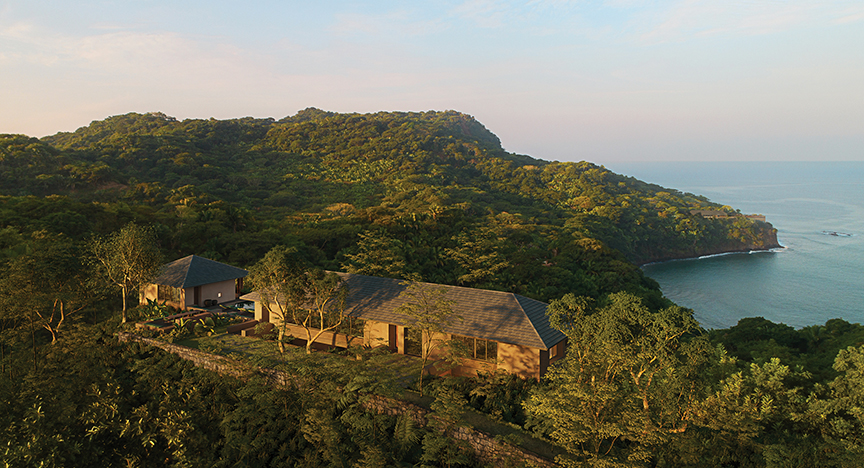
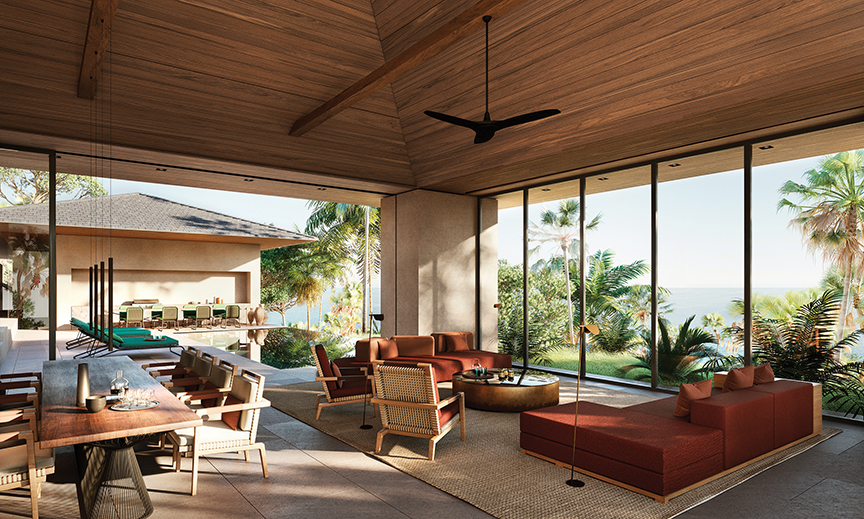
Renderings from the One&Only Mandarina villas.

In Mandarina, every terrain you set foot on and every view your eyes capture is different from the next, a variety that is not only unique but engaging. RHL and RSC understand the need for unique experiences and tailored luxury and aim to prove with One&Only Mandarina how to engage not only in luxury, but with the physical world around us.

Top left photo: Rendering of One&Only Mandarina villa ; Bottom left photo: Rendering of the Plateua ; Right photo: Rendering of The Point.

All images courtesy Hayes Davidson and Mandarina.

Comments Off on On Location: One&Only Mandarina

Austin Architects embrace eccentricity and dynamism

The Lone Star State’s forward-thinking, artsy capital has its own distinct personality, one that fuels imaginative residential architecture.

By Roger Grody

Photo courtesy of Patrick Wong/Atelierwong.com

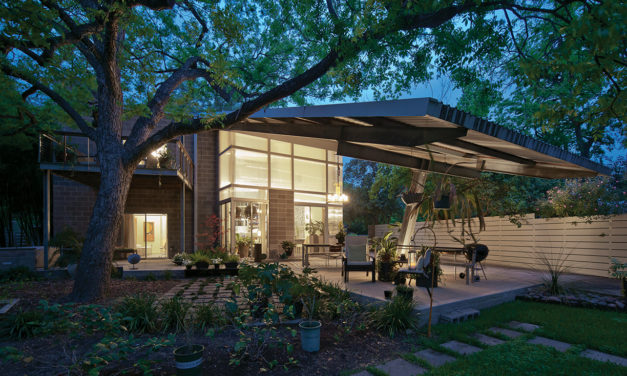
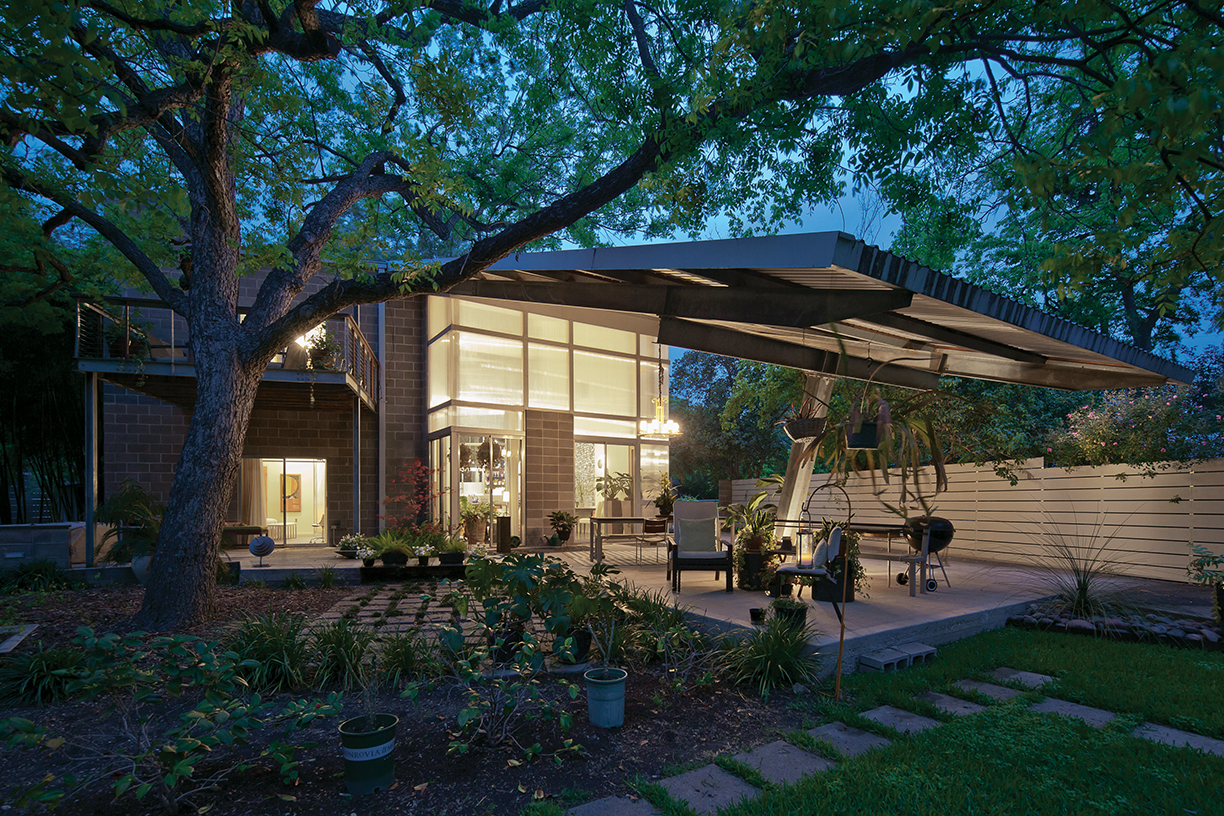
Austin is unlike any other city in Texas, and its residents proudly embrace an eccentric, defiant attitude. A vibrant music scene, progressive politics, trendsetting cuisine, and a technology-driven economy make this metro area of two million one of America’s most dynamic. It comes as no surprise, therefore, that Austin has developed its own exciting architectural traditions.

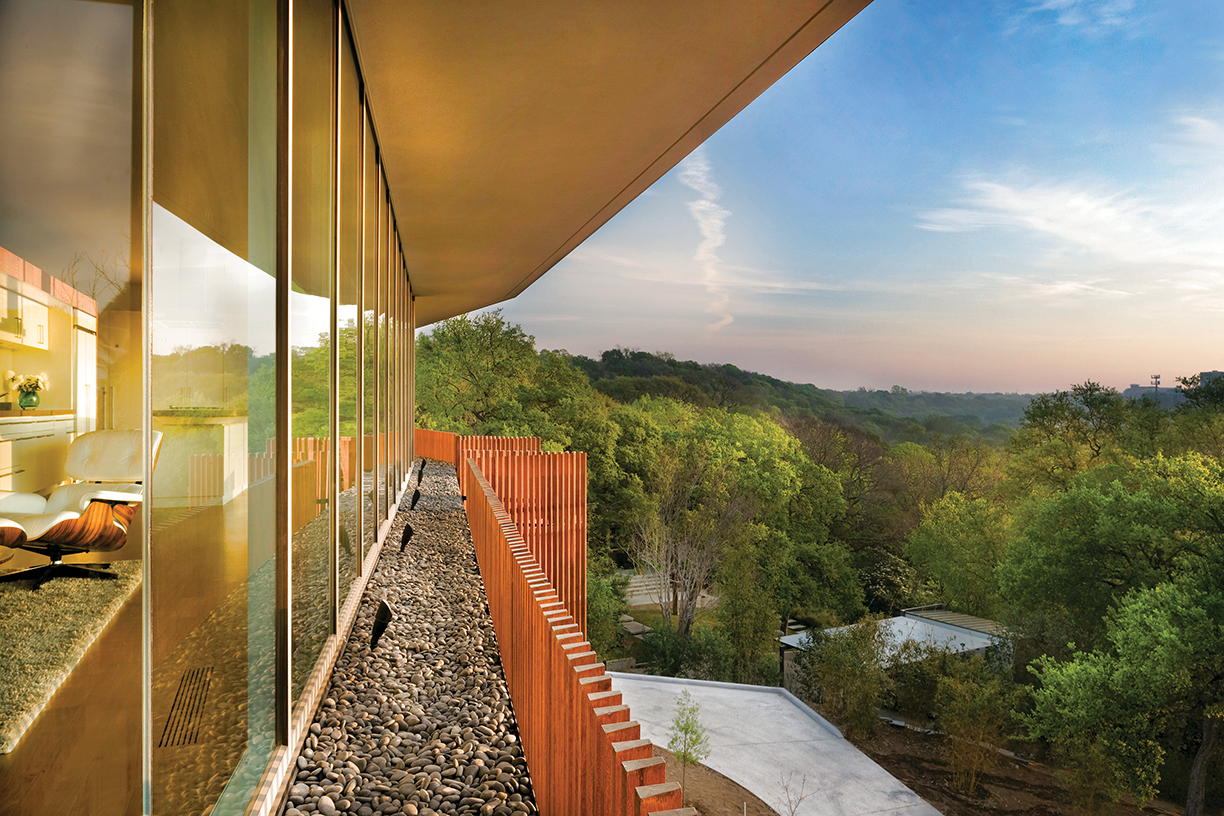
Kevin Alter, founding partner of Alterstudio Architecture and the Sid W. Richardson Centennial Professor at the School of Architecture at the University of Texas (UT) in Austin, suggests the city is developing a strong tradition of modernism. He reports that 20 years ago there was little interest in the movement, but modern architecture’s ability to connect to the outdoors — it suits the region’s scenic Hill Country nearly year round — has endeared it to Austinites. He also cites attitudes of new residents from other regions of the country (Alter himself is a transplanted New Yorker), the draw of UT and a growing technology industry presence as fueling modern design.

“There are a lot of very good architects in the city, given its relatively small size,” says Alter, asserting there is more interesting residential architecture in Austin than in the giant metropolises of Houston and Dallas. “There’s also a youthful optimism in Austin, so people aren’t looking back in history for inspiration.” Contrasting Austin to more traditional, less architecturally tolerant cities, Alter suggests, “Because of that optimism, there’s not a ‘looking-over-your-shoulder’ mentality here for property owners interested in building modern residences.”   

Photo courtesy of Paul Finkel

Real estate broker Brian Linder is a licensed architect and founder of The Value of Architecture, a multi-city network of real estate professionals specializing in architecturally significant homes.

After establishing that niche in Los Angeles, Linder expanded his practice to Austin, appreciating both its family-friendly lifestyle and wealth of exceptional architecture. “Buyers here are willing to pay a significant premium for homes designed by signature architects,” says Linder.

The specialty broker reports one the most desirable neighborhoods in Austin is the trendy South Congress (SoCo) district, where the original housing stock is being replaced with exciting modern architecture. “The area is popular with urban expats from cities like New York, San Francisco and L.A., and buyers are taking their accrued appreciation from those places and investing in good design,” says Linder.

Representative of the top architectural firms in town are Bercy Chen Studio, Jay Hargrave Architecture, Chioco Design, and Minguell-McQuary Architecture.

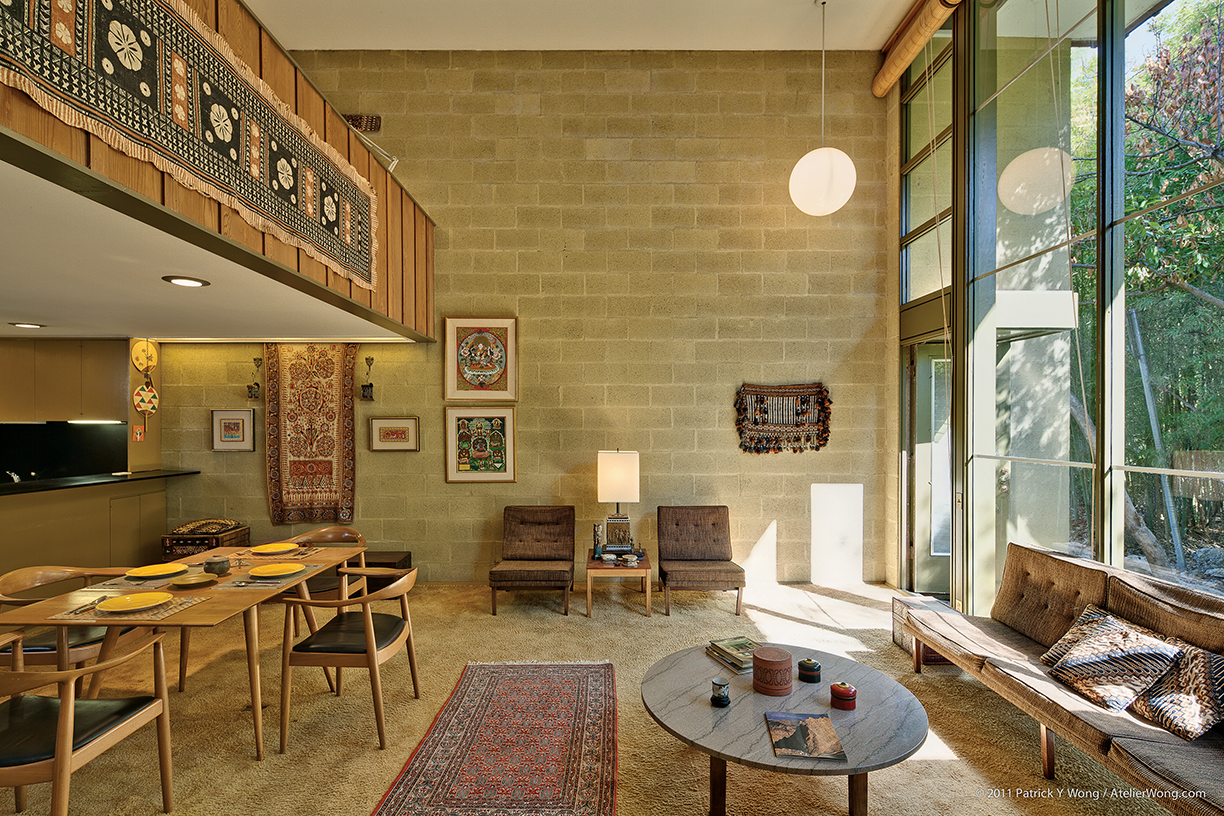
Austin architects, according to Linder, soften the sometimes austere modernism found in L.A., noting their work emphasizes texture through incorporation of native materials. “Elements like site-gathered stone and reclaimed lumber or brick add a more human scale defined by those materials,” he says. While modernism is becoming the city’s preferred style, there is also ample demand for contemporary farmhouses, a theme promoted by local developers.

One of the priciest current listings in Austin is a striking modern home encompassing 5,400 square feet of living space, offered at $8.5 million. The design, from prominent local firm Dick Clark + Associates, features panoramic views of the city skyline through 60 feet of retractable floor-to-ceiling glass in a living area that opens onto an infinity-edge pool.

Offering a distinctly different lifestyle is a 558-square-foot penthouse-level condominium at the Seaholm Residences in downtown Austin, listed at $399,000. Built on the site of a former power plant, this project helped energize demand for high-rise living in Austin and The Independent, designed locally by Rhode: Partners, will be the tallest residential tower west of the Mississippi when completed. Professor Alter reports that as recently as 2005, investment in downtown condominiums was anemic, but young professionals now arriving in town relish the city center.

“We want to make sure we create spaces that fit our clients, beyond aesthetic or stylistic preferences, beyond basic function,” says Sean Guess, founding principal of the Austin firm Faye and Walker. While he does not view his work as reflecting a particular signature, Guess is among those talented young architects contributing to Austin’s evolution as a city increasingly identified with modern design.

“I tend to focus on the essence of a form, stripping away extraneous information, and carve out spaces from those fundamental forms,” says Guess. Raised in nearby Temple, Texas, Guess suggests that despite Austin’s reputation as the Lone Star State’s least-Texas place, the city’s spirit of risk-taking and independence — certainly reflected in its architecture — is very much the product of the Texas ethos.

“This is a very eclectic community that attracts a great variety of people and backgrounds, which results in creativity and diversity in its architecture,” says Guess of Austin. Among the architect’s acclaimed projects is the home he designed for his own family, dubbed the “Elephant House” because its wrinkled grey corrugated fiber-cement facade is evocative of elephant hide. Some interior walls are clad in clear-coated plywood, making Guess’ novel use of everyday materials reminiscent of Frank Gehry’s early work.

Photo courtesy of Patrick Wong/Atelierwong.com

“I appreciate modern architecture that reflects tasteful, principled design,” says Linder, who is less inspired by facsimiles of Tuscan villas. He is kept increasingly busy in the Texas capital, as Austin’s exceptional architects work overtime to meet demand from buyers with a passion for innovative residential environments.

Leave a comment


America’s Most Expensive Homes
Alabama Real Estate | Alaska Real Estate | Arizona Real Estate | Arkansas Real Estate | California Real Estate | Colorado Real Estate
 
Connecticut Real Estate | Delaware Real Estate | Florida Real Estate | Georgia Real Estate | Hawaii Real Estate | Idaho Real Estate
 
Illinois Real Estate | Indiana Real Estate | Iowa Real Estate | Kansas Real Estate | Kentucky Real Estate | Louisiana Real Estate
 
Maine Real Estate | Maryland Real Estate | Massachusetts Real Estate | Michigan Real Estate | Minnesota Real Estate | Mississippi Real Estate
 
Missouri Real Estate | Montana Real Estate | Nebraska Real Estate | Nevada Real Estate | New Hampshire Real Estate | New Jersey Real Estate
 
New Mexico Real Estate | New York Real Estate | North Carolina Real Estate | North Dakota Real Estate | Ohio Real Estate | Oklahoma Real Estate
 
Oregon Real Estate | Pennsylvania Real Estate | Rhode Island Real Estate | South Carolina Real Estate | South Dakota Real Estate | Tennessee Real Estate
 
Texas Real Estate | Utah Real Estate | Vermont Real Estate | Virginia Real Estate | Washington Real Estate | West Virginia Real Estate
 
Wisconsin Real Estate | Wyoming Real Estate

Style Selector
Select the layout
Choose the theme
Preset colors
No Preset
Select the pattern