All posts by Unique Homes Staff

Living The Dream

With hand-crafted and hand-tailored pieces made in Portugal with the finest materials available, Circu designs creative, extravagant, high-quality, colorful yet sophisticated pieces, allowing children to take their imagination on a playful journey without ever leaving home.

“Every child’s room will shine even brighter with Circu’s latest and most unique pieces. Designed with care and dedication, they are the ideal reflection of comfort and well-being for children.” says brand CEO,
Carolina Costa.

Circu proclaims to build “under a dream,” that dream being to, “allow children to live their own fantasies and create a magical world for them to fly under an imagination that has no limit.” The company’s core values, magic, purity, naivety, color, and soul, are present in each and every piece it creates, giving children an exciting experience with every design.

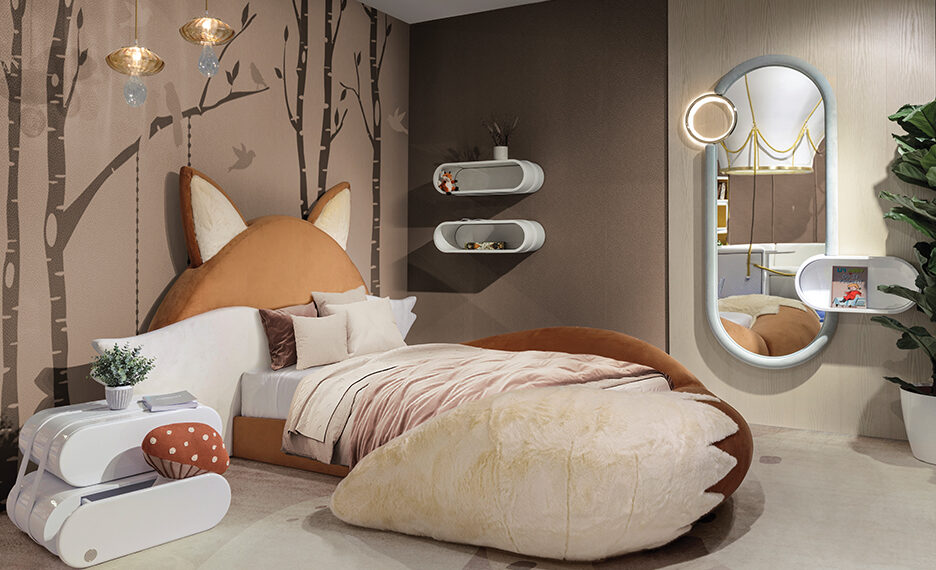
The Vixey kid’s bed (pictured in the blog cover), inspired by the beloved 1981 Disney classic “The Fox and the Hound,” provides both comfort and wonder to little slumberers. Vixey resembles a giant fox with warm orange tones, complete with a fuzzy tail, making it a fun and dreamy essential piece for little adventurers and zoologists alike to curl up and enjoy a peaceful rest.
Cloud Cradle

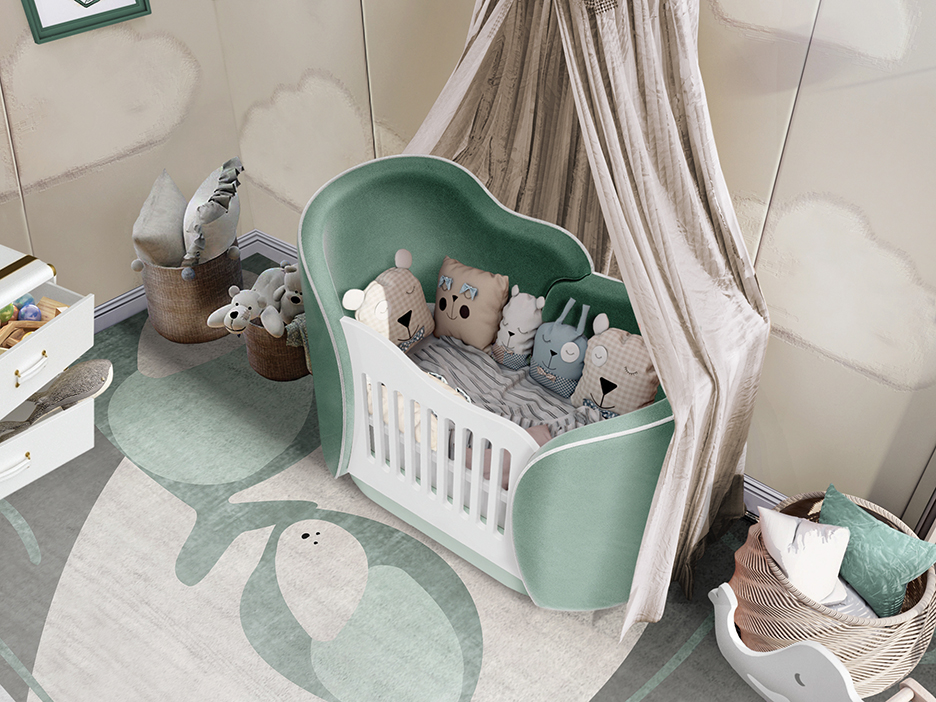
Circu has recently ventured into the world of babies with the Cloud Cradle — a maximum security, dreamy piece providing babies with a peaceful sleep in a unique and stylish crib.
Lotus Armchair

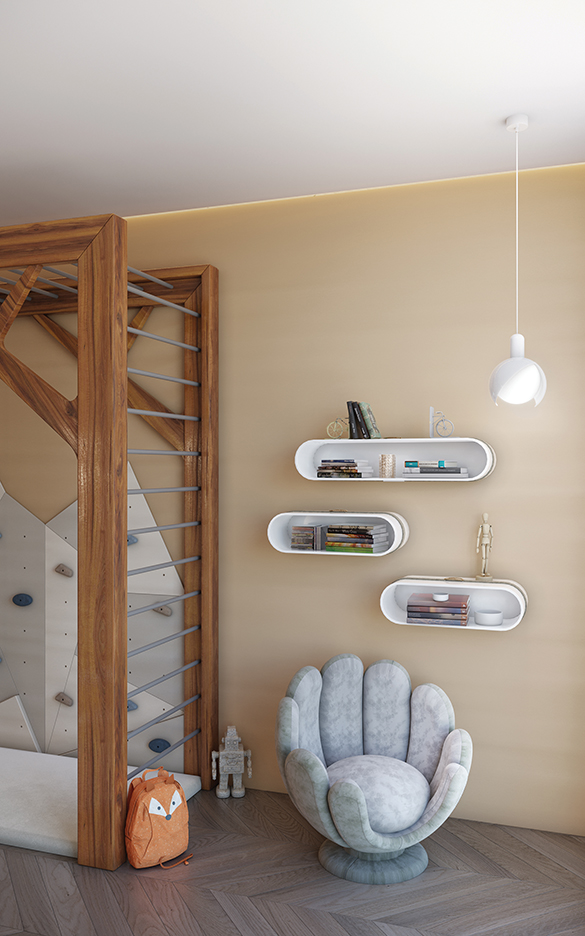
The Lotus Armchair acts as a statement piece while maintaining maximum comfiness. Inspired by the Lotus flower, this chair acts as a perfect reading corner seat or a soft spot for little ones to unwind.
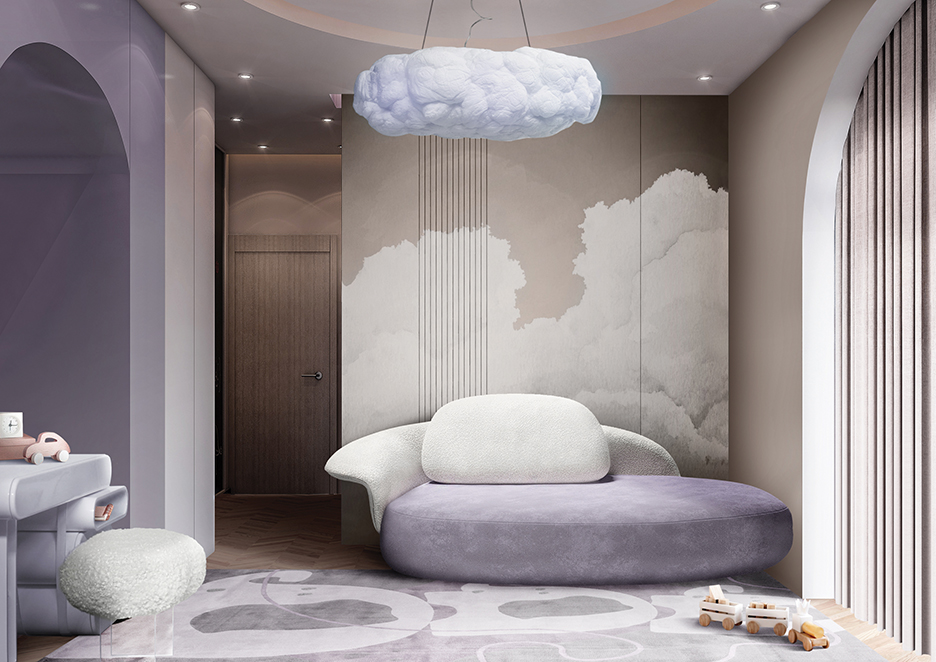
Cloud Lamp

Lewis is a brand new, cozy series of seating designed to “provide a touch of class, as well as a feeling of mysticism and magic, through their elegant curves.” The purple accents paired with the unique shapes and structures aim to add an element of trendiness to these plush pieces that are sure to beautify any room.

Lighting doesn’t have to be basic with these eccentric Periwinkle Suspension lamps. Available in different formats, all inspired by the small Periwinkle flower, these lamps will bring life to every corner of the room.
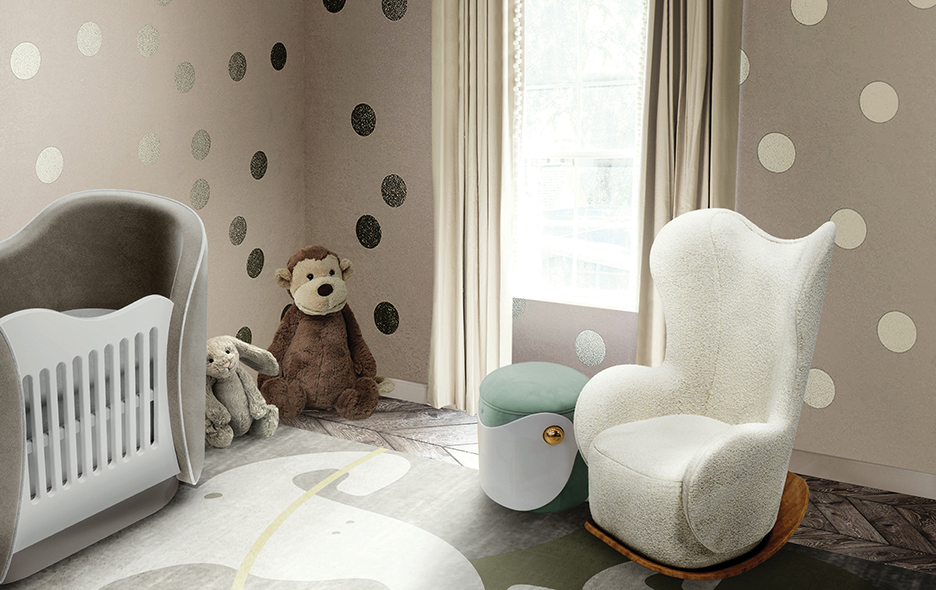
Cuddle chairs

Cuddle chairs are an essential in any young child’s room, and this neutral yet unique rocking chair fits the role perfectly. Paired with an ottoman and available as a regular arm chair, this plush seat will bring comfort and relaxation to any space.

Circu has a grand selection of many more products that are just as exciting as their newer pieces.

The Cloud Lamp is another awe-inspiring suspension lamp resembling a big, fluffy, white cloud. Made with an innovative material, this lamp is designed in several layers and is completely fire retardant.

Features include a sleep assistant as well as a lighting and sound system complete with a remote control. Your little one can fall asleep while gazing at this big beautiful cloud that lulls them to sleep with whatever music you choose.
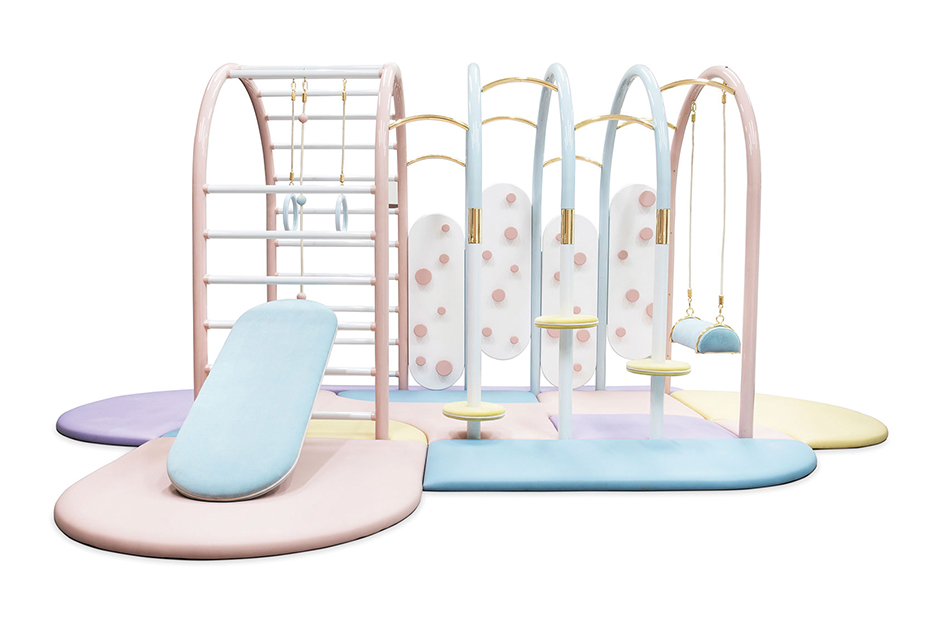
Bubble Gum Gym

Circu also creates incredible play areas, such as the Bubble Gum Gym, inspired by a traditional playground.

With its exceptionally fun elements and adorable pastel color theme, children can enjoy physical play and exercise in style — complete with a rock wall, a swing chair, slide, and even a climbing rope.

Perhaps the best part is that it’s perfectly safe for children — the Bubble Gum Gym includes LED features, along with a soft, plush, velvet rug on the bottom to ensure that kids are able to play and explore freely without getting hurt.
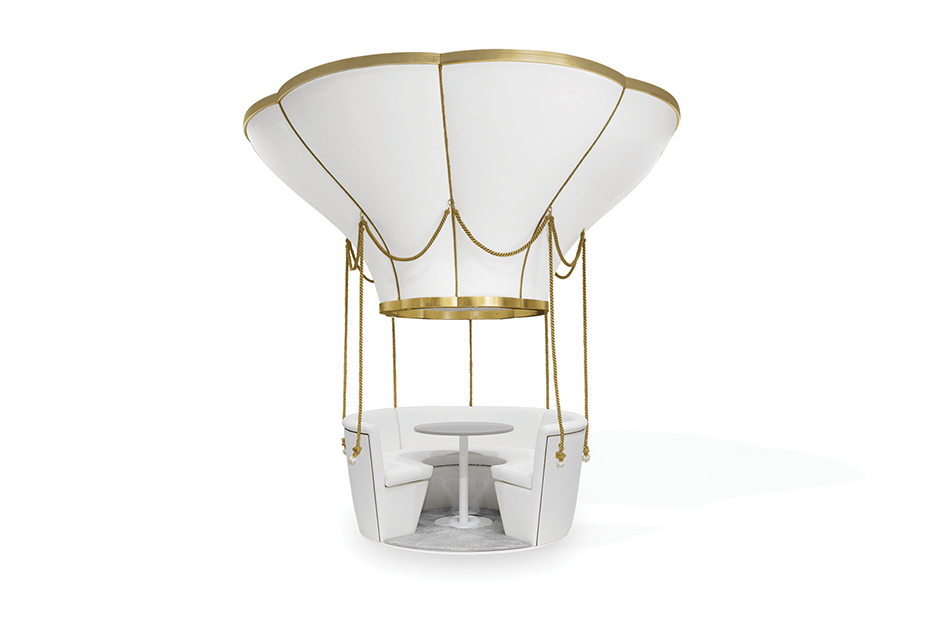
Fantasy Air Balloon Lounge

Kids can embark on a journey high up through the clouds with the Fantasy Air Balloon Lounge. This whimsical, hot air balloon-inspired lounge features a comfy circular sofa and a round center table, complete with storage, making it the perfect spot to let your imagination run wild, study, or relax. It even features a color changing light and sound system. What’s even more miraculous is that this lounge can be turned into a bed!
Comments Off on Living The Dream

Not Your Grandparents’ Cruise

By Roger Grody

The traditional cruise experience — sharing a megaship with 5,000 fellow passengers, binging at midnight buffets and disembarking at tourist-clogged ports-of-call for superficial guided tours — may no longer be inviting, especially for active travelers. But with exciting new destinations, more intimate (albeit luxurious) ships and hands-on activities, cruising has newfound appeal.

Since the pandemic, many seabound tourists have turned their attention to smaller vessels and once-in-a lifetime destinations such as Iceland, the Galápagos Islands or, the holy grail of bucket list adventures, Antarctica. Many compelling itineraries cannot accommodate megaships and require more active participation by passengers to fully appreciate them.

Aqua Mare Exterior

Gary Bembridge is a London-based journalist who has authored “The Cruise Traveler’s Handbook,” “Essential Cruise Tips” and “The Cruise Travel Guide,” among other books, and chronicles his frequent voyages on the writer’s own Tips for Travellers website. He reports that while interest in smaller vessels is increasing, even the large carriers are introducing more unique ports-of-call and activity options to address evolving consumer preferences. Because of the price differential — Bembridge advises it can cost up to seven times more to cruise on a high-end small vessel than a mainstream line’s megaship — small ship cruising remains primarily a luxury indulgence.

Bembridge cites Oceania, Windstar and Star Clippers as lines providing luxury experiences in a smaller format, including yachts and sail ships. “In addition to the obvious ‘expedition’ locations like the Galápagos, Arctic, Antarctica and Greenland, there’s emerging interest in going to more well-trodden destinations, but with a greater focus on exploration and wildlife,” states Bembridge of developing trends.

Aqua Expeditions was founded by Francesco Galli Zugaro in 2007 to introduce exciting new destinations — think Indonesia’s Komodo Island, the Galápagos Islands and Mekong River — to travelers seeking adventure on a more intimate scale. The company’s Aria Amazon, a vessel that traverses the legendary river at the Pacaya-Samiria National Reserve in Peru, offers just 16 river-facing suites with floor-to-ceiling windows and serves the cuisine of renowned Peruvian chef Pedro Miguel Schiaffino.

Aqua Mare Cabin

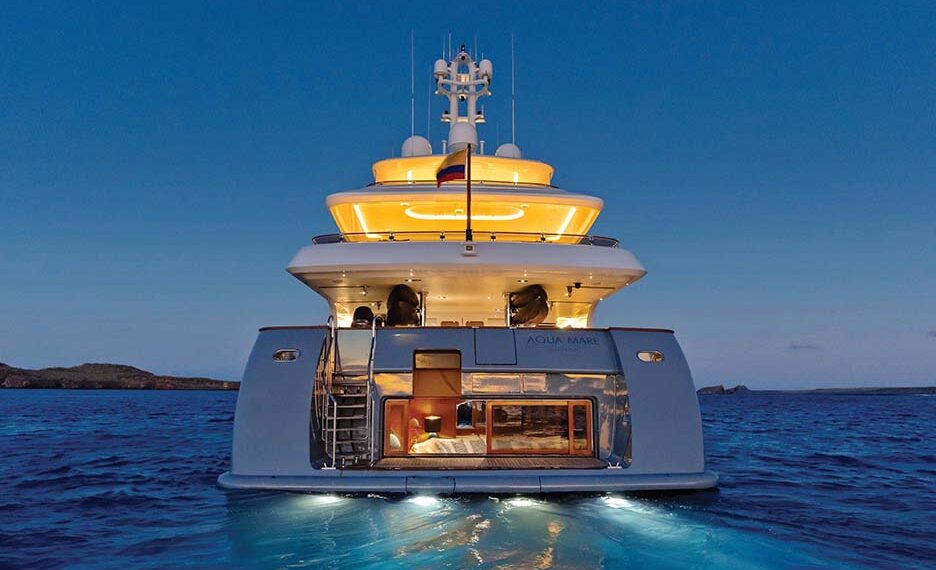
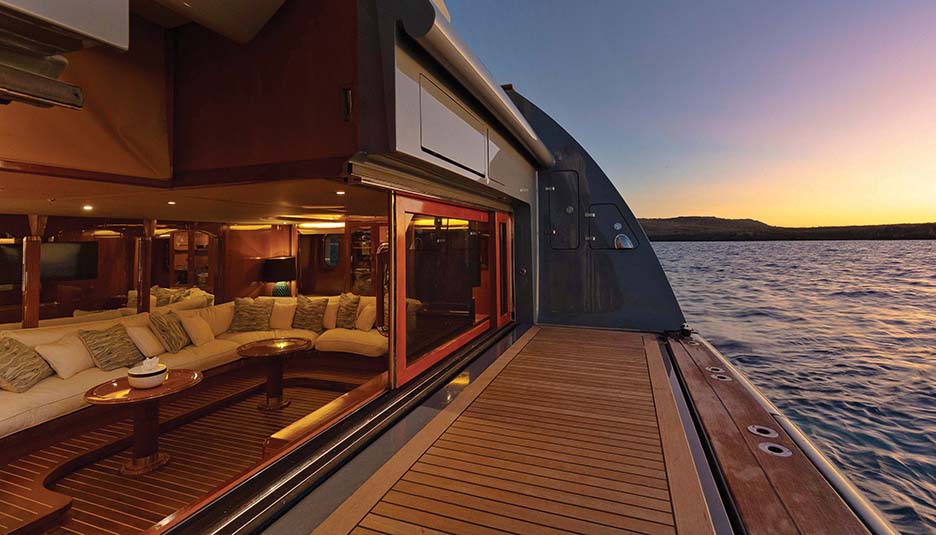
Aqua Expedition’s Aqua Mare, an exclusive superyacht deployed to the Galápagos Islands, accommodates just seven exquisite suites (including a lavish owner’s suite) designed by the firm of François Zuretti, acclaimed for sophisticated yacht interiors. The Aqua Mare presents a luxurious yet environmentally conscious means of exploring one of the most unique natural habitats on the planet.

Explaining that Aqua Expeditions represents the “experiential travel” niche — operating in the same sphere as African safaris — CEO Galli Zugaro states, “Most of our guests have never been, nor plan to go on a big ship.” He adds, “This audience wants to see remote parts of the world, go on adventures in the day, then return to a floating base camp that’s on par with any world-class hotel.”

“What we’ve noticed since the reopening of travel is that guests no longer want to wait until later in life to tick off bucket list destinations, but want to experience them now,” says Zugaro. He reports, “With mainstream cruising we see a median demographic of 60 years and above, but with Aqua Expeditions our demographic begins at around 40.” Explaining that his line’s river cruise itineraries are just as active as open sea voyages, he states, “Where a younger client may think that river cruising is something for older travelers, Aqua stands apart.”

Camp Frieda Greenland

“Luxury travelers will continue to seek world-class experiences to remote and exotic destinations that give them a sense of place without sacrificing the comforts they’ve come to expect from five-star hotels,” says Zugaro, who insists luxury and sustainability are not mutually exclusive. “From the very beginning, Aqua Expeditions has been committed to making sure we do our part in contributing to local communities and protecting the pristine areas in which we sail,” says the cruise line’s chief executive.

Ponant is a French line known for luxuriously appointed small ships, five-star service and commitment to sustainability. The vessels that make their way to exotic destinations such as Antarctica, the Maldives and Madagascar typically accommodate no more than 250 passengers, sans the garish casinos, water parks and zip lining associated with the megaships.

On Ponant cruise liners, guests enjoy refined design, a culinary staff affiliated with renowned chef Alain Ducasse, world-class wellness programs, and the presence of experts to engage passengers as they explore unique natural environments or historic sites.

Galapagos Equador

One of Ponant’s most expensive tours is a 28-day excursion to Antarctica — beginning in Ushuaia, Argentina and concluding in Lyttleton, New Zealand — aboard the 245-passenger Le Commandant Charcot that boasts nearly a one-to-one passenger-crew ratio. Prices begin at more than $50,000, but ascend well above $100,000 for those booking larger staterooms, including an extravagant 1,237-square-foot suite de l’armateur (owner’s suite).

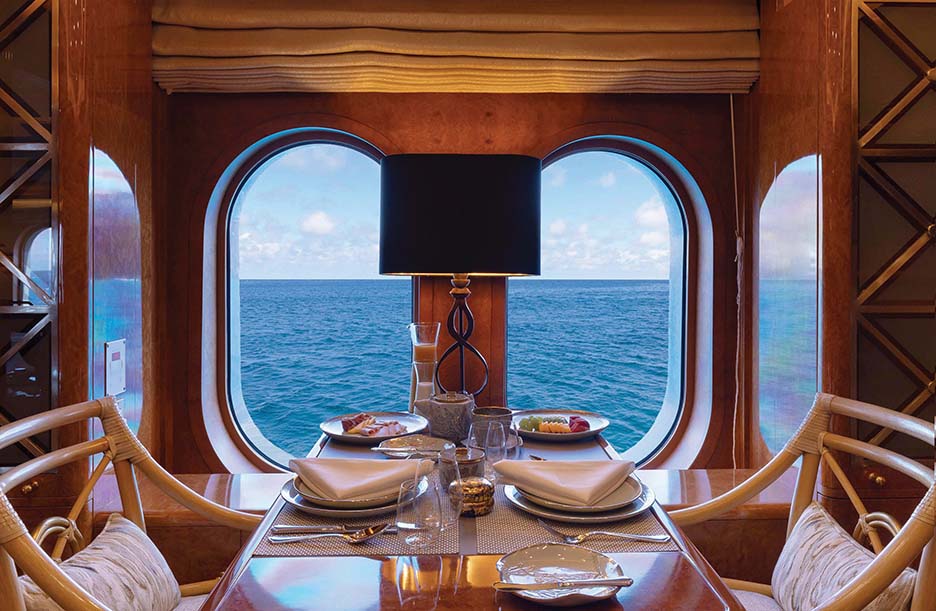
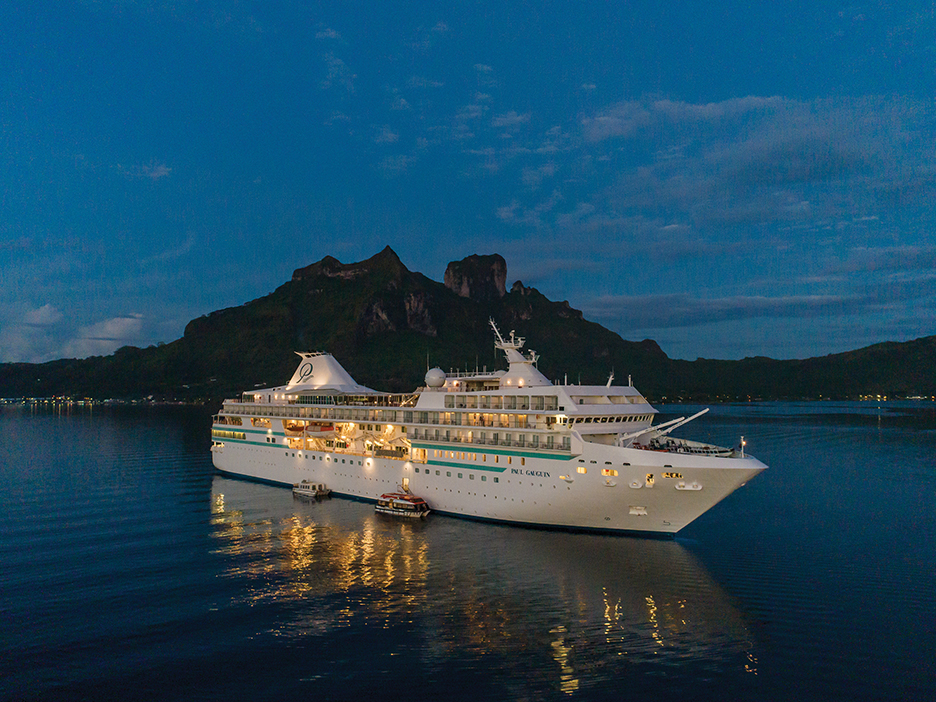
Ponant also operates Paul Gauguin Cruises, specializing in excursions to French Polynesia on the firm’s signature MS Paul Gauguin, a luxury 330-passenger vessel outfitted by the studio of Parisian architect Jean Philippe Nuel. Large staterooms with ocean-view balconies and butler service, fine dining and a spa are among the amenities that distinguish this high-end boutique line.

Demonstrating Ponant’s commitment to environmental awareness and activism was its leadership role in the recently convened Blue Climate Summit aboard the MS Paul Gauguin. Attended by Prince Albert II of Monaco and President Édouard Fritch of French Polynesia, the convocation drew 250 scientists, policy makers, business leaders and environmental activists.

“There has never been a more important or urgent time for the world to address ocean protection and climate change,” stated Stan Rowland, CEO of Blue Climate Initiative, sponsor of the inaugural event. Proud that the MS Paul Gauguin was selected as the host ship, Ponant CEO Hervé Gastinel submits, “The partnership with Blue Climate Summit is a natural fit, as we also have ambitious objectives to protect the ocean and the communities our ships visit.”

The m/s Paul Gauguin was built to sail the lagoons of the South Pacific.

Considered a premier small-ship line by cruise journalist Gary Bembridge, Windstar Cruises is known for its luxurious vessels, including wind-assisted sailing yachts. The company recently announced its first Red Sea/Persian Gulf itineraries, some which pass through the Suez Canal, for those weary of the usual Caribbean or Mediterranean ports-of-call.

The new cruises include some of the region’s most alluring destinations and travelers can enjoy the voyages on Windstar’s traditionally themed Wind Class sailing yachts, such as its intimate 148-passenger Wind Star. “With impressive UNESCO sights, beautiful beaches and wildlife, top-rated golf courses, amazing snorkeling and diving, and of course, great shopping, Windstar is excited to introduce our guests to the Red Sea and Persian Gulf,” explains Windstar Cruises president Christopher Prelog. Boarding a yacht with teak decks and traditional sails atop towering masts provides a nostalgic, romantic setting for traversing exotic seas to some of the most ancient sites on the planet.

Miami-headquartered Norwegian Cruise Line is well known for its massive, 20-deck ships that entertain 4,000-plus passengers with casinos, water parks and nightclubs. However, Hurtigruten Expeditions is an authentically Norwegian carrier, one whose vessels are a fraction of the size, but offer an intimacy that suits the company’s commitment to onboard education and preservation of the planet’s most fragile habitats.

Nonconformist nautical adventurers may also consider booking a small barge meandering the canals of Europe, ideal for a group of friends or family. This kind of laid-back cruise involves diminutive, repurposed barges accommodating six to 12 passengers. Because the boat moves at a decidedly leisurely pace (less than five miles per hour), passengers can wander off on hikes or bike rides, then easily catch up with the escargot like progress of the vessel. Speaking of gastronomy, many barges retain accomplished onboard chefs who stock up periodically at charming local markets.

Comments Off on Not Your Grandparents’ Cruise

How Quiet Luxury is Taking Over Fall 2023

By Jacquelyn Elliott

What is Quiet Luxury? 

Quiet luxury is a term used to describe a style of living or a product that exudes a sense of refinement, elegance, and quality while never coming off as flashy or showy. This understated sense of luxury focuses on sophistication, attention to detail, and the overall experience rather than the appearance. 

Where can you spot quiet luxury? This style can be found in various aspects of life, including trends in fashion, interior design, travel, and dining. Indulging in this understated luxury means treating oneself to the best things without being ostentatious or pretentious. 

Quiet Luxury in Your Life

Imagine the perfect balance of living well without the need for grand gestures or excess. A sense of extravagance and grandeur is balanced out by calmness and comfort. 

Stars like Sofia Richie, Jennifer Lawrence, Gwenyth Paltrow, Kendall Jenner, and Victoria Beckham exude quiet luxury in their distinct sense of style, opting for comfortable and classic wardrobe pieces with a luxurious elevated look. 

Quiet luxury is not only applied to our sense of style but the living experience as a whole. This style is about creating a sense of calm, comfort, and beauty in every aspect of life, from the clothes we wear to the spaces we inhabit.

Quiet Luxury in Your Home

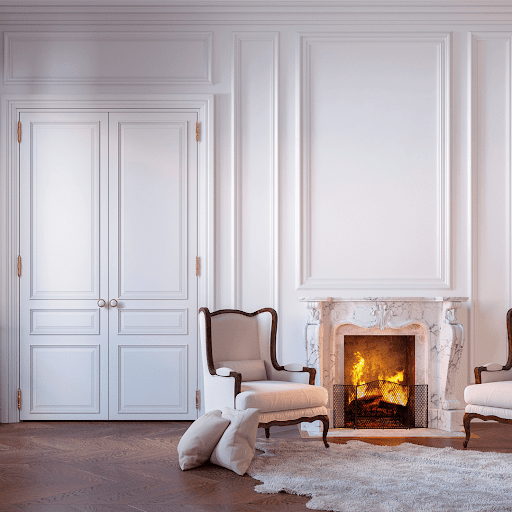
Picture yourself living in a space that feels like a luxurious sanctuary. Every detail has been carefully considered to create a sense of understated elegance and comfort. That is the essence of quiet luxury within interior design — stylish yet functional, extravagant yet never flashy. 

What makes up quiet luxury in interior design? Quiet luxury interiors usually include high-quality materials, such as rich woods, plush fabrics, and natural stones, creating a sense of quality and contrasting textures. 

Color palettes will include shades of neutrals only with carefully thought-out pops of color that add depth and interest to a room. Lighting is intentionally selected to bring a sense of ambiance and warmth and furniture is chosen with style and comfort in mind. Overall, a quiet luxury interior is inviting and comfortable yet effortlessly sophisticated. 

When it comes to luxury this fall, less is more. 

Comments Off on How Quiet Luxury is Taking Over Fall 2023

Harry’s Table

By Jamie Yoos

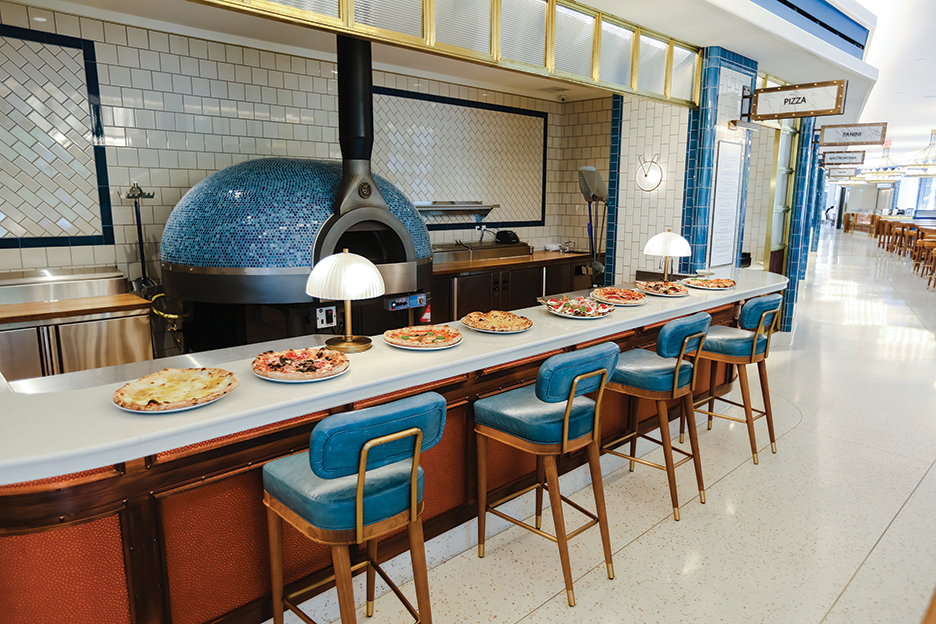
Inspired by a traditional Italian street filled with local vendors, such as a butcher, cheesemonger, fishmonger, and more, Harry’s Table in New York City is offering a new type of culinary journey.

At Two Waterline Square near Lincoln Center, the groundbreaking development is designed by world renowned architects including Richard Meier & Partners Architects, Viñoly Architects, and Kohn Pedersen Fox Associates. Internationally acclaimed London-based AD100 interior designer Martin Brudnizki designed the interiors. It’s home to the first food market by the Cipriani family.

Pizza Counter at Harry's Table

The mission of Harry’s Table is to provide customers with an authentic Italian culinary experience within a 28,000-square-foot space, including:

♦ Caffè: a coffee bar by Lavazza delivering the authentic Italian caffè experience.

♦ Gelato e Dolci: homemade gelati made with top-quality ingredients and traditional recipes found in an Italian pasticceria, including the renowned vanilla meringue and lemon pie, served in all Cipriani restaurants.

Classic Cipriani Meringue Cake

♦ Juice Bar: handcrafted juices, smoothies, and health shots made to order from fresh, natural ingredients.

♦ Insalate: the option to pick from signature salads composed from seasonal produce such as the beloved artichoke salad, the cucumber salad, or compose your own.

♦ Pasta: freshly made pasta such as ravioli and tagliatelle to enjoy on-site or to cook at home.

♦ Gastronomia: gourmet Italian food including the Venetian “Baccalà Montecato,” Carciofi alla Romana, Lasagna alla Bolognese, and more.

♦ Panini: made with fresh ingredients and fragrant bread baked daily, including the Venetian soft sandwiches tramezzini.

Margherita Pizza at Harry's Table by Cipriani

♦ Pescheria: a tribute to one of the main Venetian traditions — the fish market — offering local and Mediterranean catches.

♦ Carne: Fossil Farms Artisan Butcher offers the finest pasture-raised beef of New England farms, free-range poultry from Pennsylvania, Berkshire pork, and specialty game.

♦ Pizza: quality ingredients like fior di latte or buffalo mozzarella and sweet tomato sauce come together with the right dough fermentation to create the perfect pizza.

♦ Formaggi e Salumi: the cheese and charcuterie shop provides the most exciting cheeses and meats that Italy and the world have to offer.

♦ Caviar: the World’s finest domestic and imported caviar, smoked salmon, and other gourmet foods from Caviarteria since 1950.

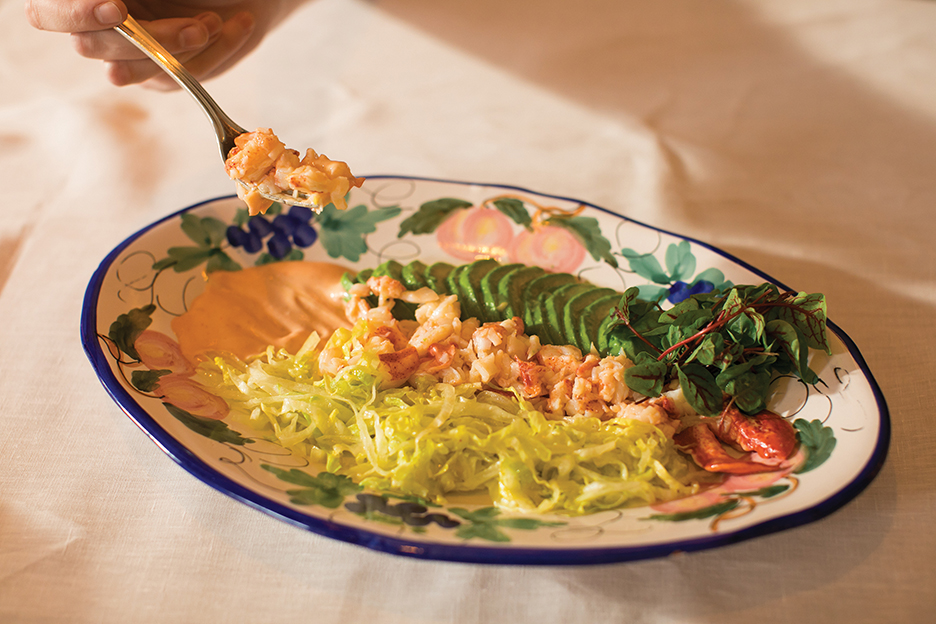
Dressed Lobster

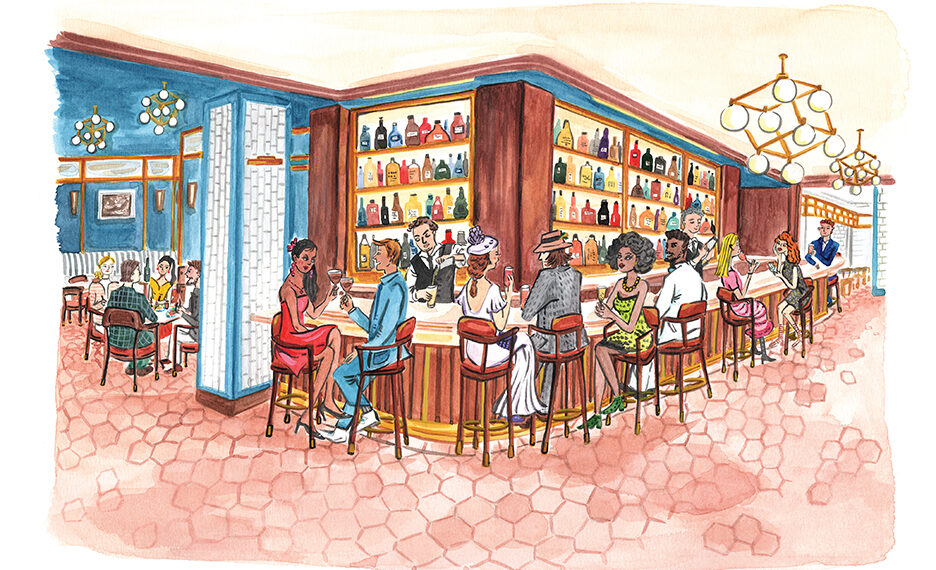
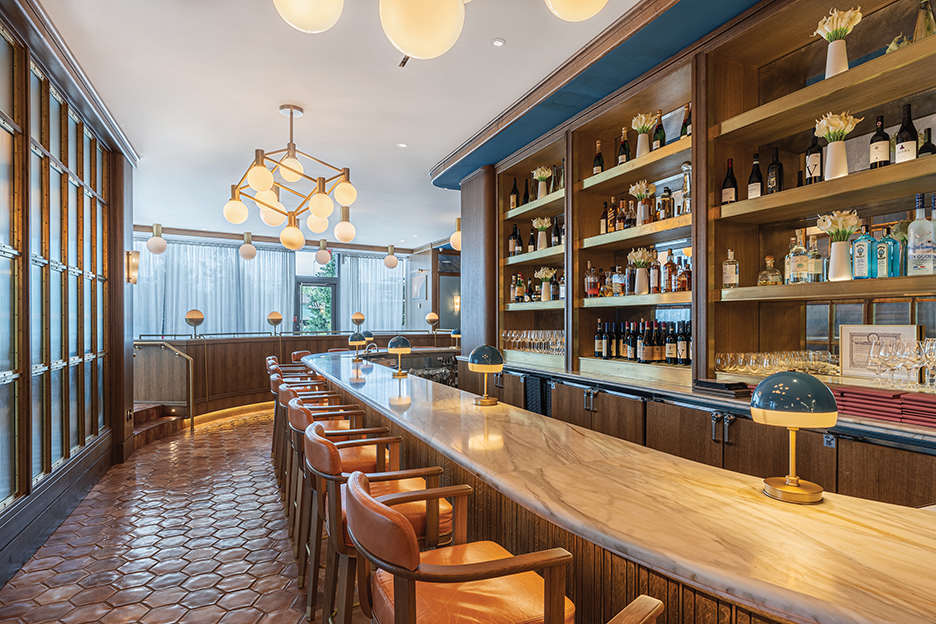
The experience is complete with a signature Bellini restaurant and a terrace overlooking the water. A full bar inspired by the glamorous days of mid-century Italy with timber paneling, leather stools, and sleek light fixtures take a central role in the space while the more formal restaurant faces the waterfront.

Bellini Restaurant and Bar

“Our goal is to create a kitchen away from home for residents and the neighborhood, as well as an interesting and fun destination for visitors. It is really exciting to be a part of GID’s innovative vision for this unique and vibrant residential neighborhood,” says Giuseppe Cipriani.

Leave a comment

Designing Miami

By Lara Becker

Eilyn Jimenez always saw herself becoming an attorney or a judge when she graduated, but discovered she was more interested in her friend’s major: architecture. She got her start at the Universidad Latina de Costa Rica. This led her to change career paths from law to architecture, and eventually to the study of interior design.

Now, Jimenez is the founder of the Miami-based design giant Sire Design, and is headlining a new Netflix series titled “Designing Miami,” spotlighting her journey throughout her stylish successes. When she was getting her start, her hands-on experience in the field spanned various avenues.

After graduating from college, Jimenez was hired by a developer overseas who provided her the opportunity to work on private homes, offices, hotels, and restaurants.

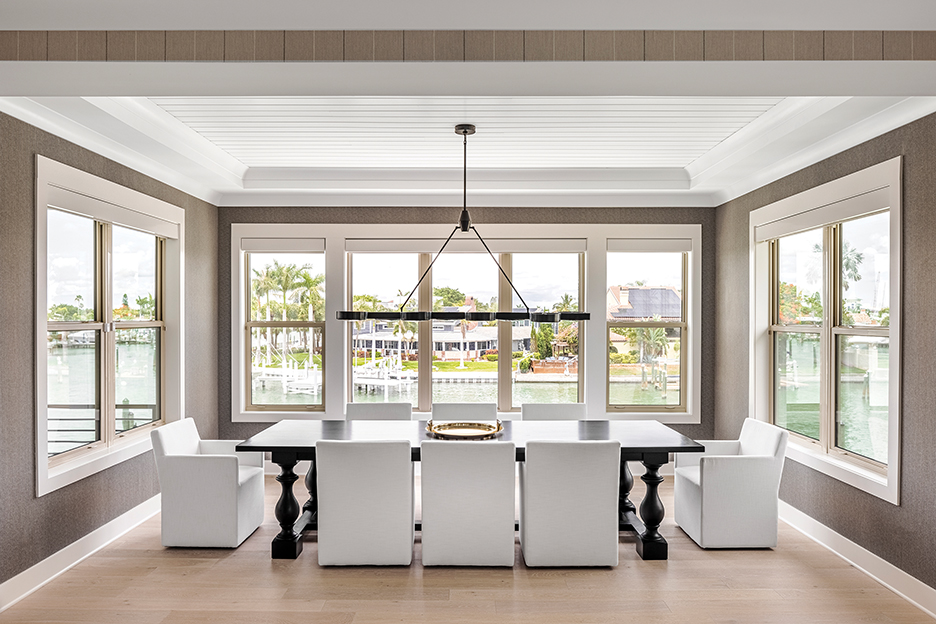
The most important facet of this modern coastal home in Tierra Verde, Florida, is its ability to blend seamlessly into the Miami shoreline. Gorgeous views can be seen from all angles.

This allowed her to get a feeling for different kinds of floor plans, materials and furniture arrangements. Leveling up another rung on the ladder, she then earned a position in a Miami showroom, where she spent her time furnishing the homes of celebrity clients. Following her breadth of experience, Jimenez decided she wanted to zero in on the true intricacy of design and its processes. So, she made the pivot to become her own boss at her own studio: Sire Design.

Here, Jimenez serves as interior designer, creative director, and founder. She now also has the assistance of a talented team behind her, who have perfected the art of transforming rooms and spaces, whether it be residential, developmental, or commercial.

“The Sire Design team and I naturally gravitate towards a minimalist aesthetic, but love to play with touches of maximalism like color, fun pieces, and unique elements every now and then,” Jimenez says.


As noted on its website, the company values a great attention to detail, and an analytical approach to stylizing a room, while still maintaining an open mind to innovation and creativity. Being detail-oriented is the key here, with a purpose of revitalizing, and breathing new life into each room they construct.

As far as developing its own personal style, Sire Design describes itself to be bold, yet timeless. It’s important to them to implement modern pieces in a room, but also to make those features stand the test of time. They stray away from the need to be “trendy” — they’d rather be daring and everlasting.

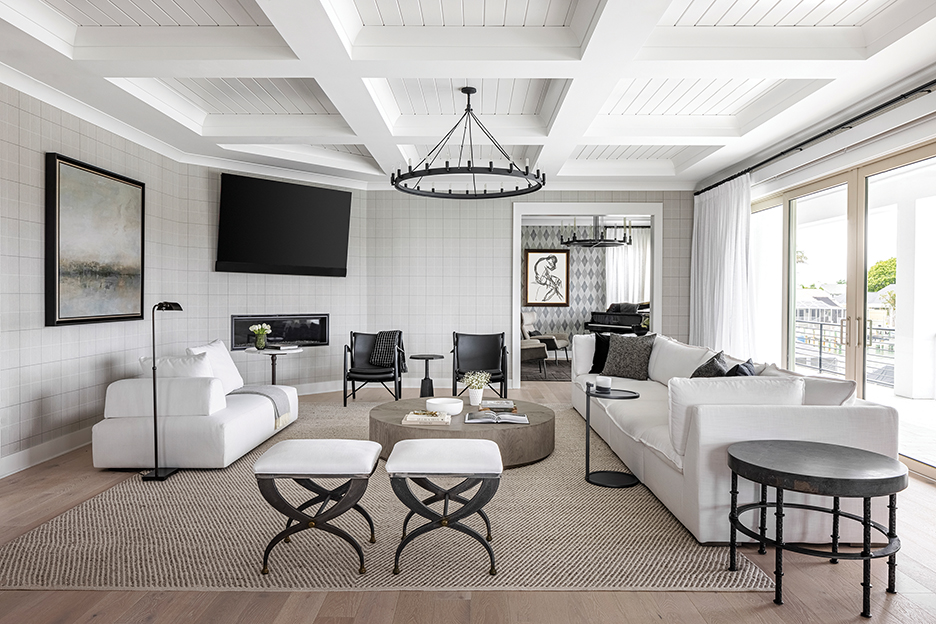
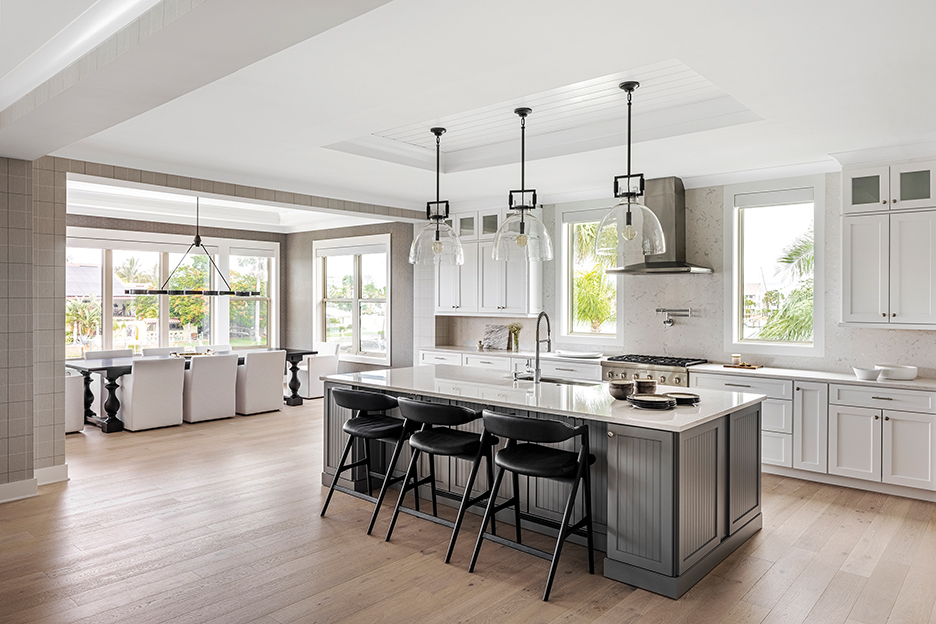
Throughout the Tierra Verde home, Jimenez wanted to allow plenty of open space for entertaining, especially in the living room and kitchen areas, which are donned with calming, minimalist color schemes.

“The Sire Design team and I naturally gravitate towards a minimalist aesthetic, but love to play with touches of maximalism like color, fun pieces, and unique elements every now and then,” Jimenez says, describing common themes throughout their work. “At the same time, we like to embrace simplicity in design — no matter the style.”

She prefers that the team not stick to just one style when curating its designs. They enjoy pulling together an amalgamation of different elements, patterns, and textures in a room to create one cohesive piece.

Their most recent masterpiece, a modern coastal home in Tierra Verde, Florida, spans 4,040 square feet and features 5 bedrooms and 5 baths directly on the waterfront of the Gulf Coast. It is the definition of a modern coastal home, with monochromatic and simplistic touches throughout.

Upon entering the first floor, seating options and plenty of open space provide the option for entertainment at any time of day. The living room is meant to accommodate a large group party, while an adjacent space gives way to a more intimate reception area.

This area of the house boasts sliding balcony doors draped in sheer curtains, allowing in as much natural light as possible. The balcony and windows are specifically crafted to spotlight expansive water views on site — truly capturing the majesty of picturesque, cerulean waves from any angle.

Tierra Verde by Sire Design

Leading your way through the house, the open floor plan takes you to the kitchen next. The center focus in the kitchen is a detached island with built-in cabinets for storage, a sink, and seating for three. Next to the kitchen sits a fully windowed alcove and a dining room table for eight, with another direct exposure to the home’s coastal surroundings.

Throughout these rooms, the cabinets, countertops, and ceilings meld different tones of white; an intentional choice to provide a light and airy feeling. “I love the mix of coastal yet modern elements in the design, and how we playfully used wallpaper throughout the residence,” says Jimenez of the Tierra Verde project.

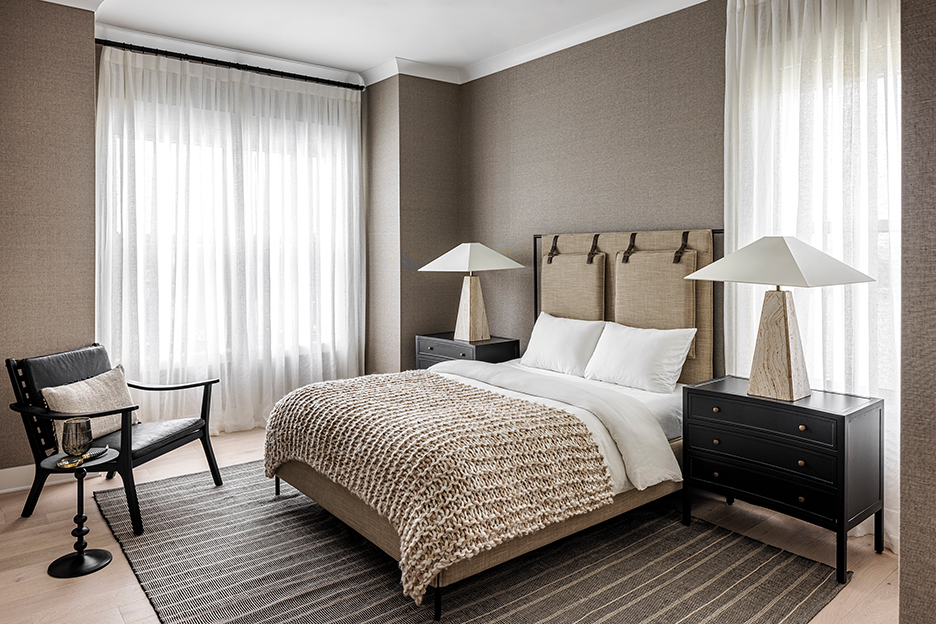
In the bedrooms, the colors are complementary to those of the rooms downstairs. Upstairs, darker grays and browns are introduced, in order to accentuate a warmer, cozier feeling. Modern nightstands, flexible-use sconces, and stone table lamps keep on par with trends, while staying on theme as traditional and timeless.

The intention of the Tierra Verde residence is to foster a tranquil feeling, with calming cool colors on the interior. This is offset by a clean black-and-white color scheme, and accented with notes of subtle blues. This simplicity offers the opportunity to make the home feel more spacious, especially with elongated ceilings.

Statement chandeliers, custom millwork, interesting furniture pieces, and notably coffered ceilings are delicately placed throughout the home to give a sense of charisma and personality; differentiating the property from other homes designed with simplicity in mind.

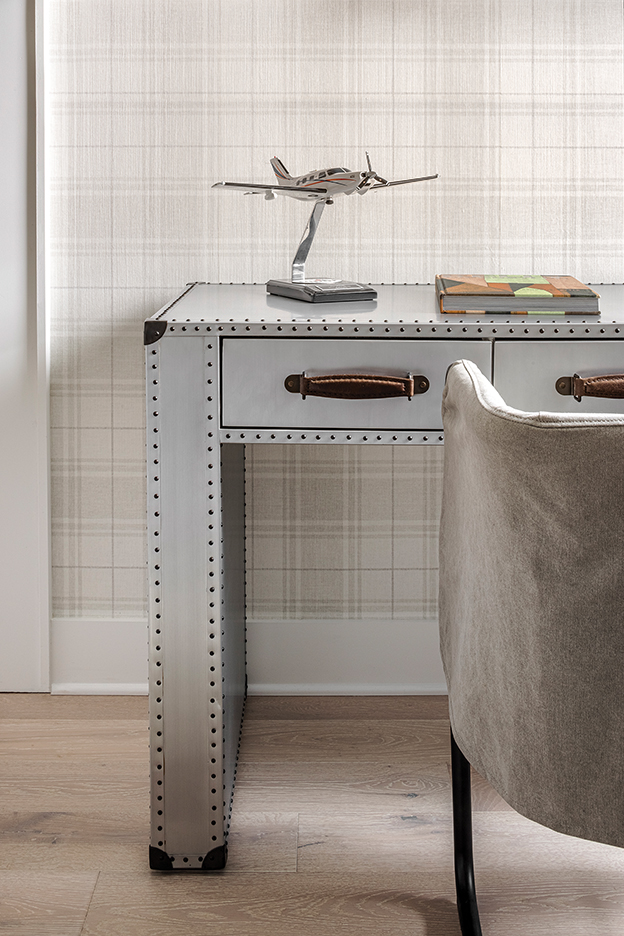
Attention to detail is key in the process of designing or redesigning a home. Mixing different textures, such as metals, tiles, and stone, can create a unique tapestry of color.

While the home is a masterclass in gorgeous, sleek design, the company also puts an emphasis on functionality here, as well as in all of the spaces they design. “We don’t feel there is a need to compromise between great aesthetics and function,” Jimenez notes. She said that when designing, they take into consideration how each space is intended to be used, and infuse it with unique, comfortable pieces. This allows for a functional, yet beautiful design.

Another crucial aspect of interior design for any space, Jimenez discusses, is to incorporate the area’s natural landscape into design choices. For the Tierra Verde project, this comes in the form of creating the classic modern coastal home that blends into the Miami shoreline. “It’s the perfect representation of West Coast design,” she says. “With the home sitting right on the water, we want to ensure the calm and cool atmosphere was brought inside.”

Upstairs in the home, warmer tones are enforced through the use of darker grays and browns, in order to create a cozier vibe for winding down.

This can also be seen in the use of mixed materials throughout the home. Stone, metal, wood, and textiles are all used equally in each space. These layered patterns and textures come together to form a contemporary, practical home, and uses the Florida setting as a mesmerizing backdrop.

Sire Design is known for making long-lasting relationships with its clients, which is exemplified by its work on this property. The team has worked with this client in Tierra Verde, Florida, time and time again. Beyond the custom crafted walls of the Tierra Verde home, Sire Design has curated designs throughout three countries and a dozen cities. The company has been featured throughout the likes of HGTV, Mansion Global from Barron’s, The Wall Street Journal, and Architectural Digest.

The commitment and time spent on each product ensures precise results every time for members of this design team, making them all the more ready for their Netflix debut. The series “Designing Miami” features Jimenez and her husband, Ray Jimenez, who is also a leader in design at another interior design firm, Raymond Nicolas. The show follows them as they navigate the needs of their clients, staffs, and relationships with their close-knit families.

Looking back on the road that led her to this point, Jimenez recalls the early days of her career as transformative, and sees her time at university as the first stepping stone. “Design has always been part of my life, but after stepping foot onto the architecture campus, I knew the design industry was where I belonged,” she said. “Architecture eventually led me to the path of interior design, and the rest is history.”

Leave a comment

Homes & Estates Fall 2023 Issue

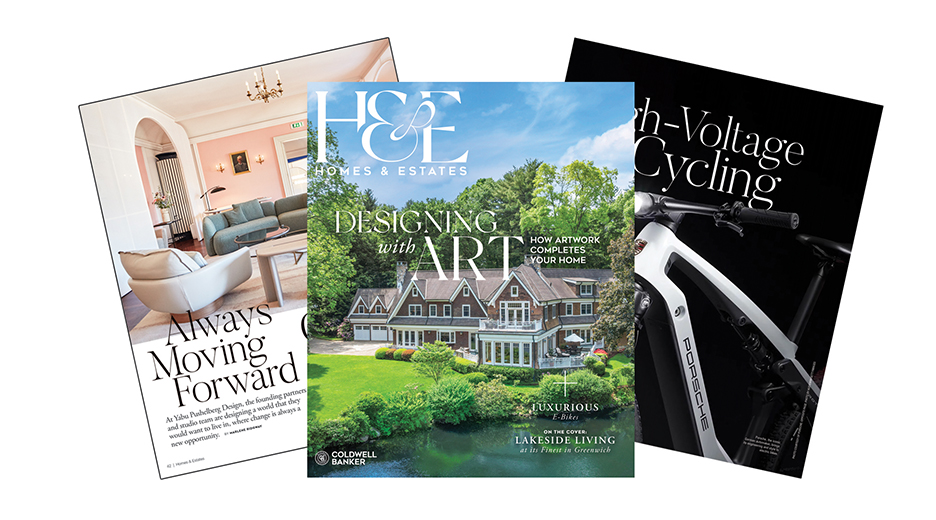
Unique Homes is pleased to present the Fall 2023 issue of Homes & Estates, offering a glimpse of the inspiration, creativity, and luxury of your dreams. 

We invite you into the minds of Yabu Pushelberg Design, a design firm that needs no introduction. The firm, known for limitless creativity and innovative designs, has distinguished itself in the industry.

Inspiring you to take your interiors to the next level, this issue shares stories on selecting the perfect art for your home. 

Imagine a new level of travel that will leave you wanting more. From luxurious vacations to high-performance electric bicycles, this issue will surely set your imagination on fire.

The Fall 2023 issue of Homes & Estates asks you to imagine, without limitations, the most extraordinary lifestyle – and then discover it is all within reach. 

The High End Summer 2023
Leave a comment

Changing the Skyline

By Marlene Ridgway

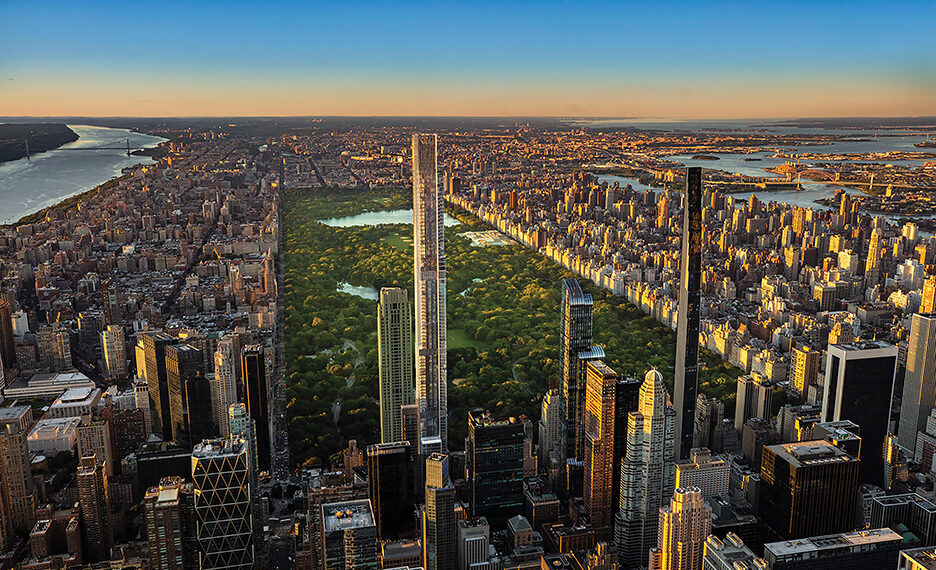
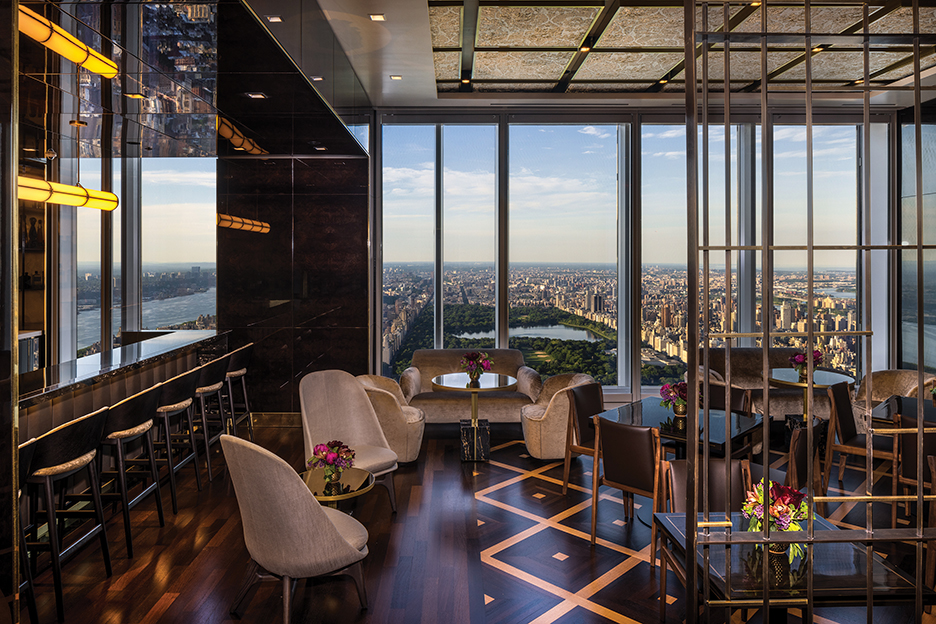
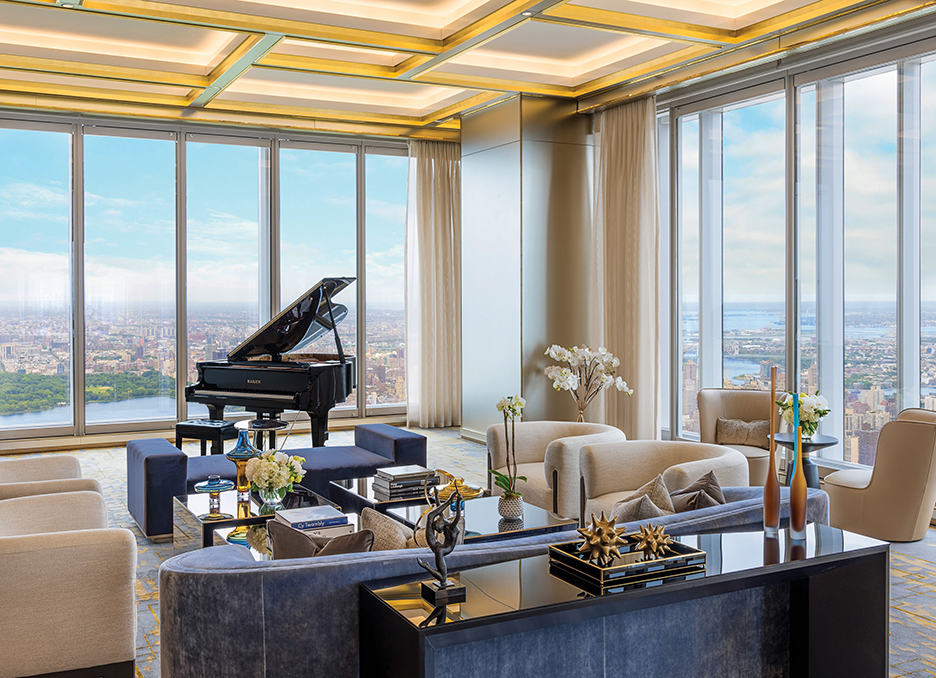
New York City’s Central Park Tower is now the largest residential building in the world. Its 179 luxury condos reside above Nordstrom flagship department store. “I believe that Central Park Tower is a proven testament to how far one can go, especially in a city like New York, but with the technological advances in vertical transportation and the ever-increasing strength of materials available, with creativity and ingenuity, the sky is the limit,” says Joaquin Stearns, the senior vice president of development of Extell Development Company, about going even higher.

Central Park Tower 100th Floor

The Central Park Tower design was developed by Extell and brought to fruition by architect Adrian Smith + Gordon Gill Architecture, after decades of planning. “We worked with the world’s most talented designers, engineers, and architects to conceptualize and develop a product that exemplifies luxury, appeals to a discerning buyer and that would also resemble nothing else out there,” notes Stearns. The reflection of sunlight on the glass and its unique slender design have made Central Park Tower a stunning addition to New York City’s skyline.

Credit Jonathan Walgamott of Extell

At 1,550 feet, the glass-encased building with walls of windows boasts panoramic views of the city and beyond while tackling the challenge of sustainability. The super slim design takes up little land but it also utilizes solar power and wind, which takes some of the strain off of the infrastructure.

Stearns says, “the building exterior was designed with several different materials that were carefully selected in response to the energy efficiency of the building, but also in response to how the building would respond to the effects of sunlight throughout the day and throughout the year.” Each decision was a conscious effort to create something architecturally incredible while appealing to the residents who would live there.

Central Park Tower Amenities
Central Park Tower Pool

The corners and layers of the building, as it gets higher, were designed to handle wind while placing structural elements between residences to offer better views. “We used highly efficient low-E glass units for the windows, low reflective surfaces such as zinc panels, as well as stainless steel components throughout the vertical aspects of the building,” adds Stearns.

A technological feat, “the exterior combines elements of glass, satin-finished stainless steel, and light catching vertical and horizontal details that accentuate the interplay of texture and light,” says Stearns.

CPK Tower Amenities

“This building used a unique combination of structural components, including custom fabricated structural steel super-columns and the use of high-strength reinforced concrete lifestyle structure, which is only found in super-tall buildings.”

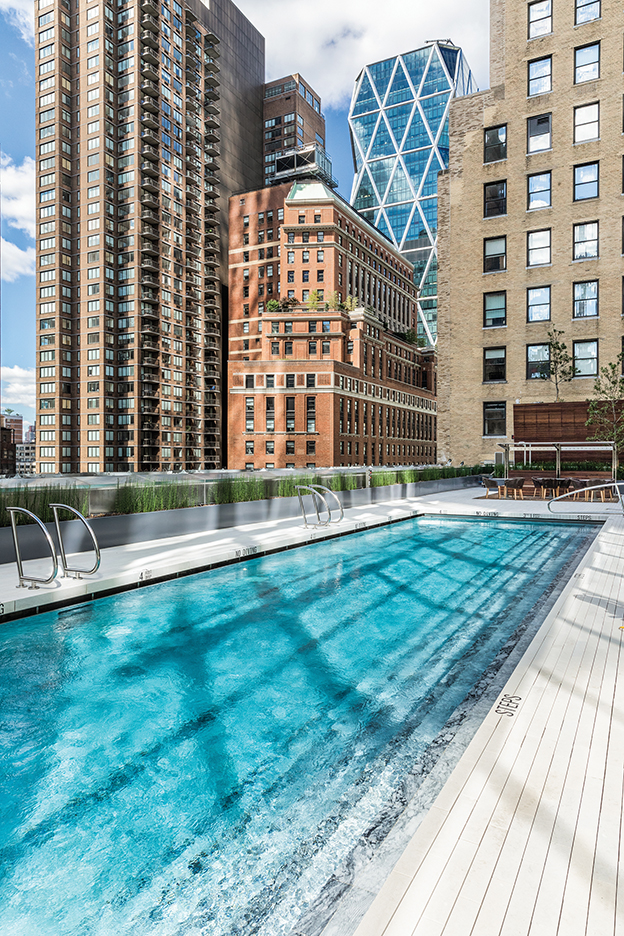
Throughout the design, none of the desired hotel-like amenities were overlooked. The terrace level offers a connection to the outdoors, which includes a luxurious 60-foot pool, elegant gardens, space for sunbathing, grilling, and fire pits.

NYC Tower Pool

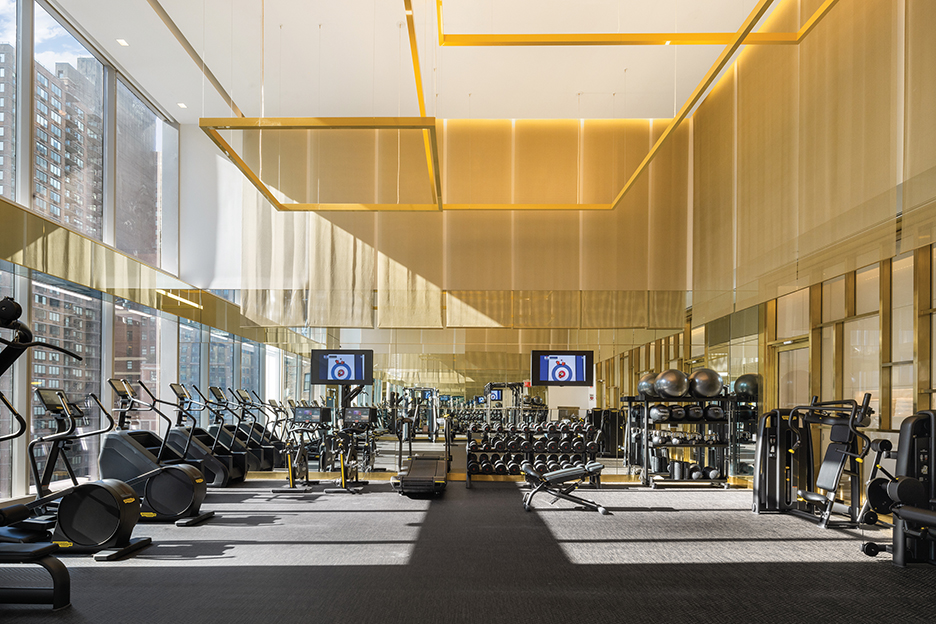
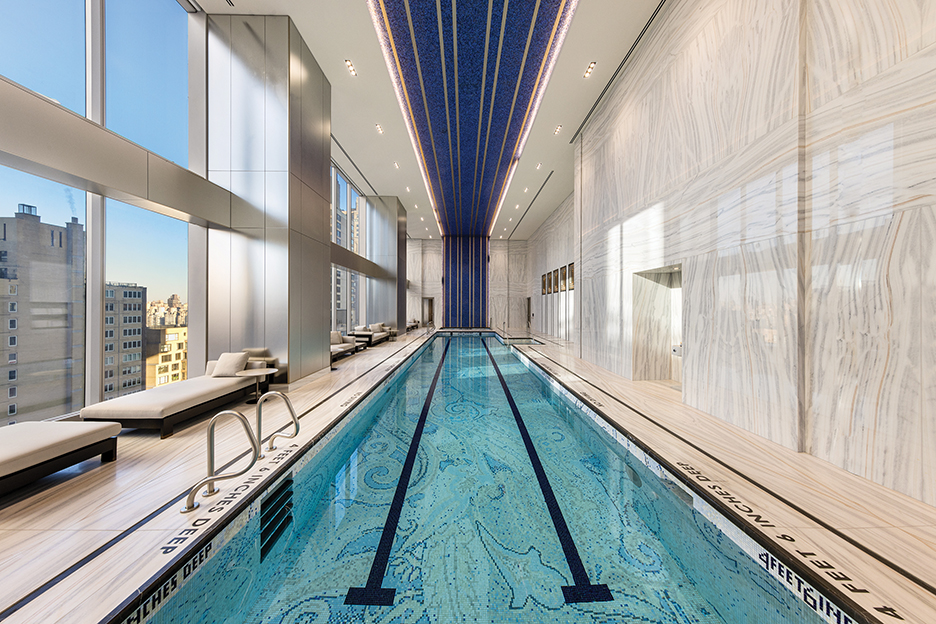
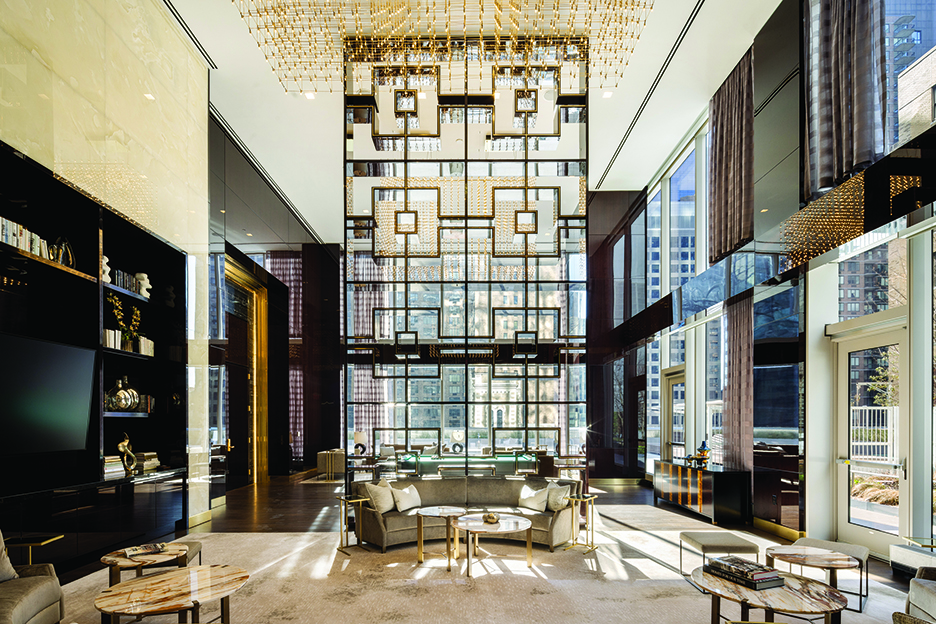
“In addition to the unmatched residences, which offer endless views, exquisite architecture, and gracious layouts, Central Park Club is a defining element that further elevates our residents’ living experience,” says Gary Barnett, founder and chairman of Extell. While inside, the tower also presents an indoor saltwater pool, game room, billiards, a private screening, and performance space. With an emphasis on wellness, the tower is home to several spas, saunas, a wellness center, sports courts, and so much more for active residents.

Nordstrom, at the base of the tower, is seven stories high and offers an incredible viewing experience for shoppers and residents, who will receive special access. Designed by James Carpenter Design Associates, the Waveform Facade makes for unprecedented views of New York City and Central Park while shopping. The curvature of the glass and zinc fins eliminates the need for reinforcement in the middle of the windows and offers uninterrupted views.

Leave a comment

In Plain View

By Roger Grody

The art on our cities’ streets and plazas is sometimes taken for granted, but a commitment to public art is one of America’s greatest traditions. The egalitarian concept ensures that everybody, even those who may never step into a museum, can be inspired by artistic achievement. While formal statues in town squares may be the earliest efforts, public art now encompasses contemporary murals and interactive sculptures that encourage a physical, as well as emotional, connection.

Chicago is not only the architectural capital of America — the city was shaped by masters like Frank Lloyd Wright, Louis Sullivan and Mies van der Rohe — but is arguably the epicenter of public art in America. A leisurely stroll through the Loop reveals the works of some of the very same artists showcased in the revered Art Institute of Chicago, anchoring public spaces in the shadows of famous skyscrapers.

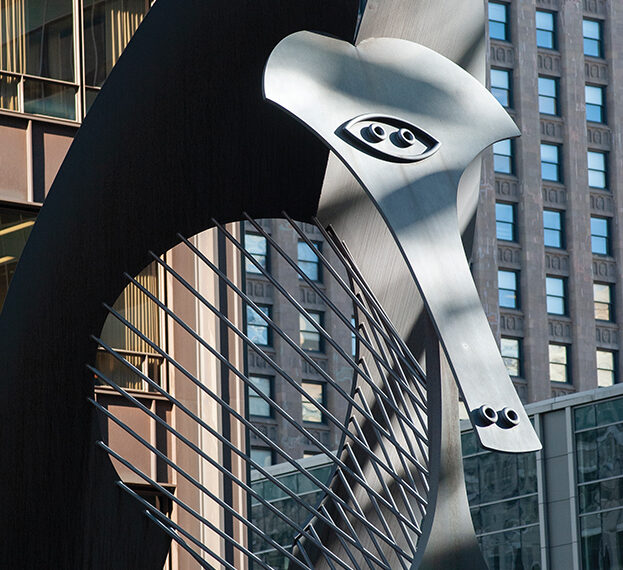
Soaring 50 feet and weighing more than 160 tons is an untitled Pablo Picasso sculpture at Chicago’s Daley Plaza, a piece endearingly characterized as resembling a giant insect or baboon. Picasso donated the steel fabricated artwork — the eccentric artist did not specify his inspiration for the piece — to the people of Chicago in 1967 and it has become one of the city’s most iconic works of art. Among the first to depart from a historic theme, the sculpture ushered in a wave of modern and abstract expressions by other famous artists on the streets of Chicago.

Alexander Calder’s “Flamingo”

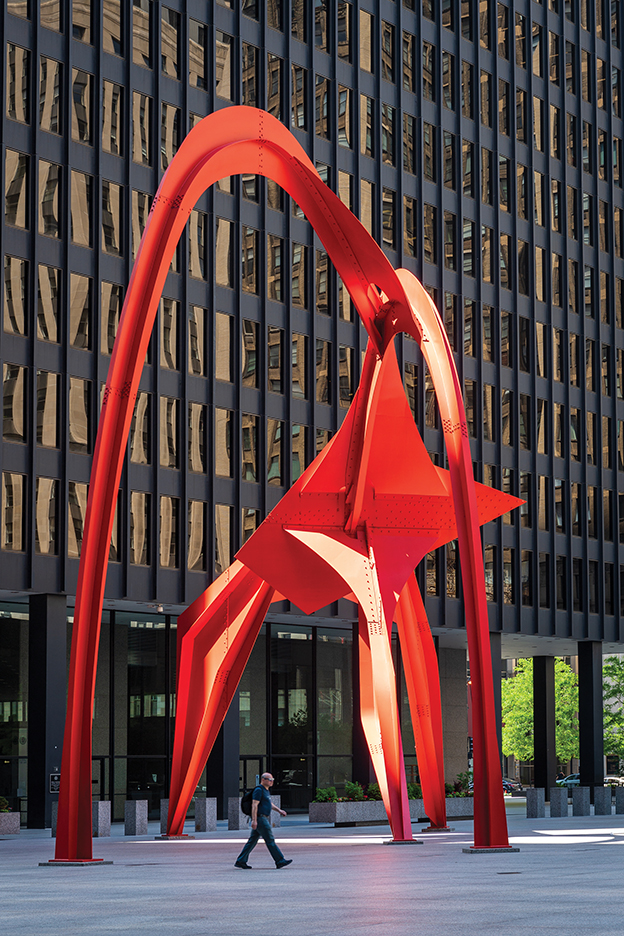
Perhaps the most iconic of Chicago’s downtown sculptures is “Flamingo” by Alexander Calder, an arching 53 foot structure placed outside the Mies van der Rohe-designed Federal Center. The color of Flamingo is technically vermilion, but has become so closely associated with the commission that it is frequently referred to as “Calder red.” The sculpture has long been one of the most photographed sites in Chicago, but in the era of Instagram it has been eclipsed by Millennium Park’s “Cloud Gate.”

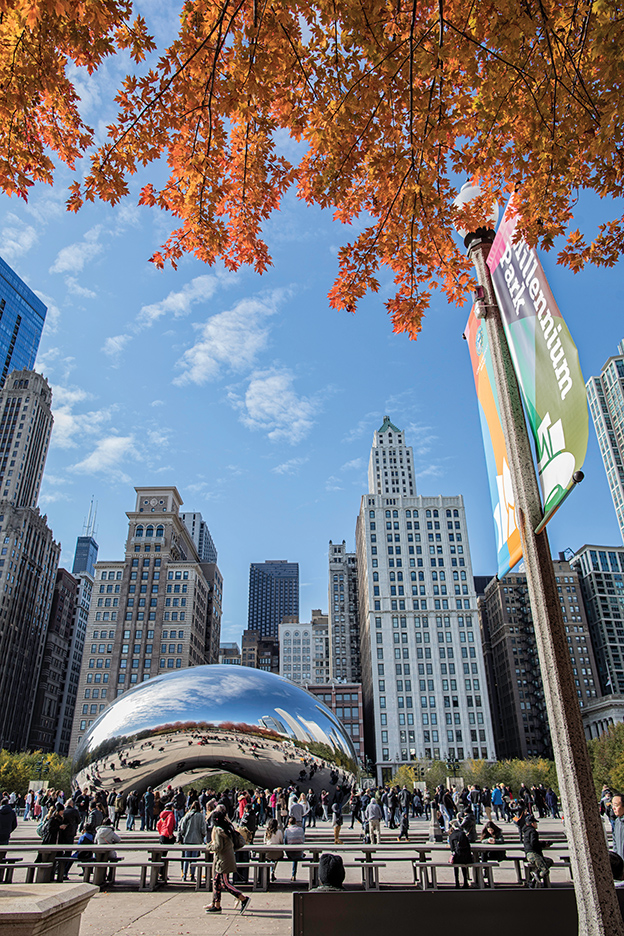
None of Chicago’s 20th-century monuments currently receive as much attention as Cloud Gate, the curvilinear structure by Indian-born British artist Anish Kapoor, dedicated in 2006. The 110-ton, highly polished steel sculpture — people are allowed, even encouraged, to touch — captivates visitors walking around and under it as the Chicago skyline is reflected in its elliptical form. “Cloud Gate, affectionately called ‘The Bean,’ is a great example of a wildly popular public artwork,” reports professor Erika Doss of the University of Notre Dame, an authority on public art in America. “Why do people love it? Because they can play with it, use it for photo ops and wonder how it was made, why it’s so shiny,” explains Doss, who admits visiting the site many times herself.

Anish Kapoor,’s “Cloud Gate”
Thomas Heatherwick’s “Vessel”

Lydia Ross, the city’s acting director of public art, reports that Chicagoans’ embrace of public art runs much deeper than those world-famous sculptures. In addition to Chicago’s celebrated downtown public art, handsomely funded by corporations, there is a vibrant public art culture driven by social consciousness in the city’s less glamorous neighborhoods. “Chicago is a city that supports public art, and local artists are committed to creating a better and more just world,” says Ross of two parallel but equally significant public art movements.

Despite the Windy City’s riches, New Yorkers will not concede public art supremacy to Chicago, as the streets of the Big Apple are filled with both historic and contemporary pieces of engaging, sometimes interactive art. Enduringly popular is the 1989 “Charging Bull” statue by Arturo Di Modica in the financial district, literally a metaphor for the stock market, while sculptor Kristen Visbal’s more recent “Fearless Girl” near the New York Stock Exchange is an homage to female empowerment.

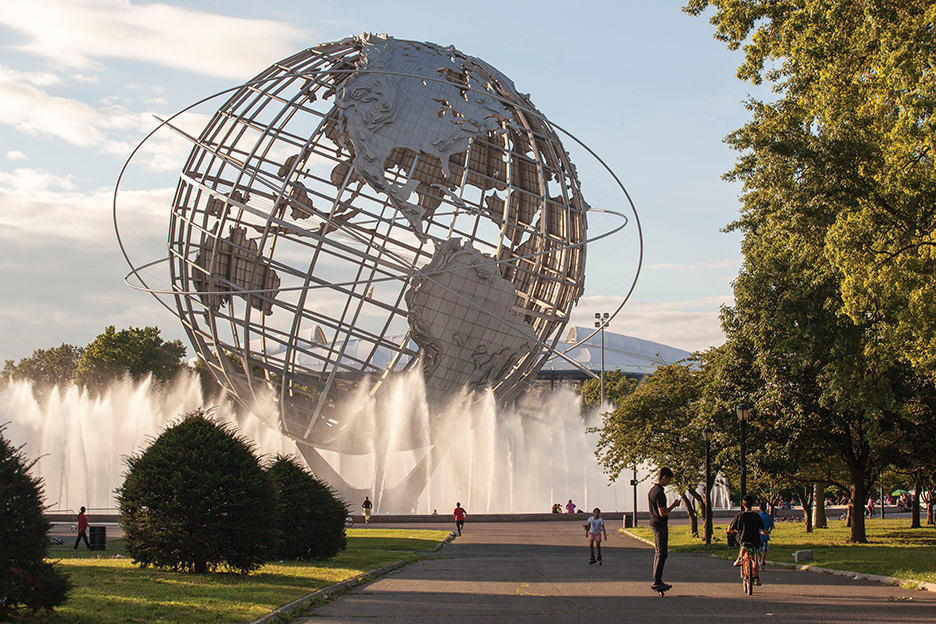
Gilmore D. Clarke’s “Unisphere”

Public art in New York’s Zuccotti Park includes “Red Cube” by sculptor Isamu Noguchi and Mark di Suvero’s towering “Joie de Vivre.” Near the Museum of Modern Art sits “Love,” the instantly recognizable piece by Robert Indiana, while modern artist Jeff Koons’ distinctive “Balloon Flower (Red)” sits in the hallowed shadows of the World Trade Center. Engineer Gilmore D. Clarke’s “Unisphere,” a nostalgic remnant of the 1964 World’s Fair in Queens, is monumental, eclipsed only by New York City’s preeminent piece of public art: the Statue of Liberty.

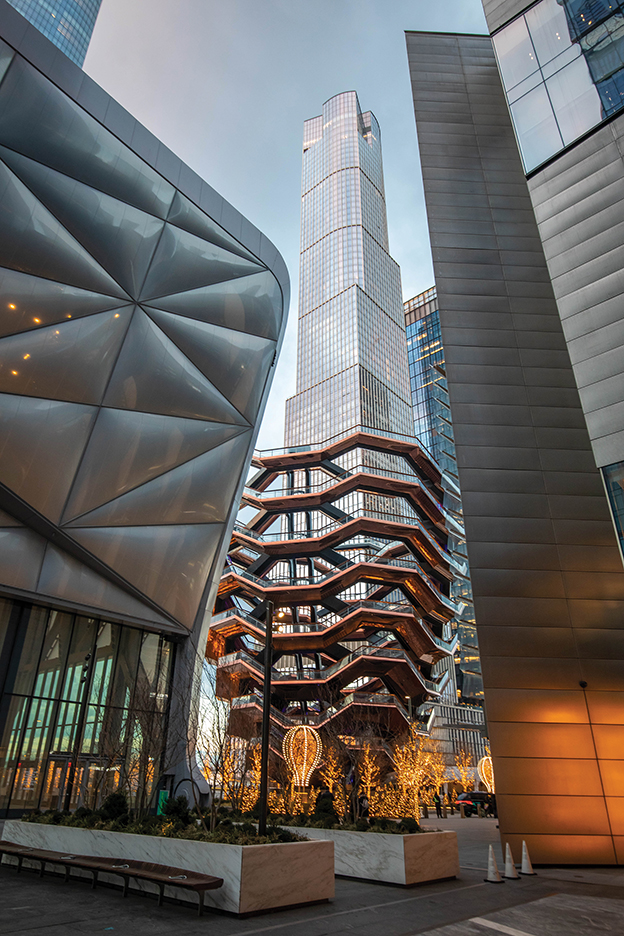
One of New York’s most prominent and controversial modern works of public art is “Vessel” at Hudson Yards, an intricate structure of interlocking stairways completed in 2019. With approximately 150 flights of stairs (2,500 total steps), it creates an imposing, beguiling centerpiece to the ambitious $25 billion mixed-used development. Conceived by British designer Thomas Heatherwick, Vessel remains closed until new safety measures can be incorporated into the 150-foot-tall structure, but it remains a striking piece of visual, if not interactive, art.

The value of public art installations in open spaces was heightened during the pandemic, according to the Public Art Fund, a nonprofit dedicated to bringing art to wide audiences in New York City. “The pandemic has highlighted our shared outdoor spaces as essential community resources and spaces of both physical and spiritual renewal,” observed artistic and executive director Nicholas Baume, noting that the organization’s resolve only intensified when local museums were shuttered.

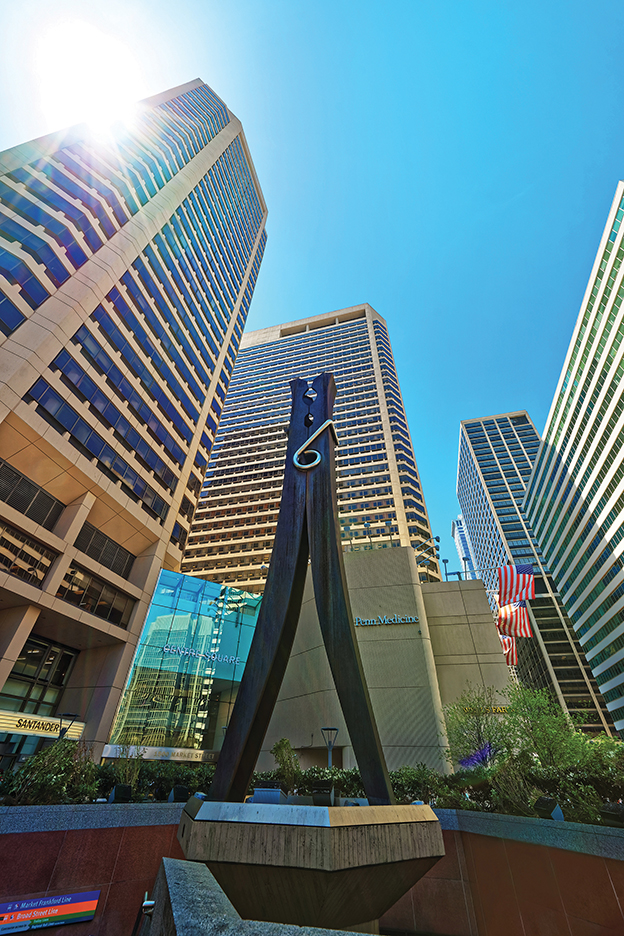
Claes Oldenburg’s “Clothespin”

In the spirit of Chicago’s towering downtown artwork is Philadelphia’s “Clothespin,” the 45-foot steel sculpture by Claes Oldenburg, a master of public art who recently passed away. Gracing a plaza facing Philadelphia’s City Hall — that historic building being crowned with a bronze statue of William Penn — Clothespin creates a quintessential juxtaposition between historic and contemporary public art.

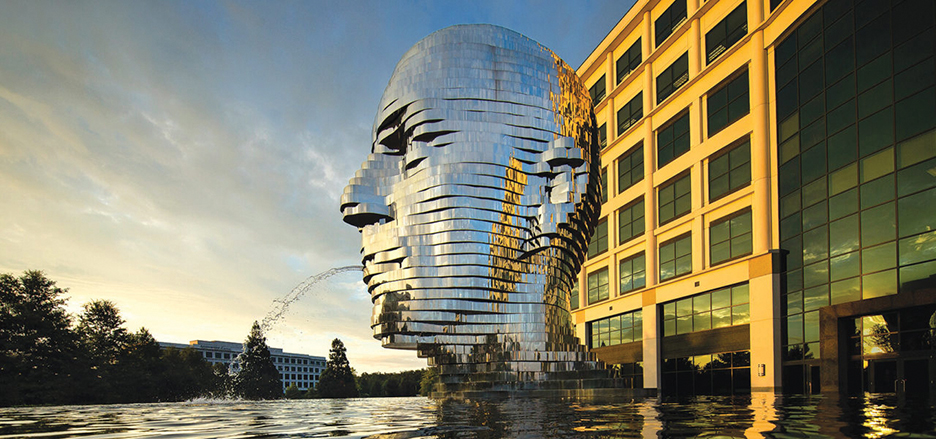
For an emerging metropolis, Charlotte, North Carolina, boasts a surprisingly impressive portfolio of contemporary public art. Most conspicuous is the glistening “Metalmorphosis” from Czech sculptor David Cerny, a 31-foot-tall head rising from a reflecting pool on a plaza at Whitehall Corporate Center, a development featuring an entire collection of public art.

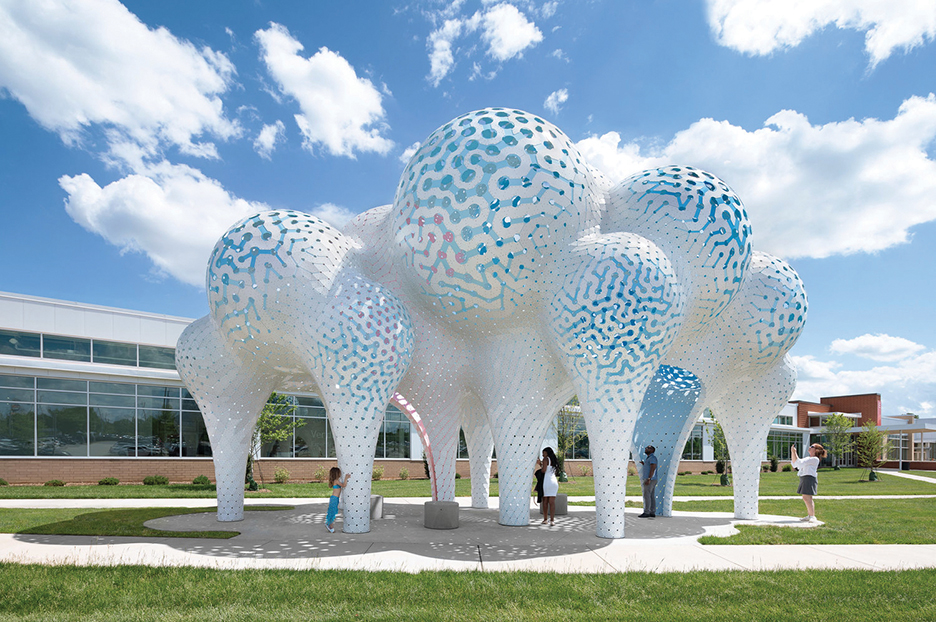
The piece, clad in mirror-finished steel plates, consists of rotating layers that create abstract forms, but when they are all aligned, water flows from the mouth of the perfectly formed head into the surrounding pool. The fluidity of Metalmorphosis provides a sense of symmetry with the water feature and its otherworldly looking face demands attention. “Pillars of Dreams,” a cloudlike structure of perforated aluminum by Brooklyn-based architect Marc Fornes, is another significant piece of public art in the Queen City.

David Cerny’s “Metalmorphosis”
Marc Fornes’s “Pillars of Dreams”

“Pillars of Dreams,” a cloudlike structure of perforated aluminum by Brooklyn-based architect Marc Fornes, is another significant piece of public art in the Queen City.

Los Angeles has a strong tradition of public art, from the Watts Towers to artist Chris Burden’s addictive “Urban Light” installation, an interactive collection of 200-plus vintage streetlamps. The city also boasts an extensive collection of independent and publicly sponsored murals fueled by the city’s rich history of street art. Felicia Filer, acting assistant general manager and public art division director of the City of Los Angeles’ Department of Cultural Affairs (DCA), reports, “Murals and street art continue to be some of the most publicly accessible public art forms in Los Angeles.”

Referencing the city’s wealth of artistic talent, Filer states, “The artists want to make their murals and works accessible to all, and DCA does all it can to support them and their efforts whenever possible.” She adds, “The painted history of L.A., one of the major mural capitals of the world, encapsulates a great pride in this art form that continues to appeal to people with important social justice messages.”

Classic L.A. murals include “Morning Shot,” a 35-foot-tall Venice Beach image of rock music icon Jim Morrison painted by Rip Cronk, and “The Pope of Broadway” from muralist Eloy Torrez that depicts actor Anthony Quinn. Adding a touch of culture to the morning commute for 30 years is artist Kent Twitchell’s signature “Harbor Freeway Overture,” an elegant portrait of a chamber orchestra towering above a downtown freeway interchange.

Leave a comment

Only Murders in the Building

By Ritika Jain
Photography by Evan Joseph

In New York City, it’s impossible to count the number of grand, historic buildings you end up walking past. The city is dotted with towering buildings that have withstood the test of time. If you’ve been watching the hit Hulu series “Only Murders in the Building,” starring Steve Martin, Martin Short, and Selena Gomez, you might have noticed one of them. The show is predominantly set at The Belnord, a timeless prewar residence built in 1909 that takes up an entire block on the Upper West Side.

The Belnord boasts a commanding presence with exquisite, regal architecture and private, spacious entrances for residents to comfortably unload their belongings. Despite being built over a century ago, the building offers the height of modern luxury with renovated condominiums and a redesigned courtyard, making it especially attractive for affluent buyers.

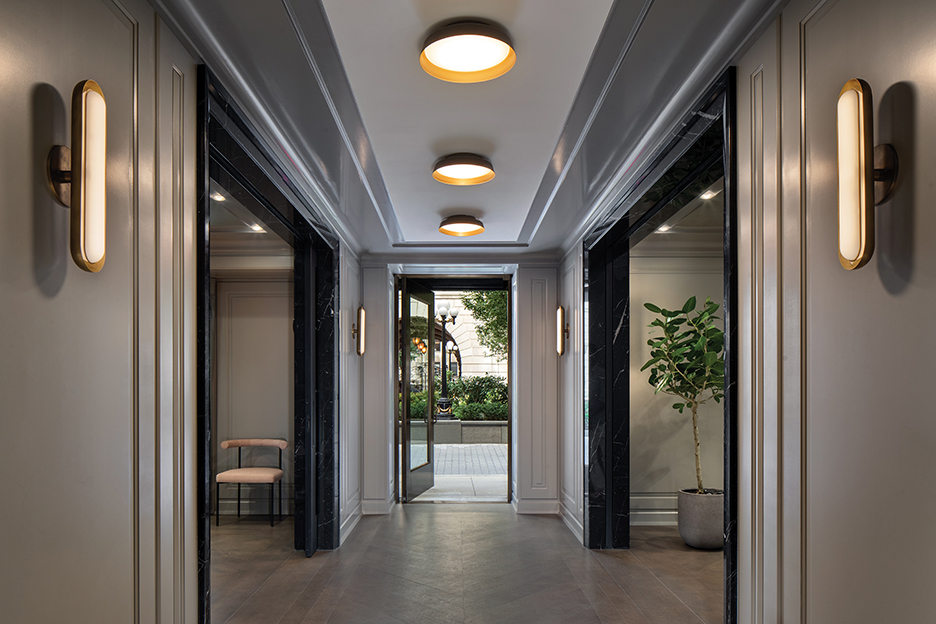
Given the location of The Belnord, one would think that privacy would be hard to attain. However, the building is structured so that residents can freely enter and exit without wrestling through a crowd. There are 6 different residential lobbies, each with a private elevator, grand staircase, and freight lift to lead them up to their residence. The lobbies themselves are extremely upscale, with white high-gloss painted wall paneling, satin nickel hardware, and restored polished mosaic floors.

The Belnord Lobby

As for the residences, they are essentially large, apartment-style homes and nothing short of impressive. Robert A.M. Stern can be credited for the interiors, rethinking the original floor plan to implement a classic layout with contemporary features that complement the building’s structure while satisfying modern tastes.

Common features include grand arrival foyers; gracious bedroom galleries; a 5-inch, rift-cut, solid white oak chevron accent floor; and custom base, casing, and crown moldings. The kitchens are also notable elements, custom designed by Robert A.M. Stern and complete with polished Calacatta Gold marble countertops, a windowed eat-in area, and appliances by the luxury appliance brand Gaggenau, including a 5-burner gas cooktop and fully integrated column refrigerator and freezer.

Upon restoring The Belnord, the architect and designer were committed to retaining the prewar aesthetic while accommodating modern living expectations, according to Maya Kadouri, The Belnord’s director of sales at Douglas Elliman. In order to accomplish this, they used some of the same materials used in the original structure to preserve the building’s original feel. While today’s homebuyers have their eyes set on all things modern, the prewar aesthetic of The Belnord is a rare offering on the Upper West Side that exudes class and opulence.

The Belnord Children's Room

“Restoring any prewar building, you have to be extremely knowledgeable in how to restore, but also create something that buyers of today can relate to while still retaining the prewar aesthetic. We try to use subtle, modern finishes and natural materials to highlight the history of the building,” explains Kadouri.

Aside from the desirable prewar design, the vast collection of amenities at The Belnord, known as The Belnord Club, also remain a significant draw for homebuyers. Residents of all ages enjoy access to a variety of spaces to dine, entertain, relax and stay active, including a sophisticated entertainment lounge with a dining room, a state-of-the-art fitness center, yoga studio, aerobics/stretching room, and a sauna with locker rooms.

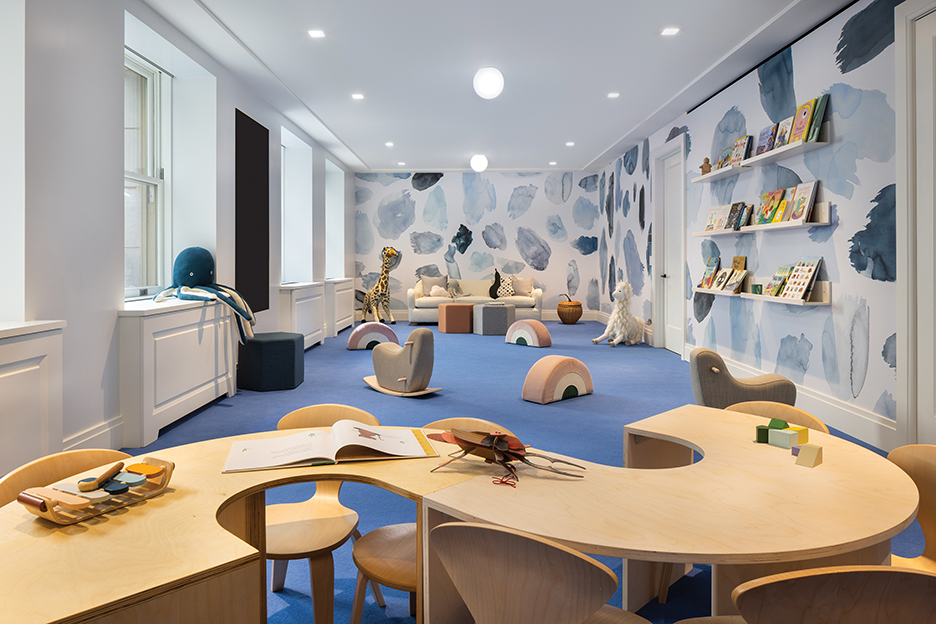
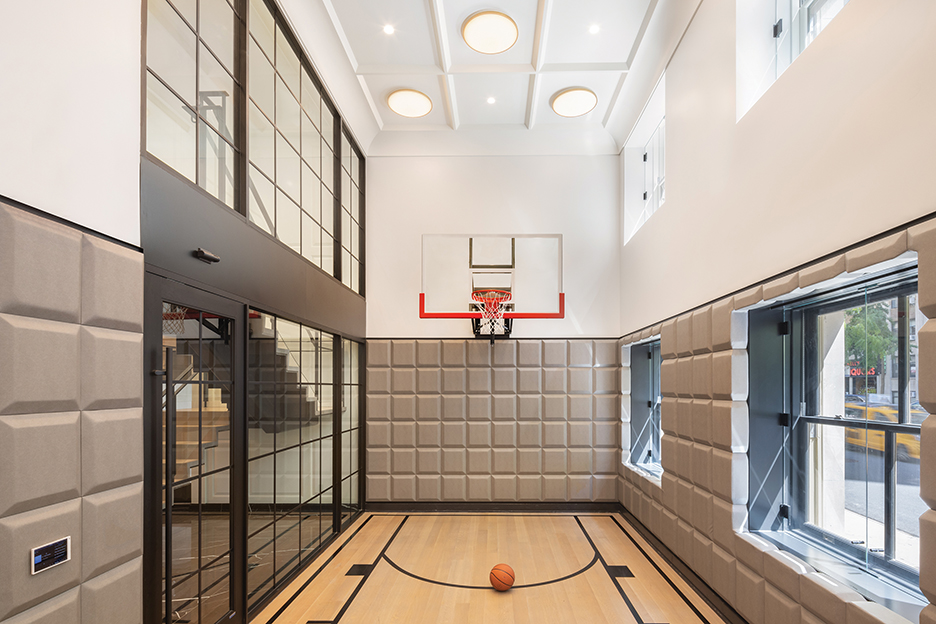
The children’s playroom is full of whimsy and imagination, creating the perfect refuge for children to play and engage while teens can congregate in the teen lounge, which offers a pool table and separate kitchen. The double-height, high-tech sports court is also popular for its leather-cushioned walls and multipurpose use.

The Belnord Sports Court

“It’s rare to find a prewar building with 30,000 square feet of interior and exterior amenities,” says Kadouri. In order to keep the building up to date with current demands, this is achieved by assessing how people like to spend their leisure time and what is missing from their residence, she says.

“The concept is to have an extension of your residence so you have somewhere else that feels like a part of your home. Now we see sports courts are very much a draw as well as separate lounges and playrooms for older and younger children.” All the amenities are strategically located on the ground floor or second floor, rather than in the basement, ensuring the utmost service and convenience for residents

The Belnord Courtyard and Garden

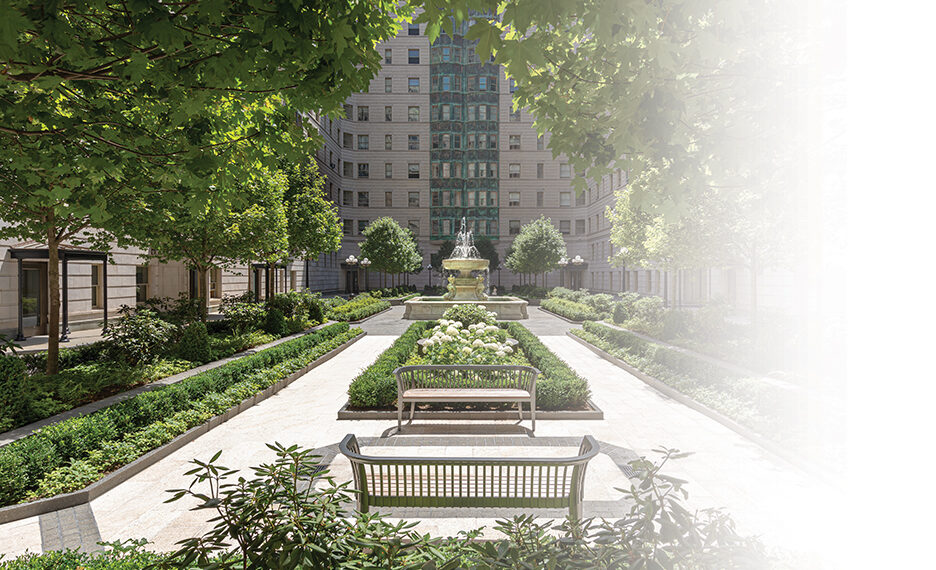
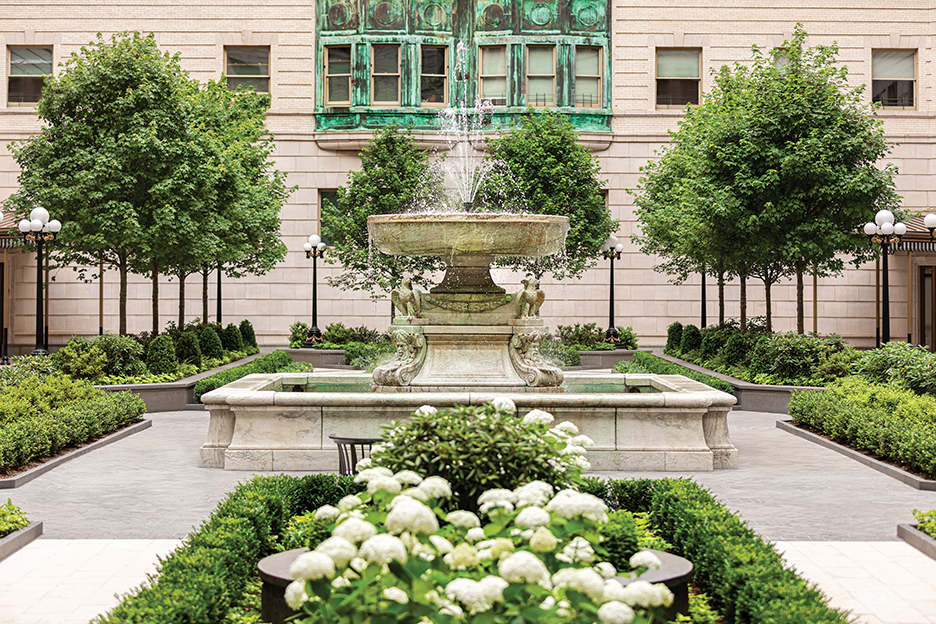
When considering all the perks The Belnord has to offer, the pinnacle is undeniably the courtyard garden, which is one of the city’s largest at 22,000 square feet. A large interior courtyard that serves as the focal point of a building is also a historic concept, harkening back to European palatial architecture, says Kadouri. Re-landscaped by Edward Hollander, it now offers beautiful greenery, a tranquil water fountain, and great light. “It adds a much-needed sense of serenity and a respite from city life,” reaffirms Kadouri.

The Belnord has seen growing interest in its residences, particularly due to its presence in the show “Only Murders in the Building,” which premiered in 2019 on Hulu and just released a star-studded second season. It serves as an important character in the story of three residents who bond over their true-crime obsession when a murder takes place in their building, coined as the “Arconia.”

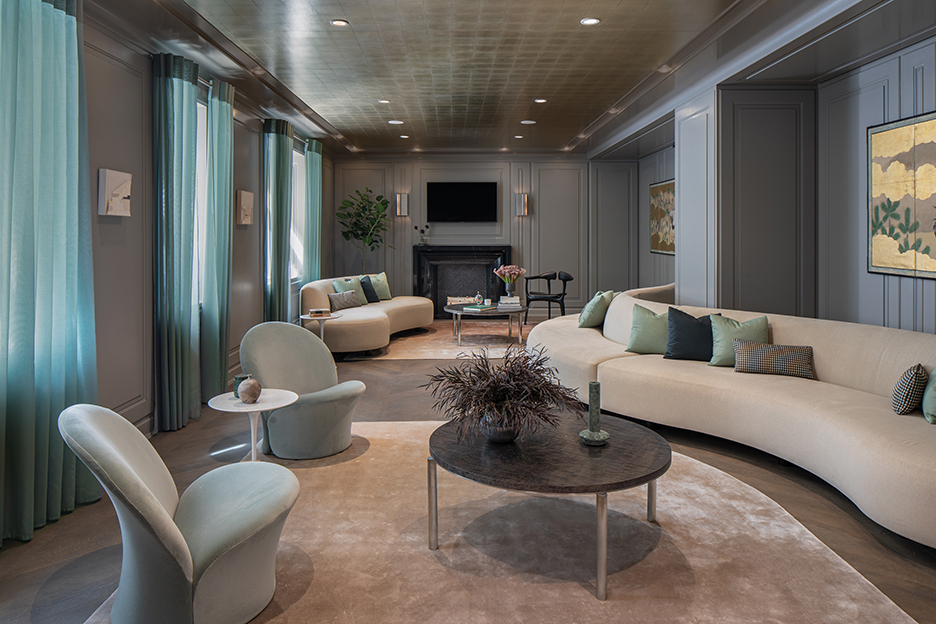
Relax or entertain in the Residents’ Lounge, which maximizes comfort and style<br />
with contemporary details and an elegant marble fireplace.

Evidently, the show markets the building well as affluent viewers are making the transition to residents. The building has had three deals over $10 million in the last month, and the condominiums are nearly 75 percent sold.

When selecting a location for their comedic murder mystery, creator John Hoffman and actor Steve Martin were looking for a rare Upper West Side retreat with a large courtyard, and The Belnord made their vision possible. Current residents have even had the perks of getting a sneak peak of the filming of the second season.

“In the last episode, they invited some of the residents as extras. A ton of crowds would form outside the gate and get a peek of the stars. There was one day they were filming and they turned all of 86th Street into a stage and brought in cars and buses for one of the scenes,” relates Kadouri.

The Belnord has a layered history and an equally intriguing present, offering a romantic city lifestyle with almost every luxury at your fingertips. Get a closer look in the show “Only Murders in the Building,” or stop by the grand structure in person. Who knows, maybe you’ll get a sneak peek of Season 3.

Leave a comment

Health in the City

By Camilla McLaughlin

In 2019, the Global Wellness Institute called out urban wellness resorts as a future trend. Then the pandemic changed everything. Or so it seemed. Today, urban wellness appears even more prominently on the horizon. And a growing number of interest groups, developers and placemakers are taking notice. The trend has broadened beyond urban resorts. Now, Beth McGroarty, vice president of research for the Global Wellness Summit, says it’s “about how more affordable, democratic access to wellness is hitting global cities.”

Along with new urban resorts, multiple plans are underway for parks and new green enclaves in cities. In Europe, German-based Therme Group is working to bring an ancient bathing tradition to major cities. Urban resorts, many dedicated to wellness, are on the drawing boards of major hospitality brands. And increasingly, urban parks are valued for health benefits and social capital.

Turning Tides Festival

“Back in 2019, we predicted wellness resorts would expand beyond their exotic, far-flung destinations and hit more cities. Then the pandemic hit, and the urban wellness resort, a trend with powerful pre-pandemic momentum, felt on hold,” explains McGroarty.

Now, new chapters in the urban wellness story are being written, and for 2022 the concept has morphed beyond urban resorts. Instead, new urban parks and enclaves of green, a course planners and the Urban Land Institute have been promoting for more than a decade, expand the concept. “The trend is about how more affordable, democratic access to wellness is hitting global cities,” says McGroarty.

Urban Bathhouses and Wellness Playgrounds, one of eight trends the Institute cites for 2022, explores the many ways cities are being redesigned. McGroarty explains: “It lays out how urban landscapes are moving away from cars, pollution and endless consumerism to develop more green and communal spaces; how new man-made beaches, free pop-up wellness and fitness classes, and even water sports are now hitting unexpected cities such as New York, Paris, London, Sydney, Madrid and Tokyo; and how an urban bathhouse renaissance is underway.”

Wellness on the Tide

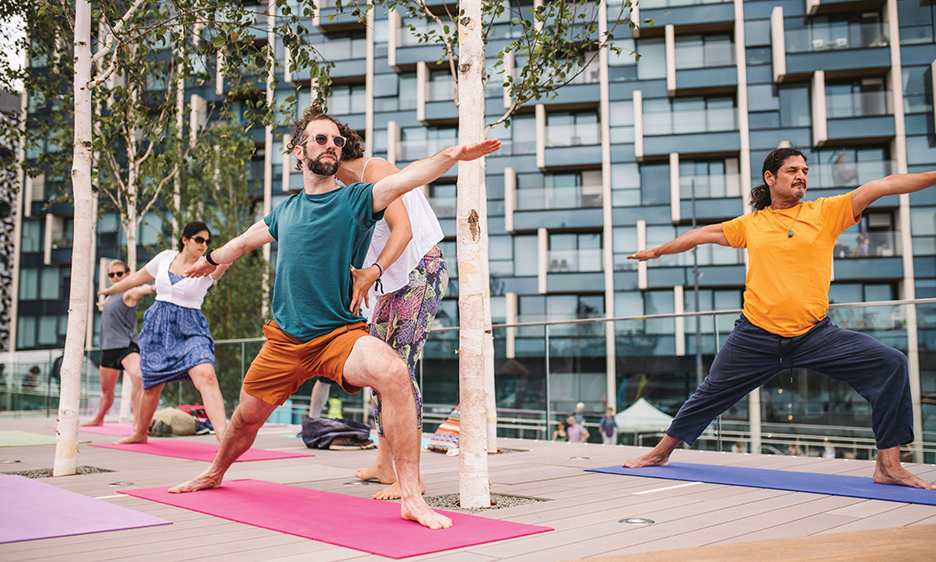
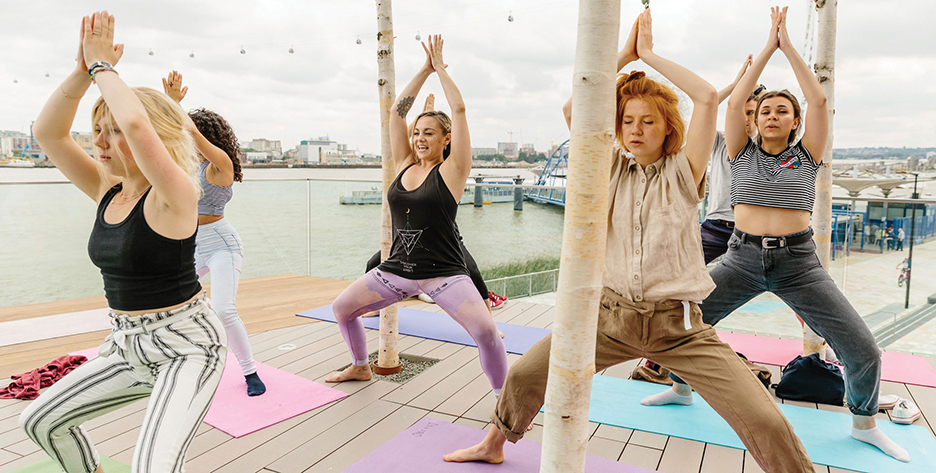
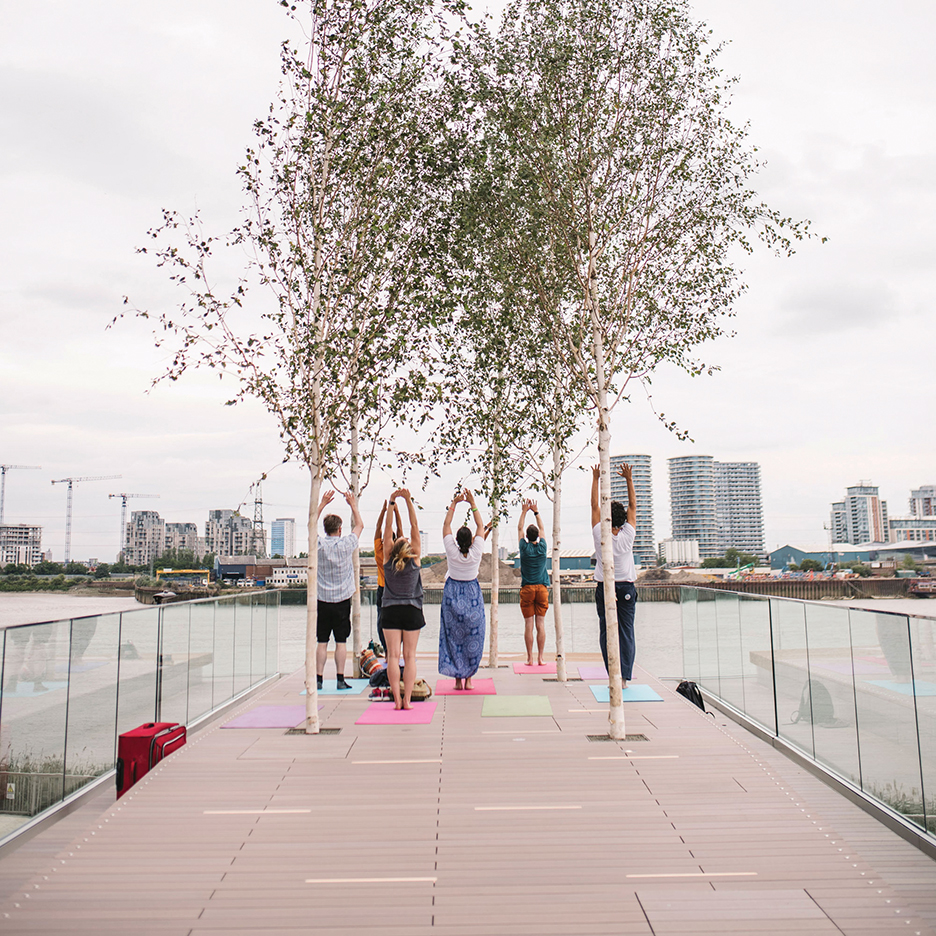
In the U.K., The Tide, London’s first-ever elevated riverside linear park, is a new hub for fitness and wellbeing on the Greenwich Peninsula (one of the World’s Greatest Places 2021 per Time magazine). A 5-kilometer running/walking track follows the water’s edge. Outdoor meditation pods, wellbeing workshops, and a gym make it an ideal place to walk, run, meditate or join a yoga class with an unbeatable riverside view. There is also an impressive public art trail with significant sculptures by Damien Hirst, Allen Jones and Morag Myerscough.

Therme Group already has water-wellbeing resorts in three German cities and Bucharest. Expansion targets include the U.K., Europe, Asia and North America. Under development are projects in Glasgow, Bad Vilbel, Frankfurt, Toronto and Manchester. “The Manchester property coming in 2023 reveals just how far beyond a ‘water park’ this urban wellness resort is,” shares McGroarty.

Set on 28 acres, it features 25-plus pools, an all-season urban beach, more than 30 saunas/steam rooms (and Sauna Aufguss performances), 1,500 trees and “living” water slides, fitness and yoga classes, a big urban vertical farm and arts programming. These parks “attract thousands of people a day, partner with hotels for those traveling, and represent a very different, super-affordable version of an urban wellness resort,” explains McGroarty.

GWS Trend
GWS Trend Gym

Upscale Urban Wellness

At the high end, the urban wellness trend continues at a brisk pace. “During 2021, when the concept of ‘home’ became synonymous with home office, gym, entertainment center, and space to retreat and relax, we saw the growing importance of incorporating flexibility in residential design,” said S.B. Architects President and Principal, Scott Lee. “Flexibility also became paramount for hotels and creating a less-defined program — such as multi-purpose public space and reimagined spaces for F&B, lounge, and lobby — will continue to be advantageous in the future.

Overarchingly, creating opportunities for people to decompress in urban environments, enhancing physical, mental, emotional, spiritual, and social wellness, and quenching a thirst for the outdoors will be key drivers for architects and designers in 2022.” Big wellness hospitality groups plan to open dozens of properties in the near future.

New properties for Six Senses include Rome later this year; London and Kyoto in 2023; and Lisbon, Bangkok, Istanbul and Shanghai. CEO Neil Jacobs recently discussed a new concept for wellness membership clubs, Six Senses Place, that will be integrated into their urban hotel-residential properties.

Future of Wellness report

Aman is also making major urban wellness moves with new properties slated for cities from Miami Beach to Tokyo. The Aman New York hotel and residences, slated to begin taking reservations in late July, incorporates three floors dedicated to holistic wellbeing and a 25,000-square-foot spa.

As part of One Beverly Hills, a planned 17.5-acre lifestyle campus, Aman plans to open a hotel, residences and Aman Club open to residents. Plans for One Beverly Hills create a new vision for urban architecture with flowers and greenery cascading from decks and terraces. The defining feature of this green oasis will be eight lush acres, with 13 curated gardens that will feature native and cultivated Southern California species.

In the U.S., Equinox Hotels opened its first property at New York’s Hudson Yards in 2019, complete with a dizzying array of wellness programs — from biohacking treatments to personal sleep coaching. Expectations are Equinox Hotels will build 33 properties (mostly in key cities) in the next decade, with 15 already in the pipeline.

Urban wellness might be singled out as a future trend, but all these examples illustrate it’s well on the way to becoming a reality.

Leave a comment