All posts by Unique Homes Staff

The Arsht Estate, Cover Property from the Summer 2022 Prestige Magazine, Sold!

By Brigitte Sinoradzki

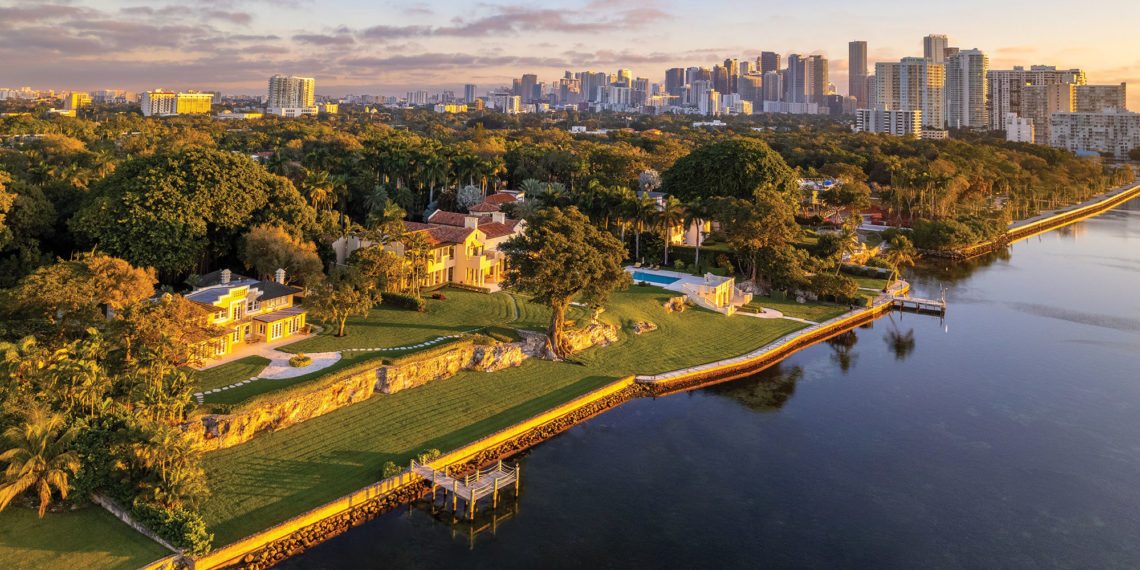
Philanthropist and Businesswoman Adrienne Arsht has sold her waterfront property on Miami’s Biscayne Bay after listing it in January for $150 million with Berkshire Hathaway HomeServices EWM Realty

The compound, set on 4 acres featuring spectacular water views and two separate mansions, was sold for $106.875 million. This is the first time in Miami-Dade County’s history that a residential property has sold for an amount exceeding 8 figures.
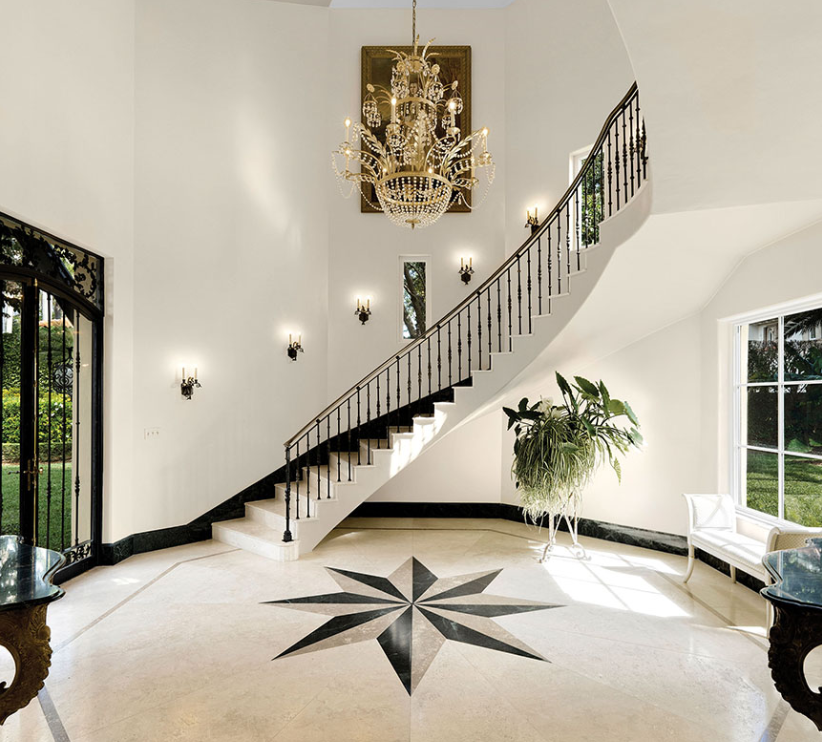
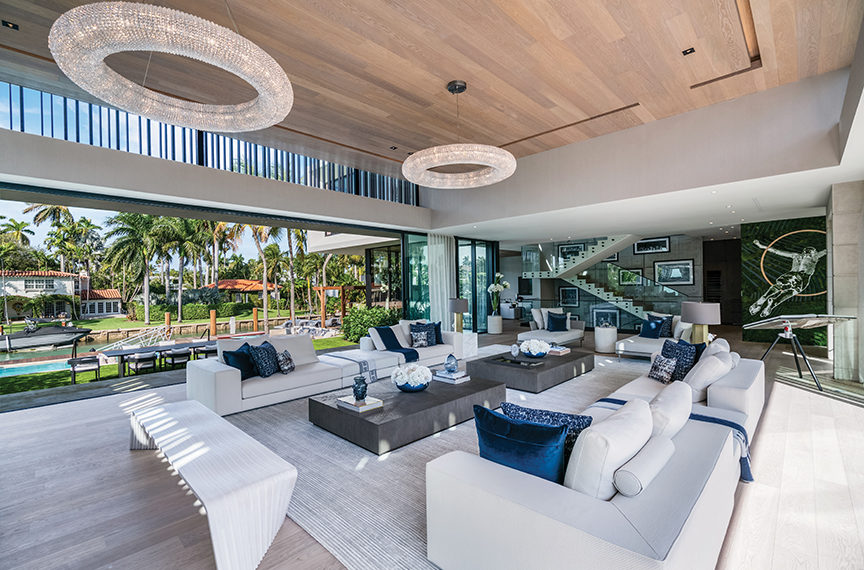
Arsht Estate Interior

Ashley Cusack, the listing agent of this extraordinary estate, worked closely with Ms. Arsht to find the perfect buyer to reside on the immaculate property. Ms. Cusack says, “It was an honor to work with Ms. Arsht in this endeavor and to have had the opportunity to represent this historic property. Her love and passion for her home was evident  from day one, and resonated strongly throughout our marketing period. I am incredibly grateful for the support of everyone who was involved in connecting the perfect buyer to this breathtaking property.”
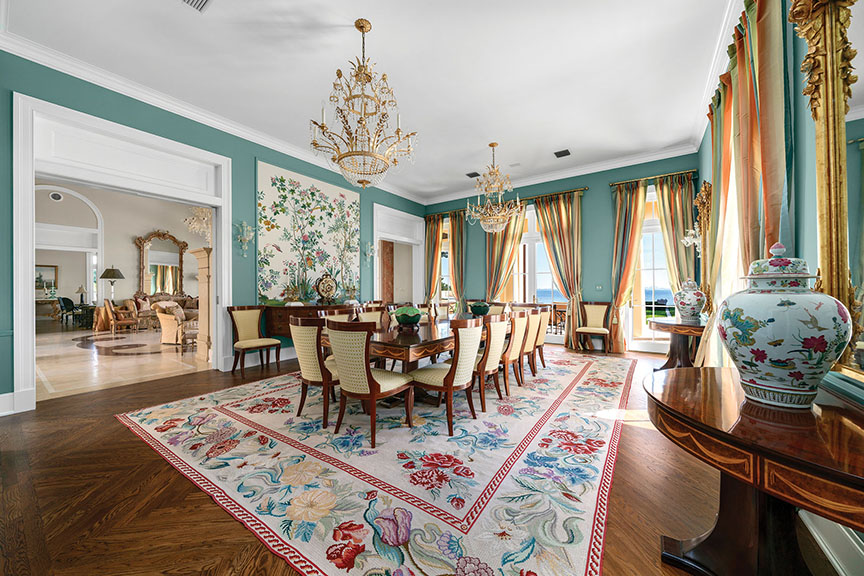
The home is incredibly rich in charm, character, and history. It is a storied home with 2 primary dwellings and 2 guest homes, plus a variety of accessory buildings. With over 400 feet of waterfront, the new owner will not only enjoy stunning views of Biscayne Bay, but also of the commanding Miami skyline. In an unparalleled neighborhood of Miami — neighboring the Vizcaya Museum — the Arsht Estate has hosted countless dignitaries, celebrities, and philanthropic leaders. If walls could speak, this estate would have a lot to tell.
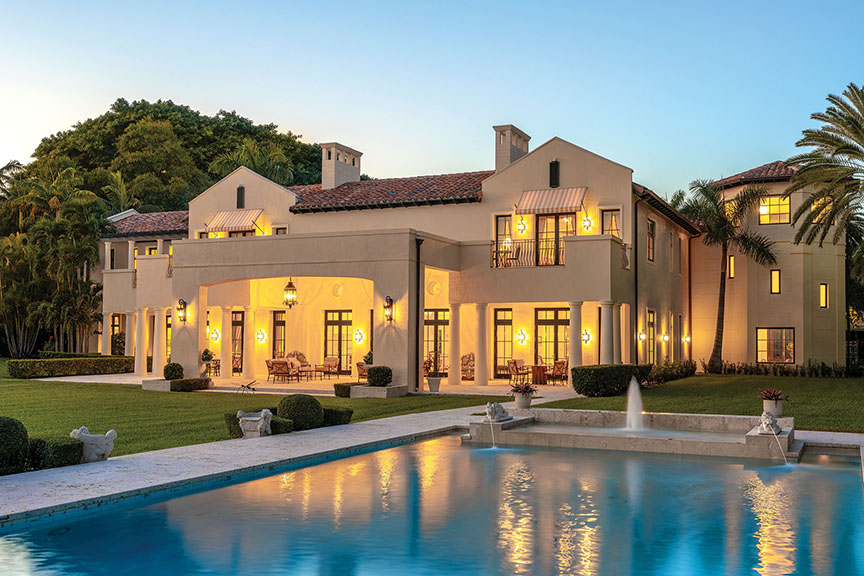
Arsht was quoted in a press statement saying, “As the steward of this beautiful property, I am proud to leave its legacy to the next generations of caretakers. May they also enjoy the breathtaking view!” 

This home sale broke the previous Miami-Dade record of $93 million set earlier this year when the founder of Intersystems bought three adjacent oceanfront homes in Golden Beach.

Leave a comment

John Naumann & Associates Joins Berkshire Hathaway HomeServices Florida Realty

Berkshire Hathaway HomeServices Florida Realty is pleased to announce that it has expanded its Lee County presence for the second time this year with the addition John Naumann & Associates. The transaction adds its REALTORS® and staff to the statewide company. Terms were not disclosed.

The brokerages’ founder, John Naumann, who passed away suddenly in July, first came to Sanibel in 1972 and founded John Naumann & Associates, Inc. in 1975.  John built the company into the largest real estate brokerage company on Sanibel and Captiva Islands with annual sales of more than $400 million.

John Naumann & Associates have an impeccable reputation and have represented the region’s finest properties.

“This acquisition serves as a tribute to John Naumann’s honorable legacy and ongoing commitment to serving the real estate needs of the Sanibel community.  We are proud and fortunate that they have entrusted us to continue in his honor as John Naumann & Associates transitions to Berkshire Hathaway HomeServices Florida Realty.  The pillars of our core values – longevity, stability and integrity are perfectly aligned with those of John Naumann & Associates.  The firm’s associates are well-respected throughout the local community and southwest Florida, and we are pleased to welcome them to our “Family of Services,” said Rei Mesa, president and CEO of Berkshire Hathaway HomeServices Florida Realty.

“We are honored to have the associates of John Naumann join our Southwest Florida region,” remarked Shawn Strodoski, Regional Vice President, Berkshire Hathaway HomeServices Florida Realty.

“John Naumann & Associates have enjoyed great recognition and success over the years assisting customers with outstanding results.  Berkshire Hathaway HomeServices Florida Realty’s solid reputation, global brand recognition, along with their long-term vision are an excellent match for my father’s company and for the dedicated and loyal REALTOR® associates who deserve the continued expectation of excellence and leadership.  We are proud to have the Berkshire Hathaway HomeServices name now associated with the team and look forward to continued success,” commented Jason Naumann, son of the late John Naumann.

The company’s local real estate associates are immersed in the Sanibel and Captiva real estate markets and specialize in condos and waterfront homes for sale. Craig Dorfman, Managing Broker of Berkshire Hathaway HomeServices Florida Realty – Fort Myers located at 6700 Daniels Parkway, Suite 4, Fort Myers, FL 33912, will also be the Managing Broker of the Sanibel Branch Sales Office located at 1149 Periwinkle Way, Suite A, Sanibel, Florida. 33957, Office # 239-472-0176.

The transaction represents Berkshire Hathaway HomeServices Florida Realty’s ongoing growth strategy in Florida.

About Berkshire Hathaway HomeServices Florida Realty

Berkshire Hathaway HomeServices Florida Realty serves 22 counties throughout Florida with over 30 locations and nearly 1,700 sales professionals. The full-service brokerage company, founded in 1999, and is part of HomeServices of America, the nation’s premier provider of homeownership services. The company is a franchise member of the Berkshire Hathaway HomeServices’ network, one of the few organizations entrusted to use the world-renowned Berkshire Hathaway name. The company offers residential and commercial services as well as seasonal rentals, property management, REO & Foreclosures, corporate relocations, referral services, title, financing, home warranty plans, and personal concierge services. Berkshire Hathaway HomeServices Florida Realty ranks in the Top 10 in the network among 50,000 Sales Professionals, 1,500 offices throughout the U.S., Canada, Mexico, Europe, the Middle East, The Bahamas and India. The company has been recognized as the No. 1 fundraiser for The Sunshine Kids Foundation, dedicated to children with cancer, having generated more than $3.9 million. Visit www.BHHSFloridaRealty.com.

Leave a comment

Superstar Mariah Carey’s Atlanta Home Hits the Market for $6.5 Million

Mariah Carey, global pop superstar and the best-selling female musical artist of all time, has listed her Atlanta home for $6.5 million. The home is represented exclusively by Shanna Bradley of Ansley Real Estate Christie’s International in Atlanta.

Set on 4 private, gated acres in Atlanta’s tony Buckhead neighborhood, the Stephen Fuller-designed home offers the utmost in luxury. The beautiful nine-bedroom, nine-bath, four-half-bath home features 12,575 square feet of living space, including every amenity a discerning buyer could want: a custom kitchen, pool, pool house, tennis courts, home theater and workout room – even a recording booth.

The kitchen features a massive marble-topped island, bespoke cabinetry, appliances by ZLINE, Bosch and Sub Zero, and a sunny breakfast alcove. French doors in the kitchen lead to a backyard made for entertaining, with a heated pool, pool house and entertainment pavilion, tennis courts and a charming series of gardens.

A glamorous oversized primary bedroom suite includes a dressing room, private balcony, morning bar and a luxe fireplace surrounded by custom built-in cabinetry, as well as a lavishly appointed bath and an extra-large closet with custom shelving and storage.

The expansive terrace level offers a state-of-the-art home theatre, workout room, private guest suite and living room with fireplace. The living room opens to a large outdoor area which can be used for entertaining or a children’s play area. A recording booth can be found on the large third floor bonus level.

Finished to perfection, the home offers classic Southern architecture with intricate coffered ceilings and arched doorways throughout.

“With complete privacy and amazing amenities, along with graceful Southern architecture, this home is fit for the most discerning buyer,” said Bradley.

“I will always have a close connection to Atlanta! It was a perfect moment during COVID, but I will continue to spend time in New York City, my long-term residence,” said Carey.

The home will be shown by appointment only to pre-qualified buyers. Proof of funds is required prior to viewing.

About Ansley Real Estate Christie’s International

Ansley Real Estate Christie’s International is Atlanta’s top-selling luxury brokerage.  Ansley represents the best of the industry and operates with the utmost integrity.  Savvy, and entrepreneurial, Ansley creates opportunities for their clients and is consistently out front with tech, creative collateral, social media and brand.  Ansley gives a portion of each sale to Children’s Healthcare of Atlanta, currently benefitting the Aflac Cancer and Blood Disorders Center.

Leave a comment

Supreme Auctions To Offer Texas Hill Country CW Ranch at Auction August 30 – September 1.

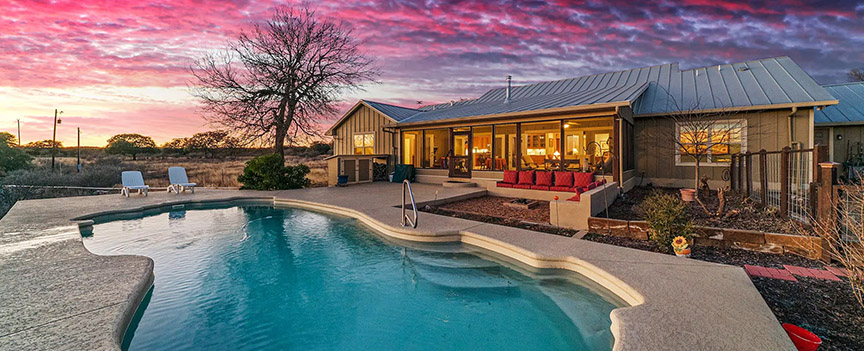
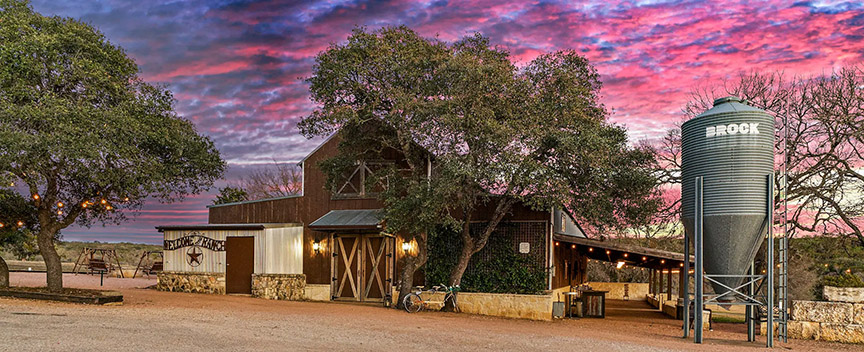
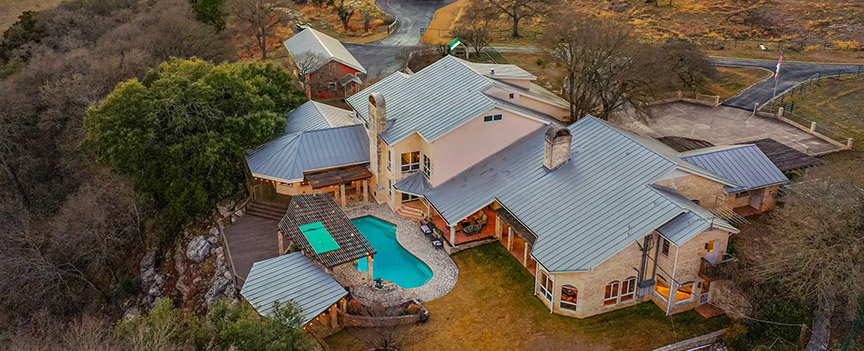
Boerne, TX | August 11, 2022 — Escaping the ordinary just became possible at CW Ranch with spectacular scenic views, mature oak trees, and a variety of wildlife throughout its 66+ acres, rich history, and romantic appeal. This rancher’s delight can be your personal haven, equestrian facility, hunting lodge, family compound, or spectacular entertainment destination moments from both Boerne and Sisterdale. Supreme Auctions will offer this Texas Hill Country ranch property at auction August 30 – September 1, 2022, in cooperation with Pat Welch with Coldwell Banker D’Ann Harper, REALTORS®.

“The auction sale of CW Ranch offers a rare opportunity to acquire a thriving income-producing business, as the established wedding venue and main lodge are highly sought-after among “brides-to-be” and vacation rental seekers,” stated Jennie Heal, president of Supreme Auctions. “With the Hill Country being home to over 100 wineries and vineyards, plus some incredible micro-breweries, residents and visitors alike enjoy endless recreational options, including Boerne’s Hill Country Mile… filled with colorful storefronts, art galleries, culinary delights, and historic buildings.”

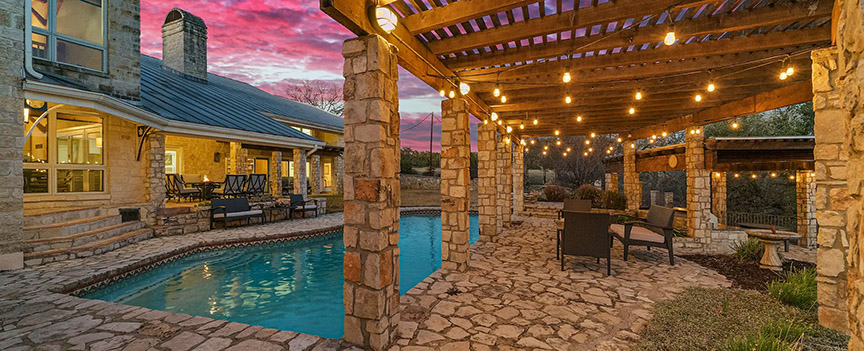
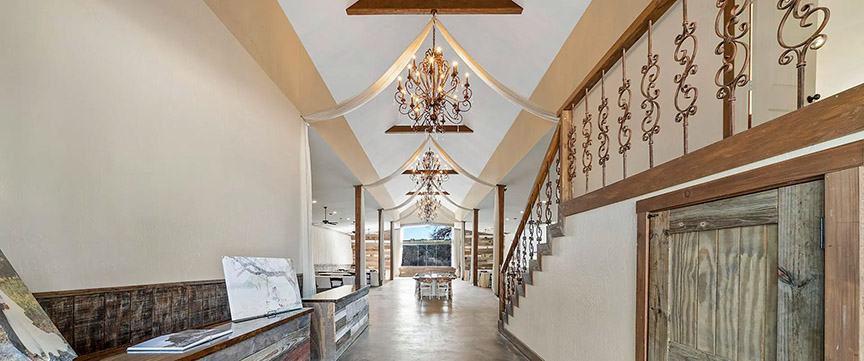
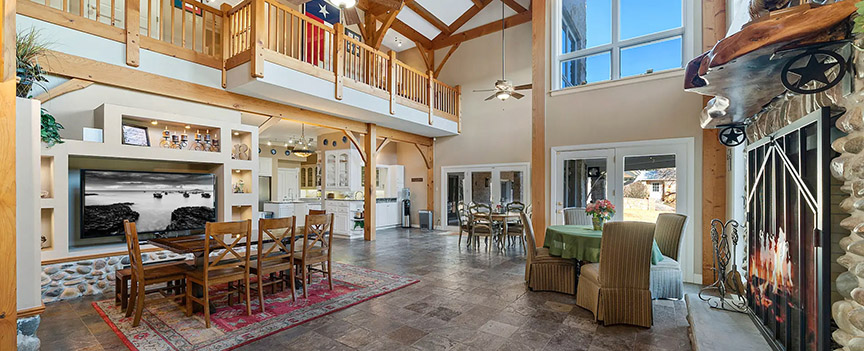
With an unbridled sense of wonder, let your imagination soar as you gaze upon the over 66+ acres of endless possibilities. This traditional ranch dazzles with its sprawling main lodge (which is selling fully furnished), secondary home, entertainment/wedding venue, foreman’s house, guest cottage, two swimming pools, flower shop, workshop/toy barn, seasonal spring-fed creek, water catchment system, and vineyard-ready irrigated fields.

“This homestead is prime property with gorgeous views, lots of oak trees, rolling grazing fields, and rustic elegance, creating the perfect backdrop for your dream getaway,” stated listing agent Pat Welch. “Combined with the quiet seclusion, beauty of the property, and the park-like atmosphere filled with wildlife, you can’t go wrong with CW Ranch.”

The CW Ranch’s main lodge is primely situated on the property with a large, covered patio and extended deck to enjoy the warm Texas air. The outdoor areas of the lodge provide the ideal environment to relax by the pool, host large gatherings, or simply soak in the Texas Hill Country views. Just across from the main lodge is a secondary home that also enjoys stunning panoramic views and a private pool. An ancillary drive provides access to the existing wedding/entertainment venue, an active revenue-generating business for the current owners. Supporting the wedding venue is a workshop/toy barn, a flower shop, foreman’s house, and guest cottage.

“It has been a blessed experience raising our family at CW Ranch,” stated the current owner. “This homestead was perfect for raising our family, holiday celebrations, and offering peace, quiet, and tranquility throughout the property. As a bonus, we could jump in the car and be in San Antonio in less than an hour or at our favorite restaurant in 15-20 minutes. This ranch has everything and more.”

The CW Ranch provides the perfect setting for ranchers, families, and events in the heart of Texas Hill Country. This distinctive property will be sold at an auction August 30 – September 1, 2022, to the highest bidder. To learn more, contact Supreme Auctions at (866) 929-2243 or visit the Property Details page.

Leave a comment

Detailed Design

By Lara Becker

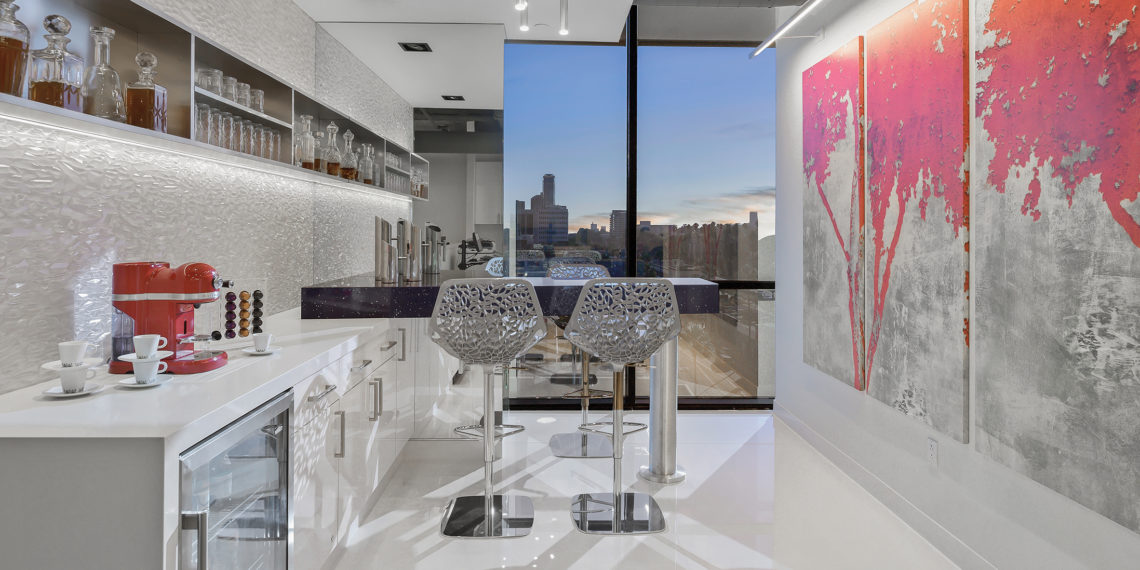
Custom design for a high-end space requires exceptional talent, a keen eye for detail, and an extensive history in the field. Christopher J. Grubb, President and Founder of Arch-Interiors Design Group in Beverly Hills, California, has all three and more. Grubb has accrued more than 25 years of experience in the industry, and established Arch-Interiors in 1994. It’s important to him to create rooms that are distinctive yet timeless. Highlights of his career, according to Grubb, have included the refurbishment of a commercial space for Maxxam Enterprises in Los Angeles with a whiskey bar, and a California Contemporary Spanish home that he remodeled twice. Read on to hear more about this industry giant and his luxury spaces that are transforming Beverly Hills.

What inspired you to start out in this industry?

From a very young age, I knew I wanted to be around architecture and design. My grandfather worked as a general contractor and my father was a construction estimator, so I’ve been surrounded by construction my entire life. Additionally, my grandmother owned a giftware store which was in our family for over 100 years. I helped her with merchandising and window displays, learning a sense of aesthetics and scale.

While still at University, in my senior year I started to get design projects, but ultimately knew I needed more experience, so I put a pause on truly establishing my own business. After 3 years in Los Angeles, an opportunity presented itself from someone who had many companies, and what I thought was an in-house design opportunity turned into a start-your-own business catalyst. It was really the perfect jumping point to start and grow my own firm. Those relationships resulted in an amazing 4,000-percent growth in the first 17 months that my company was in business.

What sets your designs apart?

First of all, I have phenomenal long-term resources that allow me to create completely custom furniture and lighting. My clients want something unique and different; they’re not interested in what’s “trending.” They want something you won’t find on the market, which as an artist is tremendously rewarding. Manufacturers I work with remark that my designs are notably unique, and there’s nothing similar seen on the marketplace. I also have a real passion for using unique materials in an unexpected way — everything from wood veneers to natural stone and mosaics.

What does your design process look like, and where are you in that process?

I’m involved from moment one: actively participating in the concept, space planning, and the design presentation through on-site supervision of construction which make sure our vision is fulfilled. At the onset of seeing a space, I can visualize what I want the space to look like. I share that with my team of designers and encourage their active participation. I’m committed to supporting their creativity. After all, there are a multitude of challenges on a project, but being creative is why we all went into the design field! My philosophy during the concept phase with my team is: Show me what I asked for, show me what the client asked for, and show me your ideas. As long as we respect the client’s wishes, I’m open to ideas. Ultimately, it’s about the client, not about us.

Are there certain materials that have become a part of your signature style?

As I mentioned, I love natural stone and mosaics. I also prefer to blend a variety of metal finishes. Another thing that sets my designs apart is that I don’t believe that materials belong in a certain category. For example, some designers think that natural stone isn’t suitable in a commercial project. I disagree. I don’t hesitate to mix materials that are traditionally meant for residential, commercial, or healthcare, into another type of project if the material works.

What are the staples you think every home space should have?

Every home — and every space in every home — should have as much natural light as possible. I love incorporating oversized windows, with privacy capabilities, of course. Natural light is truly a key element when designing for wellness — and all designs should really focus on wellness. Just as with materials in general, I love the use of something “unexpected.” Whether it’s a piece of furniture that the client is passionate about, or maybe a unique piece of art, if it makes the client’s eyes light up when they walk in the room, that’s what really matters. Every home should be composed of elements that the client doesn’t just like, but loves.

What is the goal for where you want your brand to go?

The mission is to create interior and product designs that are distinctive, compelling, experiential, and of superb quality. The goal is always to provide a sense of individuality … to give our clients a project that is as unique as they are. Simultaneously with products, the vision is not just to design products for the high-end market, but also the affordable luxury consumer market.

Leave a comment

Taco Tuesday

By Roger Grody


Tacos are the ultimate street food, and college kids, frazzled moms and anybody on a budget knows they are also typically a great value. But as the tradition of “Taco Tuesday” has spread from the American Southwest through the entire nation, innovative chefs have begun incorporating luxurious or unexpected ingredients into tacos, elevating the humble dish to new heights.

Nobu Malibu, typically overrun by celebrities on weekends, features a variety of upscale tacos fashioned from wonton shells. The fashionable outpost of sushi master/entrepreneur Nobu Matsuhisa offers miniature tacos stuffed with luxury ingredients such as uni, Wagyu beef and lobster, all providing a suitable homage to the Mexican heritage of Southern California.

In New York, chef Alex Stupak — he co-authored the James Beard Award-nominated book Tacos: Recipes and Provocations — explores the versatility of the taco at his growing collection of Empellón Taquerias. In the book’s introduction, the chef characterizes the recipes for taco fillings he presents on the following pages, presenting unconventional concepts like chicken wing tacos or pastrami tacos that intrigue readers. “Some are classic, like sticky pork carnitas, musky tripe or cochinita pibil. Others use tradition as a springboard for innovation or as an opportunity to explore my own roots in a Mexican context,” he explains. Stupak’s oyster tacos are a nod to his New England heritage and his foam-topped tacos are the product of years working in trendy American kitchens.

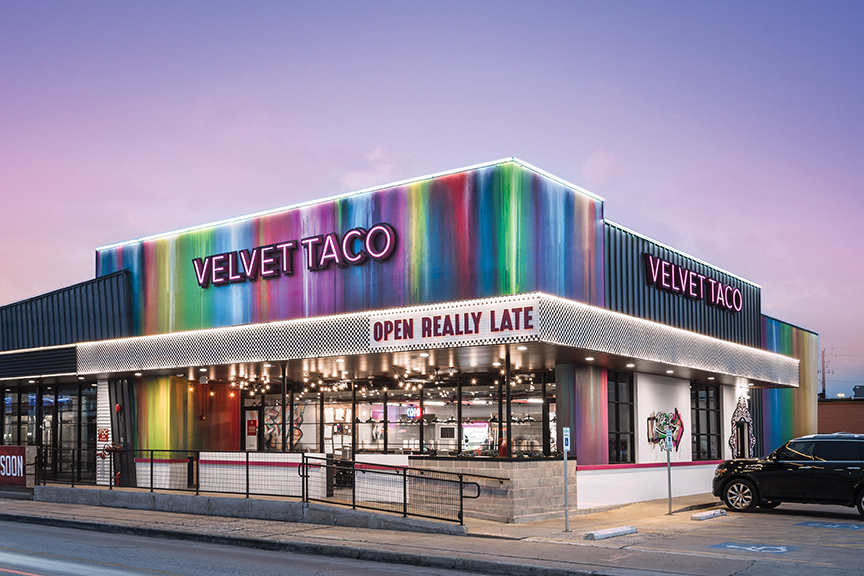
Velvet Taco

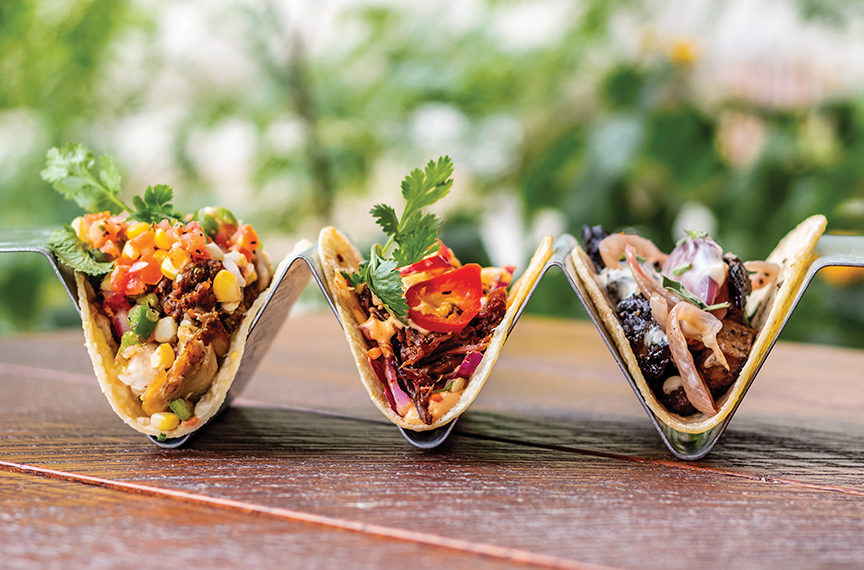
Since it was founded in Dallas in 2011, Velvet Taco has spread like wildfire throughout Texas and to Georgia, Illinois and beyond, promoting itself as a “temple to the liberated taco.” Without the constraints of strict authenticity or national borders, its chefs have been free to create a culturally diverse taco menu that includes Southern shrimp-and-grits, Indian-inspired chicken tikka, Nashville hot tofu, Korean fried rice, chicken-and-waffle, Buffalo chicken, and an interpretation of a Cuban sandwich folded into a flour tortilla.

Chef V Willis, who directs the culinary operations at Velvet Taco, states, “The brand is founded on the idea that tacos don’t have to be Mexican, or Tex-Mex.” As a result, some purists may find Velvet Taco’s eclectic, chef-driven approach to tacos unnerving, but it resonates with adventurous diners. “When creating a menu, we’re always exploring new ingredients, flavors, seasonal trends, and cultures,” says Willis.

Noting the perfect taco is a balance of flavors, textures and colors, Willis insists there are no rules for the taco as a vessel for the delivery of diverse, even unexpected flavors. “You can put anything into a taco, and even the ingredients that go into making the tortilla can be unique and nontraditional,” she says. “Connecting people with global flavors through an approachable staple, like a taco, is important to us,” explains the chef.

At New York’s Bar Masa, from sushi master Masa Takayama, diners enjoy rich, cross-cultural tacos filled with crispy Peking duck, whose sweet hoisin sauce complements an additional indulgent filling of seared foie gras. In Miami, The Bazaar by José Andrés — a fusion of scene and cuisine in perennially trendy South Beach — offers high-end tacos, including a Japanese-influenced version with grilled eel, shiso, wasabi, and pork chicharrónes stuffed into a cucumber “tortilla.” Another taco, informed by the famous chef’s native Spain, features Ossetra caviar wrapped in prized Ibérico ham.

Chef Roy Choi was a pioneer in the food truck movement, creating addictive street food that combined the seemingly disparate ingredients he grew up with. Born in Seoul but raised in L.A., the young chef realized his two favorite cuisines, Korean and Mexican, could be harmonized in dishes like kimchi quesadillas or Korean short rib tacos. The concept has been an unbridled success, as a fleet of Choi’s instantly recognizable Kogi trucks, a local favorite since 2008, continue to rumble through the streets of Southern California. The chef, a renegade at heart despite his Culinary Institute of America credentials, was instrumental in making the taco a vehicle for anything a clever chef might imagine.

In Pleasantville, New York, veteran chef Jonathan Langsam and his Mexican-born wife Rosie Hernandez-Langsam combine Israeli and Mexican traditions at a restaurant called Falafel Taco. The menu offers appealing mashups such as potato latkes or matzo ball soup with Mexican twists, and tacos stuffed with Jewish specialties like slow cooked brisket (a riff on Langsam’s grandmother’s recipe) or Israeli falafel. The genesis of the concept was Langsam stuffing falafel into pita bread (options at the restaurant include Israeli pita, laffa or corn tortilla) at home to please his vegan-leaning children. “We thought about opening a taquería or a falafel place, and ended up doing both,” explains the chef, who adds, “Our menu is really about street food,” a grab-and-go concept well suited to the restaurant’s train station location.

“What Mexican and Israeli cuisines have in common is that everything has to be fresh, and the flavors have to intrigue and excite you,” says Langsam, who draws parallels between a finely chopped Israeli salad and Mexican pico de gallo. The curious cultural hybrid has been a hit, and the culinary couple is opening a second Falafel Taco in nearby Greenwich, Connecticut.

The Grand Velas Los Cabos resort in Mexico offers a $25,000 taco, a gold-infused corn tortilla stuffed with langoustine, Kobe beef, Beluga caviar and black truffled Brie cheese. For an extra $150,000, the gilded taco can be paired with Ley .925 “Pasión Azteca” Ultra-Premium Añejo Tequila in a custom- designed bottle accented in gold and platinum.

“Our ultimate goal at Grand Velas Los Cabos is to break the mold of expected, traditional cuisine, going outside the box and creating new, exciting experiences for our well-traveled guests,” explains Andreas Schmidt, the resort’s managing director.

Leave a comment

Featured Property: St. Thomas, Virgin Islands

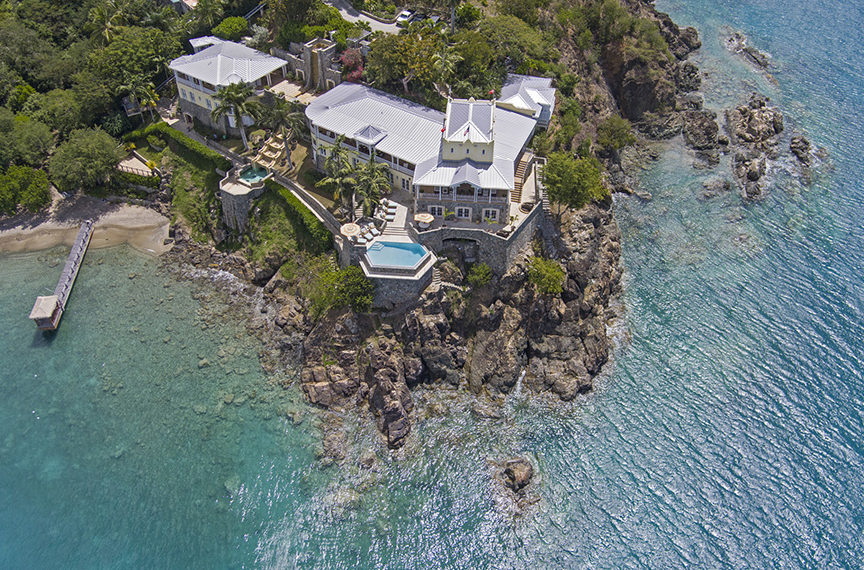
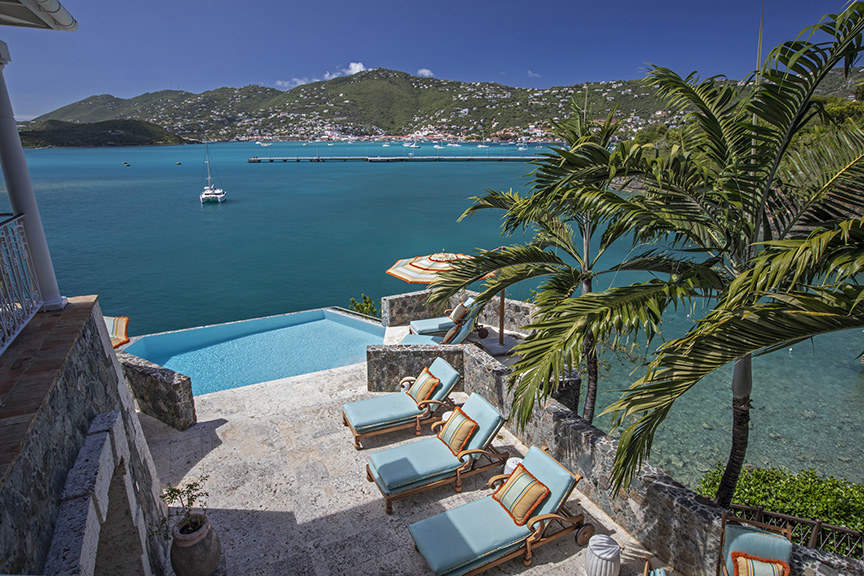
The expansive nine-acre estate includes four homes and boasts a total of 18 bedrooms, 14 baths, two infinity pools and 25,490 square feet of luxury and privacy across 11 parcels.  Tropical walkways bursting with royal palms and native plants connect all four homes. The real treasure among these are the two waterfront villas, both with direct water access.  Stone staircases, as well as two trams with intermediate stops, allow you to descend all the way to the turquoise ocean below.

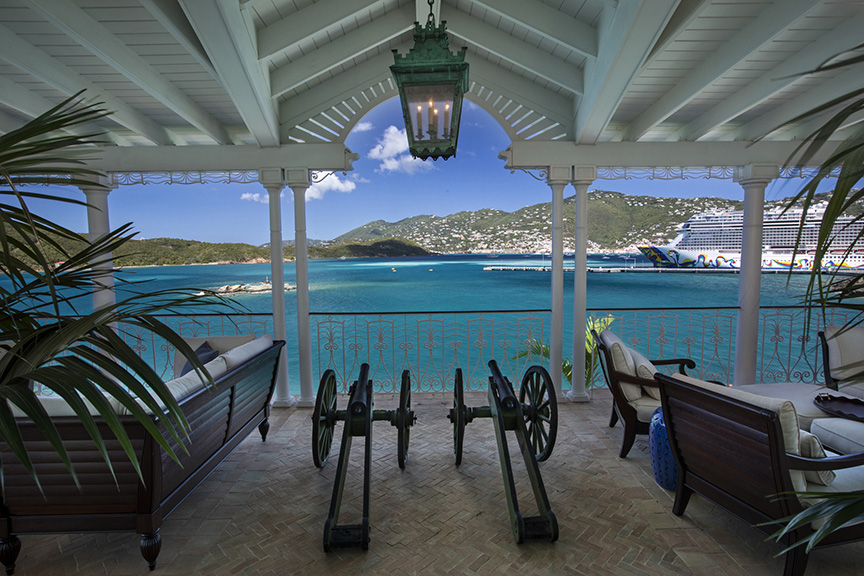
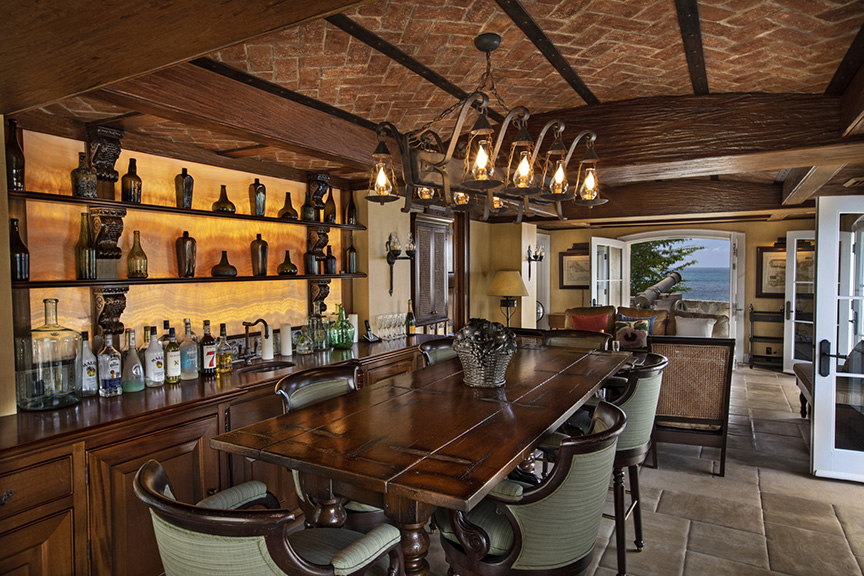
As you enter the main villa, the tasteful and elegant furnishings will usher you to another era.  Magnificent architecture, enchanting stonework, unique hardwoods, and a prized collection of antiques evokes feelings of nostalgia, grandeur, and adventure.  Each room has a distinct persona and story of its own, from the 800 square foot great hall to the wine grotto, all brought together by the old-world charm of a Caribbean estate aesthetic. The fun truly begins as you step outside and explore the many terraces and verandas overlooking Charlotte Amalie harbor.

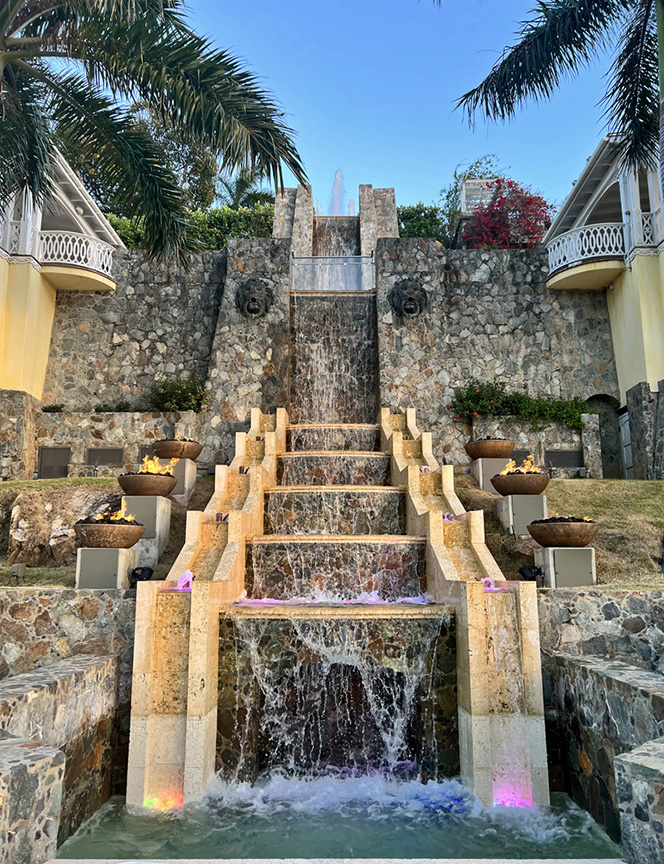
Try your hand at shooting one of the two working water cannons straight into the Caribbean Sea.  Relax on the lounge deck or soak in the infinity pool.  Take a stroll along the gorgeous 50-foot white sand beach.  Watch the sunset over Hassel Island on your own private 80-foot dock.  Enjoy the Caribbean’s most spectacular music and light show courtesy of the estate’s terraced waterfall, which features 10 jumping jets, eight fire braziers, 17 falls, a fog machine, more than 100 LED lights and a holographic water screen. 
Whether you’re interested in an exceptional island getaway or the ultimate place to entertain, this captivating property will exceed your expectations. 

Property Details:

 Main Villa –

  • 5 Bedrooms
  • 5 Full Baths / 2 Powder Rooms
  • 6,500 Total Square Feet
  • Infinity Pool (1,630 Cubic Feet)

Guest House Cottage –

  • 4 Bedrooms
  • 2 Full Baths / 1 Powder Room
  • 2,400 Total Square Feet

Second Villa –

  • 6 Bedrooms
  • 5 Full Baths / 1 Powder Room
  • 4,400 Total Square Feet
  • Infinity Pool (2,750 Cubic Feet)
  • Two Car Garage

Third Home –

  • 3 Bedrooms
  • 2 Full Baths

Visit the full listing here

Leave a comment

Telling the Story

By Ritika Jain

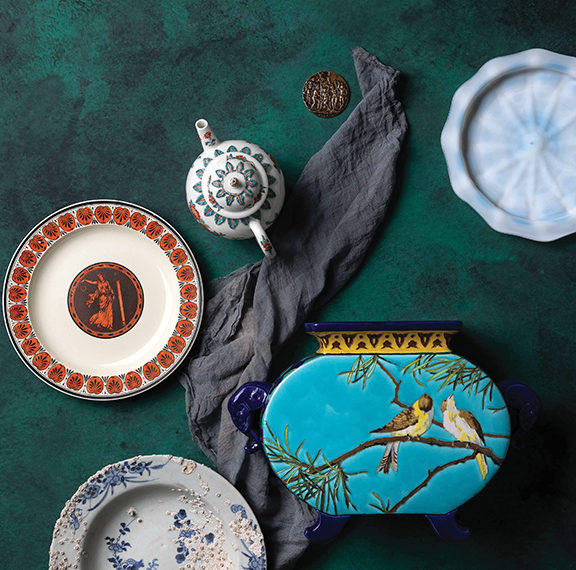
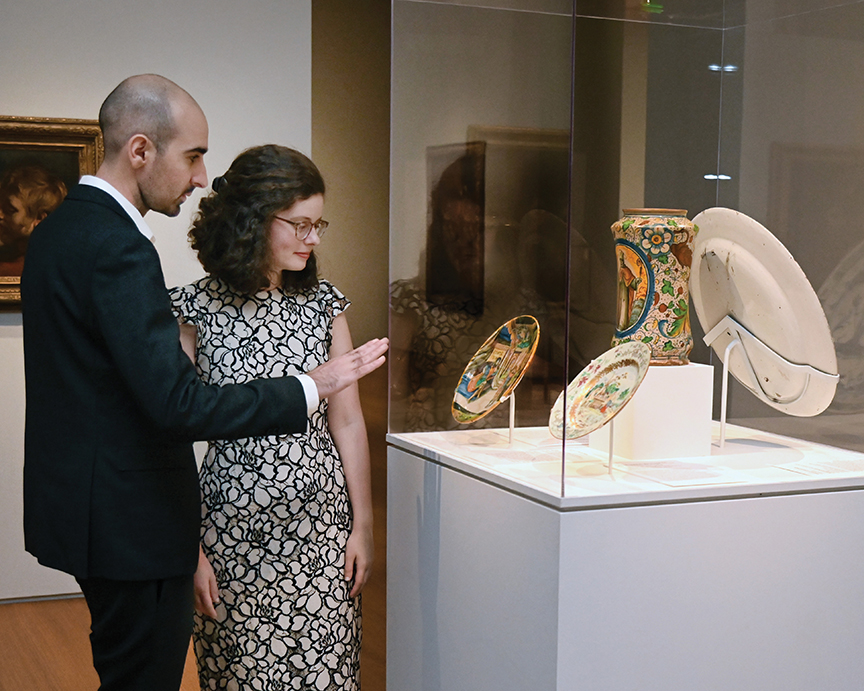
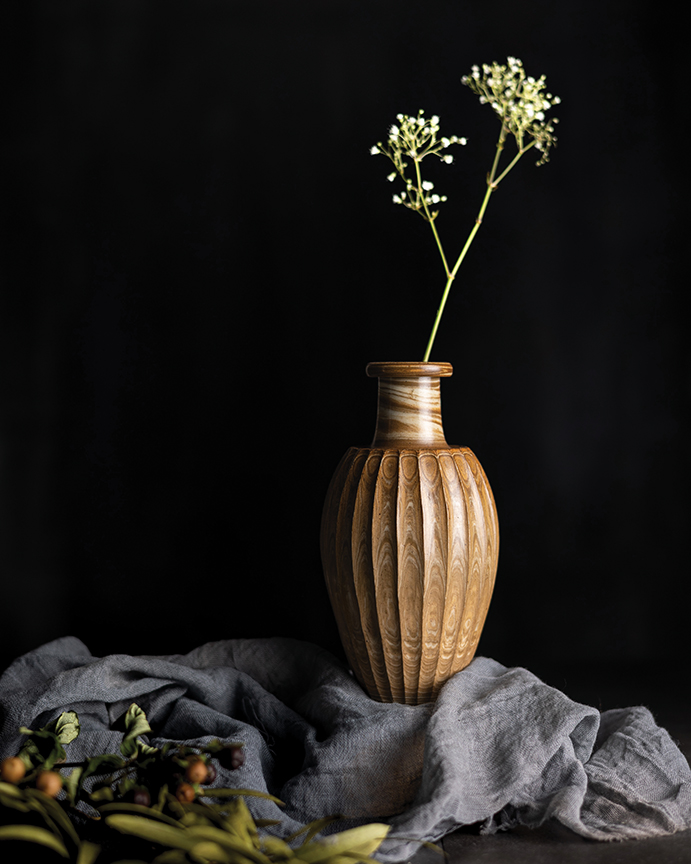
Looking to admire or purchase historically significant works of art? Head over to Artistoric.com, an online retail gallery devoted to showcasing exquisite ceramic pieces all made prior to the 1900s. A brief scroll through the collections presents an array of timeless, aesthetic designs on mugs, vases, tile, plates, and other dishes from all over the world. Each object is paired with elaborate research detailing its dimensions, artistic origins, and historic significance to the time period it was created in.

Artistoric started in 2020 during the pandemic, when co-founders Bailey Tichenor and Michael Assis sought out to curate a collection that paid homage to decorative arts and material culture, subjects they are both highly educated in. Tichenor sat down with The High End to expand on how the gallery came about and her long-held passion for art history.

The gallery director recounts channeling her love for antiques in high school by selling vintage wares and jewelry made from antique pieces. She then decided to major in art history in college, and went on to earn her master’s degree in the subject at Bard Graduate Center, where she met Assis. Her first love, she says, was collections management, which she developed while working in the collections departments of a few museums in Nashville.

She was most recently the curator at the Historic House Trust of New York City, where she oversaw the curatorial and collections affairs of the organization’s 23 historic houses.

Artistoric Gallery

Assis, who heads the gallery’s research program, has had prior experience managing private collections and is now a doctoral candidate at Bard Graduate Center, specializing in Medieval, Renaissance, and Baroque European arts for digital spaces. Now married, the couple is fulfilling their dream of owning and operating a gallery that celebrates their passions.

Speaking of their initial inspirations for the gallery, Tichenor relays that she and Assis “noticed that a growing interest in decorative arts and material culture in academia and museum contexts has started to trickle into the art market. More and more people are finally beginning to view these things as the works of art that they are, much like how we’ve felt throughout our entire lives.”

Material objects have the power to tell stories and preserve different moments in time, proving that art and history have always been interconnected. Many of the beautiful artifacts displayed in the gallery harken back to previous art movements and social contexts.

“A useful way to look at it is through the idea that art resonates with other social, cultural, and economic structures within the context in which it is made, and also influences them. It’s an intricate mesh, and as historians, we find this out by rooting objects in their contexts, identifying parallels, and forming scientific arguments that are based on physical evidence and a wide variety of theory and methodology that stands at our disposal,” explains Tichenor.

This relationship between art and history allows objects from bygone eras to connect with audiences today. Tichenor provides the example of Victorian pie dishes from the 1860s, which she says embodies the same concerns of exploitation of natural resources and predatory capitalism we face today. One of the most striking pieces featured in the gallery is of this sort, designed as a wicker basket with the lid depicting real-life imagery of a dead rabbit, mallard, and crow resting on a bed of leaves.

“The stories, the contexts, the feats, and the roles these objects played in history all make the pieces in our collection much more than mere antiques. It makes them meaningful and significant traces of an expansive past that personally connects people to something larger,” says Tichenor.

Artistoric is founded on the basis of research, not unlike museums, infusing a visual experience with valuable knowledge that allows audiences to build an intimate connection to these works of art. Tichenor explains that resources like relevant literature, scholarly articles, past auctions, and primary sources are used to gain more background on an object. This approach aims to bridge the gap between galleries and museums, offering consumers access to pieces of history that have transcended time.

Running the gallery also allows the co-founders to delve into forms of art they are unfamiliar with. For Tichenor, an example is the vibrant, decorative majolica collection.
“I’m also proud of our small but mighty majolica collection, which we explore in depth through our digital exhibition The Majolica Movement. Prior to curating the exhibition, my experience with Victorian majolica was limited, so the project provided the opportunity to learn more about this fascinating medium. One of the best perks of the job!”

Interested customers can browse through the selection of ceramic pieces on the gallery’s website as well as check out its creative online exhibitions, which showcase a distinct object or material with an assessment of its history and related art movements. Artistoric is a concept well executed, merging beautiful photography with thoughtful research to promote decorative arts as an art form.

Having opened the gallery in the early days of the pandemic, Tichenor and Assis hope to attend more in-person events in the future, engage with new technologies, and work with additional guest scholars, building a positive community for art lovers and history buffs all around.

Leave a comment

Caution, Curves Ahead

By Camilla McLaughlin

Design trends seem to suddenly materialize, even though most have been percolating among designers and consumer attitudes for months, even years.

“2022 is going to be a fun year to watch trends!” says Kim Armstrong, an interior designer in Rockwall, Texas. “There are so many influences that are smashing together. First off, we have the ‘coming out of COVID syndrome. We, of course, have supply chain issues, and we have a wave of younger idealistic thinkers and trendsetters entering the home decorating phases of their life. All of these things will come into play with the new trends.”

“In 2022, we anticipate the design community, in both architectural and decorative elements, to favor rich, warm autumnal tones, pattern-on-pattern, lots of layering of scale and texture, in both natural elements like wood, metals and stone as well as decorative materials like hardware, fabrics, wall coverings and furnishings,” explains Karen Karautuneian, principal at Hub of the House Studio in West Hollywood, California. “We can confidently say goodbye to whitewashed woods, boucle fabrics and brass, and warmly welcome medium-toned natural woods, boldly patterned fabrics, and bronze.”

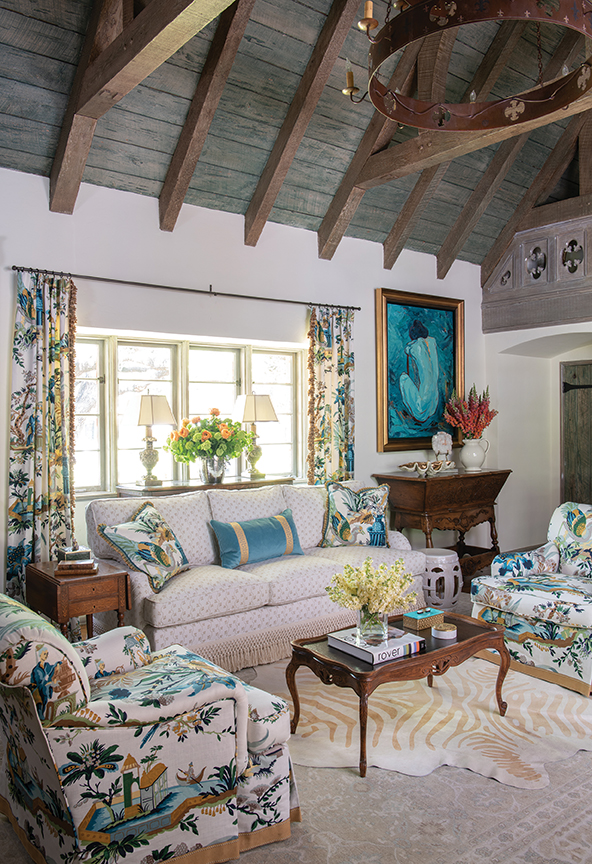
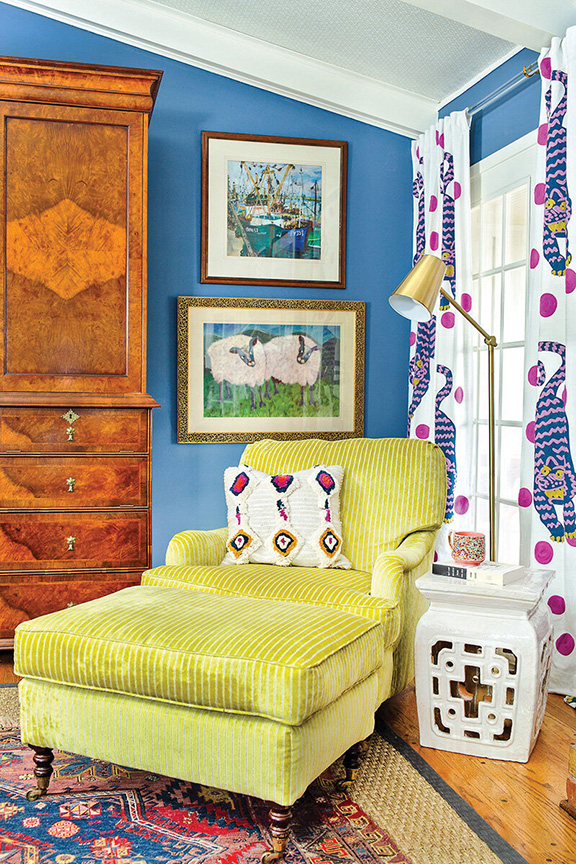
This is a year of bold patterns and vibrant splashes of color. Maximalism is how designers characterize this vibrant look. “People are favoring a chic, maximalist design over a look that is minimalist and neutral. Some of the ways we have recently incorporated maximalism are with large curated art collections, oversized furniture and highly textured fabrics,” says Brittany Farinas of House of One interior design in Miami, Florida.

What’s Old is New This Year

Another strong trend highlighted by Armstrong is reuse and repurpose, spurred in part by shipping and supply delays. Designers such as Joshua Smith, owner of an eponymous firm based in Palm Springs, New York City and Vermont, expect antique furniture to take center state in 2022. “The Midcentury Modern craze we’ve seen in the last few years will be tempered by the addition of more refined antiques cleverly thrown into the design mix.”

Not only will 2022 present some surprising switch-ups on long-running aesthetics, but curves literally will be more prominent. Expect to see the form in sofas and chairs, patterns, and architectural elements such as doorways, windows and ceilings. “I think we are looking for softer lines and more comforting designs. People are loving this soft line that feels like it wraps you in a hug after being through the hard times that COVID brought on,” observes Armstrong.

Even more traditional skirted furniture will make a comeback, says Smith. “There seems to be a move toward comfort and livability and there’s something about a soft, supple chair that makes you want to sink into it.”

Color Wash

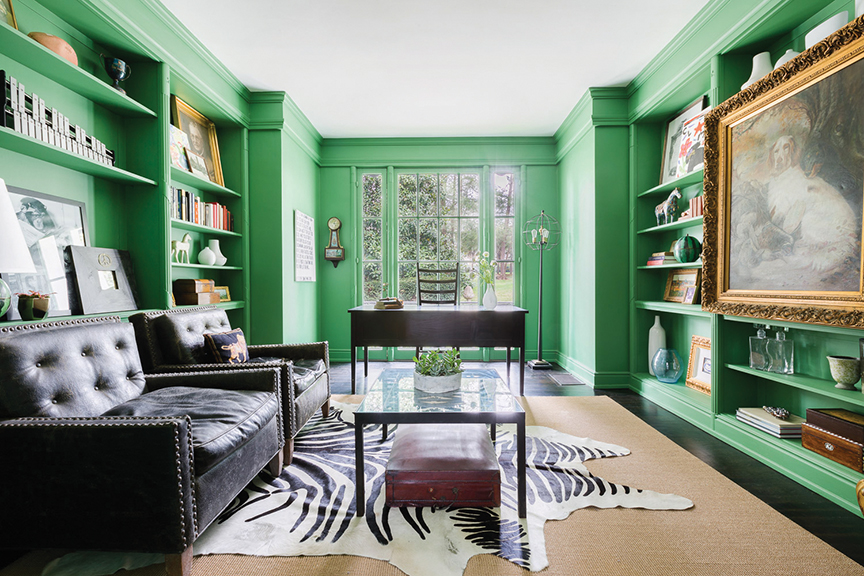
Colors shape yearly trends, and this year is awash in hues. Overall, designers say jewel tones will be hot this year, from deep purples to forest greens.

Green may have had a moment a few years ago, but it’s back. A majority of color forecasts showcased some take on green from Sherwin Williams Evergreen Fog, potentially a hot neutral, to Behr’s October Mist, which evokes the silver green stem of a flower.

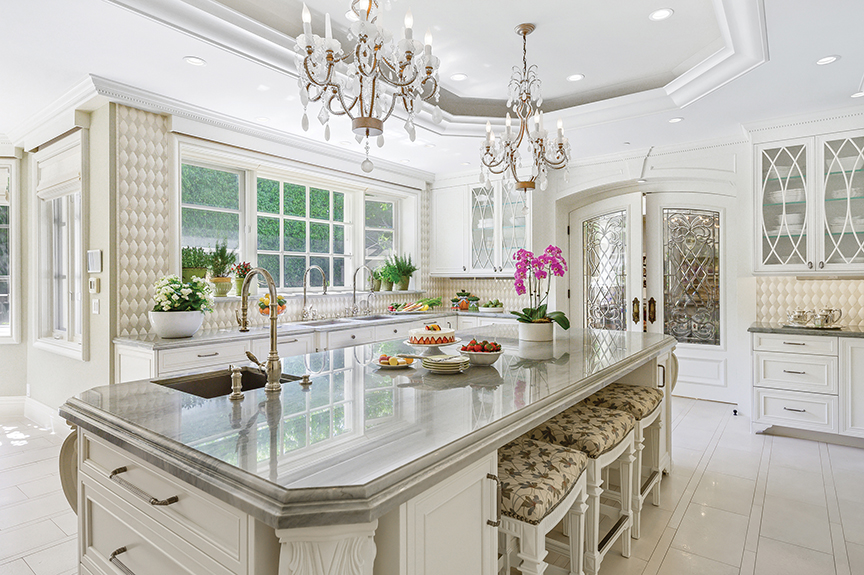
Green marble is also poised to be a top trend, shares Mark Lavender, principal of M. Lavender Interiors in Chicago and Memphis. Color is also making its way into kitchens. “The trend of all-white kitchen is decreasing, and we’re incorporating more colorful stone stabs. I’ve recently worked with three different clients, one choosing white marble with maroon and red veins, another selecting black stone with brown tiger stripes, and a third loving a white and blue/green piece,” says Houston-based designer Mary Patton.

Blues will still be in vogue. As the year progresses, don’t be surprised to see periwinkle (Pantone’s color for 2022 is Veri Peri) cropping up everywhere from dining rooms to ceilings. “Veri Peri is nuanced and unfamiliar, which will inspire designers to explore its possibilities. It would pair nicely with navy, white, tan and green,” says Lance Thomas of Thomas Guy Interiors in Louisiana.

“It’s actually very versatile, as it works well in a multitude of spaces. Periwinkle can be used for walls and can be a great option for painting furniture or cabinetry,” observes Tulsa, Oklahoma, designer Mel Bean.

Searching For Privacy

Consumers still love open-concept layouts, particularly for family and entertaining, but they also want spaces adaptable to whatever life presents. Designers continue to tweak the open concept, often using found spaces to enhance privacy. “We’ve learned how important pocket spaces can be whether they’re used for work or learning or for other activities like exercising or crafting,” said Mary Cook, founder and president of the commercial design firm Mary Cook Associates.

What doesn’t change this year? Plenty, say designers. Anything considered a classic will remain timeless. What also continues to be important, according to Smith, is “developing your own personal, unique style and unabashedly creating the space you envision for yourself. Our homes should inspire our mind and nourish our spirit, which can be expressed in so many ways. It’s just so personal.”

Regardless of the year and the trend, our approach is to always incorporate classic features with new and emerging ideas, creating timeless interiors,” shares Chicago designer Jessica Lagrange.

Leave a comment

Exclusivity’s New Era

By Roger Grody

Mahogany-clad private city clubs, the quintessential domain of lions of industry a century ago, gradually fell out of favor among contemporary business leaders, but sleek new aesthetics and more relevant amenities are contributing to renewed interest. Reimagined city clubs are resonating with a new generation of entrepreneurs and civic leaders discovering the enduring appeal of exclusivity.

Reforming dress codes — making them more consistent with how members dress for the office and dining out —is a simple measure that can ensure these venerable institutions are not viewed as obsolete. Relaxing strict prohibitions on cell phones is another nod to a contemporary lifestyle, and interior design is being reevaluated. Successful city clubs are introducing fresh, modern aesthetics while still honoring the traditional architecture typical of well-established clubs.

Founded in 1895 as a modest social organization, the Jonathan Club in downtown Los Angeles evolved into a prestigious institution attracting prominent business leaders and politicians. Thanks to its willingness to reinvent itself, including elevating the cuisine and emphasizing its beach facility, the Jonathan Club has not only avoided the perception of obsolescence, but has flourished. With several Soho House locations and trendy venues such as The Britely and Gwyneth Patlrow’s soon-to-open Arts Club, L.A. has a vibrant members-only scene. Nonetheless, the Jonathan Club has endured in a city with a famously short attention span.

The Union League Club of Chicago was founded in 1862 as an organization supporting the policies of President Abraham Lincoln and evolved into a prominent business and civic club. Its members were instrumental in bringing the 1893 Columbian Exposition world’s fair to Chicago and founding some of the city’s major cultural institutions. General manager Mark Tunney explains members appreciate the club’s ongoing commitment to philanthropy and that for many of them, it provides the sense of community they long for.

Tunney, who notes the downtown Loop location of the Union League Club of Chicago makes it convenient for bankers, attorneys and judges, has increased the curb appeal of the institution’s Beaux-Arts building. “We used to have just a plaque identifying the location of the club, but a few years ago we created a street level café visible from the street,” says the general manager. “Now people walk by and wonder what’s going on in there,” he explains.

While plenty of mahogany, leather and marble remains, Tunney reports that many spaces have been refreshed with contemporary aesthetics that appeal to younger members. “Nobody wants to walk into a place that
looks or feels stodgy,” says Tunney, who notes the Union League Club of Chicago’s board is approximately 50 percent women and that younger members are active in committees.

“We don’t have a stuffy dress code,” assures Tunney, who recounts, “Members were telling us their banks and corporate offices were allowing jeans, so we adopted a ‘smart casual’ dress code.” While the club’s dining, overnight accommodations and athletic facilities are enticing, Tunney insists new members are most attracted by the opportunity to become part of a community.

In New York, private city clubs continue to thrive, including the storied Knickerbocker Club, still a gentlemen’s only retreat whose membership has included Paul Mellon, J.P. Morgan and FDR. The Union Club has been hosting the Big Apple’s movers and shakers since 1836 and still imposes a strict dress code and prohibition on cell phones.

Occupying a stately Romanesque structure, the Duquesne Club is Pittsburgh’s most prestigious social club. However, modernized interiors and relaxed dress codes draw younger professionals in a city now more dependent on technology than steel.


The Fitler Club in Philadelphia, founded in 2019, promotes itself as a new interpretation of the private city club, employing the slogan “Tradition Rewritten.” Founder David Gutstadt states, “This is a next-level club that reflects a new generation of urban sophisticates,” characterizing his members as leaders, innovators, influencers, and changemakers.

“They want to spend time with a like-minded community of other fearlessly creative people,” maintains Gutstadt. From interiors to cuisine, even the artwork displayed, the venue conveys a sense of modernity that resonates with a trend-conscious membership.

John Fornaro, CEO of Distinguished Clubs and CEO/publisher of The BoardRoom magazine, insists that city clubs are well suited to a younger demographic in spite of outdated images of cigar-smoking fat cats. “Young people already belong to more ‘clubs’ than we ever did,” suggests Fornaro, citing Facebook groups as self-selected memberships akin to private clubs. “Where do young professionals gather and meet people with similar interests, especially when they’re not working in a traditional office setting?” queries Fornaro.

Elaborate clubs in luxury residential buildings represent an emerging alternative to old school city clubs, and New York’s 100,000-square-foot Waterline Club is a prime example. Integrated into Waterline Square, a complex of high-rises from acclaimed architects, the venue combines elements of a traditional city club with those of a top-
drawer athletic club. The diverse spaces are tied together by compelling design from Rockwell Group, hospitality industry masters whose portfolio includes Nobu Hotels and The Cosmopolitan in Las Vegas.

Swimming, tennis and squash — even a climbing wall and half-pipe park for skateboarders — are offered at the Waterline Club, as well as premium spa facilities, bowling alley, well-equipped business center, and extensive resources for children and pets. Enhancing social functions are Waterline Square’s various dining opportunities, including an upcoming venue from the famed Cipriani family of Venice.

James Linsley, president of GID Development Group, the developer of Waterline Square, reports, “Luxury buyers and renters today are demanding personalized services for a well-rounded, hassle-free lifestyle where everything is available at their fingertips.” He suggests that residents’ desire to connect socially with neighbors echoes the role of more traditional clubs.

“Striking, thoughtful design was just as important to us as selecting which amenities would be included,” states Linsley of architecture that is welcoming to all ages. “The moment you step inside the Waterline Club and see the soaring ceilings and stunning pedestrian bridges, you immediately know this is unlike anything you’ve ever experienced in New York.”

Leave a comment