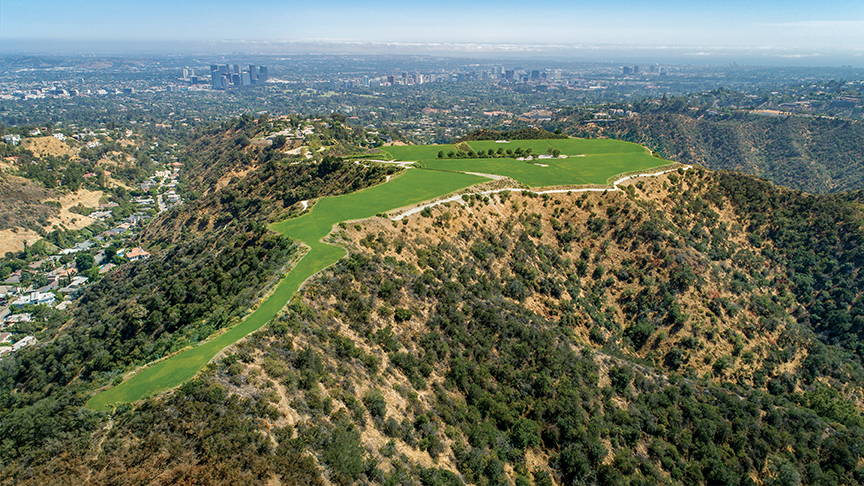
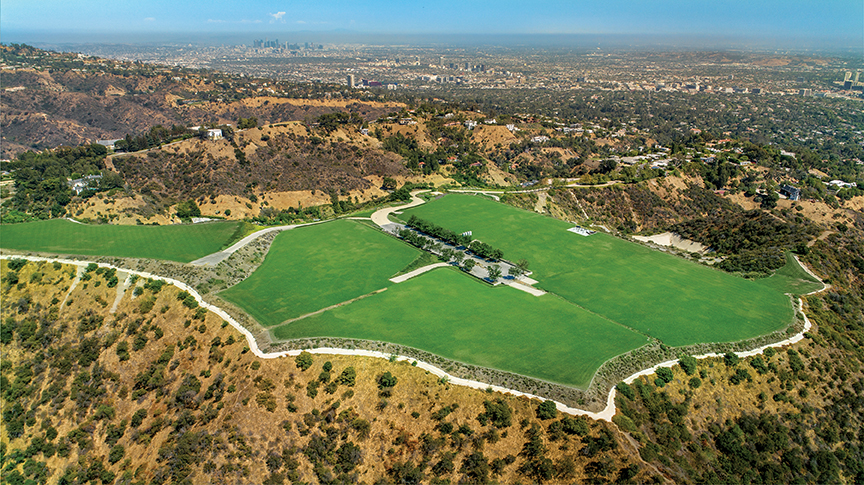
Emerging from the exclusive realm of off-market listings, the recently listed The Mountain site is turning the heads of buyers, sellers and Realtors with its record-setting list price of $1 billion. Minutes from the Beverly Hills Hotel and Rodeo Drive, this 157-acre hilltop location has been transformed into the world’s most exclusive and private residential real estate compound.
The property, currently owned by Secured Capital Partners, was consolidated from 17 multiple parcels into “one large real estate diamond,” according to Ronald Richards, legal counsel and spokesperson for Secured Capital Partners. Aaron Kirman, president of Pacific Union International, Estates Division and the listing agent for The Mountain, affirms that no other property with these possibilities exists any place close to Beverly Hills. “This is the only opportunity to own your own mountain that looks down at all of Los Angeles. Our likely buyer for this property is an individual who wants to build his or her own compound,” says Kirman.
The compound is the size of a small city, with six parcels that are made ready to build and have unobstructed views that range from downtown Los Angeles to Catalina Island and Santa Monica. With the amount of space to fit the entirety of Disneyland, and 57 acres to spare, the buyer will be able to build three buildings up to 500,000 square feet and up to 53 feet high, with the nearest neighbor a half-mile away.
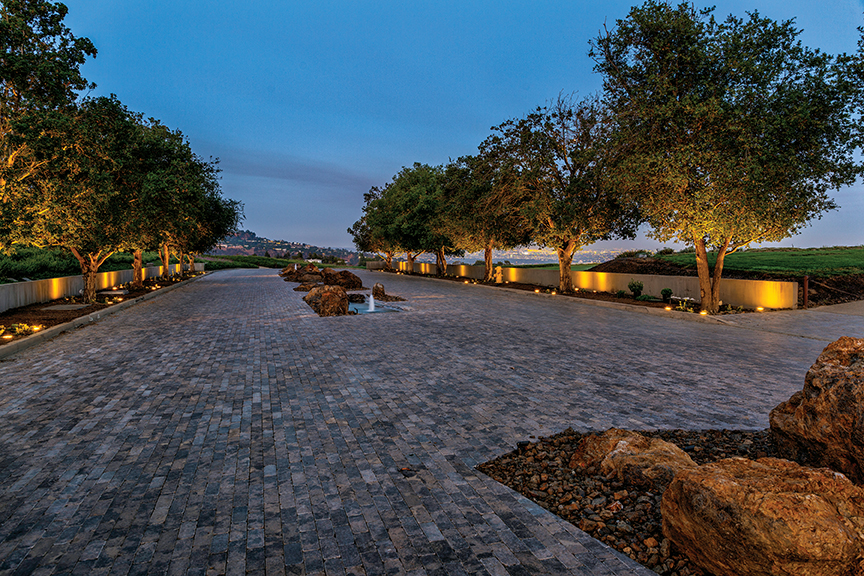
In order to perpetuate exclusivity, invaluable amounts of time and effort have been spent to make this one of the most private properties in the country. More than 500 trees and 5,000 smaller plants have been transplanted to the property, along with a massive 16-foot-tall custom security gate.
Other renovations made to the property were outfitted as preparations for development, but still leave the land open to suggestion. Stone aggregate roads lead to a hand-selected cobblestone drive, as well as a sculpture court accented by a full-length water feature. An in-depth landscape lighting design exists throughout the property, as well as a storm drain system, a booster system for fire hydrants and a backup generator.
“To be able to claim ownership of the largest property at the highest point in all Los Angeles, will make the buyer the most prestigious billionaire overnight,” says Richards.
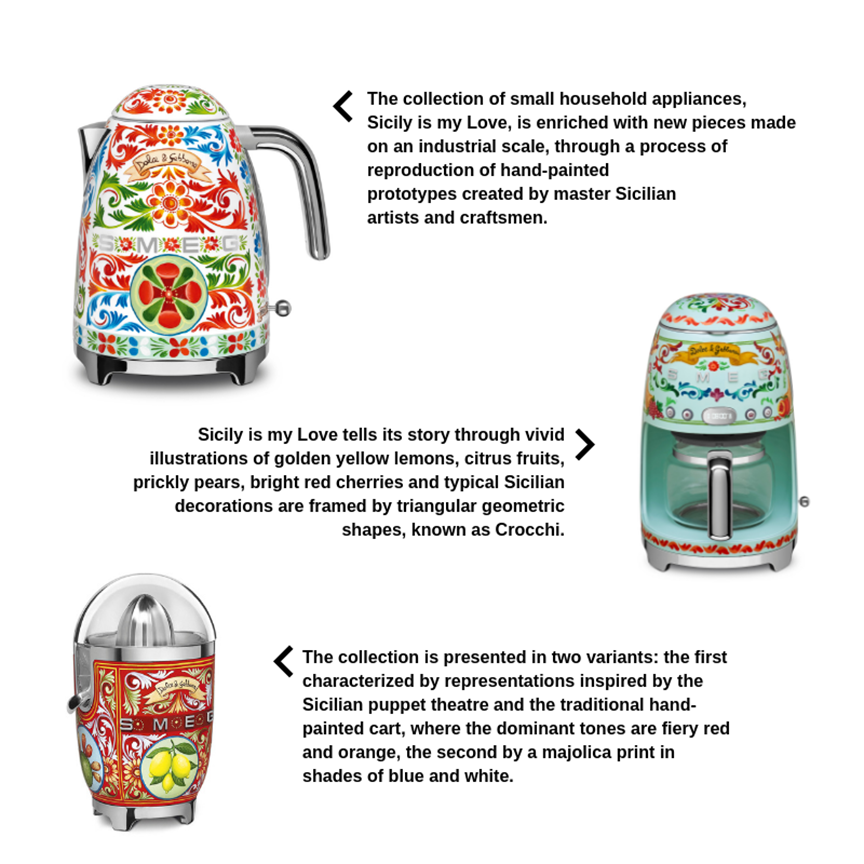
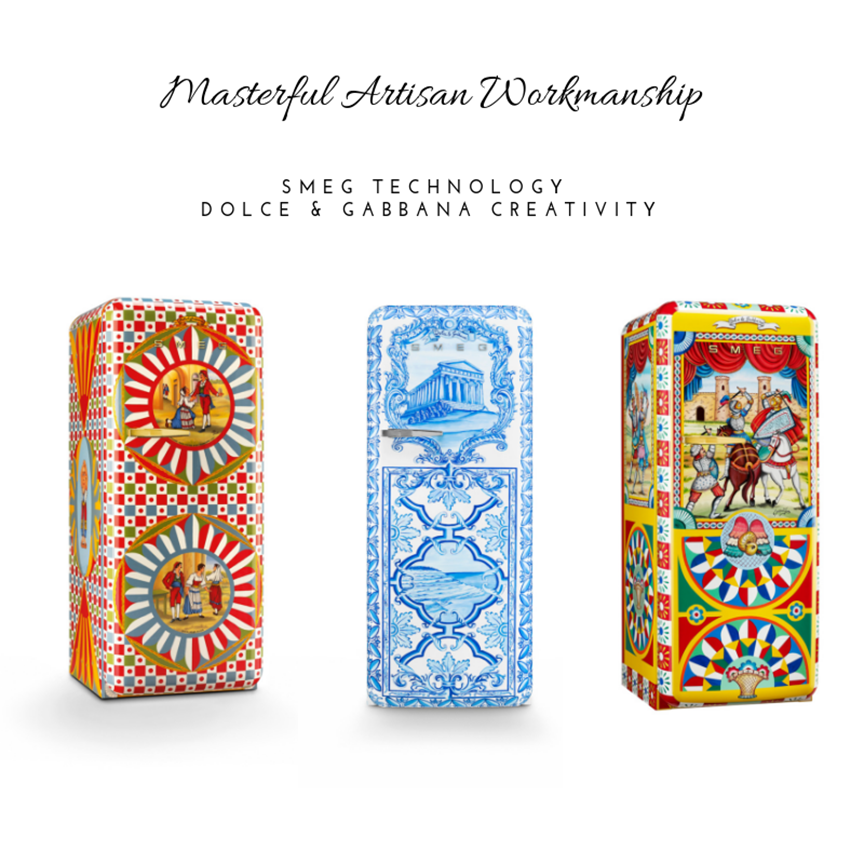
SMEG and Dolce & Gabbana — two prominent brands in the world of luxury — have come together and taken kitchen appliances to a whole new level.

Fun, vibrant, unique and sure to start a conversation are just a few ways to describe the new special collection, titled “Sicily is my love.” The line includes coffee makers, hand blenders, toasters, citrus juicers, electric kettles and mixers, and more.
Dolce & Gabbana and SMEG continue the journey that joins their artistic sensibilities to discover the colors and beauty of Sicily to celebrate the authentically ‘Made in Italy’ project under the shared standard of creativity, art, and design. A revolutionary collaboration that has created a new perception of home appliance, no longer mere products, but true works of art.
Photos courtesy of SMEG and Dolce & Gabbana
The residents of Berkeley Heights, New Jersey are welcoming a new restaurant called Grain & Cane that has been inspired by traditional rice bags and offers a classic but enticing menu.
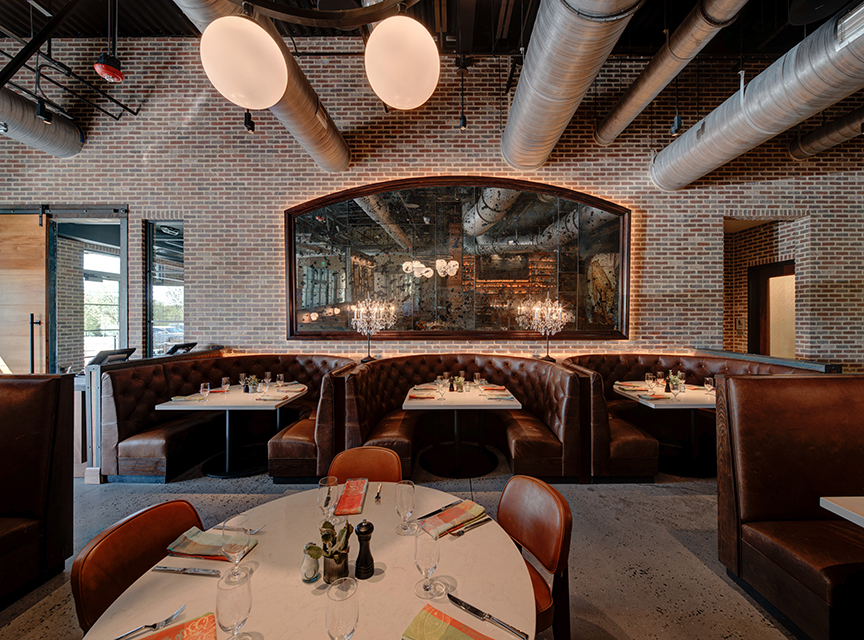
The new addition to Berkeley Heights is owned by the Connell family — who at one point was the largest non-governmental rice and sugar distributor in the world. Grain & Cane is the place where you might choose a quiet corner for an intimate evening or a cozy lunch date. It’s also the restaurant that you and your family might want to visit for a special celebration. The atmosphere is a unique combination of comfortable and chic, which makes it suitable for more than one type of occasion. There’s a distinct classic feeling.
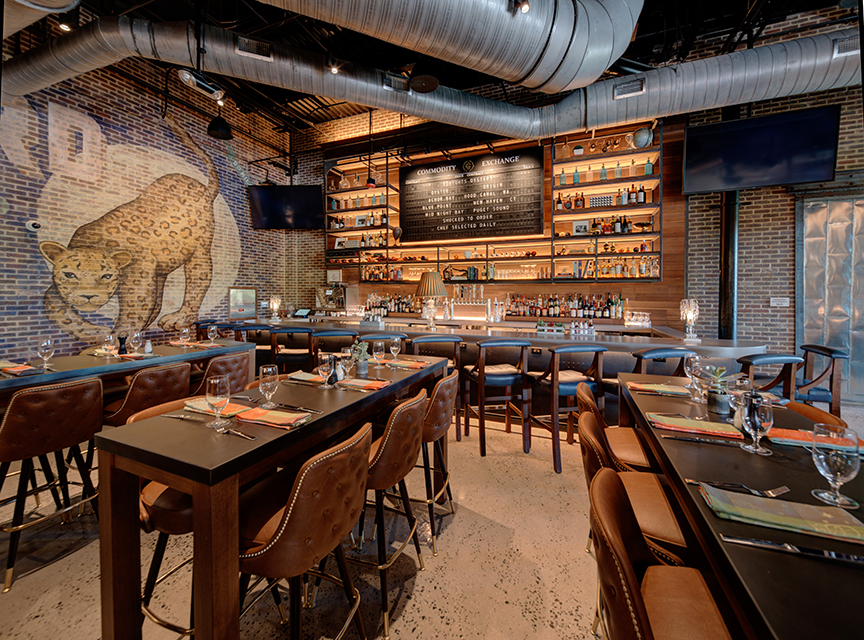
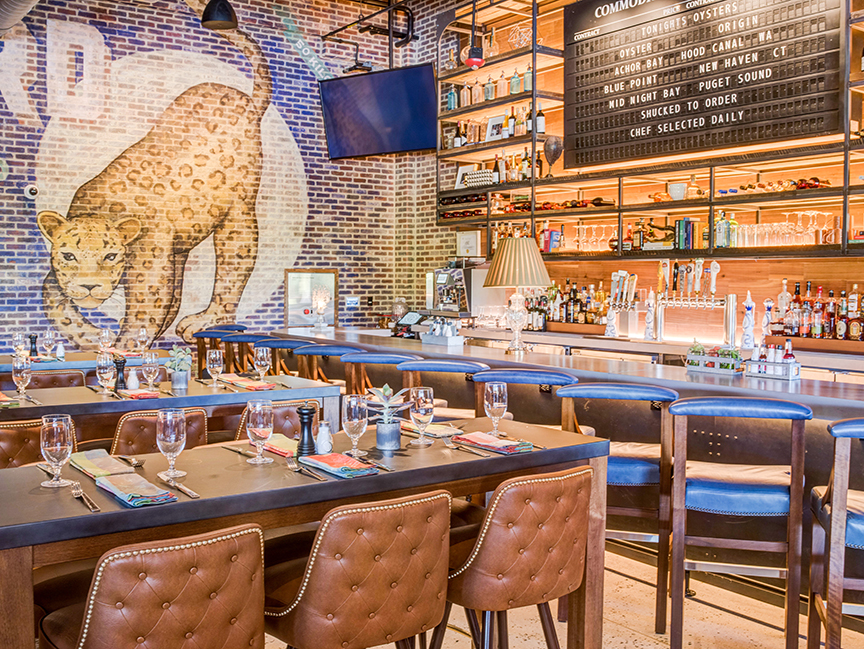
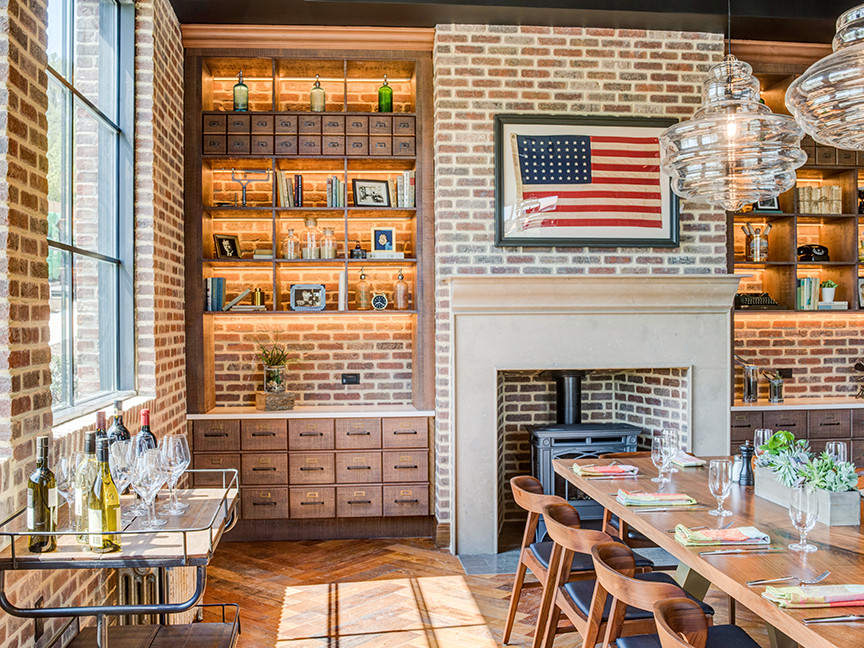
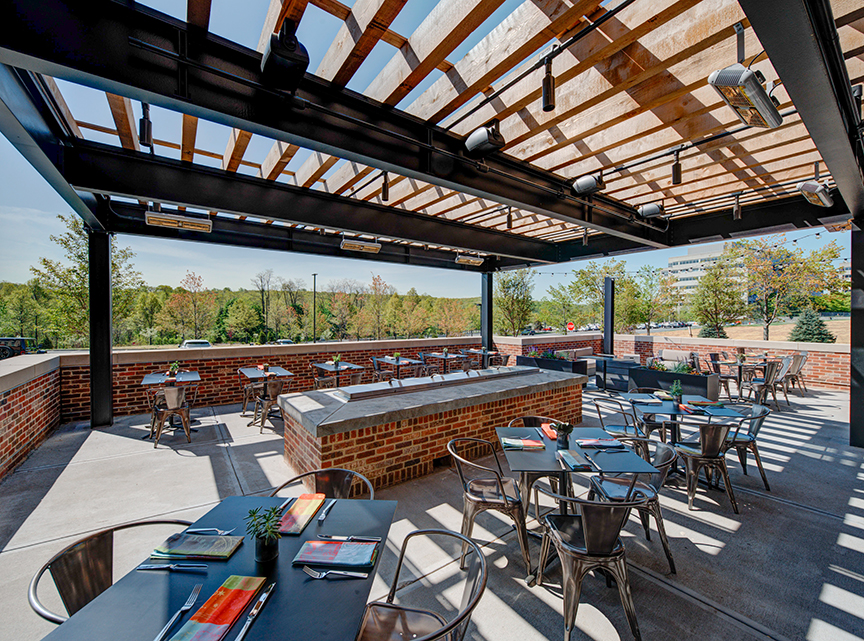
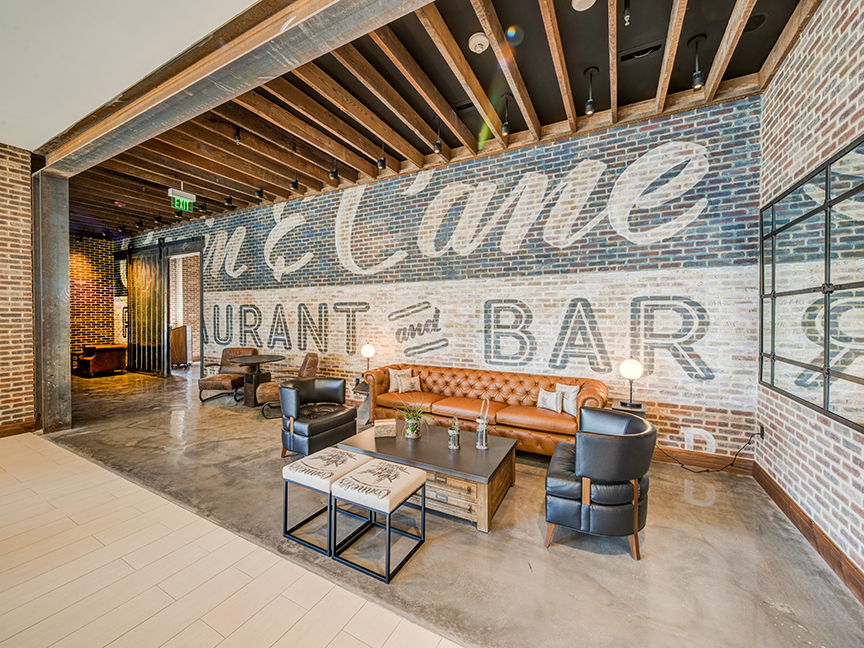
The floor-to-ceiling, weathered-looking graffiti draws the mind to traditional rice bags — the inspiration behind the restaurants’ decor. This style even includes using recycled rice bags as stool seat covers and of course some well-known brands and logos.Exposed brick walls and steel columns also draw on the family’s grain storage facilities. Tufted leather seating and custom banquettes are reminiscent of grandfather Grover Connell’s time in Paris, according to the Grain & Cane team. The main focus of the bar is the custom Solari board, which actually serves as the bar. It was once used for posting grain prices on the trading floor. Making this aspect even more special are the rotating specials and inspirational quotes from Connell, such as, “Cheer up, things could be worse. So he cheered up and things did get worse.” There’s also a two-story back bar for guests to enjoy.
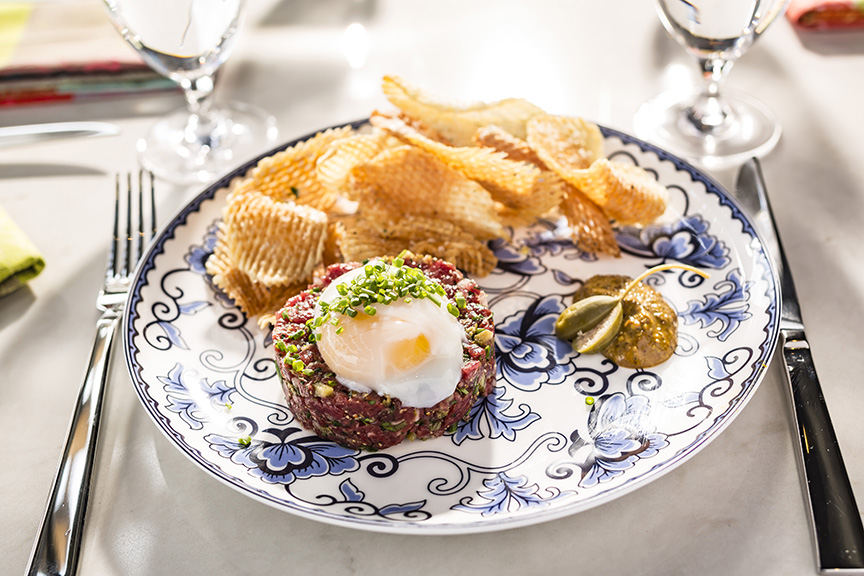
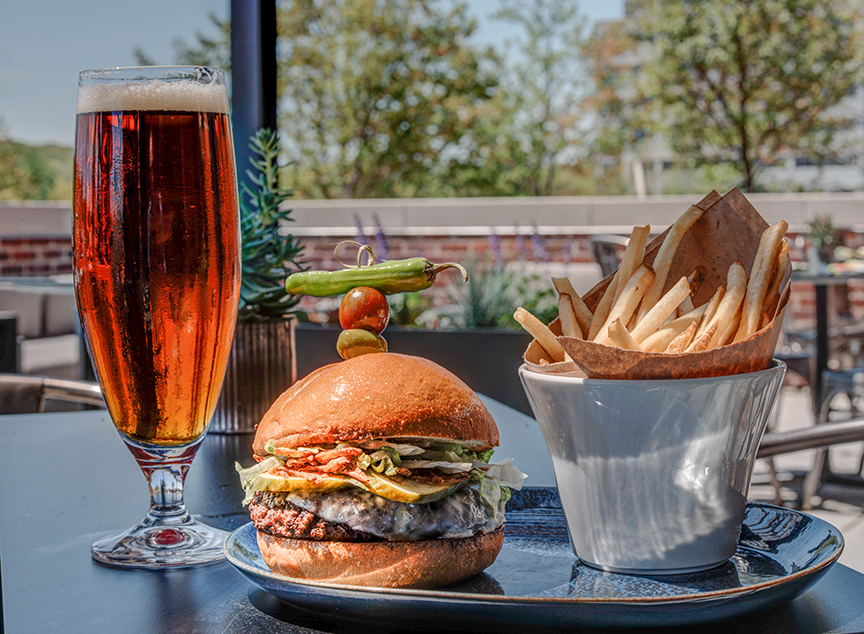
The menu has a refreshing variety of choices — without overwhelming guests — and known favorites. Traditional headlines, such as Burgers and Pizza, are splashed across the menu and instantly draw you in. Modern touches and complex flavors mix with classic at Grain & Cane
White, sausage, and margarita seem like standard pizzas, but the sourdough crust is a charming twist. A burger may sound simple, but the falafel burger with hummus and avocado tzatziki and the Scottish salmon with chanterelle mushrooms, roasted potatoes, peas, and crispy prosciutto are just a hint of the surprises on the menu.
Don’t expect the menu to stay the same for too long though. The restaurant has a menu that changes with the seasons and focuses on fresh ingredients from local farms and is peppered with items inspired by the Connell family’s favorite dishes.

Making Grain & Cane truly stand out among tradition is their traveling food truck. According to the Grain & Cane team, the food truck allows the restaurant to park in different areas around town and reach a whole new set of customers and also introducing dishes to new communities.
Photos courtesy of Grain & Cane, by Oleg March
Enjoy stunning fall colors, gorgeous views, endless amenities, and satisfying food at these luxury destinations!
It’s that time of the year to break out the hot cocoa, comfy sweaters, and pumpkin flavored everything. The season of holidays, romantic getaways, family gatherings and more is officially here. Three top fall destinations will have you booking your next vacation before the leaves hit the ground.
The Ranch at Rock Creek
Five-star Guest Ranch – Philipsburg, Montana
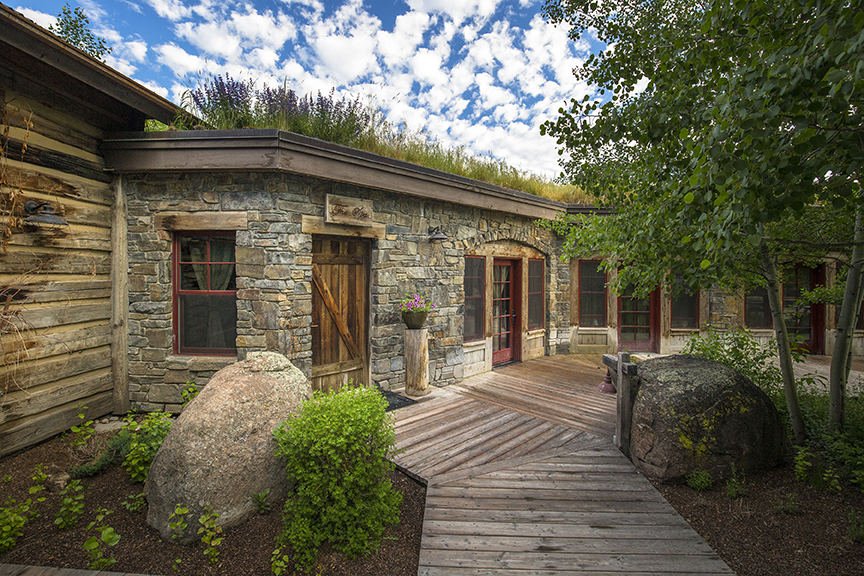

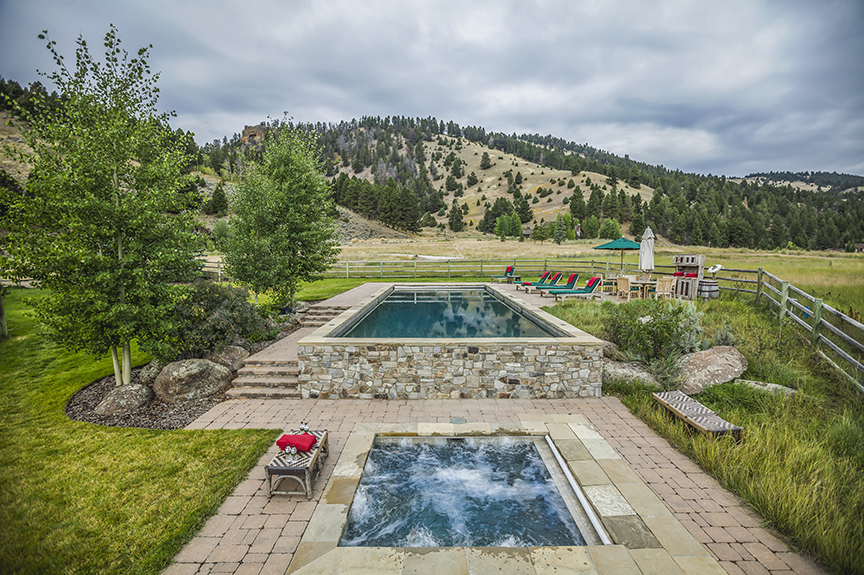
“The first thing that stands out when you arrive is the natural beauty and privacy of The Ranch at Rock Creek, which is situated on 10 square miles of wilderness and surrounded by the Sapphire, John Long and Pintler mountains. Add that a river runs through it and you are transported back in time to a more simple way of life, rugged yet unhurried,” says Carol Ann Kelley-Elwell, the director of marketing and media relations at The Ranch at Rock Creek.
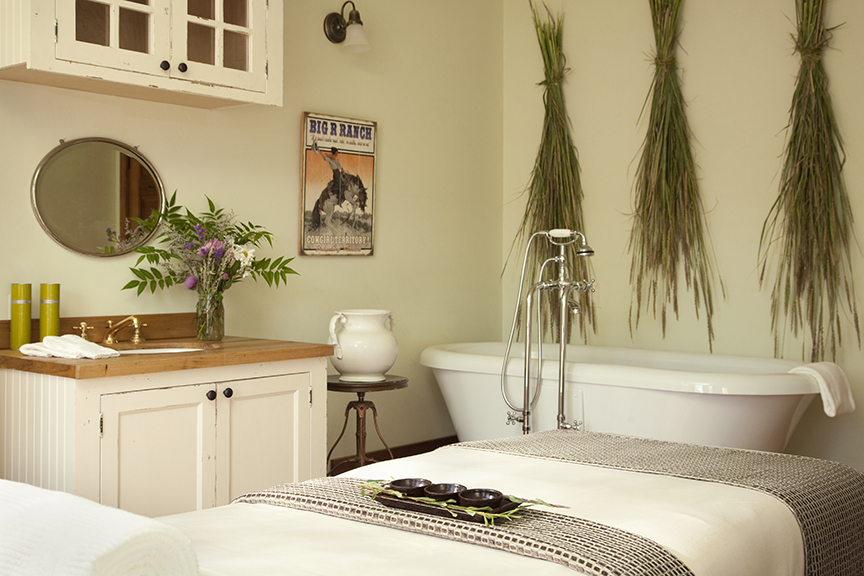
This destination is the perfect mix of Western adventure — horseback riding, fly fishing, hiking and wildlife viewing — and all-inclusive luxury. From the spa and the gourmet dining to the custom duvet covers, you’ll enjoy every careful detail.
Why is this a luxury fall destination?
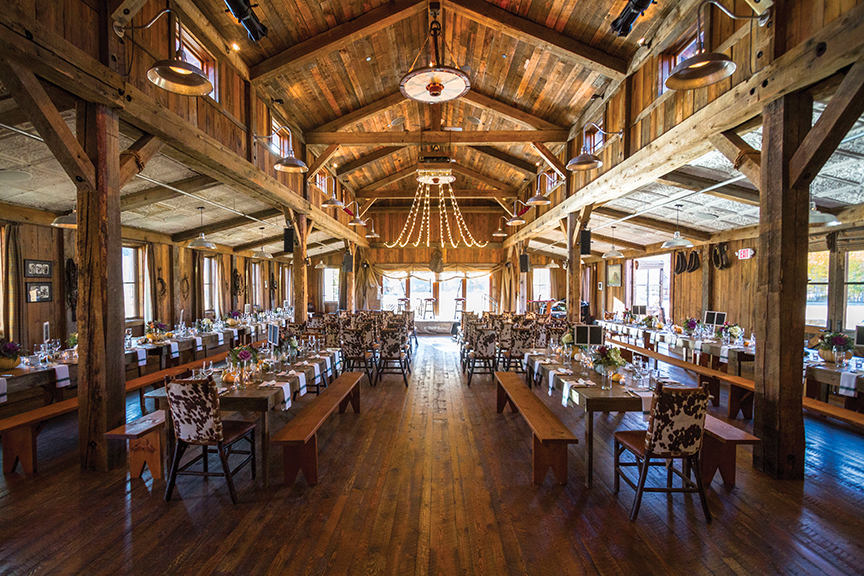
“The brilliant colors and cooler temperatures make for exhilarating days and cozy fireside evenings,” says Kelley-Elwell. “The ambiance and décor of the historic barns, granite lodge, riverfront canvas cabins and log homes make for the perfect fall escape for all ages.”
Photos courtesy of The Ranch at Rock Creek
Topping Rose House
Haven in The Hamptons – Bridgehampton, New York
“The first thing people recognize about Topping Rose House is the timeless design of the colonial manor,” says Joseph Montag, the general manager of Topping Rose House.
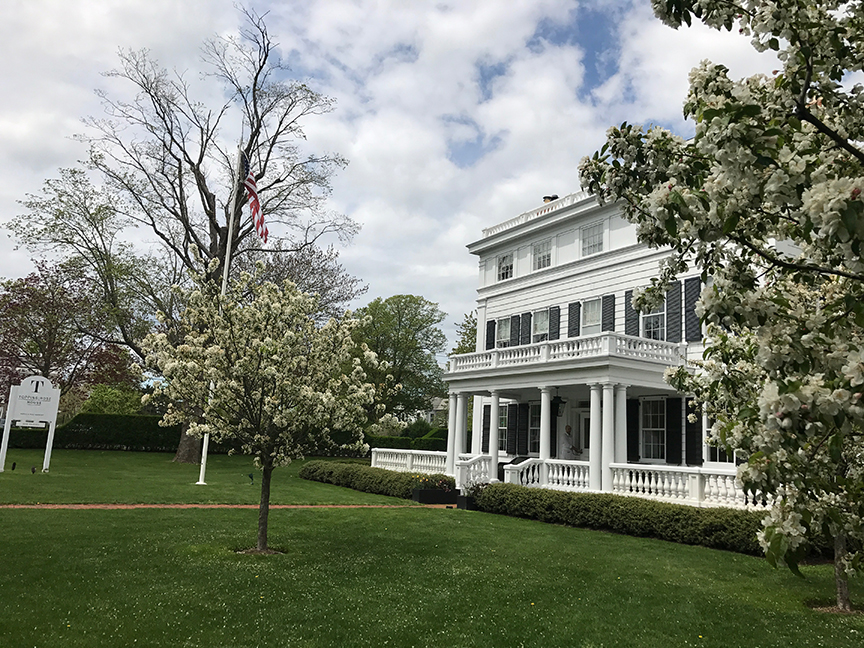
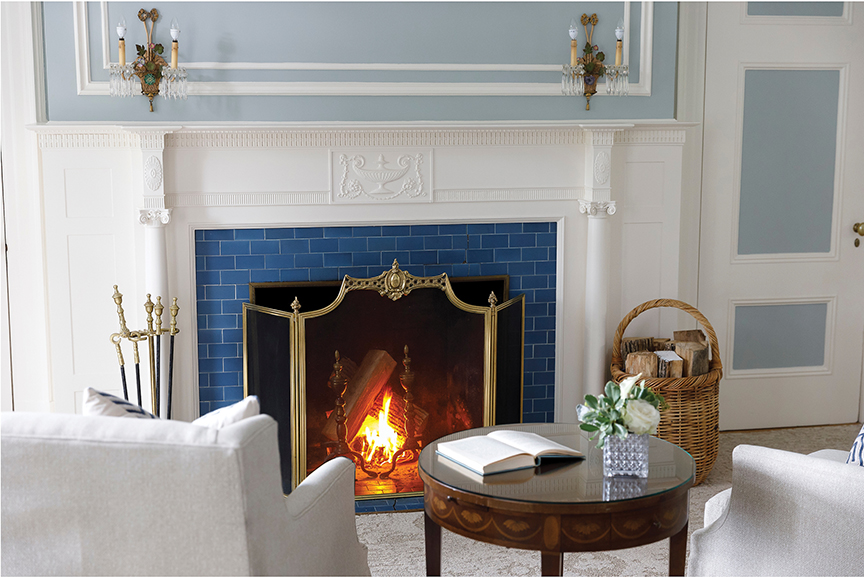
Tradition and history meet new and luxurious at this haven in The Hamptons. “The blend of historical and contemporary design is unique to this property in the Hamptons,” says Montag. This luxury hotel is surrounded by gorgeous grounds and offers exhilarating activities, including hiking, nature walks, golf courses, tennis clubs, and a mix of beaches. “The fall is actually the most consistent weather season of the year. There is little rain and the brisk breeze coming off the ocean gives an ideal climate and beautiful scenery,” says Montag.
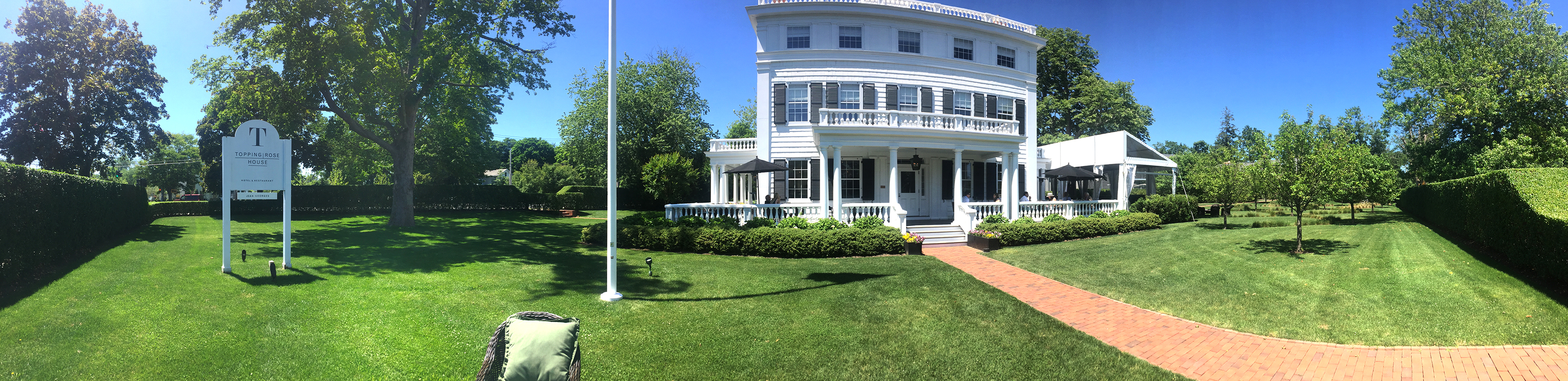
Amenities Offered
“The hotel has a swimming pool that is open to the public as well as a year-round Jean-Georges restaurant. The restaurant wraps around the front porch of the main house to provide a unique dining experience in the Hamptons,” says Montag. The hotel also has new Lexus cars that are available for guests, a pool and a spa.
Photos courtesy of Topping Rose House
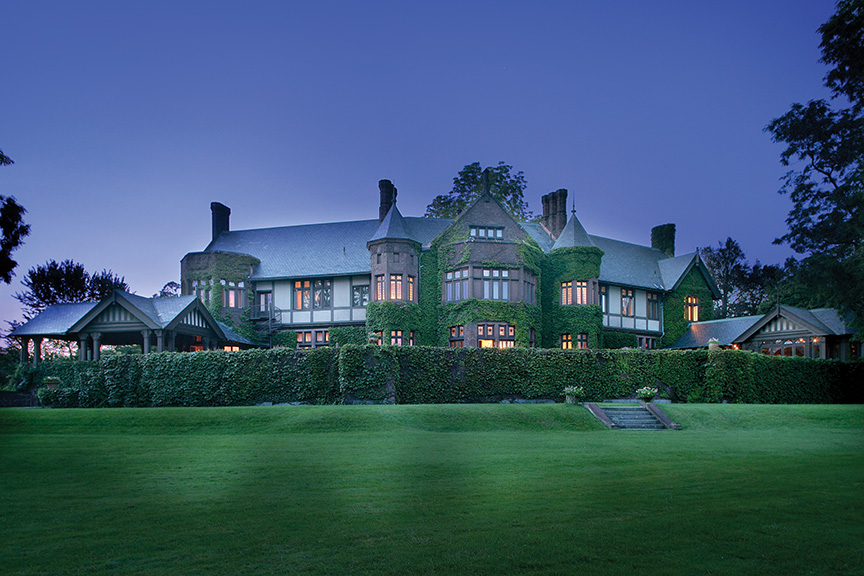
Blantyre is a Tudor-style mansion and estate that was built in 1902 but has been seamlessly updated to the highest of standards. This retreat has an abundance of history that melds perfectly with fine and casual dining that adheres to a farm-to-table philosophy, a spa and vitality bar, hot air balloon rides, hiking and much more.
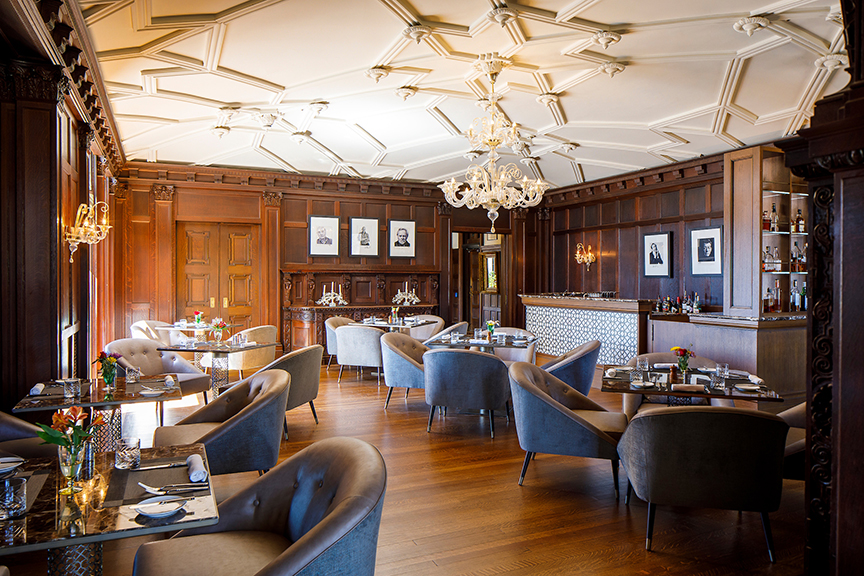
A Great Fall Destination
“The stunning and scenic 110 acres of the estate and the manor house is modeled after a Scottish castle,” according to a Blantyre spokesperson, making this an unforgettable fall destination.
“Blantyre offers unparalleled culinary experiences, including a classic French bistro, fine dining restaurant, and outdoor dining terrace, in addition to New England’s most extensive wine cellar with a private tasting room, and nearly 10,000 bottles,” according to a Blantyre spokesperson.
Photo courtesy of Blantyre Resort
Centerpieces are an additional detail that brings an overall sense of completion to a table or room.
As the holiday season approaches, menus, decor, and more are on everyone’s mind. This year, if you’re hosting a small army or having an intimate gathering, don’t forget your centerpiece. Artemest offers a world of luxury craftsmanship, and that includes a variety of centerpieces that will adorn holiday tables this year and more to come.
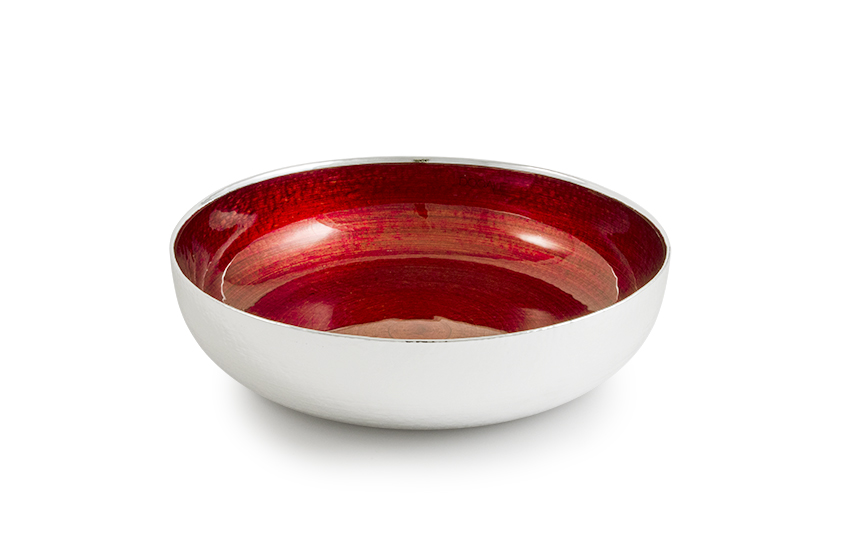
- Be Bold With Colors ($310)
Part of the Dogale collection and made from mouth-blown glass and silver plating, the Rosso Cardinale Centerpiece is the perfect pop of color. The Italian-crafted piece offers a sleek and elegant look that comes from the combination of shimmering glass and hand-brushed silver plating.
- Embrace Different ($730)
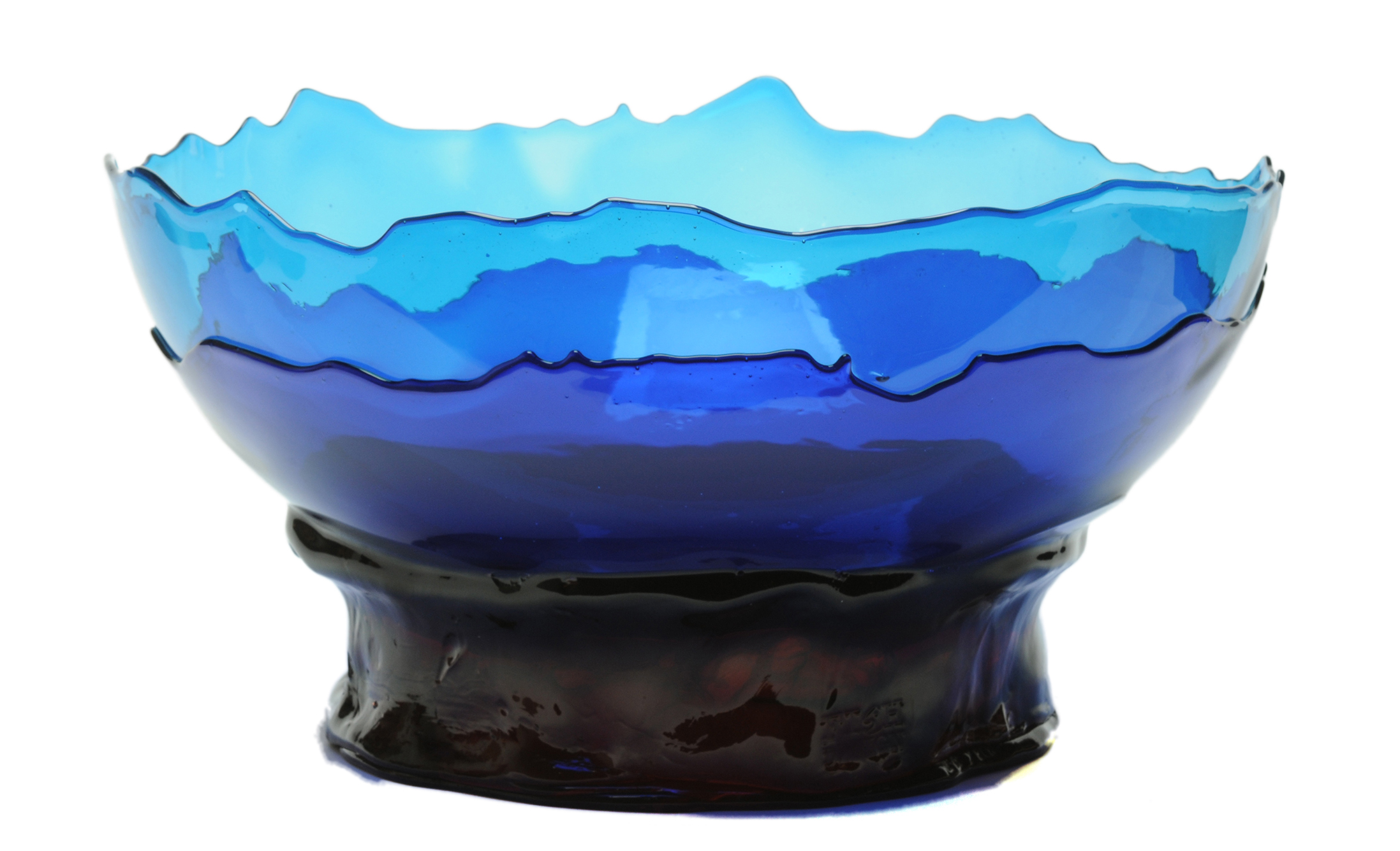
Designed by Gaetano Pesce in 1995 as part of the Fish Design collection, the Big Collina Extracolor Blue XL Centerpiece will stand out on any table. This large, blue bowl is fun and opens the door for creativity. Pile the bowl with a mountain of colorful fruit or gourds this fall or fill it with flowers for a beautiful centerpiece.
3. Start a Conversation ($3,770)
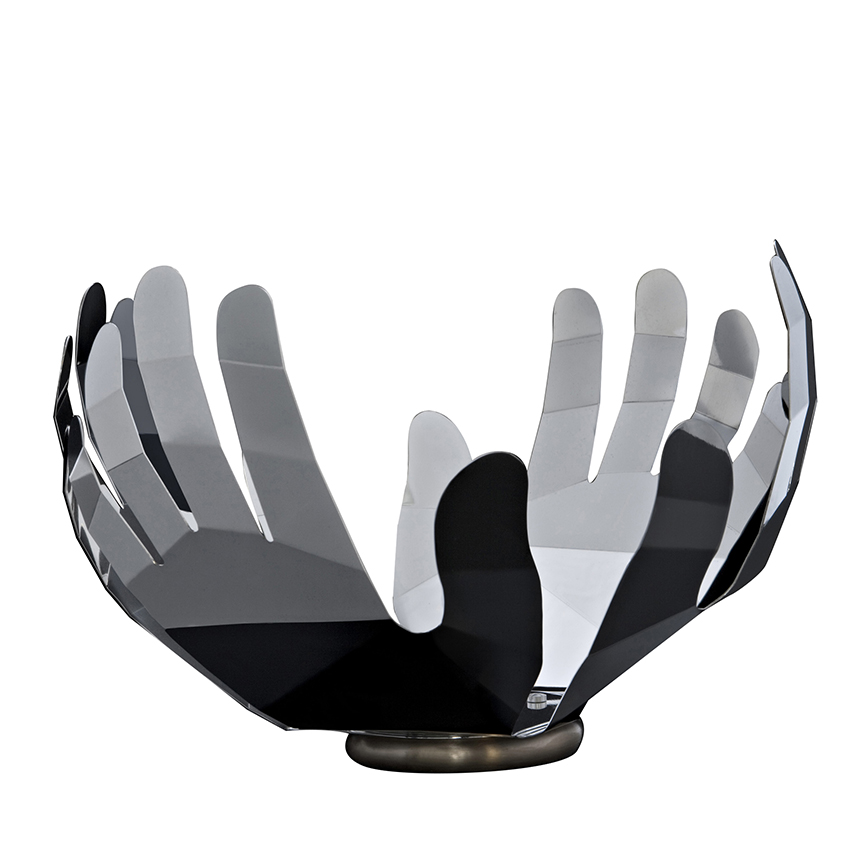
Designed by Afra and Tobia Scarpa, the Mania Bowl, is in the shape of two open hands. The bowl is made of 999/1000 pure silver and serves as a sculpture or a bowl. This kind of centerpiece is sure to start a conversation about art and decor as you sit down and enjoy your meal.
4. Stay Classic ($1,900)
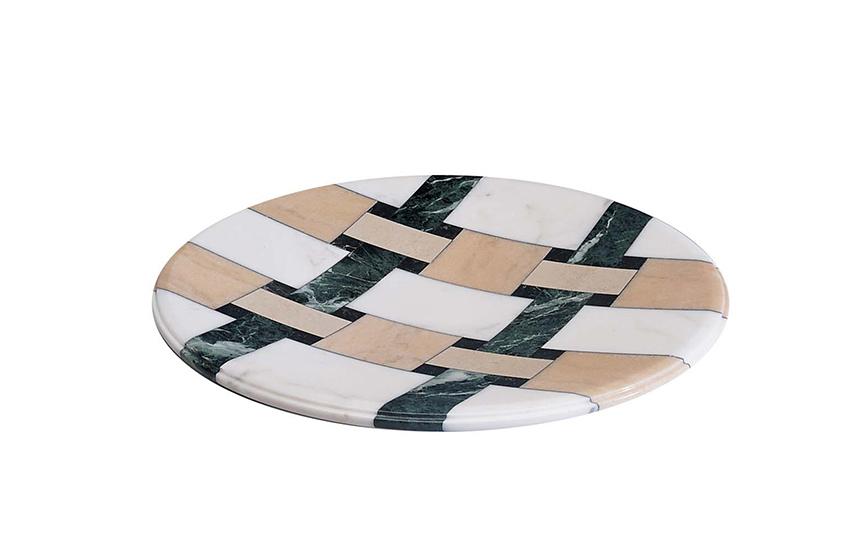
The Intreccio Centerpiece by Adolfo Natalini is a call to ancient times. The use of Carrara marble, Green Alpi marble, Rosa Portogallo marble and the choice of colors are reminiscent of earlier and simpler times. The plate has a timeless aesthetic that will accent a variety of rooms.
- Modern Is Magic ($750)
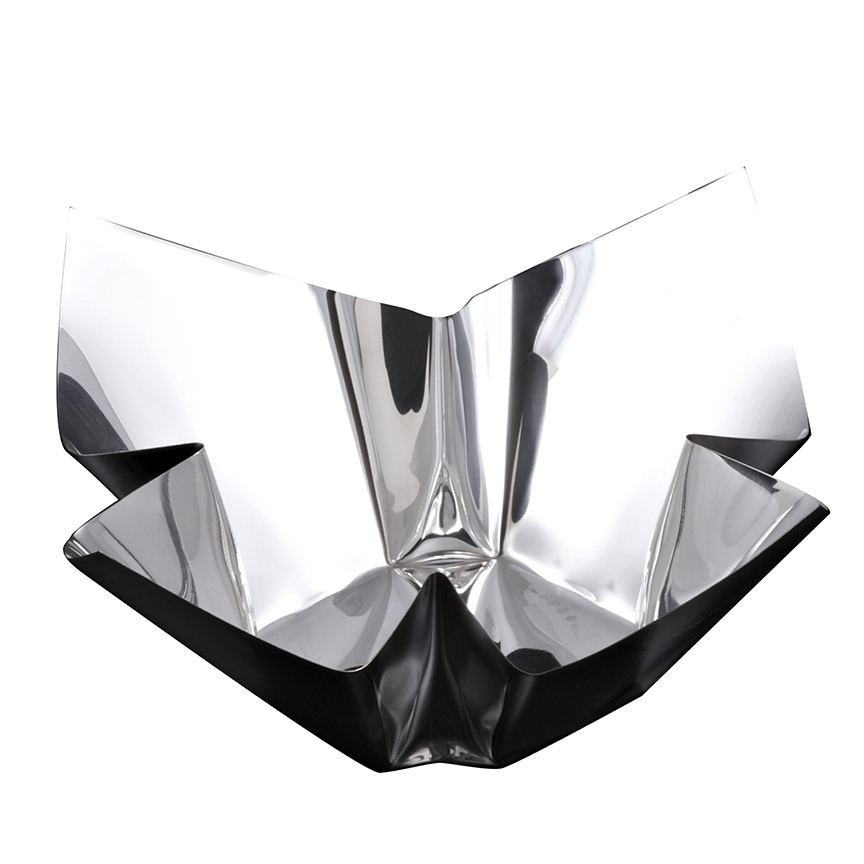
Add a striking modern touch to your table with the Cartoccio Bowl by Afra and Tobia Scarpa. Don’t shy away from the pointed corners, they can be softened by the addition of colorful flowers and fruit. The natural shades of fruit will glow surrounded by sleek, reflective silver. Crafted from 999/1000 pure silver, the bowl is undeniably modern.
Photos courtesy of Artemest
Shop on www.artemest.com
Offering a one-stop shop for high-end design — architecture, landscape architecture and interior design services under a single roof on Los Angeles’ famed Miracle Mile — is Studio William Hefner.
The office’s location on this stretch of Wilshire Boulevard, lined by Art Deco masterpieces and many of the city’s museums, is clearly inspirational for designers.
Originally from Northern California, Hefner arrived in Los Angeles to earn a graduate degree in architecture from UCLA and founded his current practice in 1989. He oversees a highly collaborative staff of about 35 in L.A. and maintains a smaller office in the idyllic coastal community of Montecito, outside of Santa Barbara.
Hefner, who studied art history in college and appreciates a diversity of design, draws inspiration from landmark residences scattered throughout Southern California. He is appreciative of traditionalists like Wallace Neff and Paul Williams — their Mediterranean estates have long been popular with Hollywood celebrities — as well as Mid-Century Modern masters Rudolph Schindler and Richard Neutra. As a result, Hefner’s practice encompasses a wide spectrum of architectural styles and his firm adapts to evolving preferences.
“In my practice, I try not to have a ‘signature’ style but strive toward quality design and execution in different genres, from very traditional to contemporary,” says Hefner, who reports about 60 percent of his current commissions are modern, a share that has doubled in the past decade. “Modern residential architecture has come in and out of style over the past 30 years but is finally becoming more of a lifestyle, not just a fashion or trend,” says Hefner, who adds, “I think it’s here to stay.” In Los Angeles — where so many high-end homes are in the hills or along the coast — modern design maximizes views and suits the region’s indoor-outdoor lifestyle.
Commissioned to design a massive residence on 10 precious acres in L.A.’s opulent Bel-Air neighborhood, Hefner created a formidable French-style estate known as Château des Fleurs. The client’s original inspiration was the majestic Hôtel du Cap on France’s Côte d’Azur, and Hefner conducted extensive research in Paris, Versailles and the Loire Valley to ensure that every detail was authentic. “We wanted to make sure each room was special and unique,” explains Hefner of the house, which has 31 bathrooms. Despite the scale of the project, the architect took care to create intimate, family-friendly spaces throughout the home in addition to grand rooms for entertainment.
When the 60,000-square-foot residence was completed in 2013 after five years of construction, it was the largest home in a city famous for conspicuous consumption. In his lavishly illustrated book Château des Fleurs (Pointed Leaf Press, 2016), Hefner explains a progressive approach to classic French design. “The balance of this house was to create a powerfully simple structure that would feel timeless and not imitative, while inviting an Old World opulence to the fit and finish of the architecture in a way that would be both decorative and something more: modern,” he writes.

Another more classically inspired design from Hefner is an oceanfront home in L.A.’s Pacific Palisades, a celebrity-favored enclave with a rich architectural history. This home features an Italianate design, dazzling spiral staircase and lush landscaping. In the very same community, in the foothills of the Santa Monica Mountains, Hefner authored a sprawling modern residence in which the floorplan was meticulously oriented to ensure optimal views from every room.
An approximately 7,000-square-foot home in Beverly Hills’ coveted Trousdale Estates is one of Studio William Hefner’s most notable expressions of modernism. Reminiscent of L.A.’s influential Case Study Houses from prominent Mid-Century Modern architects, it was commissioned for a client with an extraordinary modern art collection. “Accommodating art is always a challenge in a view house,” says Hefner, who notes the requisite expanses of glass tend to limit available wall space.
In suburban Sierra Madre, a considerably more rustic community than Beverly Hills, Hefner created a thoroughly contemporary residence in an environment where Craftsman bungalows and Spanish Revival homes are the prevailing architecture. But through a generous use of stone and wood, he was able to infuse the property with considerable warmth, softening the impact of its modernist theme.
“My philosophy, in both traditional and modern homes, is to introduce spaces for indoor-outdoor living, which is a reason we offer landscape architecture among our services,” says Hefner. “In Southern California, the entire site becomes a living space, with large patios, covered outdoor living areas and landscaped courtyards that people can use throughout the year,” he explains. In Hefner-designed landscape design projects, swimming pools often double as reflecting pools, fountain-laden patios assume the serenity of Zen gardens and cacti provide a compelling complement to austere clean-lined structures.

Like New York’s idiosyncratic Peter Marino, a talent he admires, Hefner is an architect who has expanded his practice to incorporate interior design. “I always had a strong interest in interiors and was disappointed when some of my early projects were not finished the way I had envisioned them, so I began designing interiors myself,” recounts Hefner. Now heading up the interior specialty at the firm is his wife, accomplished designer Kazuko Hoshino, and the firm produces custom-made furniture and accessories that enhance the interiors she creates.
Among Studio William Hefner’s custom-made products are the Infinity console, a plane of wood supported by two circular bands of steel, and the strikingly contemporary Halo mirror with its echoes of Mid-Century Modernism. Featuring a modern simplicity are the Capri lounge chair and distinctive Willow nightstand. Even the most contemporary of these pieces can complement vintage architectural settings, as Hefner and Hoshino have demonstrated in their own 1920s residence in L.A.’s fashionable Hancock Park neighborhood.

Before Hefner founded his own company, he worked for Skidmore Owings & Merrill, one of the world’s largest and most influential architecture firms, designing high-rise commercial buildings. “It was difficult to establish a personal connection with the ultimate users of the spaces,” laments Hefner, who appreciates residential design because of the more intimate relationship it forges between architect and client. Hefner encourages clients to fully participate in the design process, stating, “I think we do a better job when they’re more involved.”
The firm’s projects continue to be concentrated in Southern California, where Hefner believes the Mediterranean climate and the indoor-outdoor lifestyle it encourages affords him a genuine freedom of creativity. However, Studio William Hefner has designed residences in countries as disparate as South Korea, Turkey and Israel, and is currently undertaking projects in Seattle, the San Francisco Bay Area and Jackson Hole, Wyoming.
Photos courtesy of Laura Hull, James Ray Spahn, and Tyler William Parker
Ditch overused gold and silver trends for charming copper hues that will add to your home’s modern, yet cozy atmosphere.
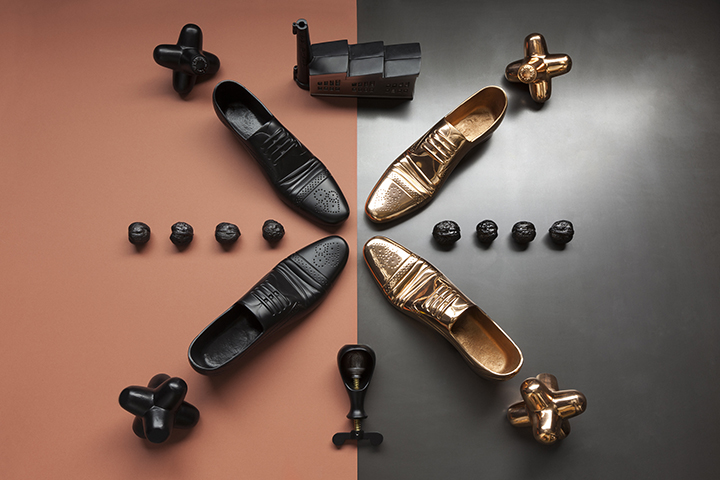
Copper’s versatility is why you should incorporate it into your decor this year. The range of shades, from pale soft tones to rich and deep copper allows for designers to work with a material and color that is complex. Silver and gold are classic, but copper is an exciting touch of diversity amongst tradition.
Copper Can Be Functional
The Hex Copper Bowl with a textured look and feel creates an eye-catching item that is unique and functional. The less-than-perfect surface of the bowl is what makes this piece interesting. The dents and bends in the metal create more than one shade of copper, which makes it more interesting than one smooth item.
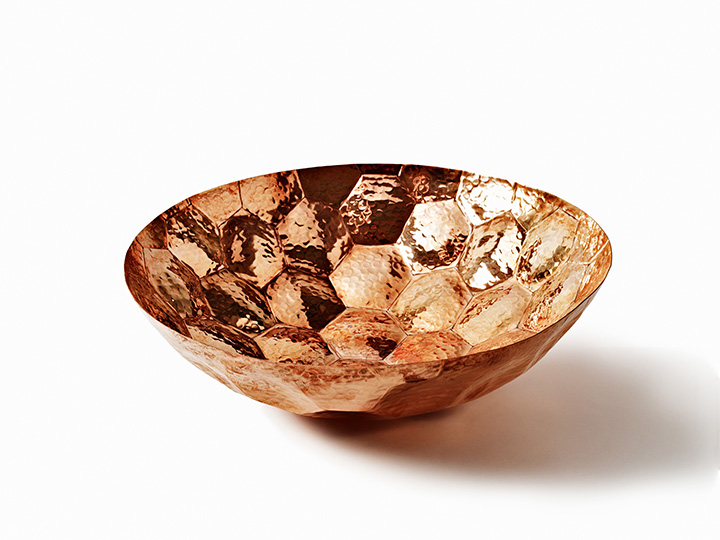
Product: Hex Bowl Medium Copper
Copper as a Conversation Starter
The Tom Dixon Cast Shoe Copper is the perfect example of a playful way to bring copper into your decor. A conversation starter such as this would stand out perfectly against a navy blue wall or door. The item is cast iron, copper colored, and designed to be a door stop. This small accent piece could also help tie together other copper aspects in a room, including other shades of copper.
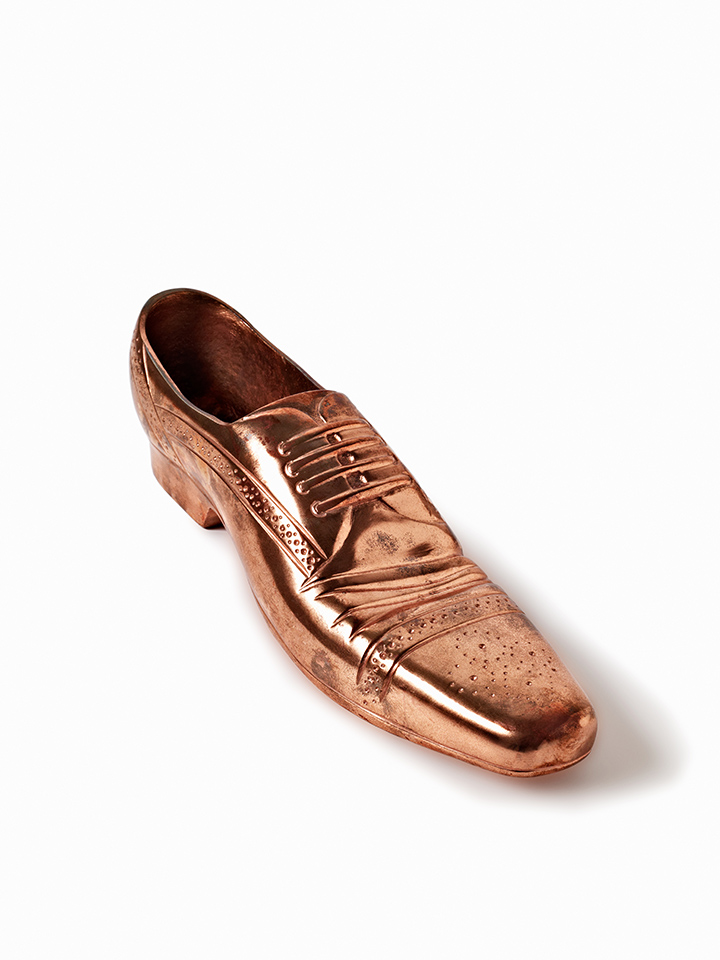
Product: Cast Shoe Copper
Ultra Sleek
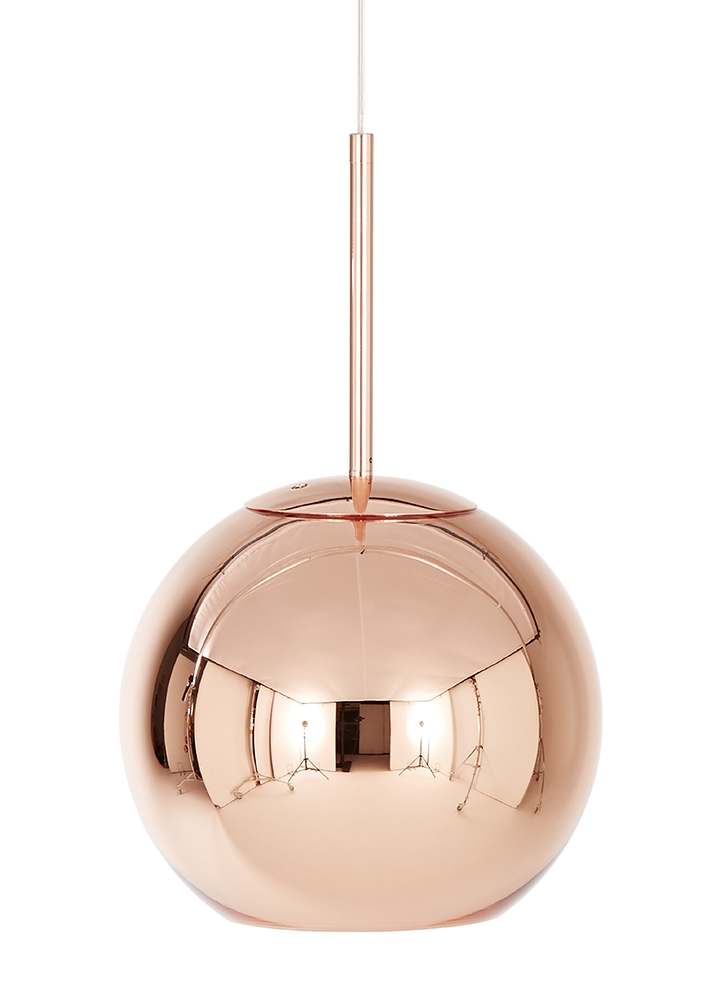
The Copper Round Pendant is a perfect contrast to a rough copper bowl. The ultra sleek exterior of the pendant proves that copper is not restricted to a rustic feel. Reflective and chic, the pendant is also a conversation piece that will undoubtedly bring a modern feel to any room. Smooth and rough pieces can work together in the same space. Pairing these items is a creative way to reveal copper’s multiple layers.

Eclectic Addition
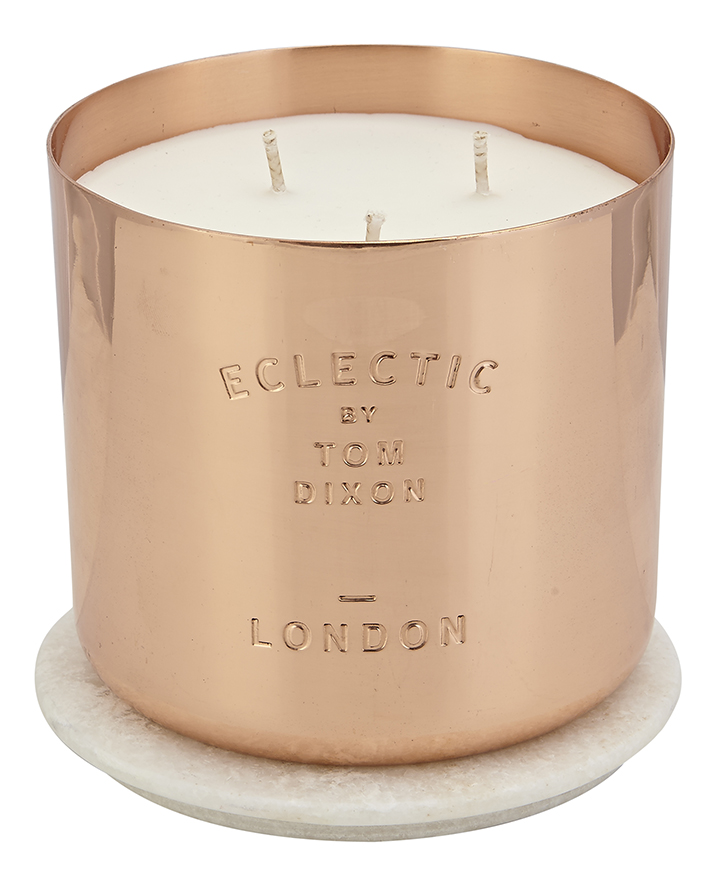
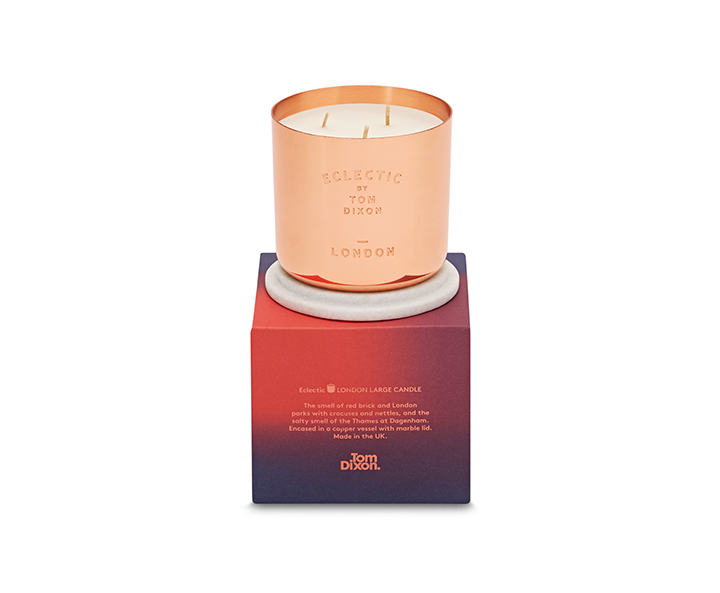
If you are interested in using new materials or fresh colors in a room, you don’t have to commit right away. Small items, such as these Eclectic Candle London Large are easily removed or changed if you’re undecided. Candles can also accent and play off of larger copper tones that you may integrate later. Small details are what makes a room feel complete and thoughtfully put together.
Product: Eclectic Candle London Large
Photos courtesy of Tom Dixon. Where to buy: tomdixon.net
Offering variety, convenience and a sense of community, these food courts for grown-ups are being embraced across the country.
By Roger Grody
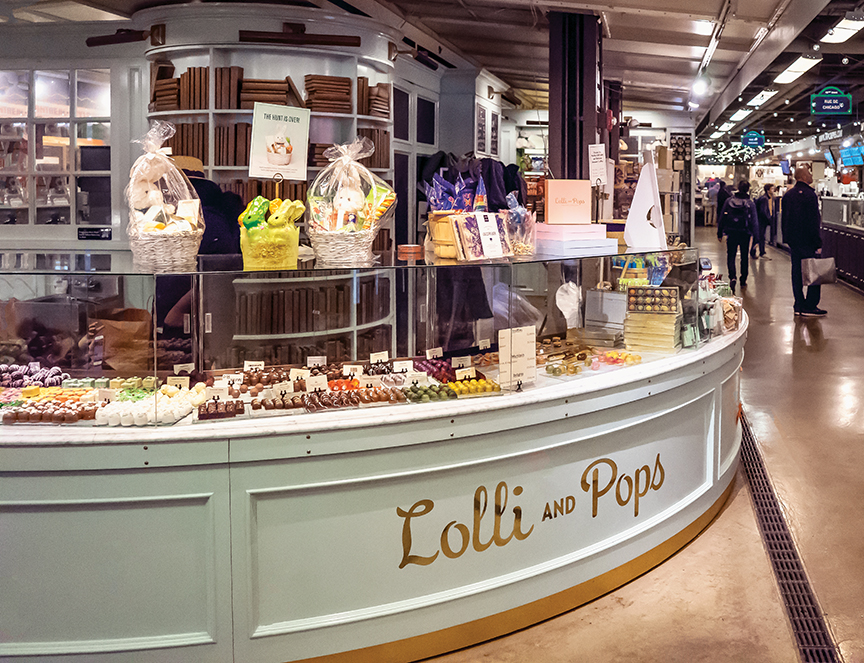
Teenagers hanging out at the local shopping mall may consume greasy pizza and hot dogs on sticks, but reimagining the food court with high epicurean standards is a hot development trend. Across the country, sophisticated food halls are filling historic buildings in reenergized downtowns.
At the new venues, food is not an afterthought, but the main event in a concept borrowed from diverse cultures. Department stores like Harrods in London or Le Bon Marché in Paris dedicate entire floors to culinary discovery, while street food vendors in Singapore rent stalls in hawker centers.
Some food halls in the States originated as places where farmers, fish mongers and bakers sold their goods, with a few food stands or cafés sharing a common seating area. Examples include Philadelphia’s Reading Terminal Market, Seattle’s Pike Place Market and Grand Central Market in Los Angeles, all historic venues now filled with restaurants.
Photo by Lana Neiman Chicago French Market (Chicago), www.frenchmarketchicago.com
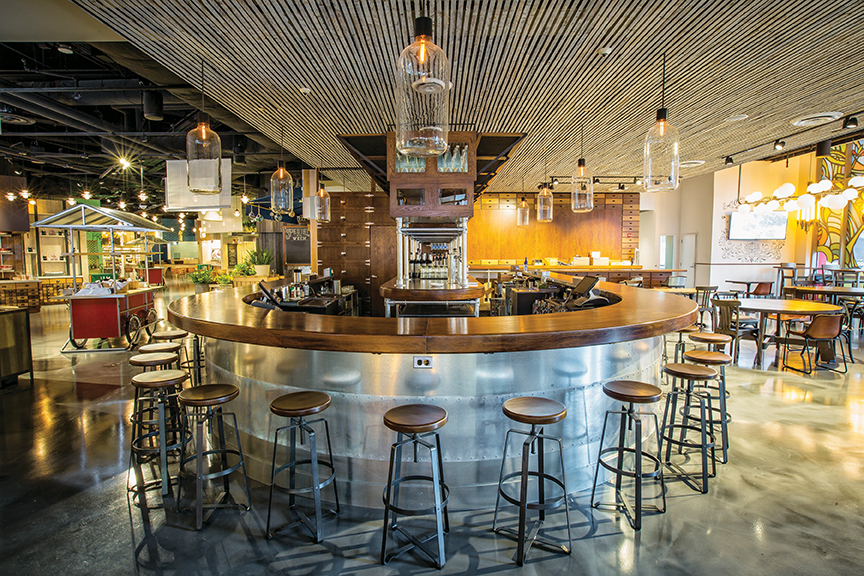
Photos courtesy of ADYA Latinicity (Chicago), www.latinicity.com Anaheim Packing House (Orange County,CA), www.anaheimpackingdistrict.com
Grand Central Market was a remnant from a bygone era until the gentrification of downtown L.A. attracted more sophisticated dining tenants. Old school butchers and taquerías remain, but now share space with chef-driven Prawn, Wexler’s Deli and Eggslut, a trendy food truck spinoff.
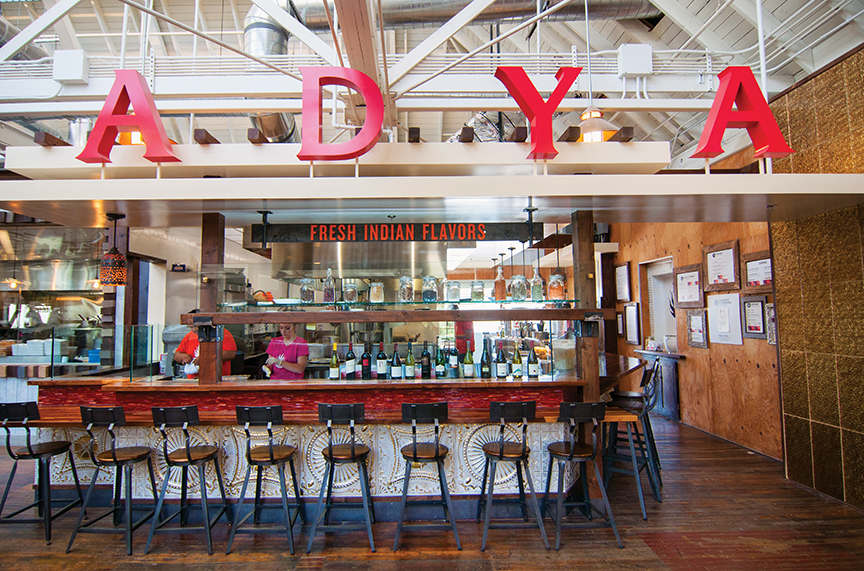
In suburban Orange County, California, the century-old Anaheim Packing House has been transformed into a food hall housing two dozen eclectic eateries beneath a galleria-style glass roof. At Adya, chef/partner Shachi Mehra tweaks authentic street foods from her native
India with fresh California accents. “There’s an energy that’s infectious and uplifting throughout the space, and I wanted to be located in a place that celebrates diversity,” she reports. “What makes the Packing House so special is its sense of community, which for many first-time owners like myself, is important,” adds Mehra.
Photos ©Kassie Borreson Ferry Building (San Francisco), www.ferrybuildingmarketplace.com
Eataly venues are so large (50,000-plus square feet) that virtually any Italian product — prosciutto to Pecorino, pappardelle to Pinot Grigio — that one desires to grab-and-go or consume onsite is found in unprecedented abundance. “When our customers visit Eataly, they realize that we’re not only a store, or only a restaurant, or only a cooking school. We’re all three under one roof, inviting everyone to experience high-quality food in 360 degrees as they eat, shop and learn,” says Eataly USA CEO Nicola Farinetti.
Photo by Lana Neiman
At Chicago’s Latinicity, the diverse flavors of Latin America (whether it be Lima, Buenos Aires or Mexico City) are offered at eight food stations and a sit-down restaurant. Founded by renowned Mexican-born chef/restaurateur Richard Sandoval, the concept was inspired by a market he visited in Colombia, reinforced by the success of Eataly. “I wanted the market to showcase approachable food,” says the owner of 50 restaurants around the globe. “I didn’t want to go high-end but back-to-basics with good home-cooked market foods,” explains Sandoval.
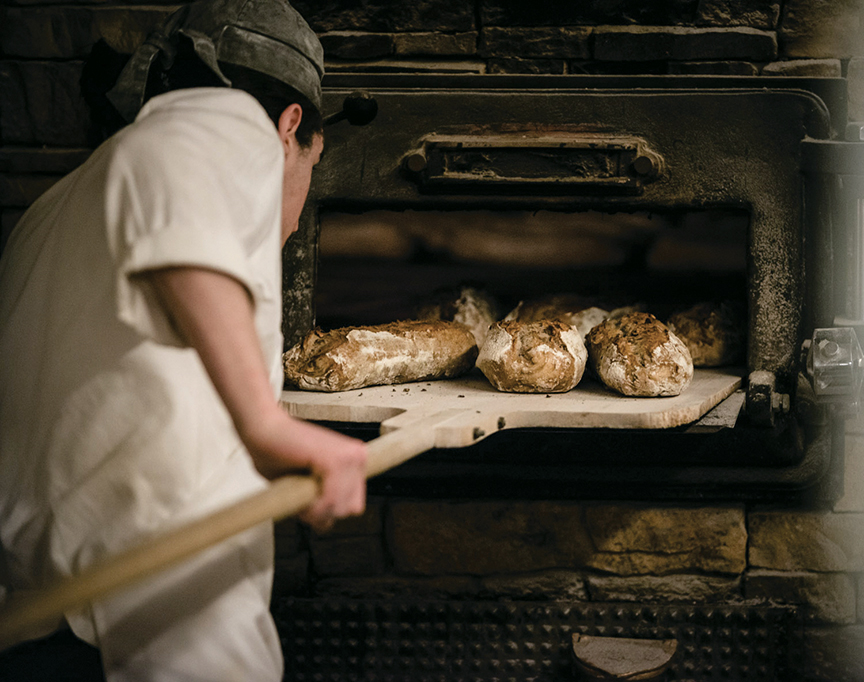
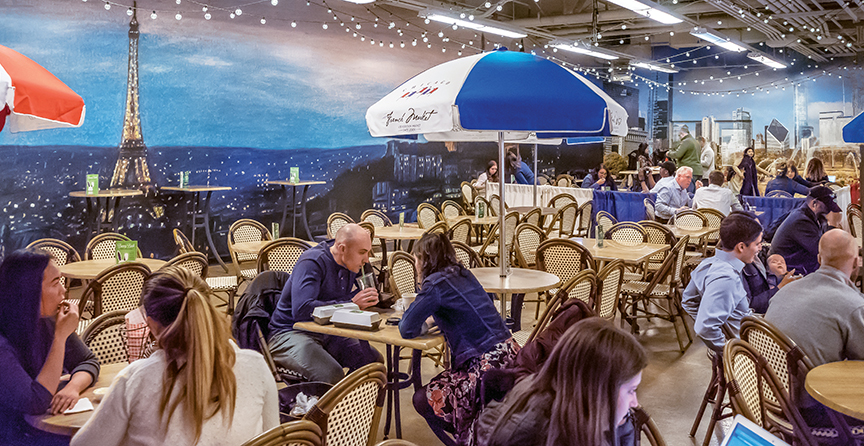
The Chicago French Market was the Windy City’s first food hall when it opened in 2009, and while it offers Camembert and pâté to-go or beef bourguignon to enjoy at a table, it is not exclusively French. It was designed in the spirit of Parisian markets, but its 30-plus vendors feature a global representation, ranging from Italy to Argentina, Japan to the American South.
“There are so many different ethnic groups in Chicago, and this market brings them, even young people, back to their roots,” says owner/manager Sebastien Bensidoun, whose family is the largest operator of markets in Paris. Insisting the venue has equal appeal among billionaires and starving students, Bensidoun explains, “My philosophy is never to open a market only for affluent people. Everybody should be able to find something they can afford and enjoy.”
The Ferry Building, a distinctive Beaux-Arts landmark on San Francisco’s waterfront, has been converted into a long, linear food hall. Where commuters used to board ferries, foodies now browse organic produce or nosh at trendy eateries like Mijita, where acclaimed fine dining chef Traci Des Jardins nostalgically recreates Mexican street foods.
Photo by Francesco Saoienza Eataly (New York, Boston, Chicago, Los Angeles), www.eataly.com
The following article originally appeared in the Spring 2018 issue of ERA Real Estate Distinctive Properties Magazine.

The Internet may have killed the travel agent, but increasing demand for customized and curated experiences has created a new niche.
To some, “travel agent” may be a term of the past. Replaced in part by technological strides and the rise of the internet, travel agents have been in decline in recent years and that trend is set to continue over the next decade. Yet, a new class of travel experts altogether are gaining traction — travel designers, who offer high-end curated trips based on their own personal travel expertise.




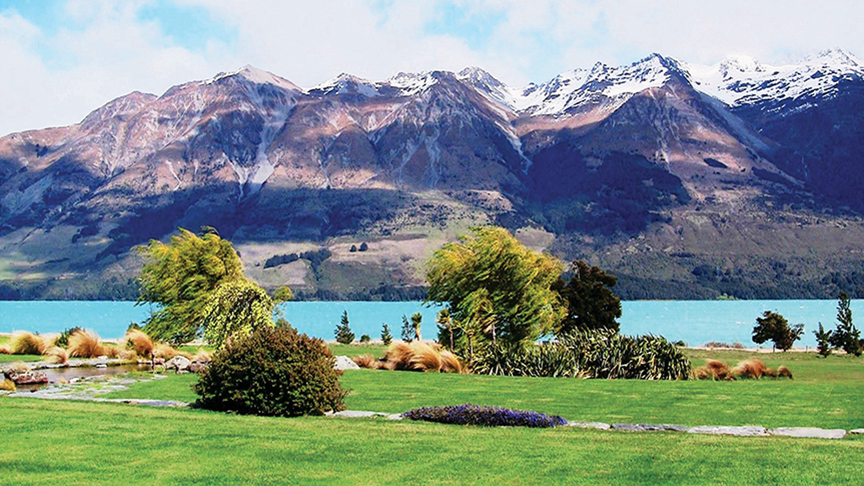
“People spending a great deal of money on their vacations don’t just want a cookie-cutter experience. They want something really tailored to them, planned specifically for their likes and interests,” says Lia Batkin, co-founder of In The Know Experiences, a luxury travel and lifestyle agency in New York City.
Batkin and her husband and partner Seth Kaplan were inspired to enter the travel industry in 2007 after a disastrous trip to Argentina. “We enlisted someone to help plan a trip for us and that did not go so well. I realized it’s hard to rely on various recommendations and things you come across while planning on the web when you were truly looking for an elevated experience,” says Batkin.
“For higher-end clientele, it’s not about the money — it’s about the time. This led us to believe that there was a gap in the market at the time,” says Batkin.
“Travel agents primarily sell based on either client instruction or on pricing. And often, they are booking things they haven’t seen,” says Doug Easton of Clelestielle, a Traveller Made-certified agency. “Travel designers, by contrast, are most assuredly getting the same benefits as agents, combined with an advanced degree of personal experience.

Principals of experiential travel company, Celestielle — Doug Easton and John Ziegler — personally visit each destination and stay at each hotel or property before they recommend it to their clients. Pictured here at Sala’s Camp in Kenya.

When it comes to experience, Easton and his partner John Ziegler are at the forefront, with visits to hundreds of countries and counting. “We started our company 13 years ago. Because we don’t have things that anchor us at home, we can be mobile for the whole year. It’s a crazy, nomadic life, but it pays off for our clients,” says Easton. “Our model is that we will sell anything that is luxury-based on client instruction. Yet, we would never propose to the client something that we’ve never seen. Anything we propose to the client is something we’ve visited or are in love with.”
Easton and Ziegler go on what they call “scouting trips” where they visit locations and hotels to inform their expertise. “We can see about 100 to 120 hotels in a year around the world. We keep something called the ‘to-visit list’ that has about 3,600 hotels on it,” he says. “You don’t want to buy anything from someone who doesn’t know what they’re selling. How can I plan a trip for you to a country without ever going there?”
A combination of personal experience and decision-making is what urges clients to seek out luxury travel designers to send them on a wonderful journey. Yet, it’s not always about the nicest hotel or the most luxurious place to stay, but rather the off-beaten path.
“It’s about traveling with intention, not just to share on social media,” says Michael Bennett, executive vice president of Nomad Hill, a Houston-based travel design company. “It’s about acquiring a perspective shift. The only reliable source of action is how to see the world, and travel can shift the way you see it.”


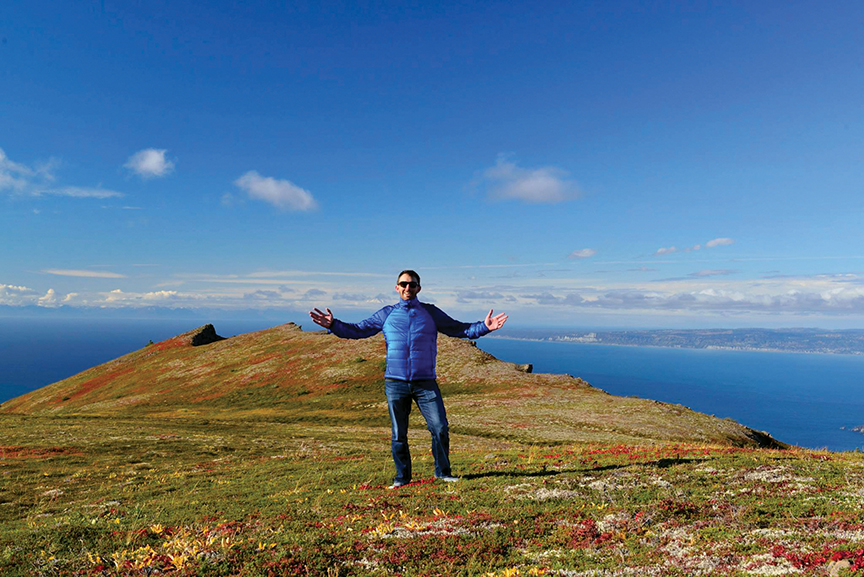
Michael Bennett, Executive Vice President of Houston-based travel design company Nomad Hill exploring in Alaska.
Bennett, who completed his doctorate concerning travel studies, helped establish the term “transformational travel” and utilizes his knowledge while crafting trips for his clients. “I explored people who had self-changing travel experiences and analyzed them and stories to see if there were things in common, and there were.”
Beyond location, travel designers also understand the mechanics of what makes trips memorable. Bennett seeks to bring variation to his custom itineraries, seeing the importance of fantastic on-the-ground guides, food and opportunities to meet people.
“We want to make sure that clients are getting to see what they want, but we also want to make sure they get out and explore,” he says. “So we intentionally craft spots that provide a good challenge.” This may include an engaging activity such as shark-cage diving, followed by a relaxing wine dinner. “Another thing I always try to bring in for my clients is to make sure they have ample down time. Time for reflection, journaling or prayer. Making sure that their days are exciting but not overly packed.”
“Everything is seamless down to the car service for you,” says Batkin. “Service also includes a dedicated person while you’re away 24-7. At times we get alerts that connections to flights were cancelled, so we go ahead and handle that mid-flight, change their hotel and give them a full brief when they land.”
“A lot of it is also managing expectations,” adds Easton. “For instance, if you’re visiting Jordan, there may be only okay places to stay, yet the areas are magnificent and completely justify the visit. And we let you know that.”
But in the end, it truly is about curating a life-changing experience for clients. “Research says that there is a peak/end model, in that essentially people will remember trips by one to two things that happened. But also, how it ends is important,” says Bennett. “You can have an amazing trip, but if something goes wrong on the last day, subconsciously it’s going to color your impression when you think about it a week, a month or a decade later. It’s really our job to make sure we don’t leave anything hanging in the end.”

Photos courtesy of Celestielle & Micahel Bennett
The following article originally appeared in the Spring 2018 issue of ERA Real Estate Distinctive Properties Magazine.
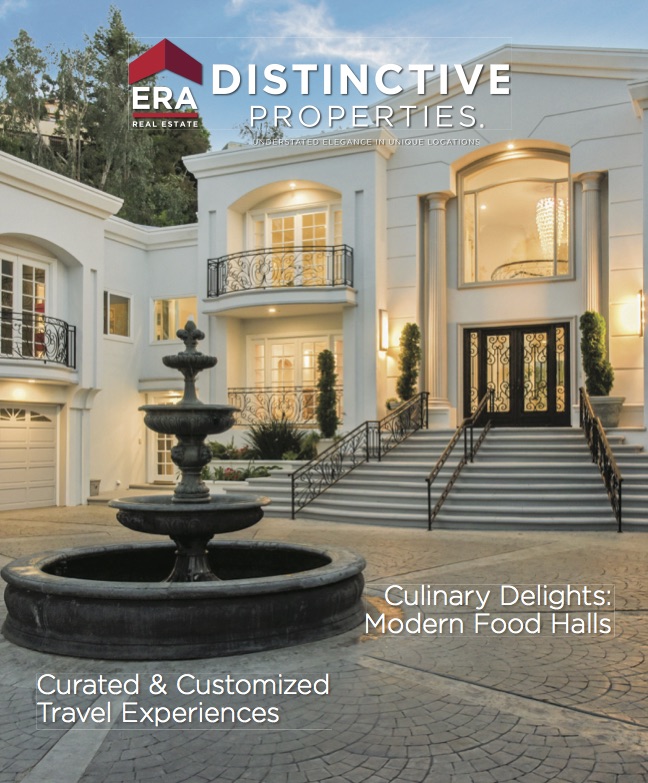
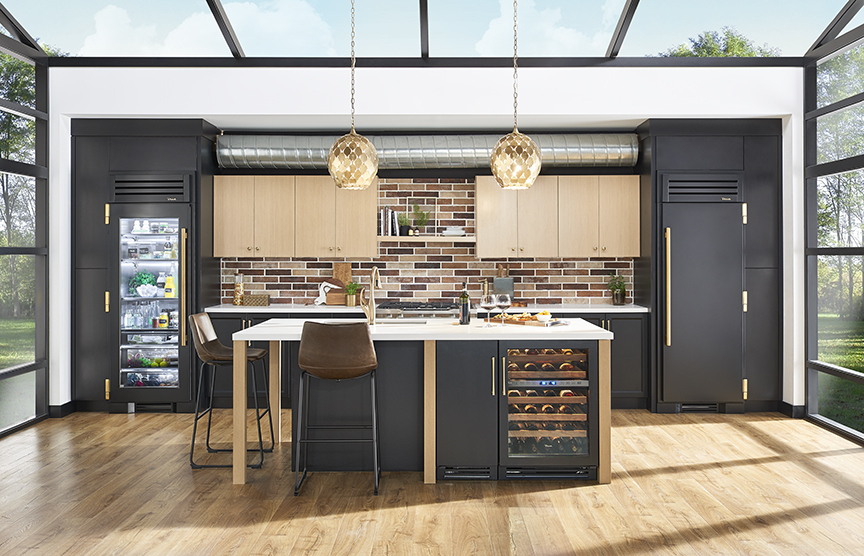
Handcrafted in America since 1945, True Residential’s commitment to American-made products goes all the way back to its beginnings as a commercial refrigeration company in St. Louis.
In today’s world, where design is specialized and unique for every home, particularly in the kitchen, the brand remains vital to the industry.
A team of designers at True Residential spoke with Unique Homes about the brand’s influence on kitchen design, both in the home and commercial spaces.
How has the appliance industry changed since True Residential began, from the early 1950s to now?
When True started in 1945, they were only selling commercial refrigeration. Throughout the ’80s and ’90s, commercial-style equipment in the home became popularized. That trend has continued to grow. Today, people have more apps and technology at their fingertips than ever before to help them cook like the pros, therefore, they’re seeking for more commercial-style equipment
True Residential has stayed true to its commercial roots providing a unique, commercially styled product that also performs like one. We are always demanding more from our appliances. True has always been at the forefront of increasing efficiency without sacrificing performance or quality. We’re proud to be an original Energy Star partner.
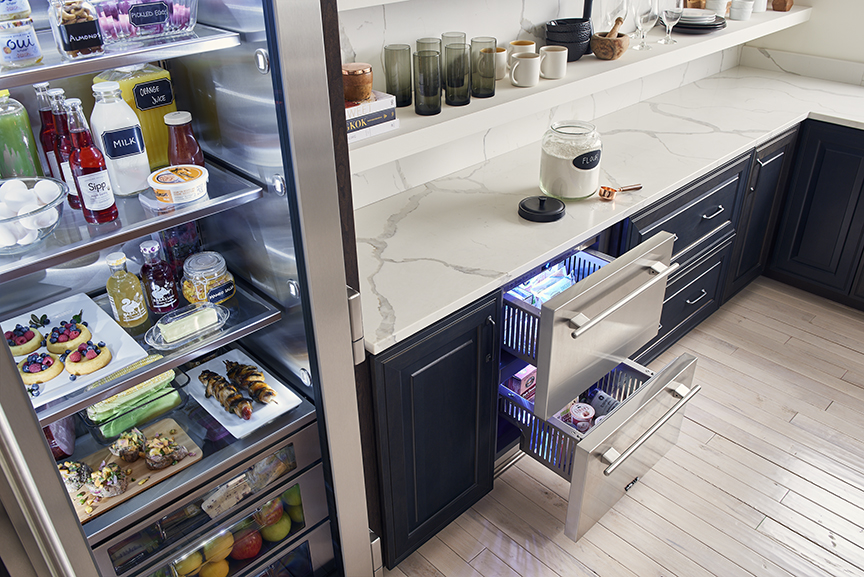
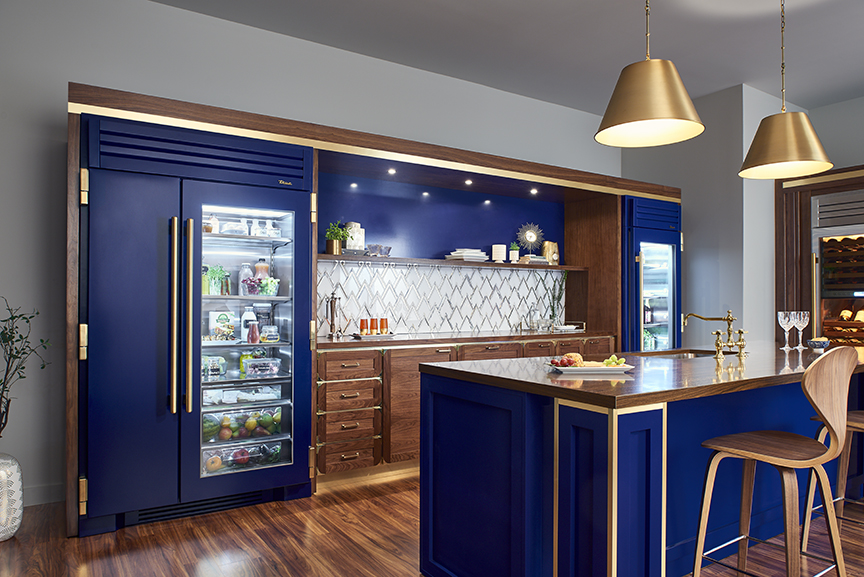
Kitchen design by Vanessa Deleon.
what is the brand's top priority with regard to design?
Providing a premium commercial-style refrigerator, both inside and out. We try to be on the forefront of trends like custom colors and various product configurations to provide truly unique options for designers, builders, specifiers, and clients.
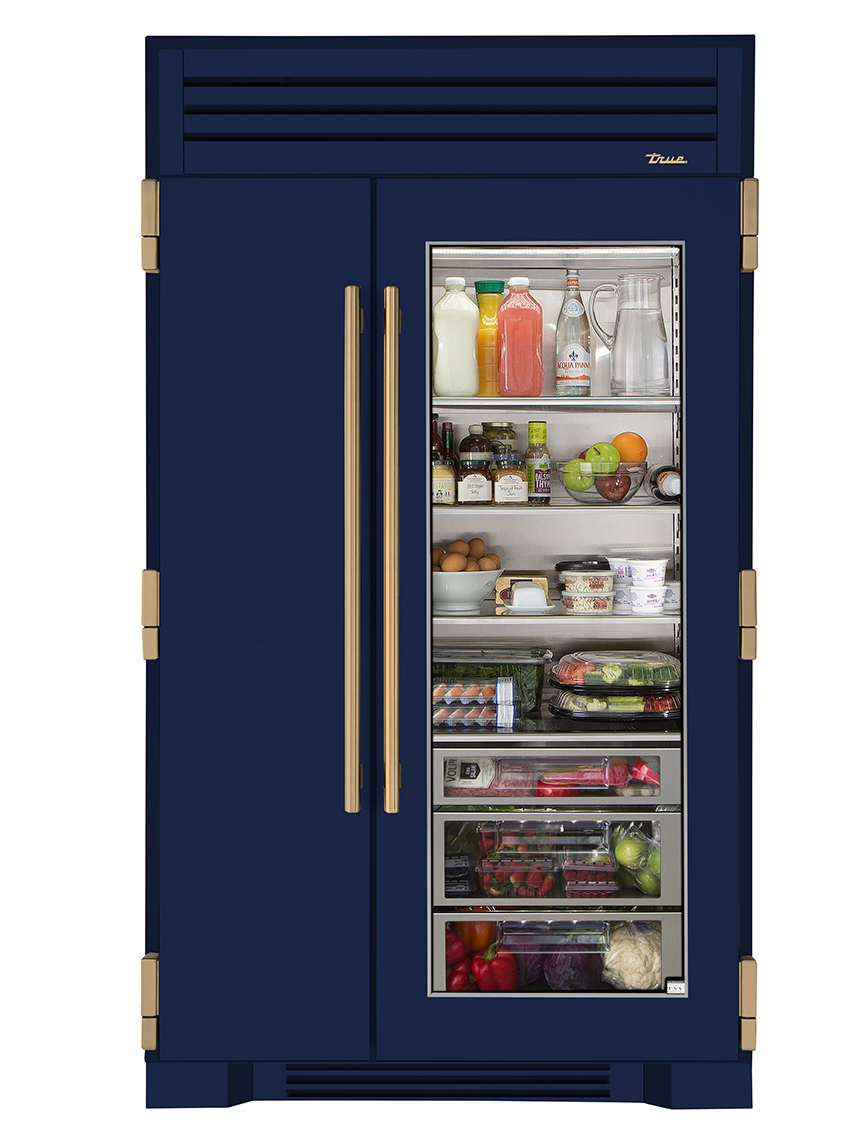
This year we unveiled four additions to the Build Your True collection — a system that allows consumers and/or designers to choose from a variety of our products and customize them in one of our custom color and hardware finishes. To cater to the color-happy trend, we added an eye-catching cobalt blue joined by matte white and matte black finishes to round out our roster of stunning custom finishes.
what do professionals and chefs look for in appliances?
Chefs look for function above all else. We have had numerous professional chefs choose our appliances, Wylie Dufresne among them. The 42-inch fridge alone offers 24.44 cubic feet of stylish, stainless refrigeration. This detail offers chefs ample space for food storage in a hygienic environment designed to keep items fresh.
True’s cascade airflow — a system exclusive to the brand — provides consistent temperatures throughout the unit. We also outfit each refrigeration unit with incredibly sturdy drawers, offering chefs the commercial strength they rely on at work — in their own personal kitchens.
In terms of organization and style, our refrigeration units come with streamlined handles, TruLumina lighting, steel-encapsulated glass shelves, and 36 color combinations for designers and homeowners to choose from.
And while all the appliances we offer are energy efficient and designed with function and form in mind, we have the highest-performing, most energy-efficient Clear Ice Machine available on the market today.