



Churchill Properties
123 Brimbal Ave, Beverly, MA | 122 Main Street, Suite 4, Gloucester, MA | 49 Union Street, Manchester-by-the-Sea, MA | 169 Bay Road, Hamilton, MA 01982
1.833.MOVING.9 | www.churchillprop.com
Churchill Properties is a full service residential real estate firm offering excellence in brokerage services to Boston’s North Shore communities through our offices located in Manchester-by-the-Sea and Hamilton, Mass. We are members of the elite Leading Real Estate Companies of the World network including 4100 offices and 130,000 agents in 65 countries worldwide. Our unique marketing and sales program utilizes multiple media channels and promotional activities including:
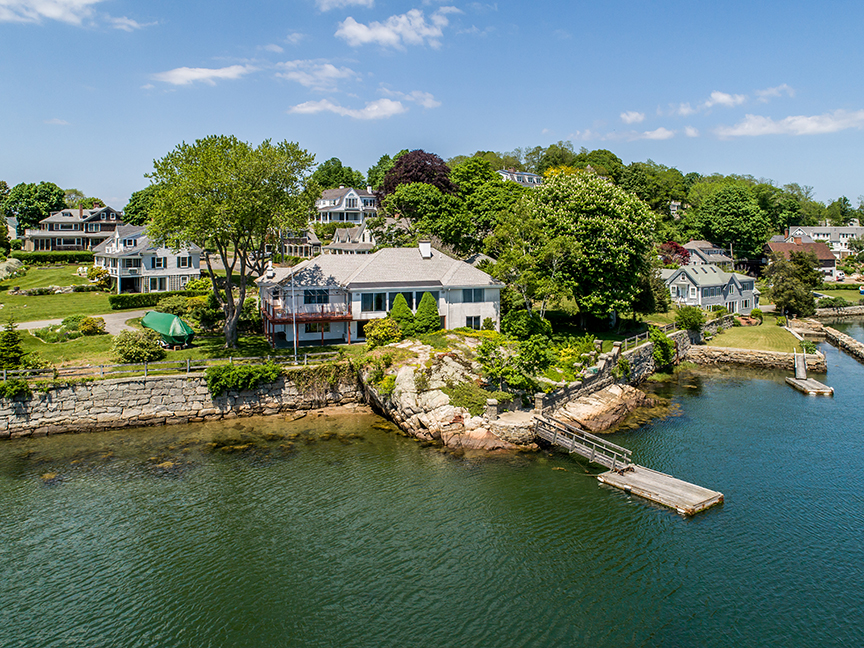
Featured Property: Annisquam, MA
The Stage Cove House is a direct waterfront property in Annisquam Village, just steps to the Cambridge Beach, including a private dock. Sweeping views over Wingaesheek Beach and the Annisquam Yacht Club. $2,500,000.
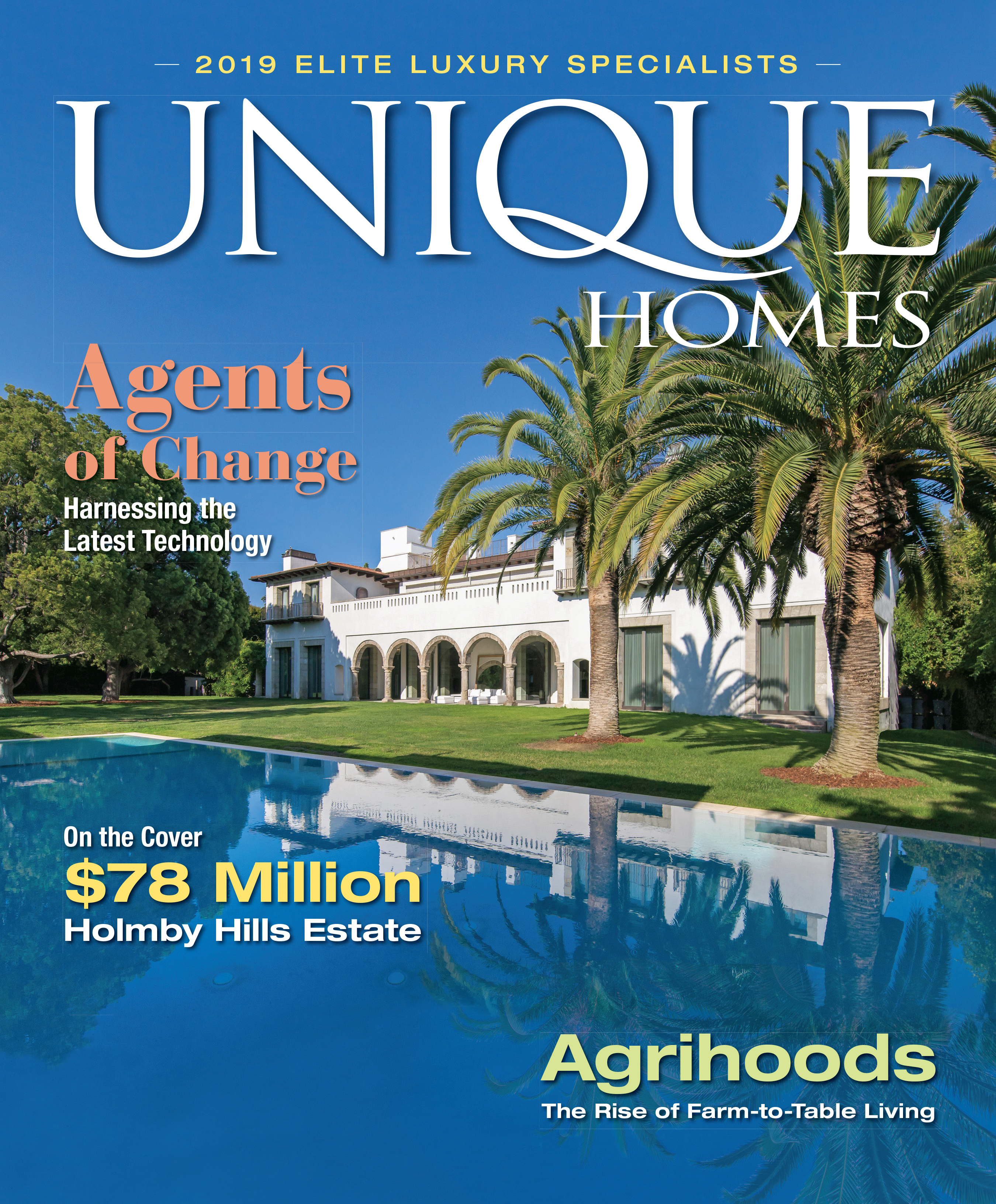
Churchill Properties originally appeared as an Elite company in Unique Homes Spring ’19: Elite edition. See the ad here.
Trends and styles traditionally fade out of the limelight only to resurface a few generations later, usually with a few twists and fresh perspectives. But retro themes and designs remain popular and are now making an appearance in the realm of luxury.
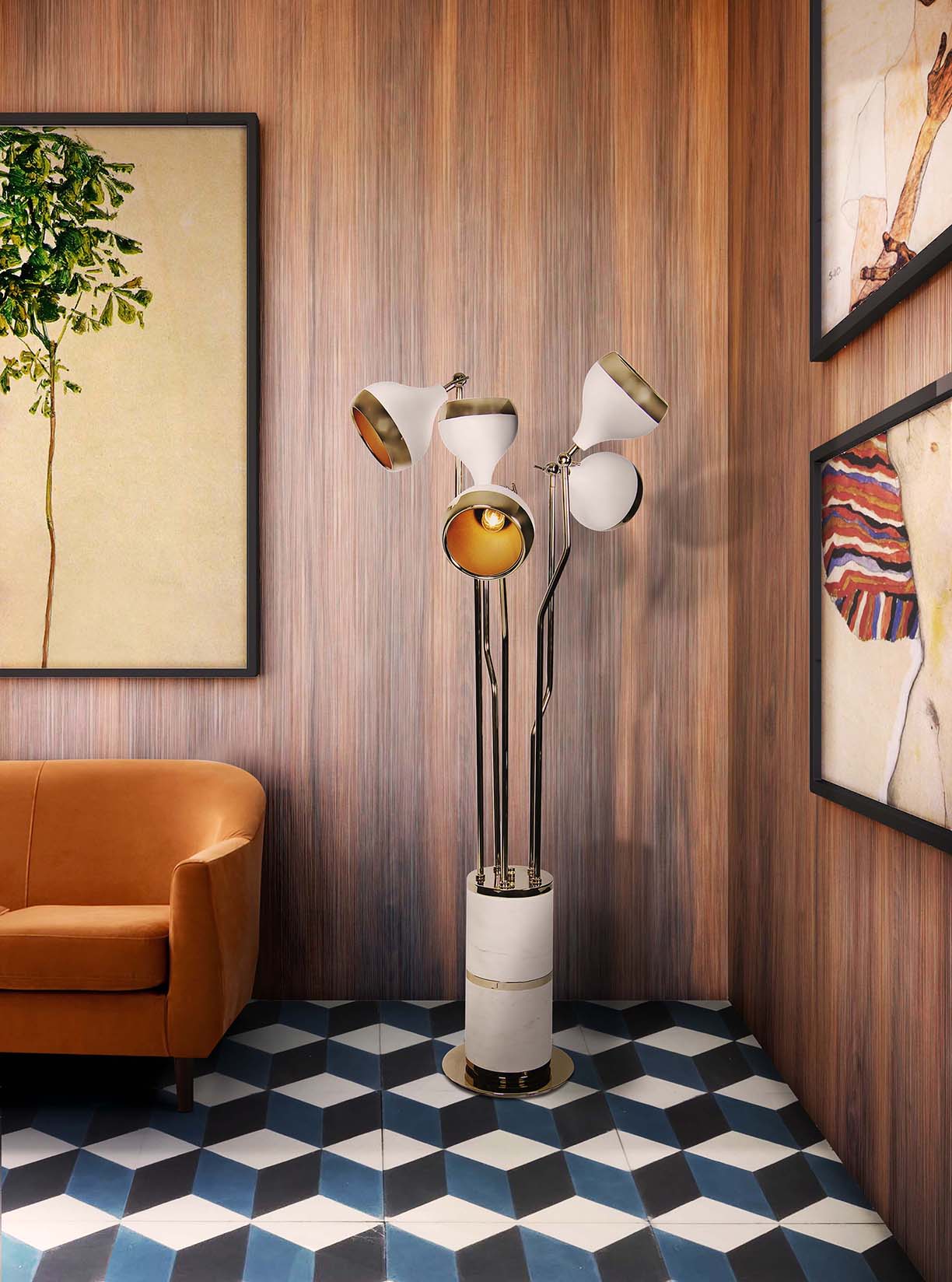
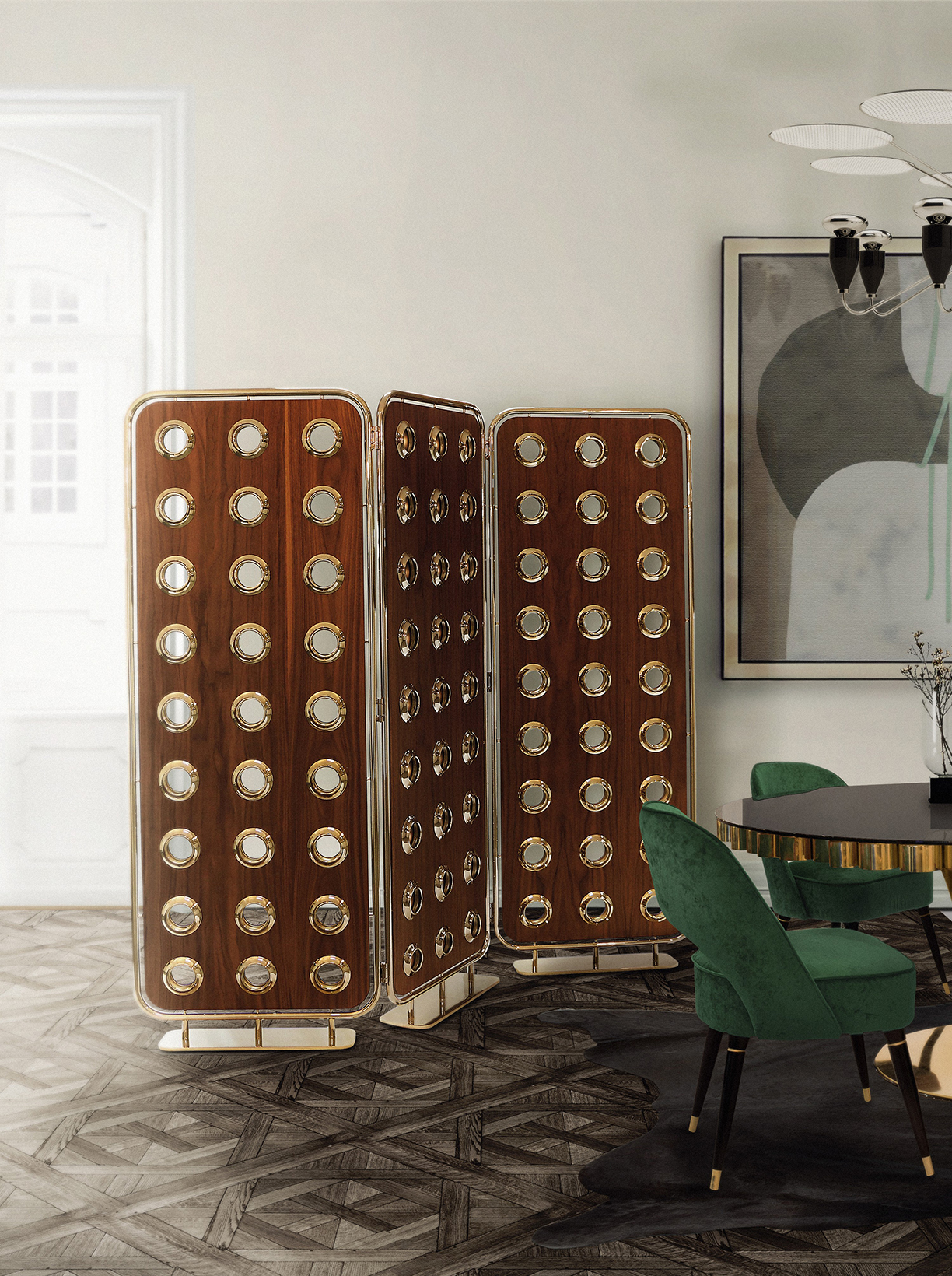
Photo courtesy of DelightFULL
Photo courtesy of Essential Home
Incorporate Brass
Overall, brass contributes to a classical ambiance and can complete the vintage look you’ve been searching for.
A vintage floor lamp will fit perfectly in your mid-century modern living room or vintage retro design hallway. With a structure made in polished Estremoz marble and with multiple lampshades made in brass and aluminum, this floor light is a modern lamp full of grace and charm.
The Monocles Screen is a refined room divider. The folding brass structure holds three walnut panels with brass holes that let you glimpse into the other side. Stylish and functional like no other.
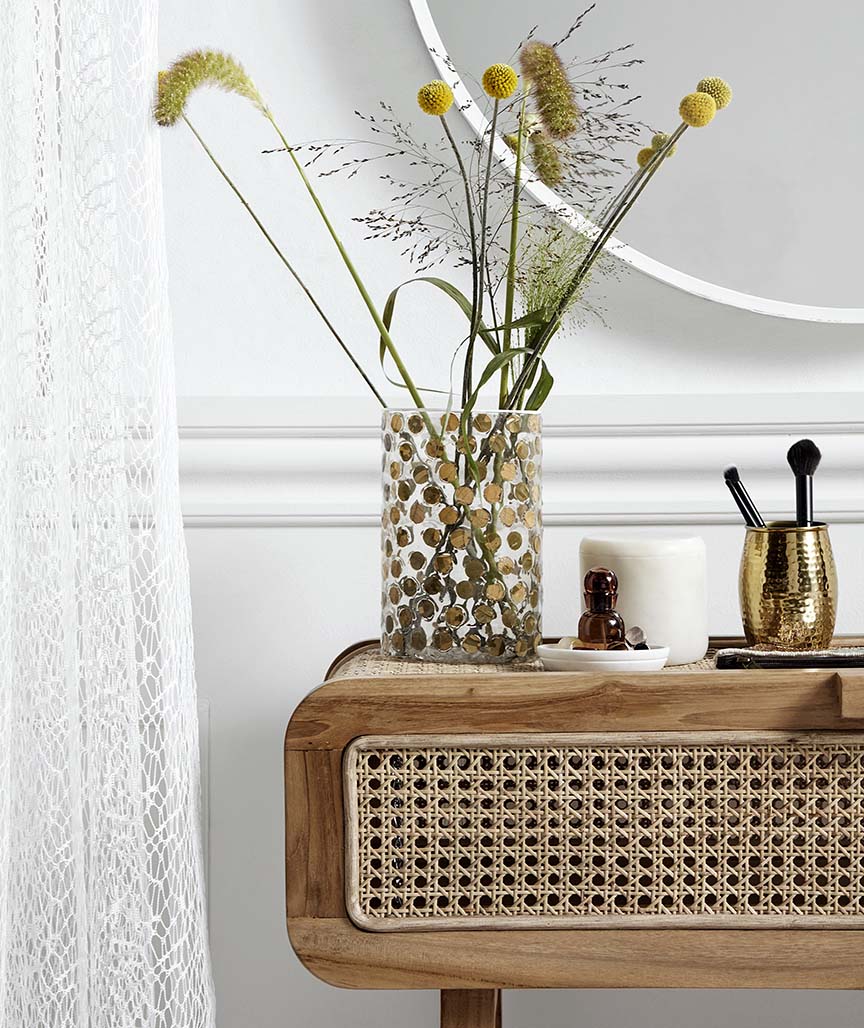
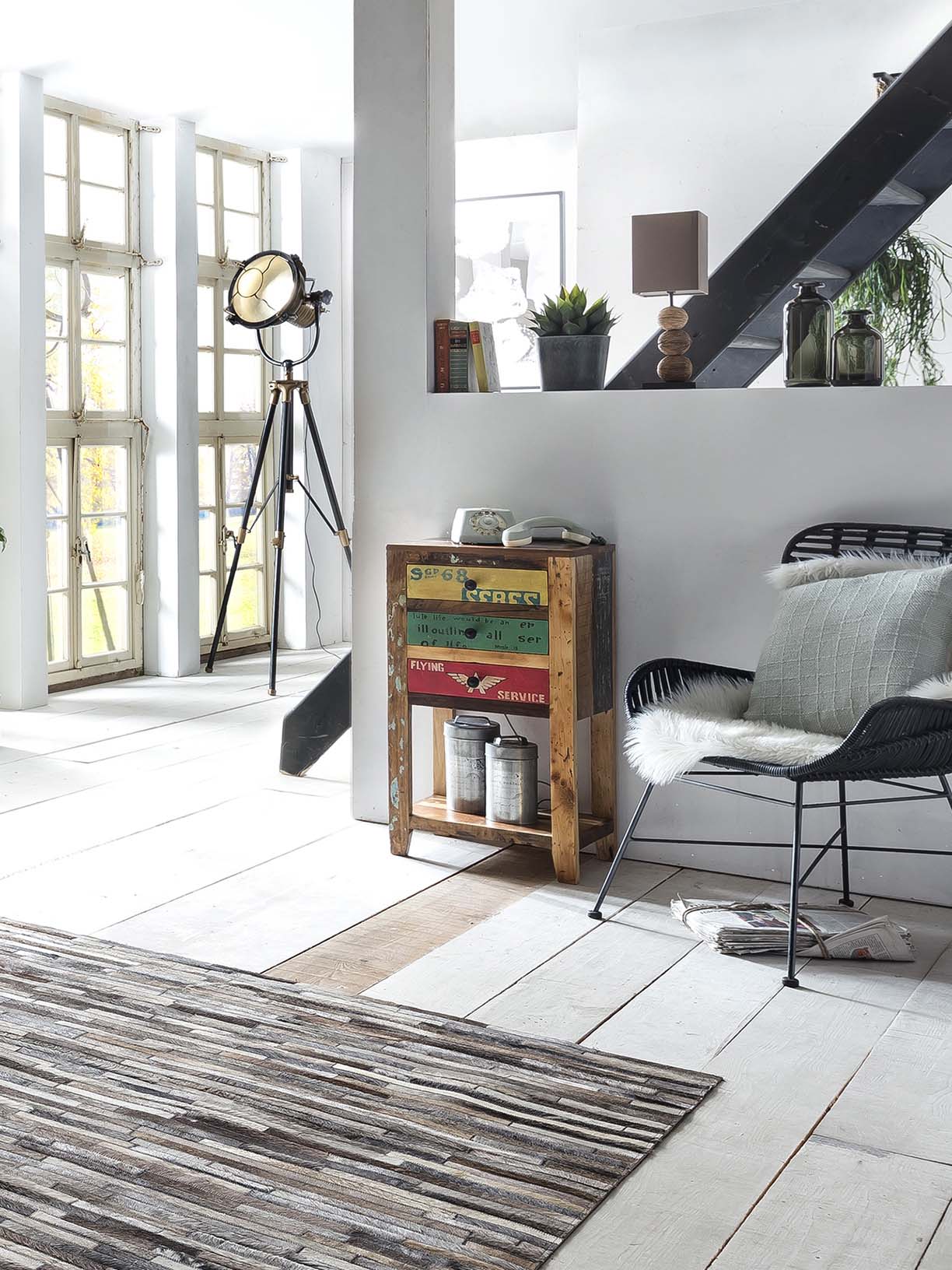
Photo courtesy of The French Bedroom Co
Photo courtesy of Smithers of Stamford
Rattan and Recycled is Retro
This Retro Rattan Console blends craftsmanship and texture with a little bit of artisan vintage into your space. Cane wickerwork and teak framework work perfectly together to reinvent the 70’s furniture trend into a more refined, elegant shape, styled more for modern homes.
Made from solid recycled boat hardwood, the satin hand-painted finish has been added to bring out the beauty of this retro speedway range. It’s retro, unique and a lifetime buy that will never go out of fashion.

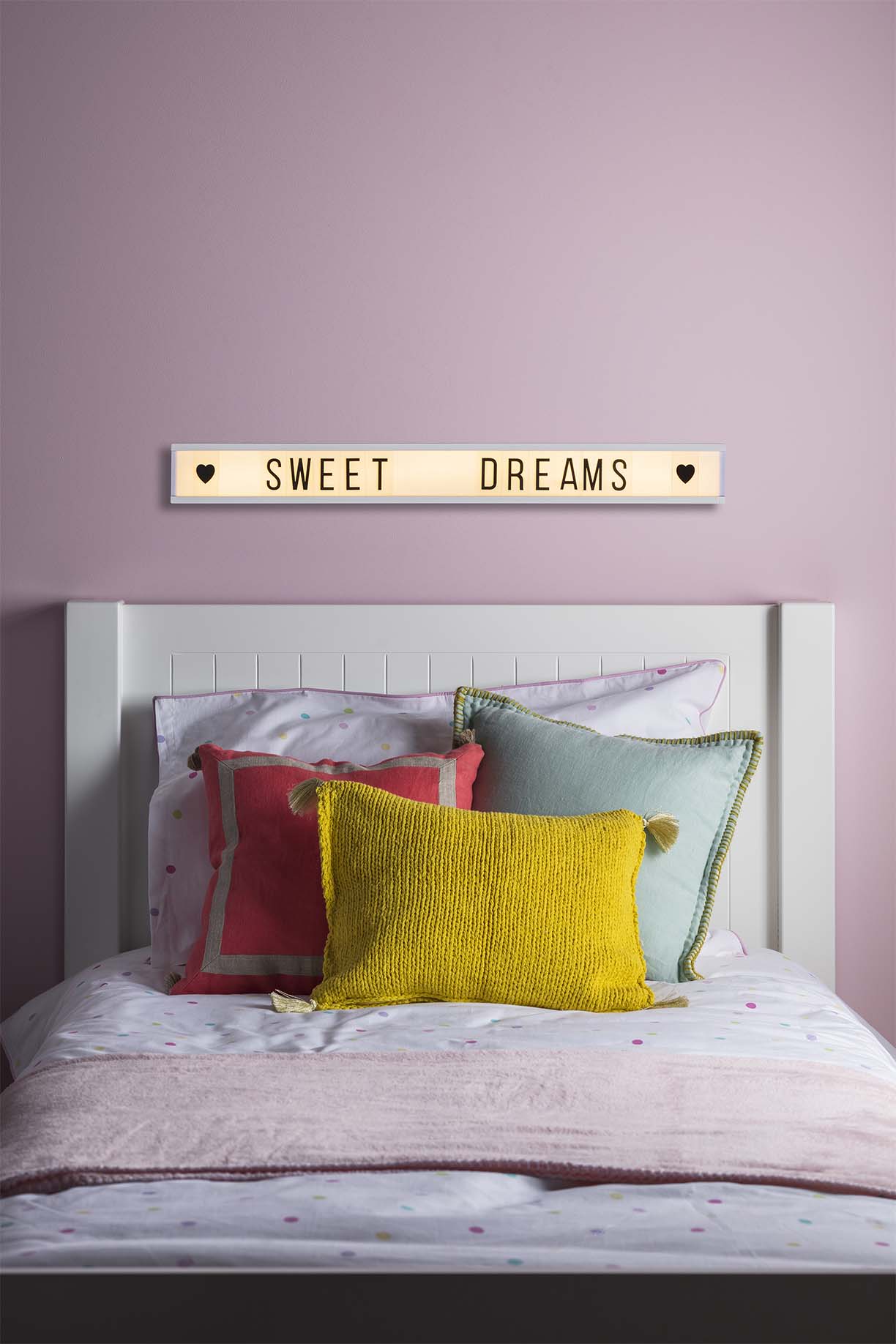
Photo courtesy of Yellow Octopus
Photo courtesy of Lights4fun
Props that aren’t Played Out
The GPO 200 classic, British Rotary Telephone is a one-stop communication portal for all your conversation needs. Touch base with friends and family, then buzz, dial and connect with a classic design of modern technology. Bring a piece of iconic phone technology right back into the present.
Retro Cinema Lightbox is the perfect opportunity to customize your decor. Create a fun message that suits your mood and enjoy the classic element that will elevate your space.
Artist, illustrator, and cartographer at Cornelia Carpenter Studio
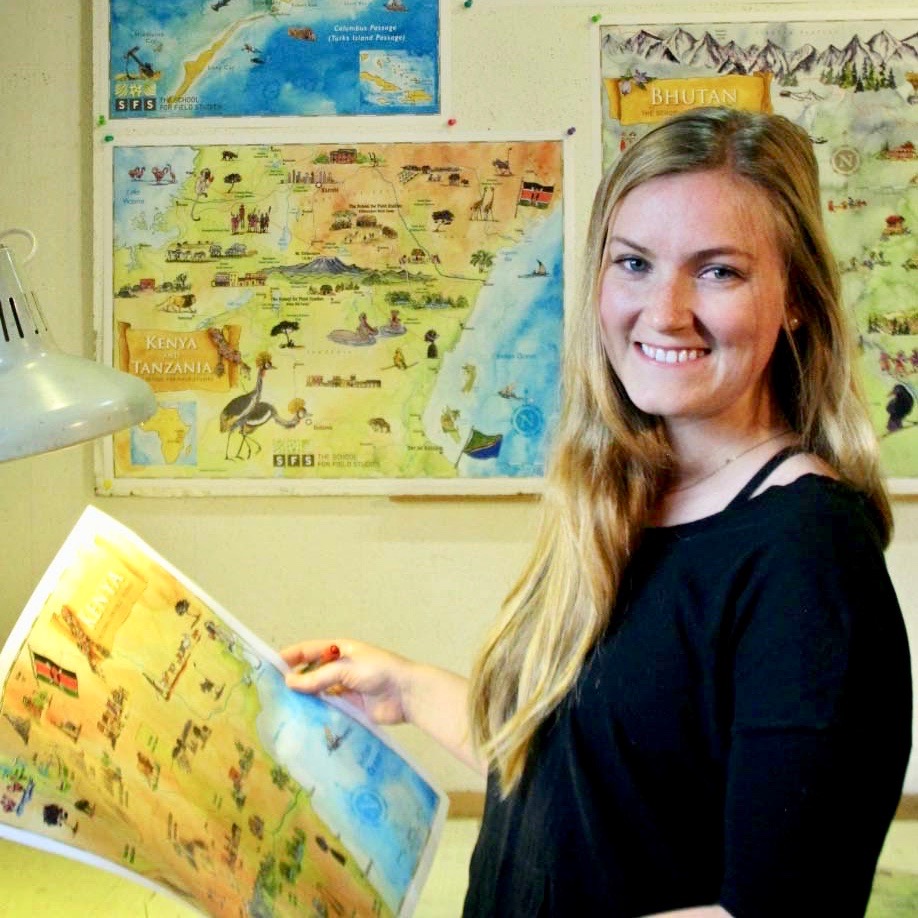
Cherish your travels, trips, adventures and more with these hand-crafted, custom maps and illustrations. Each map is unique and individually designed based on your experiences.

This is a unique idea, how did you come up with it? What is the inspiration behind your company?
I have always loved maps. They are a wonderful way to explore the world, and for me evoke a sense of adventure and wonder. I created my first illustrated map while studying abroad in Nicaragua as an undergraduate student. I majored in Geography and Studio Art, so this was a natural blend of my two interests. Since then, I have created custom illustrated maps of countries around the world. The most rewarding part of my job is the excitement of my clients when they receive the final map documenting their special and unique adventures.
What are some of the biggest challenges when creating these products?
Getting my work out there! I have relied on word-of-mouth and social media to get my work out into the world, and I’m beginning to feel like my presence is growing. In addition, I am committed to accuracy and sometimes the research can be quite time-consuming. For example, I will spend hours studying a particular building or the cuisine of an area down to the traditional serveware and drinking glasses. I’m all about making my maps look and feel as authentic as possible!


What is your favorite step of the process when creating maps?
I love working with people and learning about their adventures. When I create a personal map I ask for photos, personal stories, inside jokes, favorite foods, and random events that make each place special. Some of the trips are truly awesome and it’s quite fun to study exotic corners of the world that I otherwise would not know about.
Please explain why your company stands out among others?
Maps are very “in” right now and there is a growing competitive market, but I strive on the details of my work. I make maps so my clients can revisit their favorite places. As a lifelong student of geography, accuracy is so important to me. Although my illustrated maps can’t always be physically exact, I always make sure landmarks, locations, and the topography are placed thoughtfully. The same goes for buildings, food, flora, fauna, activities, and the culture of each place. I like to think my maps have an extra bit of attention and love.
What kind of customers do you expect to buy your products?
I think everyone needs a custom map. Whether it’s of your neighborhood or far-away adventures, maps have the ability to spark conversation and evoke curiosity. I create mini-maps that are 5” x 5” to massive worldwide adventure maps. To me, maps are the perfect way to document the things that make life special and are worth remembering and smiling about. It doesn’t matter if it’s an everyday occurrence or a once-in-a-lifetime experience, maps are the perfect way to display life.


How is your business different from your original expectations?
Last year I decided to go all in, but before that creating maps were a side gig. Because my business is still so young, I’m not sure what to expect. Ultimately, I hope that people find joy in my work and they can relive their happy memories through these maps.
Do you have plans/hopes to expand your company?
Yes! If I could imagine the perfect job, it would be making maps every day, all day. I do offer custom illustrated wedding invitations (including maps), personalized travel maps, and other illustrated projects. Right now, I am focused on offering unique one-of-a-kind products.
Photos courtesy of Cornelia Carpenter Studio 2019. Find more at www.CorneliaCarpenter.com or on Instagram @CorneliaCarpenter_Studio
Gather around the fireplace and embrace the comfort of warmth and fresh designs with these fireplace trends.
The fireplace is so much more than an accent today. A crackling fire has become a central point of design in some rooms, a conversation starter, and a gathering place within the home. Transform your home with these stylish and modern trends.
Don’t Be a Square
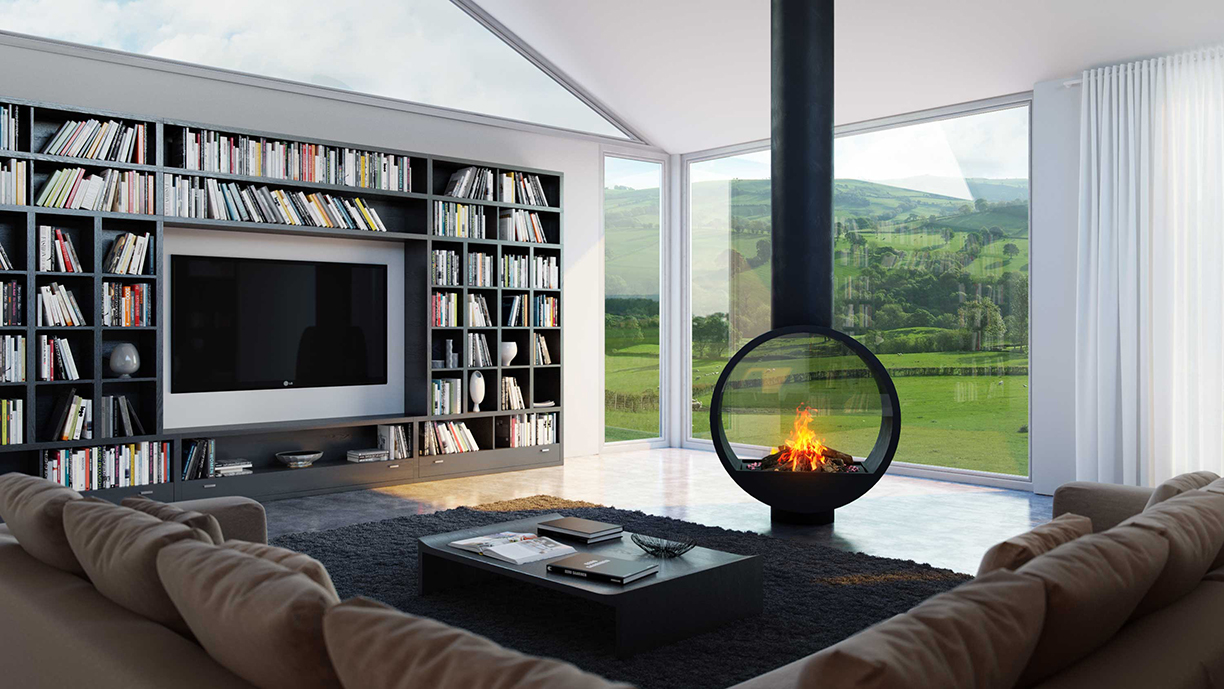
There are endless opportunities for creativity when it comes to fireplaces. The time for traditional fireplaces that are built of bricks and right angles is officially over. Embrace the variety of shapes to choose from, including round fireplaces. This stunning circular fireplace is eye-catching and adds to the warm and inviting atmosphere. The placement, color, and overall style produces an unforgettable element in this space.
Divide Your Space
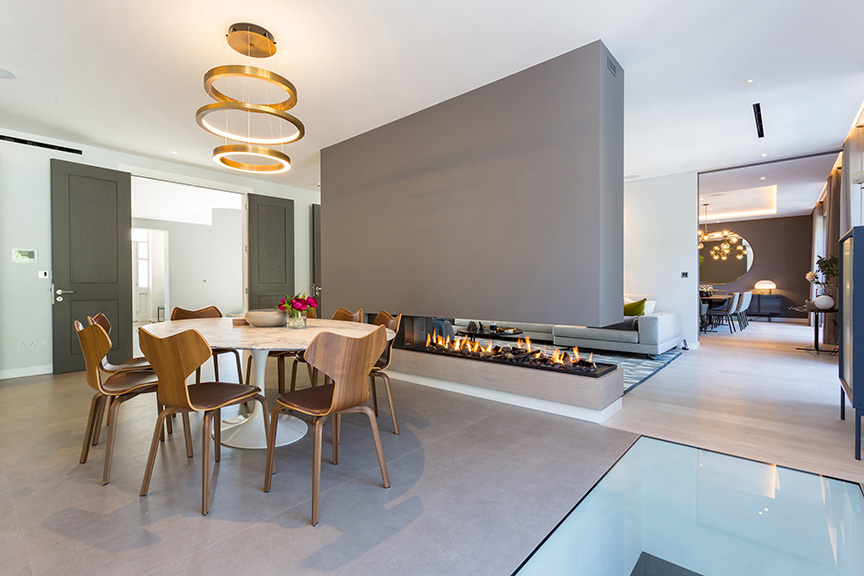
A dividing wall or partial wall is the perfect place for a fireplace. Adding a component like this simultaneously separates the rooms and brings it together. The coziness of the fireplace easily spreads to both areas. This trend is also the answer for those struggling to spice up an otherwise bland dividing wall. Avoid overwhelming the space by keeping the fireplace low to the ground and subtle.
Make it a Focal Point
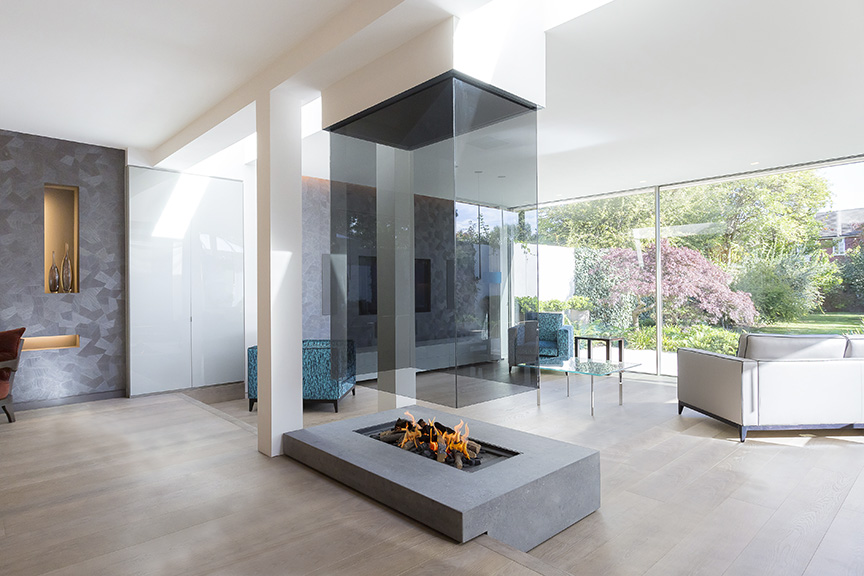
A fireplace doesn’t have to blend in to be functional and beautiful. Whether guests are settling down for a movie night or assembling with some wine and good conversation, it is increasingly popular to make your fireplace the central point in a room. This type of fireplace will not only attract guests but is bound to start a conversation. Is there anything more relaxing than an afternoon around the fire? Don’t be afraid to make your fireplace really stand out!
A Subtle Spark
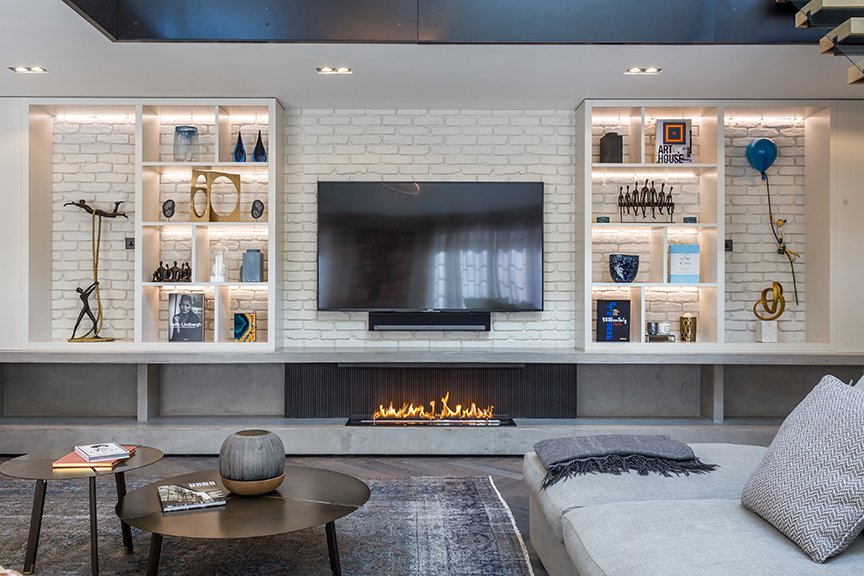
If your fireplace isn’t a large part of your space for most of the year, then a subtle addition can be as equally appealing. A smaller element that is close to the ground could be the perfect touch of warmth that you’re craving. This design is grand without overpowering the space.
Visit https://modusfireplaces.com/ for more of their luxury fireplace collection!
Photos courtesy of Modus Fireplaces
These U.S. West Coast resorts are lauded for their outstanding views, stellar dining options, and luxurious vacation packages and amenities.
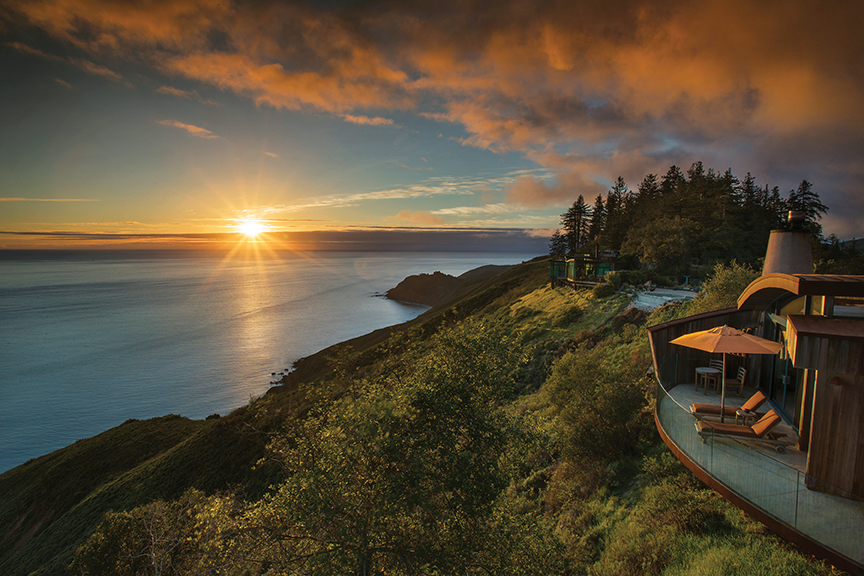
POST RANCH INN, BIG SUR, CALIFORNIA
A serene retreat along the California coastline, the Post Ranch Inn offers both beautiful ocean and mountain views. None of the rooms include televisions or alarm clocks, so a vacation here really is one for relaxation and retreat. Available to all guests are nature walks, stargazing, infinity pool spas, and spa packages.
Courtesy of Kodiak Greenwood
THE RITZ-CARLTON, HALF MOON BAY, CALIFORNIA
Escape the hustle of San Francisco and Silicon Valley and retreat to this resort, just 30 minutes from both. The Ritz-Carlton offers secluded cliff-top views of the Pacific and an opportunity to enjoy the California woods. With a luxury spa, tennis and other amenities, this resort proves Half Moon Bay is not to be overlooked.
Photo by Veronica Werhane

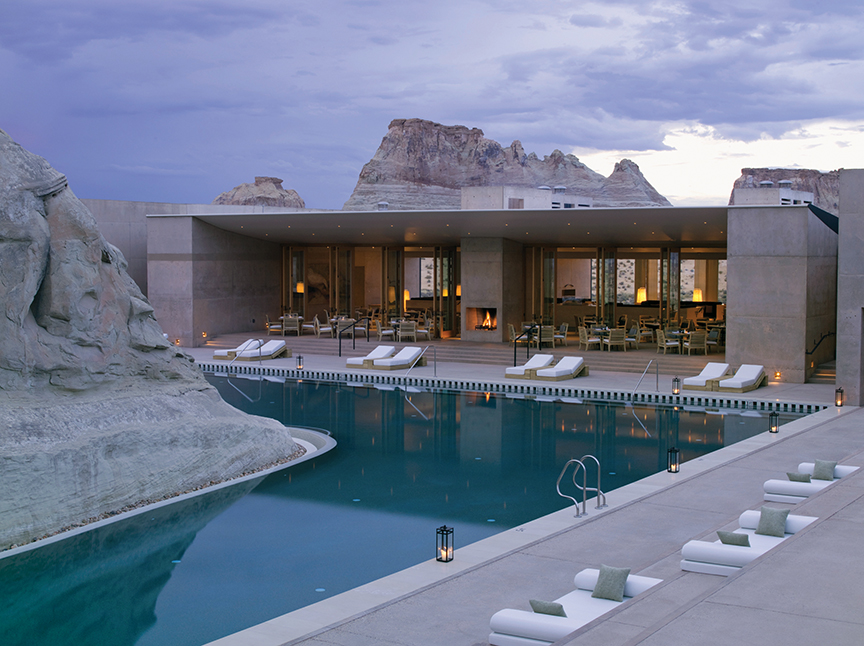
AMANGIRI, UTAH
The 5-star Amangiri is smack in the middle of the Colorado Plateau, offering unbeatable views of Canyon Point, Utah’s geological masterpieces. With an emphasis on wellness, this resort will rejuvenate guests with opportunities for hiking, climbing, and relaxing at the spa. Explore the canyons by hot air balloon or kayak Lake Powell; the expeditions are endless.
Courtesy of Aman
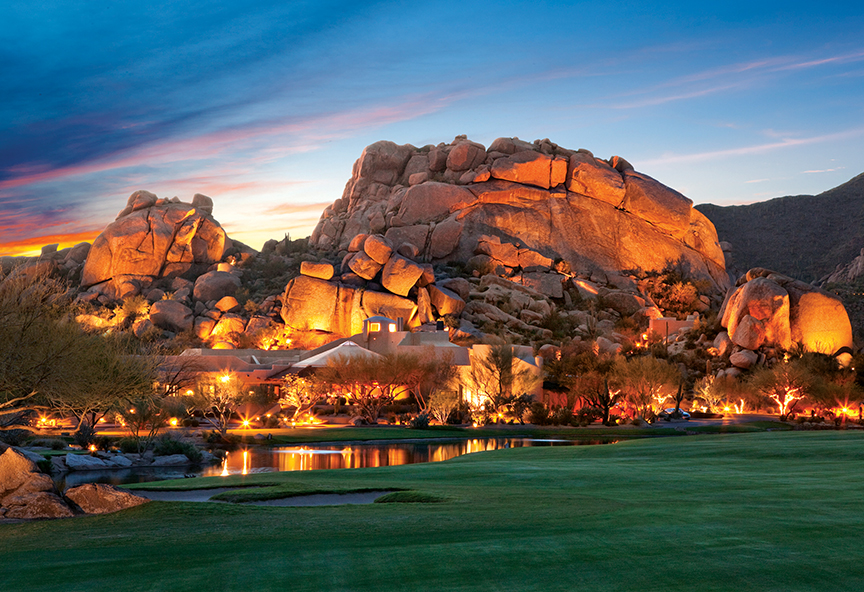
BOULDERS RESORT AND SPA, ARIZONA
Travel + Leisure voted Boulders Resort and Spa the Best Hotel in Arizona, and with good reason. For the most luxurious and private getaway this resort has to offer, choose the Villa Retreat. This package includes two expansive villas, complete with a private infinity pool, Japanese soaking tub, barbecue pit and kitchens, and large master bedroom overlooking massive rock formations.
Courtesy of Boulders Resort and Spa
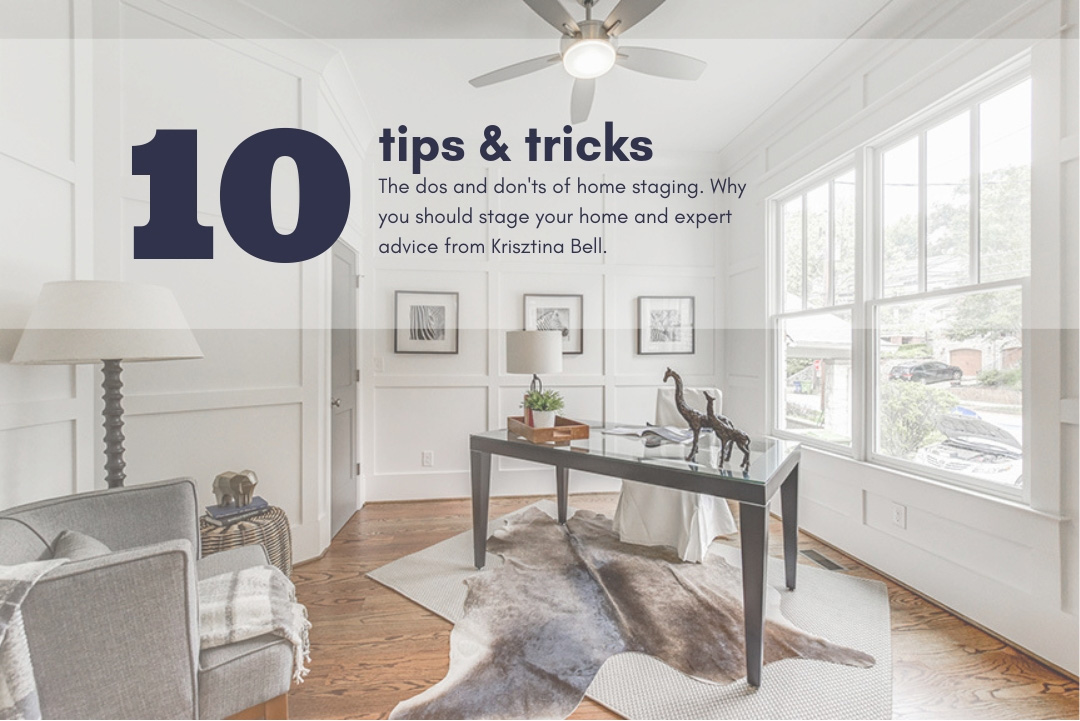
Staging your home could open the door for buyers and sellers in more ways than one. Home staging could mean decorating, furnishing and even painting an empty home that is on the market. Staging a home has been referred to as an art form and is usually used as a way to help sellers and buyers understand the possibilities that a home offers.
It is difficult for a buyer to imagine raising a family or spending a cozy holiday in a vacant space. Therefore, home staging allows buyers to imagine what their home could be. Additionally, if a room is staged well that can help a seller pitch the idea of the space as a home. The impersonal feel of an empty house can be quelled by the right coat of paint, properly arranged furniture, and other final touches, such as decor.
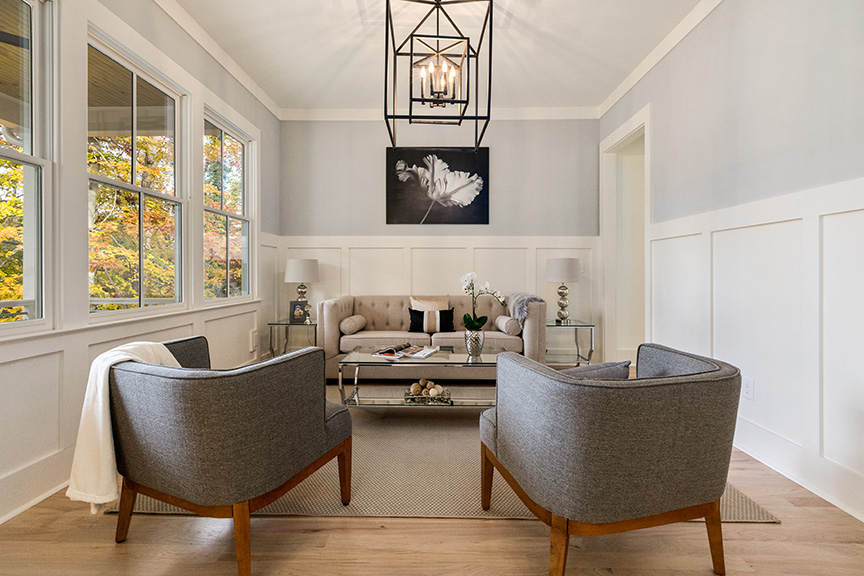
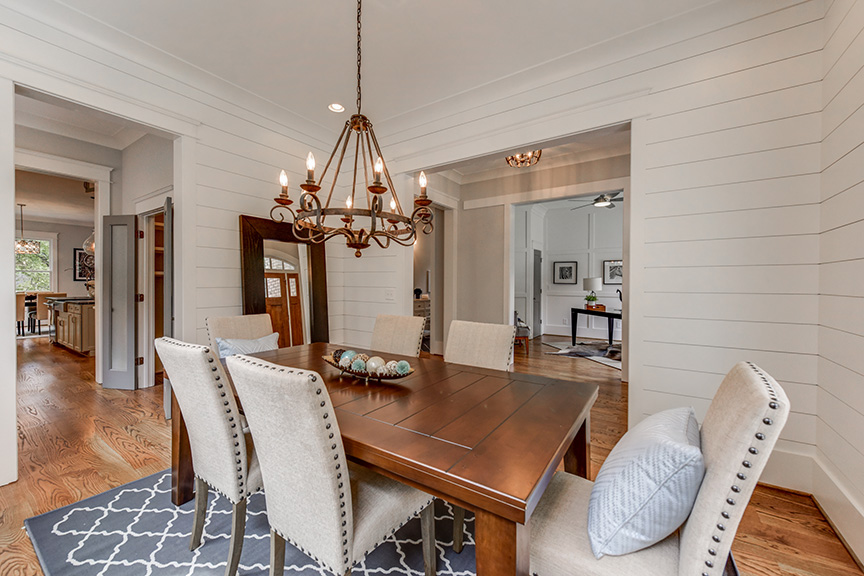
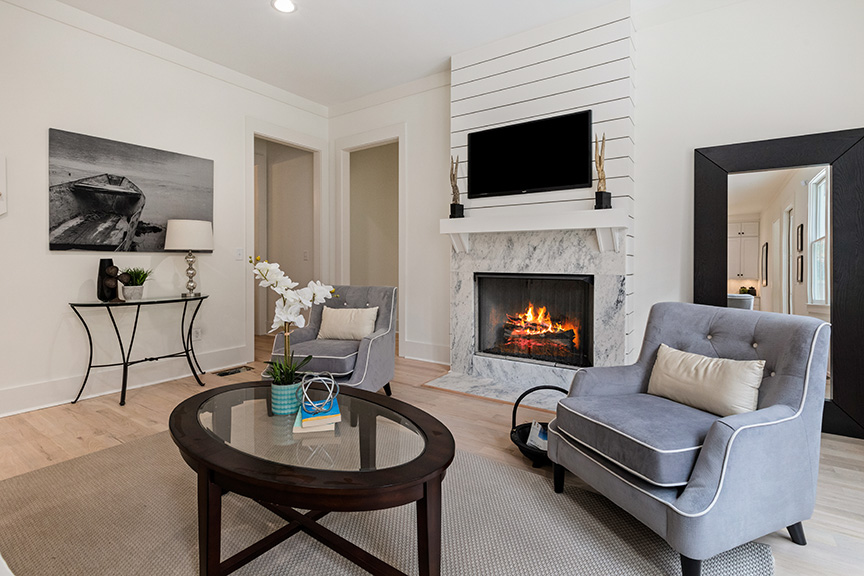
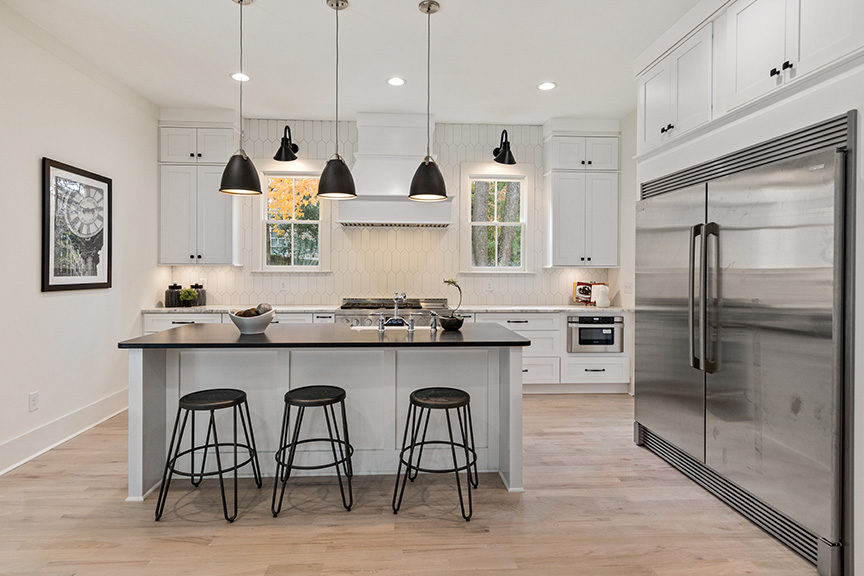
1. Organize and avoid clutter. This will make it easier for a potential buyer to see themselves living in the home.
2. Think fresh and light. Keep blinds and curtains open to let in as much natural light as possible. Also, if any of the rooms in the home are painted a deep exotic or bright neon color then it is best to neutralize each room by having walls painted a nice warm color.
3. Update and repair. Take note of any noticeable or large fixes that need to be made and take care of them early.
4. Don’t forget the exterior. The first impression a potential home buyer will have of a house will be of the exterior, so nice curb appeal is important.
5. The price is worth it. The average cost of a complete staging project is usually much less than your first price reduction. Statistically, homes that have been properly prepared for the market sell before a price reduction is needed.
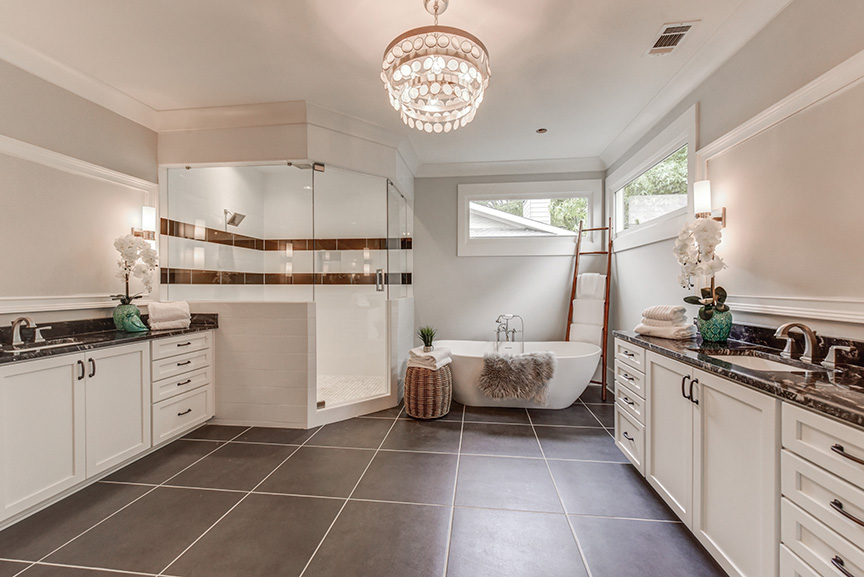
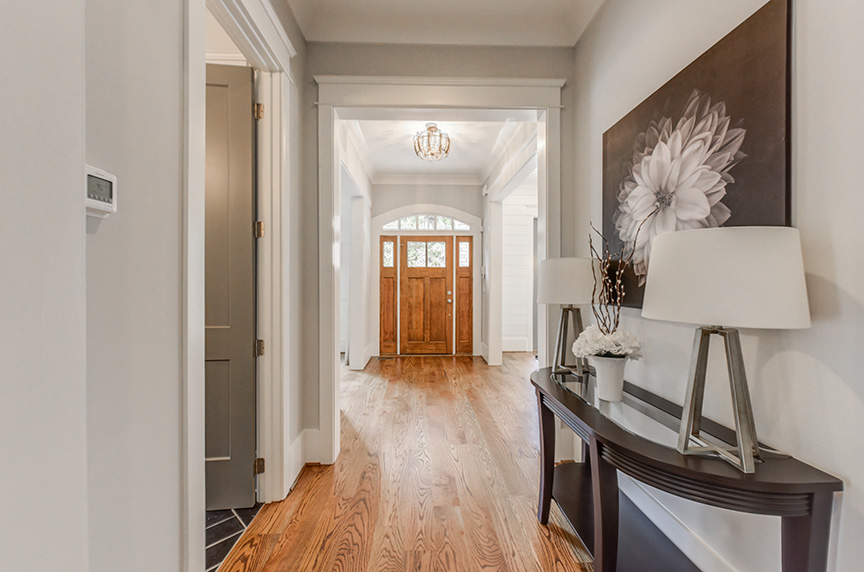
6. Decorating and staging are almost complete opposites. Decorating involves putting the existing homeowners’ tastes and styles into the house, making it personal. Staging involves taking one’s personality out of the house, so the decor is neutral and appealing to the broadest range of potential home buyers.
7. It is best to have your house staged first and then have it listed. Think of the importance of first impressions. The greatest buzz about a house is generated when it is first listed.
8. Although new to the television circuit, home staging has actually been around since the 1970s. In some areas of the country, home staging is as common as open houses. The central states are starting to recognize the value of a staged home, not because it is trendy, but because it works!
9. Do emphasize the upscale and custom features of a home with staging, but DON’T overdo it. Keep it clean lines and simple.
10. Don’t place furnishings or decor that block light or views. Do stage the home with tasteful furnishings and make it easy for prospective buyers to walk straight to amazing ocean, mountain, or island views.
Photos courtesy of Krisztina Bell, No Vacancy Home Staging
Canada’s cool climate is yielding to hot markets, attracting buyers from around the world.
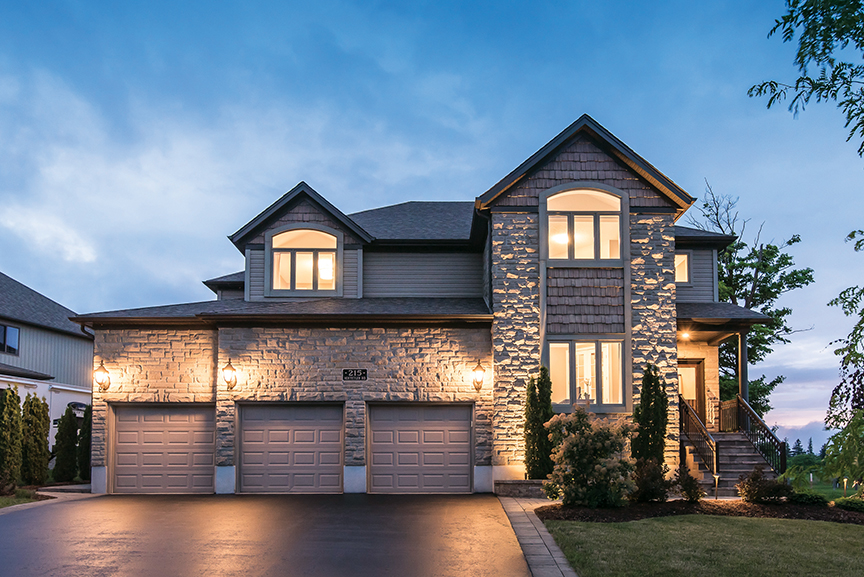
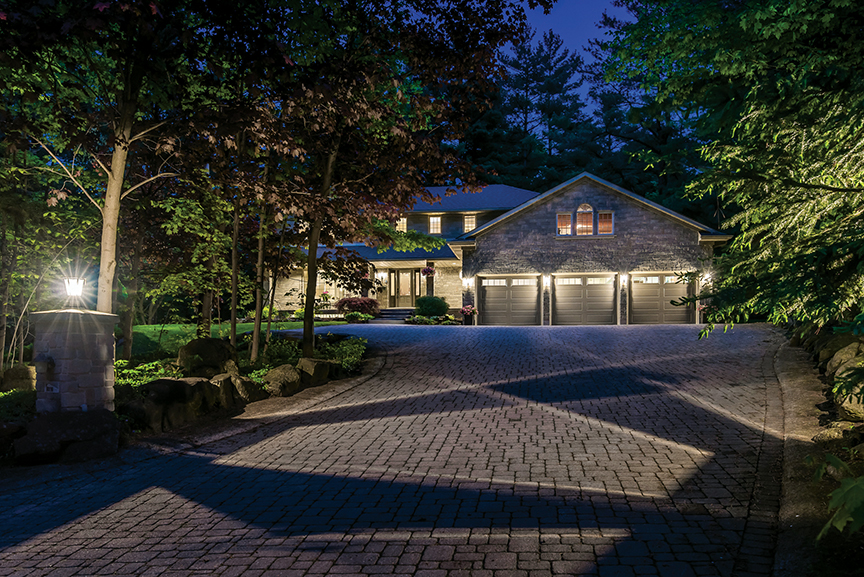
Agents showing Canadian real estate agree that areas such as Cambridge, Central Toronto, Nova Scotia, and Downtown Montreal and are appealing to buyers and families from all over the world. Their proximity to accommodating cities and the suburban feel are attracting a plethora of buyers, and these regions are only expected to grow.
Attracting buyers to the province of Nova Scotia, Mariana Cowan of Coldwell Banker Supercity speaks to the area’s growth. “With 878 parks, 33 beaches, 532 trails and pathways, universities, research and development, Nova Scotia is a great place to invest. Sales in July 2018 were the best they’ve been in six years,” she says.
Amy Assaad of Royal LePage Heritage in the Downtown Montreal and Westmount area explains that buyers there do not necessarily fit into a specific demographic. “Many properties are within walking distance to Mount Royal, but are also close in proximity to the city,” says Assaad. The variety of opportunities are attracting “many local buyers and foreigners, especially from the United States,” she says.
For Assaad, a considerable draw for buyers is The Golden Square Mile, which has been compared to New York City’s 5th Avenue. “The Golden Square Mile offers fine art museums, 5-star restaurants, endless shopping, and Mount Royal,” she says. In Cowan’s province, “You can have the seaside lifestyle that Nova Scotia is famous for, and be within minutes of our capital city of Halifax,” according to Cowan. Assaad also explains how growth is in the future. “The architecture in the area is already beautiful, and it will continue to increase in value,” she says.

With a slightly different view, Susan Macarz of RE/MAX Ultimate Realty Toronto, Ontario contends that those buying Canadian real estate do fit into a certain demographic. “Most are successful in business, whether immigrating or moving up.” Although that does not limit those suited to buy in the area. Buyers hailing from a diverse range of cultures come seeking financial independence, according to Macarz.
“Buyers come from all over the globe,” Macarz says, without neglecting her local clients. “There are also many Torontonians that are moving up and desire a country home, or a larger home for their family,” she says.
Steve Bailey of RE/MAX Real Estate Center in Cambridge, Ontario also notes that the diversity among buyers is a selling point, especially for those coming from the Greater Toronto Area. “I think what it really boils down to is that all of these cities are great places to live, work and raise a family. Each is a diverse and thriving community with a unique blend of urban and rural areas,” he says.
Similar to Assaad and Macarz, Bailey agrees that the area accommodates many different types of buyers. “We have a lot of manufacturing locally, which supports many of the families we have in the region. And we have a lot of professionals who commute out of the city,” says Bailey. “It really creates a wonderful blend of people and personalities.”
Photos courtesy of Steve Bailey. Rendering courtesy of Amy Assaad
This originally appeared in Unique Homes Fall ’18
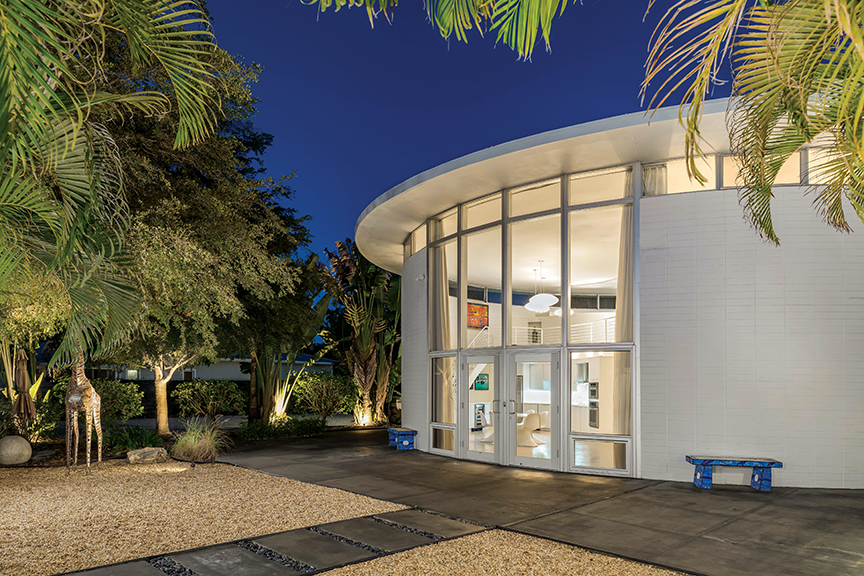
Photo by Rich Montalbano
Mid-Century Modern design came onto the scene before color television. But rather than appearing antiquated today, it inspires contemporary designers and homebuyers.
The popularity of Mid-Century Modern design continues to accelerate, confirmation that the masters who introduced the look in the ’40s and ’50s were visionary innovators. Decades later, the work of those architects, interior designers and furniture makers still appears fresh, and current expressions of modernism invariably build on the mid-century movement.
Sam Lubell, a leading authority on Mid-Century Modern design, whose books include Mid-Century Modern Travel Guide: West Coast USA and California Captured, believes the genre’s enduring appeal can be attributed to simple, elegant aesthetics, the success in reducing architecture to its most basic elements, and nostalgia. “Mid-Century Modern is a blend of technology, simplicity and a style that’s very ‘cool,’ for lack of a better word, enhancing people’s appreciation of it,” says Lubell. The writer suggests that vintage photographs from the era reveal how truly revolutionary Mid-Century Modern architects were. “Cars in the photos appear to have nothing to do with the houses. It’s hard to describe just how radical and ahead of their time they were,” he observes.
In the U.S., passions for Mid-Century Modern residential design burned first and most intensely in and around Los Angeles, responding to trends already underway in Europe, but not so elegantly applied to single-family residences. In a city where challenging established convention was not discouraged, disciples of Frank Lloyd Wright — pioneering architects Rudolph Schindler, Richard Neutra and John Lautner — transformed residential aesthetics and attitudes.
The genesis of Mid-Century Modernism may have occurred in the City of Angels, but today’s epicenter of the style is Palm Springs, the desert resort city 100 miles east of L.A. Practically the entire municipality is a living museum of mid-century design, and that signature aesthetic has become as much a tourist attraction as Palm Springs’ legendary golf, tennis and shopping.
Every February, the community celebrates its architectural legacy with Modernism Week, where architects, designers and collectors from around the world draw inspiration from home tours, seminars, film screenings, and receptions in famous settings that include not just residences, but Mid-Century Modern hotels and restaurants.
Lisa Vossler Smith, who served as a volunteer for Modernism Week when it debuted in 2006 and was named executive director five years ago, reports the 2018 edition drew 126,000 people from 15 countries, more than double the attendance in 2015. She has observed an ever-increasing commitment by local residents to embrace their city’s architectural heritage and believes Modernism Week has profoundly influenced preservation efforts in Palm Springs and beyond. “Our goal is to educate visitors, so they can take back what they’ve learned to their own communities,” says Vossler Smith, who actively supports similar events across the country.
Vossler Smith insists the fascination with Mid-Century Modern design is multigenerational, while conceding popular shows like Mad Men have contributed to the genre’s hip factor. “Clearly, there’s a sense of nostalgia for the baby boomer generation, but we find younger homebuyers are also attracted by the more simplistic, minimalistic lifestyle offered by these homes,” she says. “We’re now starting to explore new building projects informed by the mid-century design period,” says Modernism Week’s executive director, noting the influence of trailblazers such as Neutra and Schindler is evident in contemporary modern architecture.
While Vossler Smith admits Mid-Century Modernism is ideally suited to Southern California, she reports outstanding examples from the era are plentiful in places like Denver, Phoenix and Chicago. In Denver, real estate broker Adrian Kinney is a local expert on Mid-Century Modern homes, and his personal renovation of a Cliff May-designed residence reinforced his enthusiasm for quality design from that period. Finding some modernism too austere, Kinney was delighted to discover the warmth that many mid-century architects, like May, brought to their craft. “The more I learned, the more I wanted to educate everyone about what this modernism thing was all about!,” says the real estate professional.
“Buyers of Mid-Century Modern properties range from boomers to millennials, all wanting something different, functional and livable, with a sense of character,” says Kinney, who co-founded Denver’s own Modernism Show to draw attention to the Mile High City’s architectural assets. “After attending Palm Springs’ Modernism Week many times, I knew Denver needed to have one,” he says. Identifying more than 6,000 Mid-Century Modern homes in metro Denver, Kinney declares, “I want to showcase these to the world.”
Best known for its sugar-white beaches, the Gulf Coast city of Sarasota, Florida, shares a rich Mid-Century Modern heritage. Local broker Martie Lieberman of Premier Sotheby’s International Realty is recognized by both the real estate and architectural communities as an authority on the “Sarasota School of Architecture.”
Lieberman, who co-founded the Sarasota Architectural Foundation, is passionate about Mid-Century Modern homes and has made the sale of those properties her specialty. Observing that many houses from the Sarasota School elicit a sense of delight at first glance, she suggests the interiors are equally impactful. “You’ll see some of the most sophisticated uses of space and light, which most people have never experienced,” she insists.
Architects like Paul Rudolph and Victor Lundy created low-slung, glass-ensconced homes that were a dramatic departure from the prevailing Mediterranean style, explains Lieberman, noting they attracted idealistic young designers to Sarasota in the ’50s and ’60s. “They thought they would change the world with their new ideas, new materials and a new architecture,” she says. According to the niche broker, newcomers to Sarasota are quickly won over by the community’s architectural legacy, and Lieberman reports that significant Mid-Century Modern homes can command premiums of 15 to 35 percent.
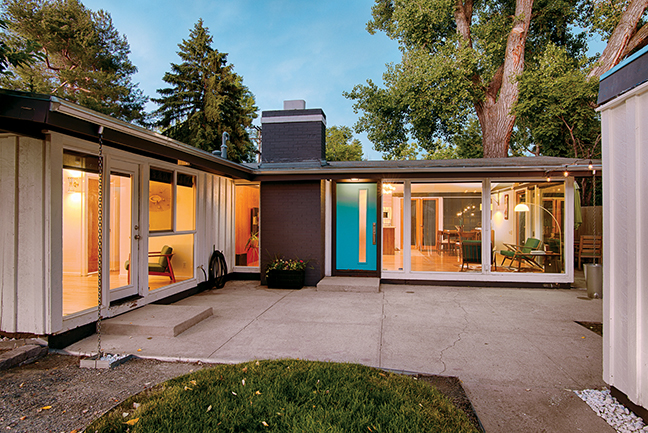
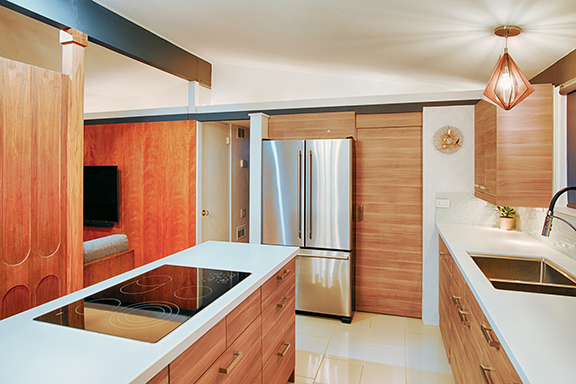
A prefabricated home designed by legendary Mid-Century architect Cliff May, erected in 1955 in Denver.
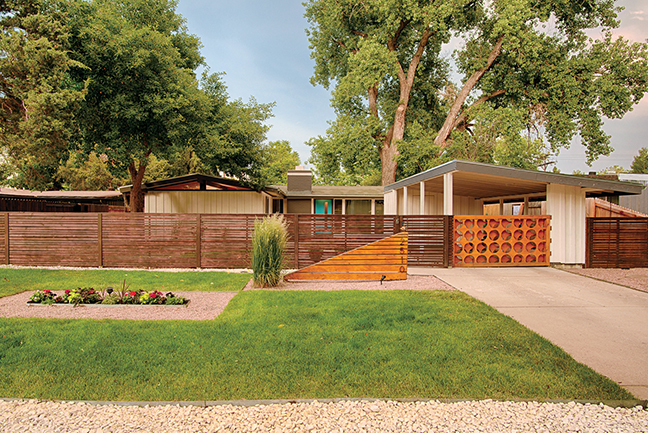
Real estate broker Adrian Kinney restored this 1955 Cliff May property in Denver, fueling his passion for mid-century design.
Photos by Atom Stevens
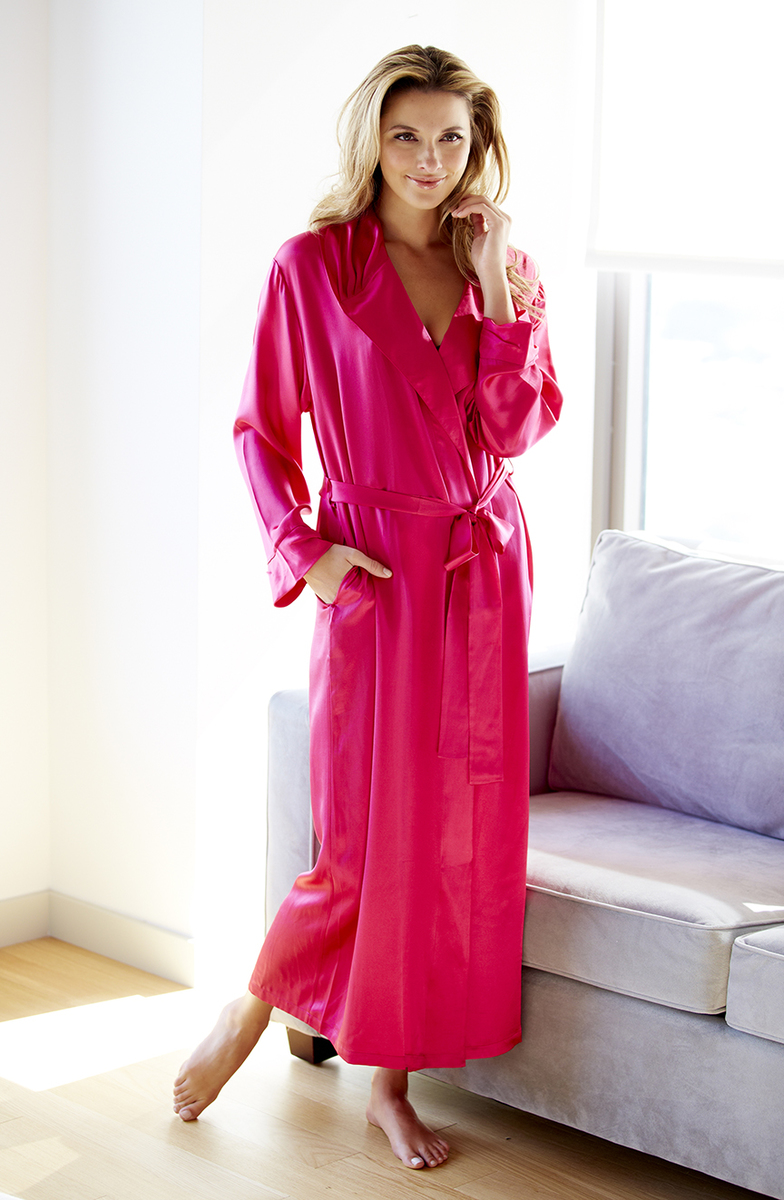
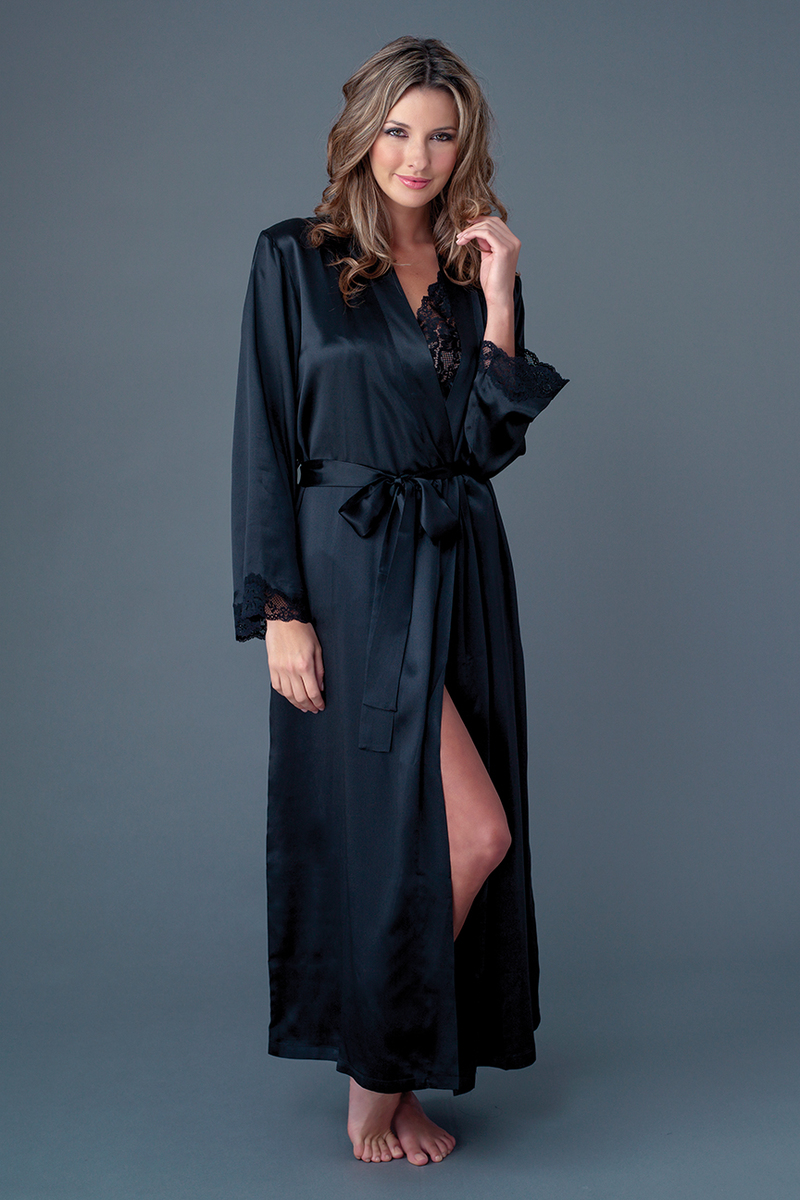
Function and practicality are balanced with quality fabrics, exciting designs and an overall sense of style in the robe collections offered at SoffiaB and Julianna Rae.
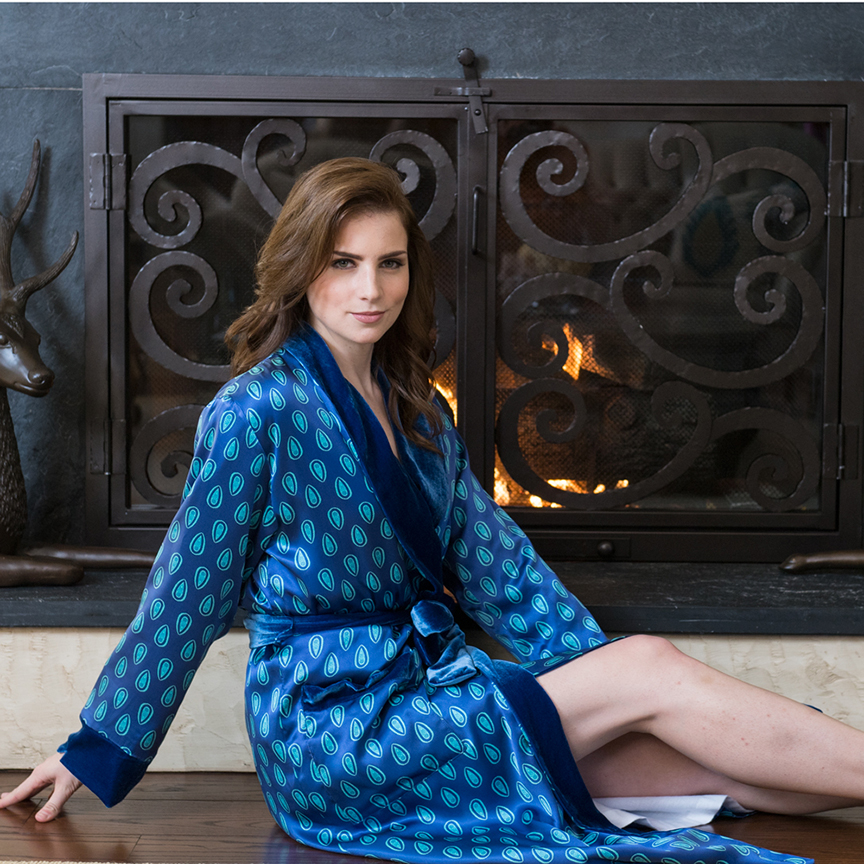
Function and practicality are balanced with quality fabrics, exciting designs and an overall sense of style in the robe collections offered at SoffiaB and Julianna Rae.
In 2012, SoffiaB was created by British designer Sophie Burkart after she realized that her search for a stylish and comfortable robe was limited. Burkart’s luxury robes and dressing gowns are crafted in New York’s iconic garment district with a special attention to detail and a sophisticated style.
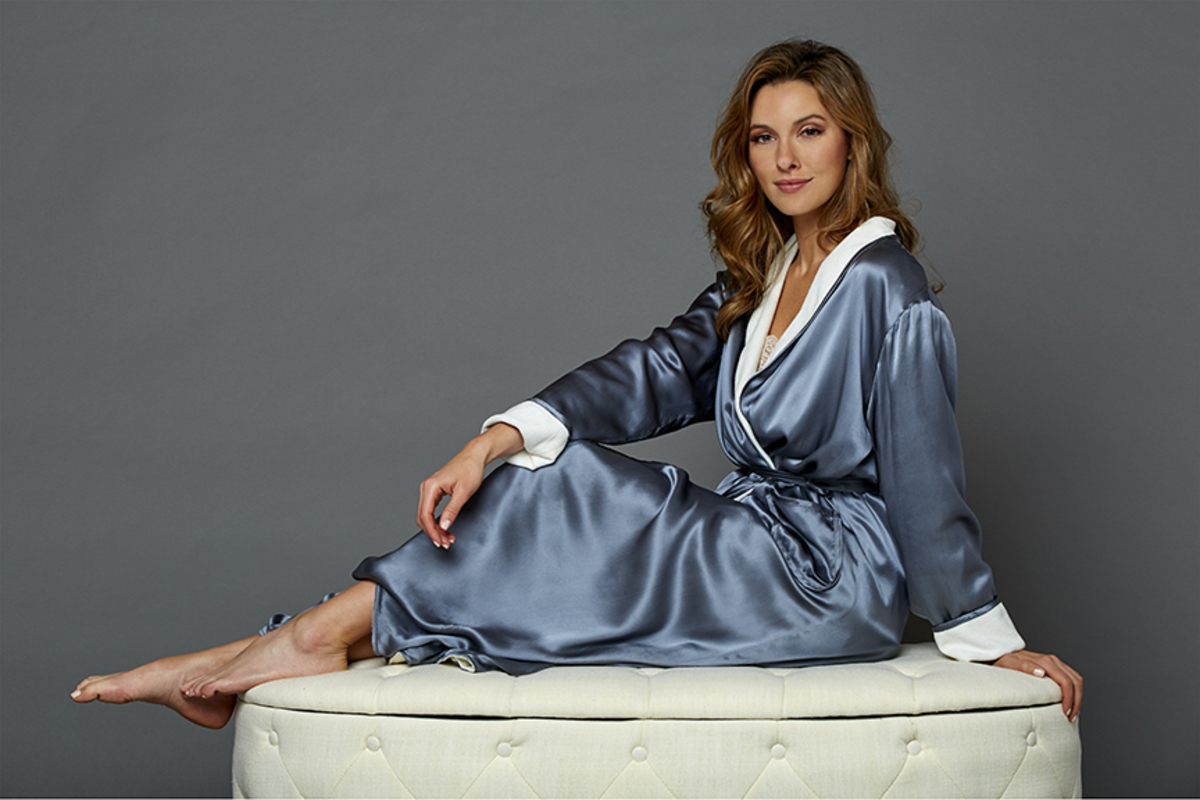
Burkart also realized that it was difficult to find a robe that works in more than one season. However, five collections offered at SoffiaB have soft cotton linings to accommodate more versatile climates. For example, the Delphine, Delphine Shortie and Hermione collections are silk charmeuse lined with feather-light, sea island cotton.
- The Hermione Shortie Collection was designed for warmer weather and falls on or around the knee when worn.
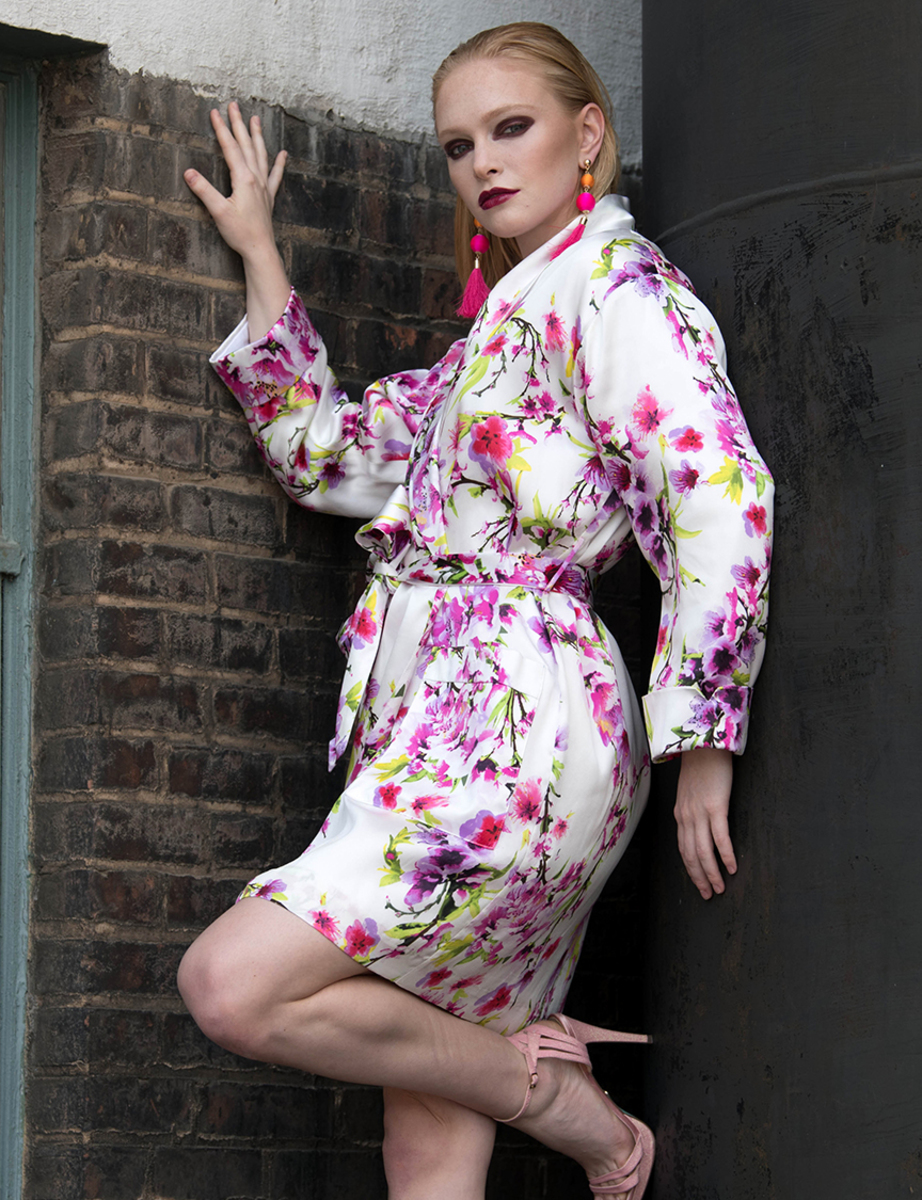
- The Persephone Collection was designed for Autumn/Winter and is slightly longer, making it fashionable and chic.
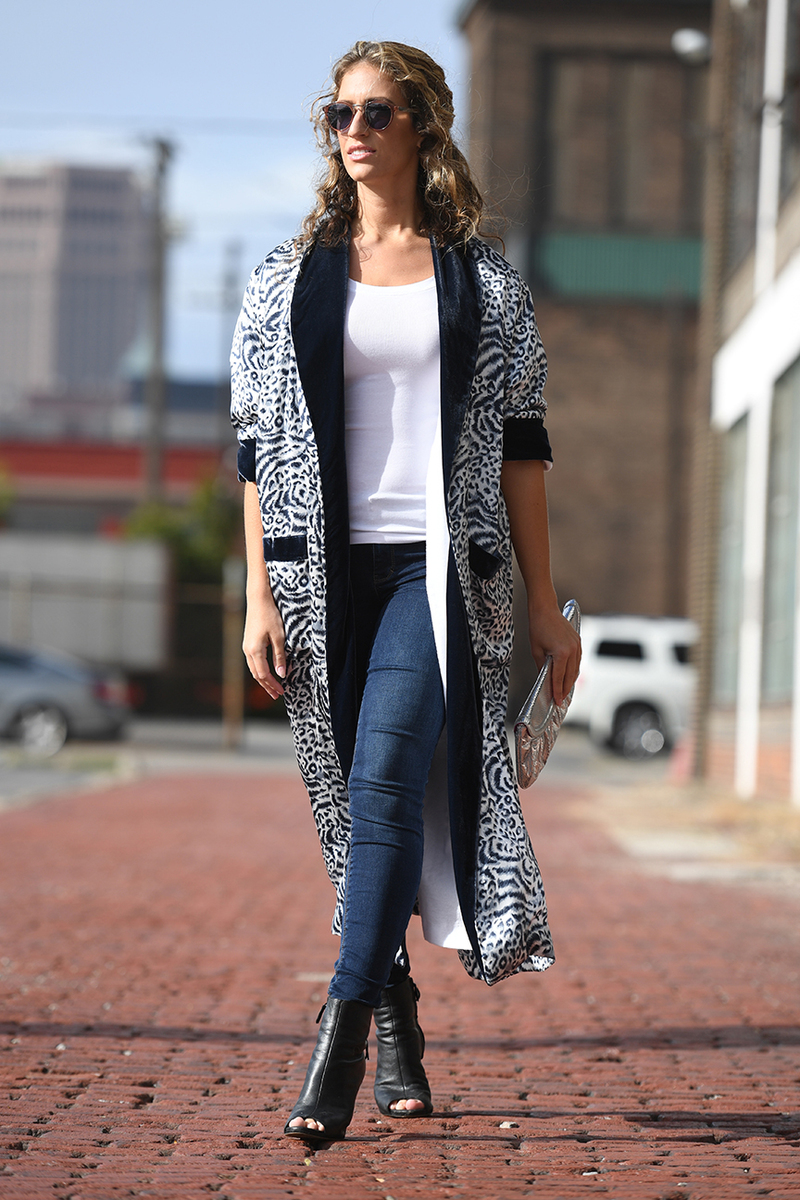
- The Delphine Collection is the Spring-inspired collection of full-length silk robes that are accented with printed silk.
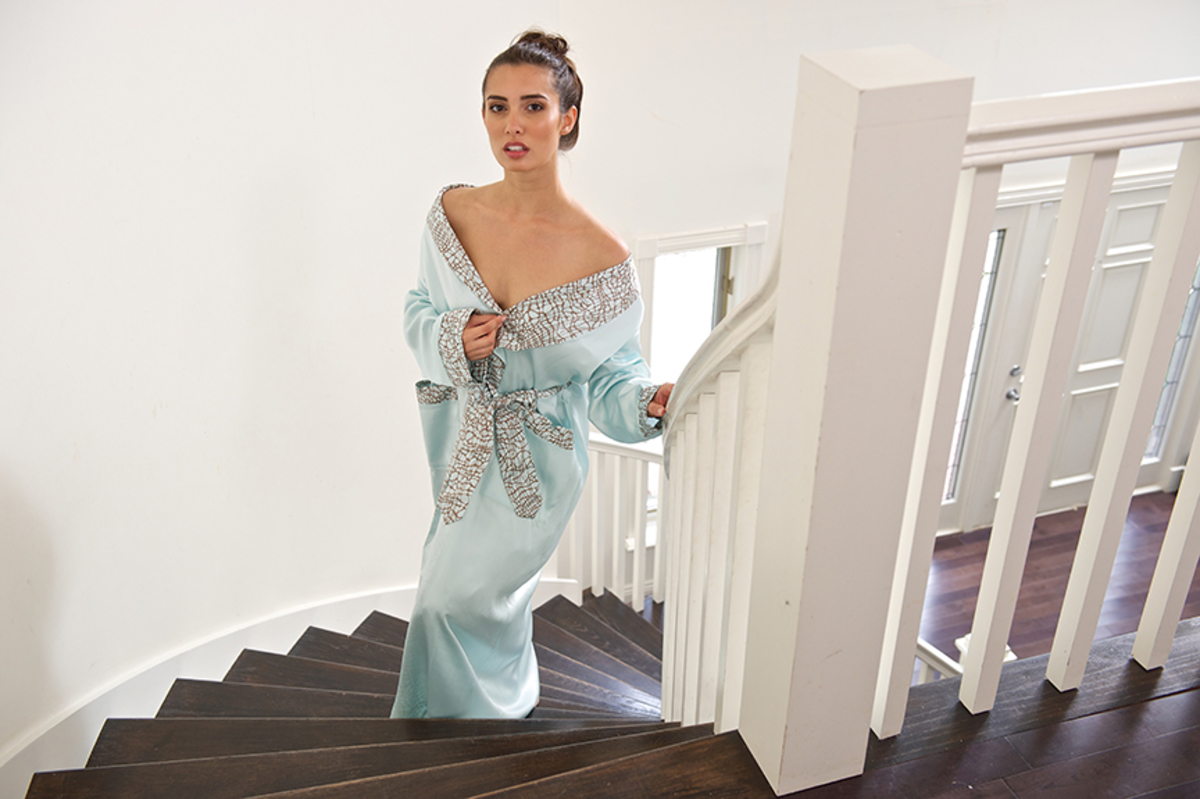
- The Delphine Shortie Collection is a collection of shorter, knee-length robes.

- The Daphne Collection is the original Winter-inspired collection of full-length silk robes. They are lined with brushed ultra-soft cotton with rich velvet accents.
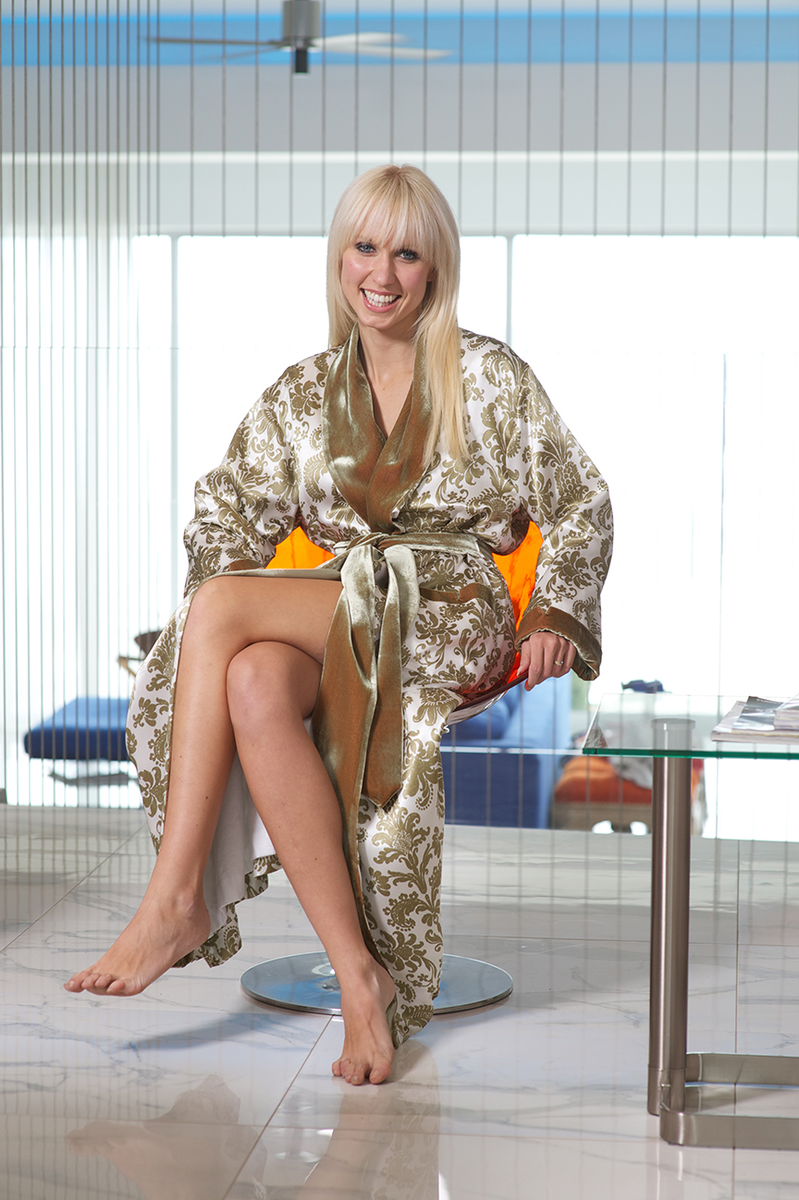
Julianna Rae is another luxury brand that keeps real women in mind. The brand ensures original designs that are crafted with top-quality materials and a particular attention for detail.
A Julianna Rae spokesperson describes the Ariadne Silk Robe as “a sumptuous full-length robe made from mulberry silk. It has a gorgeous pleated collar and pleated cuffs.”

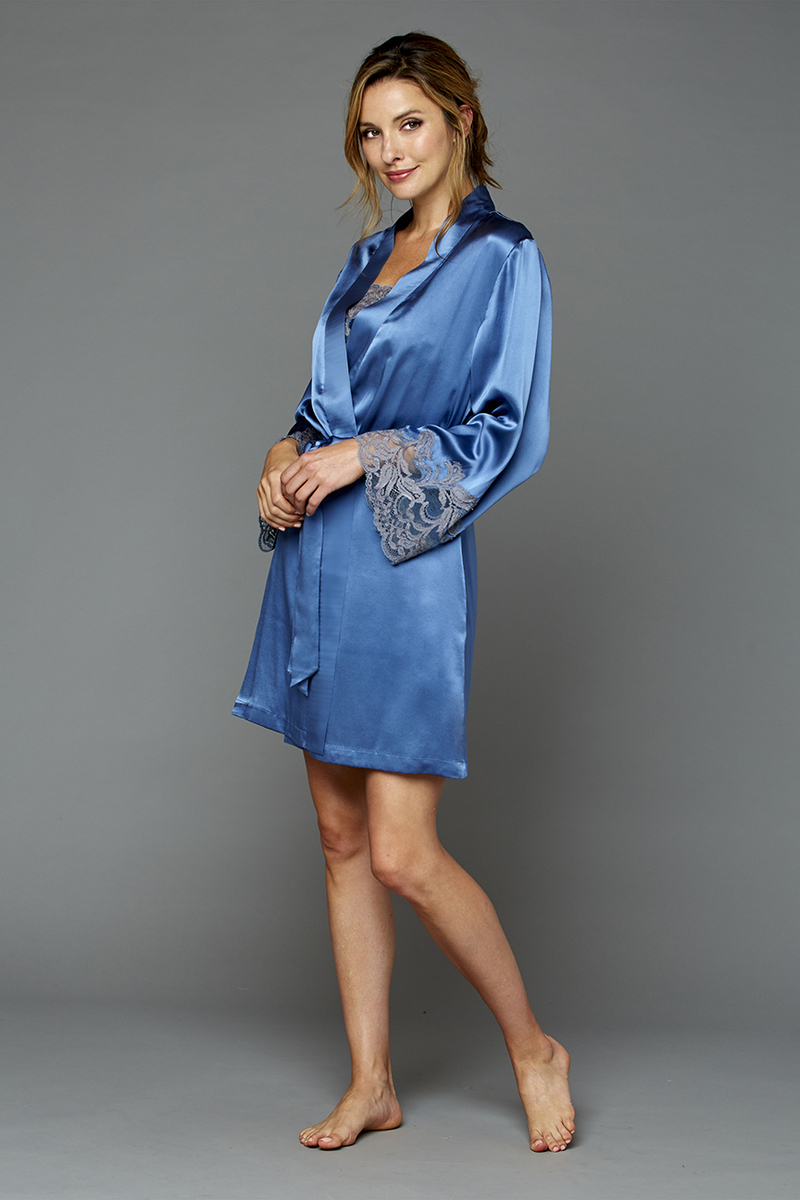
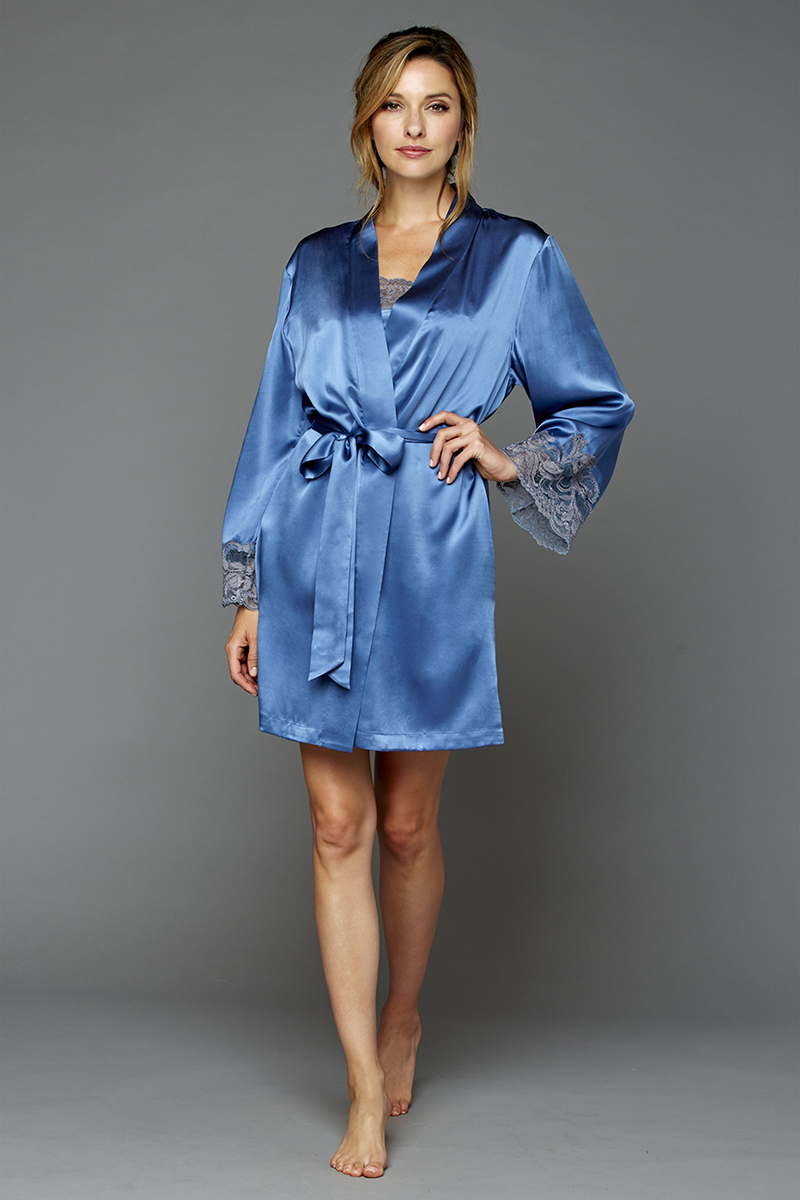
The Moonlight Serenade Silk Short Robe is a shorter robe made from our gorgeous silk and rich European Leavers lace on the sleeves. The lace is what really sets this robe apart — it’s wonderfully detailed and enhanced even further by the pattern our designers have cut from the lace to make the cuffs on the sleeves, according to a Julianna Rae spokesperson.
Luxury robes are the perfect holiday gift or addition to your wardrobe. These two brands offer a mix of styles and fabrics that may make your holiday shopping that much easier.
Photos courtesy of SoffiaB – Jason Miller, Pixelate Photography & photo courtesy of Julianna Rae
10 Years Later
Our year-long look at what’s changed in U.S. luxury real estate since the 2008 recession.
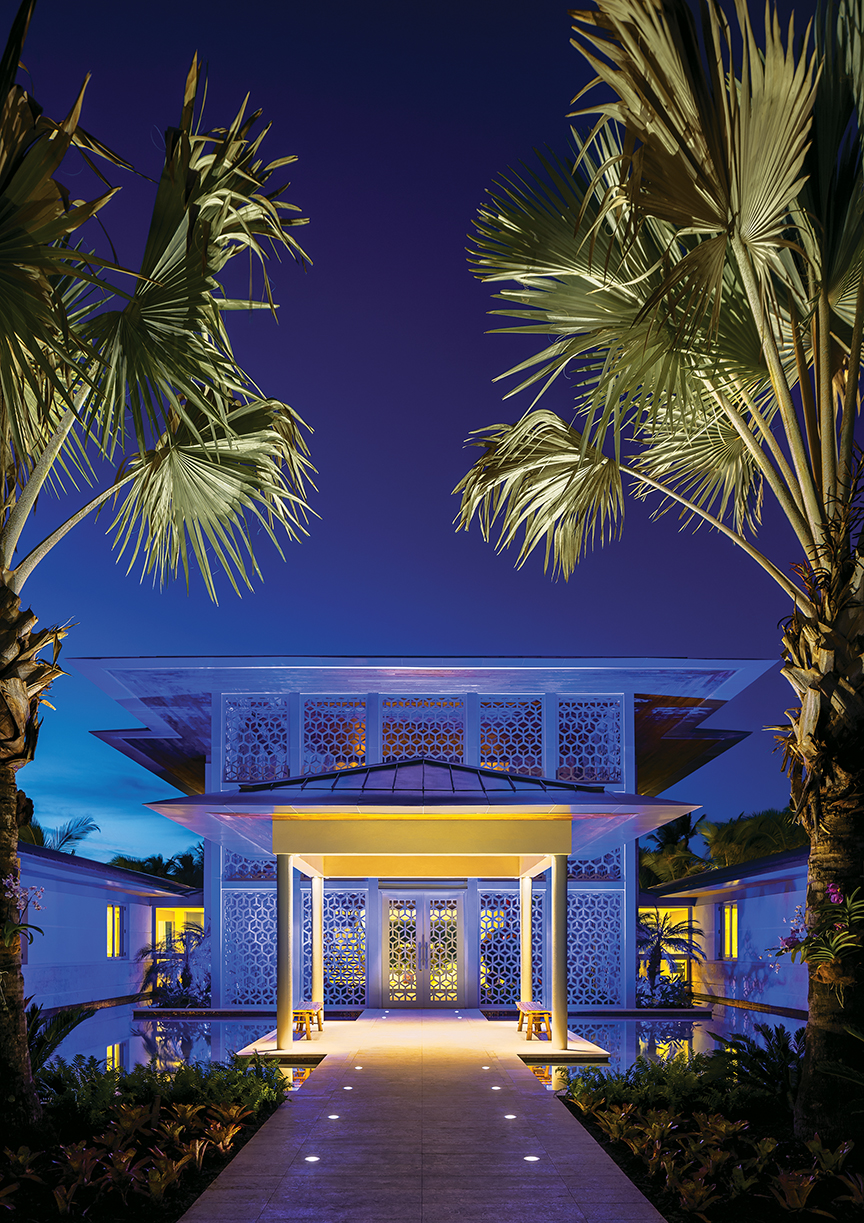
When it comes to architectural styles and design trends, authenticity — not opulence — is what consumers want today.
Contemporary … modern … innovative … intentional … authentic … flexible … sum up residential real estate today. During the recession and early recovery, expectations focused on the “new normal,” what real estate and life, in general, would be like following such a seminal event. But real change is often subtle yet inexorable, and that is the story of residential architecture and design over the last 10 years.
After almost a decade, the much hyped new normal has finally arrived. Almost suddenly, it seems everything — architecture, design, outdoor connections, consumer attitudes — has been revamped in ways that entirely transform luxury homes. “It’s not just about how beautiful the building is, but what’s the experience. That’s a big evolution from where we were pre-recession,” observes Bruce Wright, AIA, vice president and principal at SB Architects.
Architecture
“Before the recession, I would say of the 60 to 70 homes we design a year, we would get one contemporary request and maybe a transitional request from clients. Now it’s flat-out contemporary. We’re talking flat roofs, pools on the roofs, outdoor screened rooms up on the upper levels,” says
Michigan architect Wayne Visbeen, AIA. “The resurgence of mid-century modern has also been a big, big part of our business.” Even when clients want homes that reflect regional architecture and connections, he says, “it’s with a contemporary edge, definitely with more simplicity and less frou-frou.” Visbeen’s firm works in 48 states and 10 countries, and he sees the move toward contemporary, notably a warm contemporary, playing out nationwide. Also in demand, even in locations as diverse as Beverly Hills and Miami, is an interpretation of contemporary dubbed “modern farmhouse.”
In the South, Stephanie Gentemann, AIA, a partner at g2Design in Savannah and director of Palmetto Bluff’s design review board, a transitional aesthetic, which she sees as a blend between contemporary and traditional, is gaining prominence. Gentemann also sees modern farmhouse garnering interest. Preferences for contemporary, transitional and modern farmhouse are not restricted to upscale homes, but range across all age groups and income levels.
For luxury, Gentemann says, “The more expensive the house, the more eclectic we get in terms of architectural style. There isn’t one predominant style that I see that is dictated by price point.”
©2018 Ciro Coelho / CiroCoelho.com
“What we see now is driven by a better- educated consumer. We’re seeing an appreciation for contemporary architecture with a warm material palette that is accessible and friendly, but not thematic, that is not an interpretation of another culture. It’s really about creating this kind of transparency, layered architecture that has rich materials and more materials communicated in a more contemporary format,” says Wright.
“I think it’s an interesting place where we are design wise,” says Ken Bassman of Bassman Blaine Home, who helps owners turn Montage residences into dream homes in Maui. “People want things to be more streamlined, clean and neutral. But it doesn’t mean that it’s bland or boring. There’s actually more color with artwork,” pillows and accessories. Wall coverings are back along with textural finishes and even a touch of glamour.
On the Big Island, designer Gina Willman says, “everyone is looking to ‘lighten and brighten’ their surroundings. We are lightening up walls by plastering or painting with hues significantly brighter than the ‘50 shades of beige’ phase of the 2000s. New homes are exploring lighter wood tones and cabinets.”
Revamped Interiors
Exterior architecture and elevations are only one transformation for homes. Inside, floor plans are being revamped as interiors undergo substantive alternations. “If I pull out a floor plan from 10 years ago, it would seem like a total disaster. There are things we would never do now,” shares Chris S. Texter, AIA, a principal at KTGY Architecture + Planning.
Open floor plans continue to define interiors. Living rooms are passé, often replaced by smaller rooms owners can configure however they want. And the jury is still out on separate dining rooms. James Rill, principal of an eponymous Washington, D.C. architectural firm, says dining rooms are often designed for alternate or dual uses such as a library.
Open plans are evolving to be more functional and nuanced. The intentional piece in open-concept design, observes Chicago designer Mary Cook, is the way these spaces are “high-performing, multitasking and they share their functions across rooms. People want the spaces to live better; they just don’t want to fill empty space.”
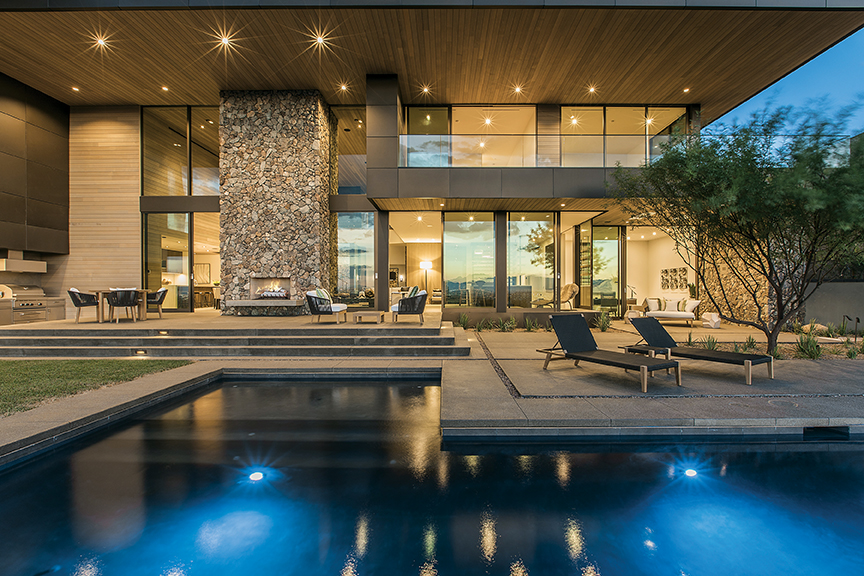
A variety of materials, warm hues and stone are contemporary hallmarks as shown in the Marmol Radziner designed inspiration home at Ascaya in Las Vegas.
Photo courtesy Boulderback 5.
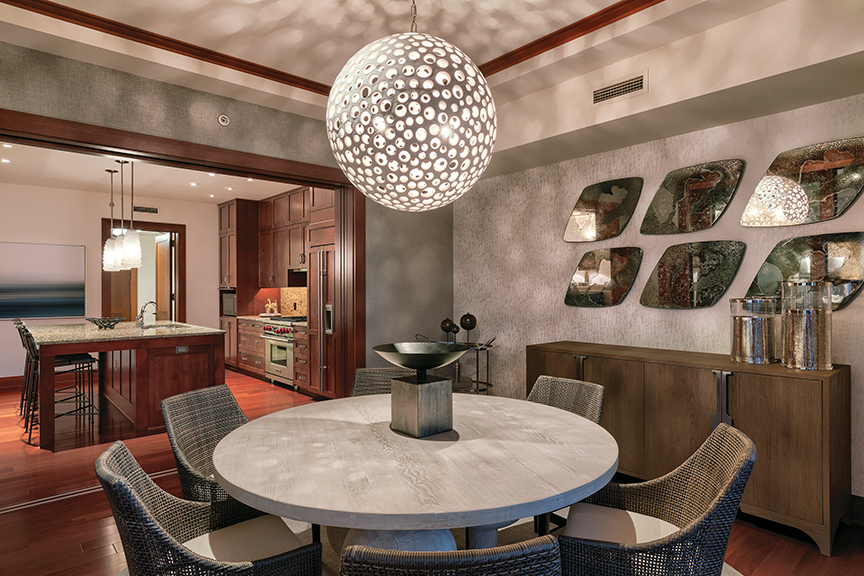
Currently a dining room, this space is equally adaptable as an office, studio or play area. Pocket doors add to this versatility without interrupting the flow.
©David Tonnes dba. PanaViz Photography / Courtesy of Ken Bassman
Open to Innovation
Even in large homes, Visbeen says his firm looks for opportunities for more creative uses and more innovation. “If I had to say anything was the real trend, it would be innovation for us.”
“Creating spaces where the kitchen, living and dining all seamlessly merge together supports a more contemporary style of architecture,” Wright explains, adding, “we are doing it on a grand scale, but also in an intimate way to help support the cadence of a daily routine.”
Kitchens, particularly in upscale homes, capture even more square footage. “People are spending a lot more money in their kitchens,” says
Pamela Harvey, owner of Pamela Harvey Interiors in Washington, D.C.
In lieu of luxury mainstays such as Wolfe or Viking, many opt for even higher-end appliances including La Cornue, AGA and Bertazzoni. Colors are another growing preference for both cabinetry and appliances. And clients now want range hoods to be powder coated to match the cooking appliance. What’s trending for colors in kitchens is dark blue, Harvey adds.
Pantries are back and are more like those from 100 years ago. “Pantries are taking on a life of their own,” says Texter, referring to the need for more storage along with additional functionality in kitchens. Open-concept designs mean the kitchen is always on display, so back kitchens or a second kitchen area tucked out of the way (once a nice-to-have amenity) are now a luxury “must-have.”
They can range from an expanded pantry with additional counter space to corral counter clutter to a fully outfitted butler’s pantry, which at the highest price points might morph into a full-on catering kitchen.
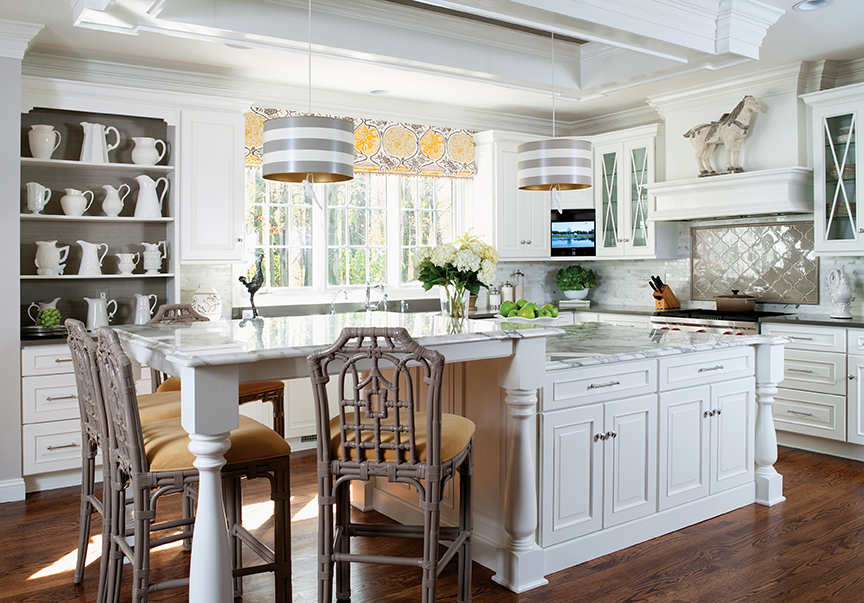
More square footage is devoted to kitchens and pantries.
Photo by Stacy Zarin Goldberg / Courtesy Pam Harvey Interiors
New Connections
One of the most transformative changes in floor plans, the orientation of kitchens and great rooms and the experience of the home overall, comes from the way interiors now relate to the surrounding landscape. “Outdoor living spaces are an enormous part of our business and have been for years, but it has taken an even greater level,” observes Visbeen.
Ten years ago, outdoor living referred to patios, gardens and decks. Today, thresholds are blurred, and the division between inside and outside is almost nonexistent. “It used to be enough to have a sliding glass door or a French door that went to the backyard. And now it’s about how that indoor space expands and takes advantage of the fenestration. Then, there is the desire to have a room outside, and that wall just disappears, and the space doubles in size,” says Texter. “Now we’re practically designing the backyard to go with the home. That space is part of the home, and the design is integral.”
New technology is also a catalyst for this transformation. The cost of large windows and disappearing doors is much lower than before the recession. New products include more sizable expanses of glass, broader doors, doors that pivot, and windows and doors that wrap around corners, greatly expanding options to integrate inside and outside areas, visually and literally. Having sightlines that directly extend to an outside patio or room visually expand smaller rooms.
Metal frames also mean less weight and larger panes of glass, according to Rill. In traditional homes, renovations and additions almost always address the indoor/outdoor synergy. Rill says they use metal framed glass more frequently and, in some rooms, disappearing doors are replacing sliders and French doors. “People are moving toward something that’s a little sleeker, a little cleaner and a little more playfully modern, but still within traditional proportions and shapes.”
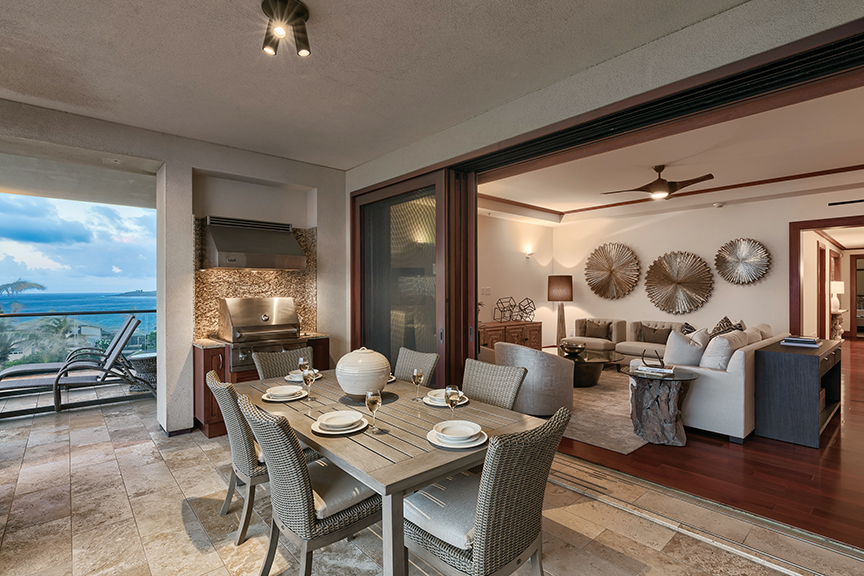
Today, thresholds are blurred, and the division between inside and outside is almost nonexistent.
©David Tonnes dba. PanaViz Photography / Courtesy of Ken Bassman
Authenticity, Not Opulence
A decade ago, luxury homes were often considered a testimony to status, and ostentatious demonstrations of affluence were acceptable. “During that era, it was in vogue that the more money you spend, the better it was. And after the recession, people came away from all of that. That heavy, goopy, layered, gilded aesthetic just evaporated. There was this yearning for authenticity,” explains Cook.
“Because of knowledge and images and travel that people are exposed to, they are more willing to be authentic to what they want instead of what is considered the norm. Also, people are moving away from that and it’s become more about what they want in their home and how they want their home to feel,” says Harvey. “They want their home to reflect who they are, whether they have a designer help them get there or not.”
Are homes getting smaller? Yes and no. Overall home sizes have seesawed since the recession, according to data from the National Association of Home Builders, but designers say how a space functions and is finished trumps size. “People are rightsizing more, so we’re seeing higher-end finishes in smaller square footage and the desire to use rooms more efficiently,” says Visbeen.
Rightsizing might be a trend, but signs that home sizes are beginning to creep up — especially for luxury properties — are prevelant. Since the recession, Gentemann sees the range of home sizes expanding. “Not only are there smaller homes, but larger homes as well.”
What has changed is the way additional square footage is used. “As square footage is going up, the walls are coming down and those spaces are opening up to each other. So those core areas where people come together are most important; I think what’s driving that is the casualness of life today and wanting to be able to come together,” explains Cook.
“People are looking for a graciousness of space, which is different than size,” says Ann Thompson, senior vice president of architecture and design at Related Midwest. “Consumers are very savvy now in a way we didn’t see 10 or 15 years ago. I think people are much more cautious and careful in their decision making. They are really assessing value.”
In the higher end, the more affluent the buyer, the more astute they are. “These are people who are very accomplished in their own field, and often that means they’re great decision makers. They’re researchers; they educate themselves about things in their life that are important to them and certainly their home is one of the most important decisions that they make,” shares Thompson.
Homes Are Resorts, and Resorts Are Homes
Increasingly home is seen as a refuge, a place to regroup and connect with families, which means primary homes are becoming more like resorts. Following resort trends, wellness is growing as a desired attitude, which means exercise spaces, a high level of air and water purification, steam showers and saunas are all desired amenities. “I think the overall trends in hospitality design and high-end residential continue to be largely influenced by travel, social media and the accessibility of high-end design that is reaching the consumer in general. There is a continual elevation of expectations,” shares Wright. On the other hand, second homes are becoming more like primary homes, with larger master closets and the addition of any needed features to equip the homes for year-round living. Offices are also another potential addition, as are larger kitchens.
Also, sustainable and energy-saving features, along with smart home technology, are no longer amenities. Rather, they are expected. Looking ahead, designers have a raft of features they see as most desirable. They include: hidden rooms, gun safe rooms, his and hers master baths, diverse wine storage areas, multiple detached structures, storm preparedness, backup generators, outdoor living on multiple levels of homes, and future elevator shafts. One innovative use in a Palmetto Bluff home, until the elevator is required, is to convert the space into a climbing wall, which keys into Visbeen’s observation that innovation might be the overarching trend.