


“Port A is one of the last really authentic beach towns and it’s only going to grow,”
Cinnamon Shore in Port Aransas, Texas withstood the unforgiving winds of hurricane Harvey and came out on top.
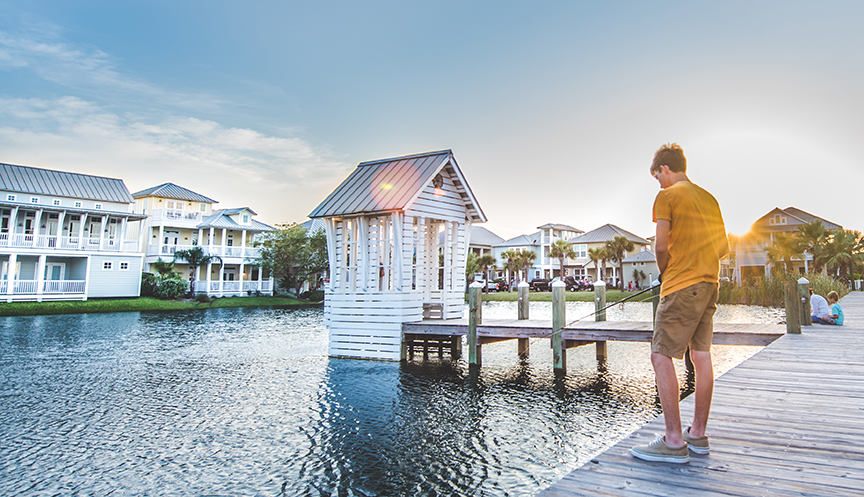

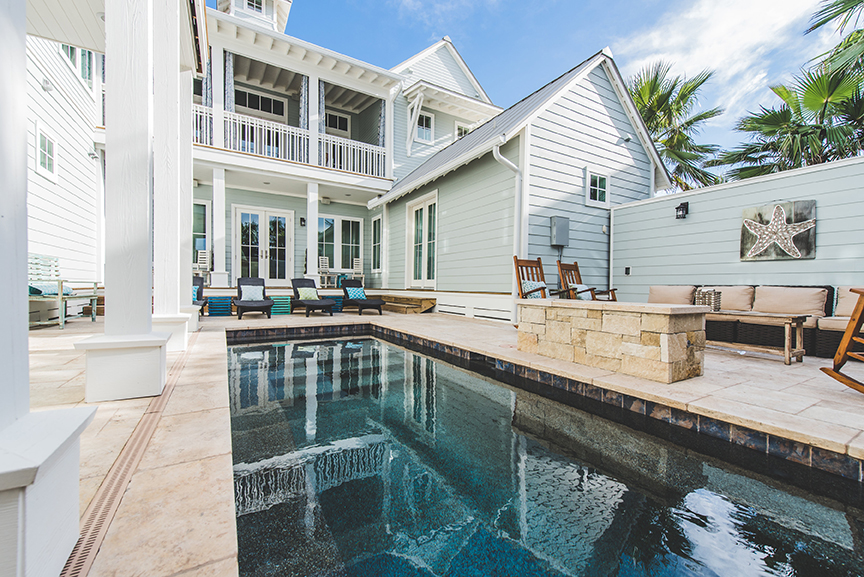
The strict building standards, the lock-and-leave storm procedure and more are a testament to the development’s dedication to creating a durable and safe place to live. “Residents and guests can relax because they can just lock their doors and leave if there is a storm,” says Jodi Peters, managing real estate broker at Cinnamon Shore. But once you visit you won’t want to leave.
Upon entering the community that is Cinnamon Shore, the modern yet cozy architecture catches your eye yet melds perfectly with the carefully incorporated natural elements. “The dunes are really special. Not every beach has this beautiful, thick greenery that separates the homes from the water,” says Peters. The undeniable Southern beach tones immediately make you feel as if you’re at a serene beach getaway.
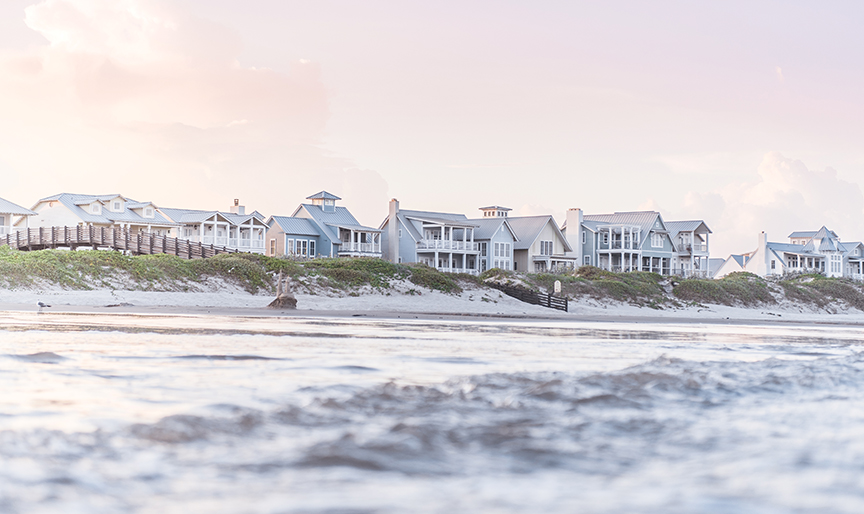
Clean white accents are crisp against beach tones, and modern design ties the community together and sets a standard within the community that doesn’t feel stiff or forced.
Despite the closeness to the beach — most balconies offer spectacular views — the residences are built 11 to 13 feet above sea level and adhere to building codes and regulations that have been tested and have proven to be reliable and sturdy.
“It’s a safe area that is perfect for families and empty nesters,” says Jeffrey Hentz, president and CEO of the Port Aransas/Mustang Island Chamber of Commerce & Tourism Bureau. With that distinct feeling of safety, the community seamlessly incorporates amenities that will have guests feeling as if they’re at a coveted resort. However, rather than scooting away from other guests and fighting over seats around the pool, the community encourages getting to know the other residents, without sacrificing the necessary privacy for a relaxing vacation or stay.
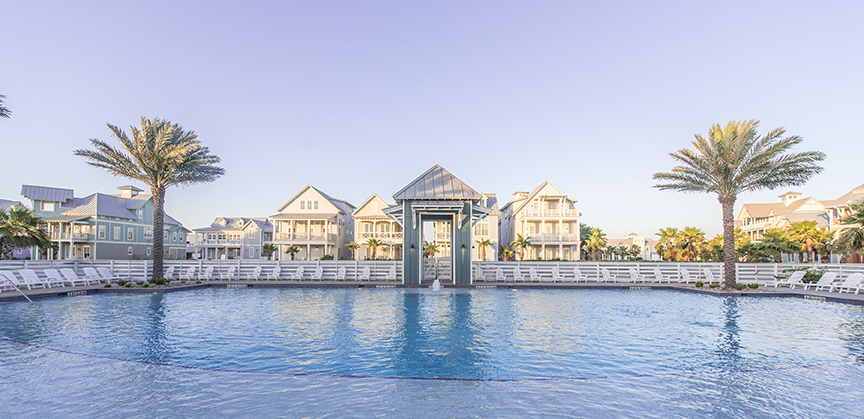
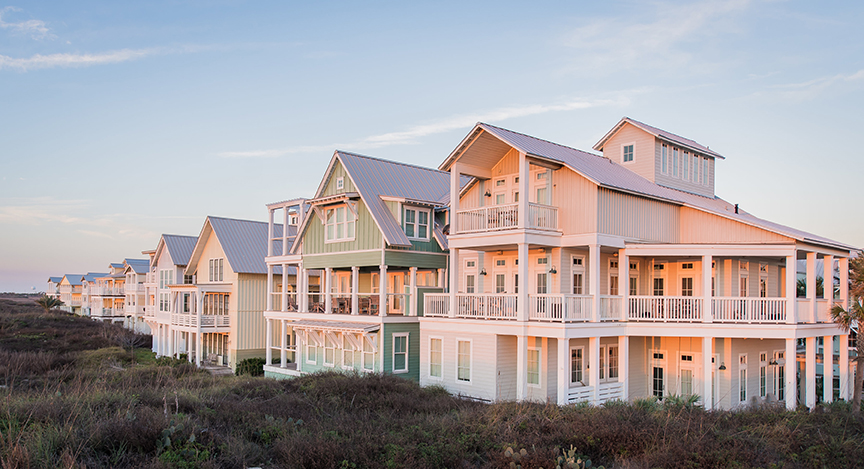
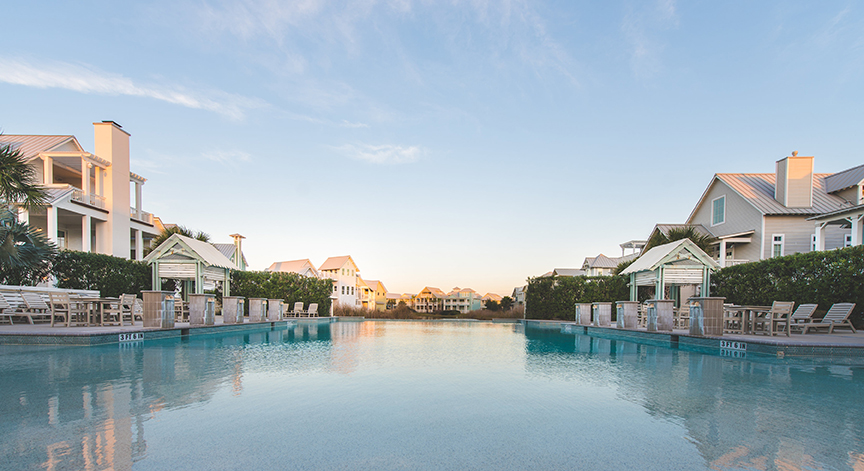
Areas like the fire pit — a popular gathering point with smores to accompany peaceful nights, the community pool, the social circle, and the great lawn provide endless opportunities to meet people or enjoy a serene evening by the water. “Small things like the fire pit bring everyone out and together,” according to Hentz.
The balance that Cinnamon Shore has created is the perfect formula for success.
The sense of safety as if you’re in a neighborhood where you’ve lived your whole life doesn’t dull the excitement or variety of activities and nightlife that are available within the development or just a short trip into town away. Lisabella’s within Cinnamon Shore is the perfect evening dining venue. The rest of Port A offers a variety of cuisine ranging from authentic Italian food at Venetian Hot Plate to the “you catch it, we cook it” option that is offered at several local restaurants.
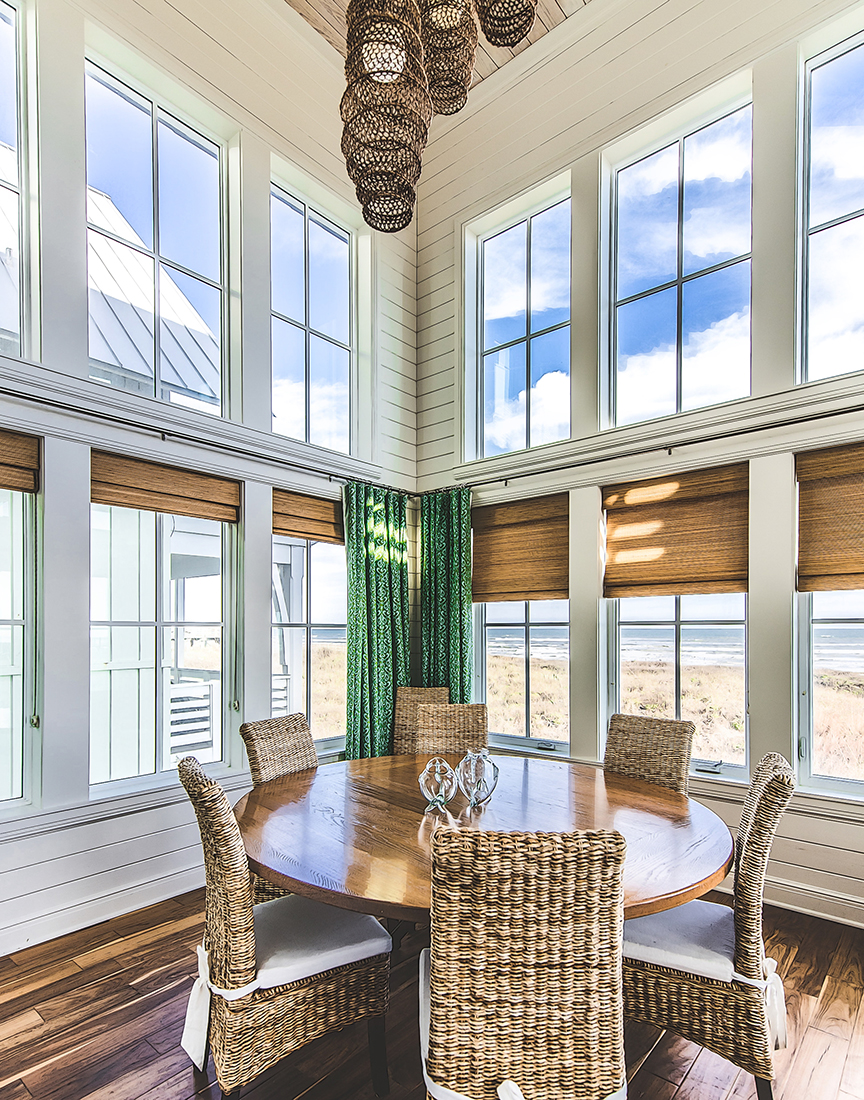
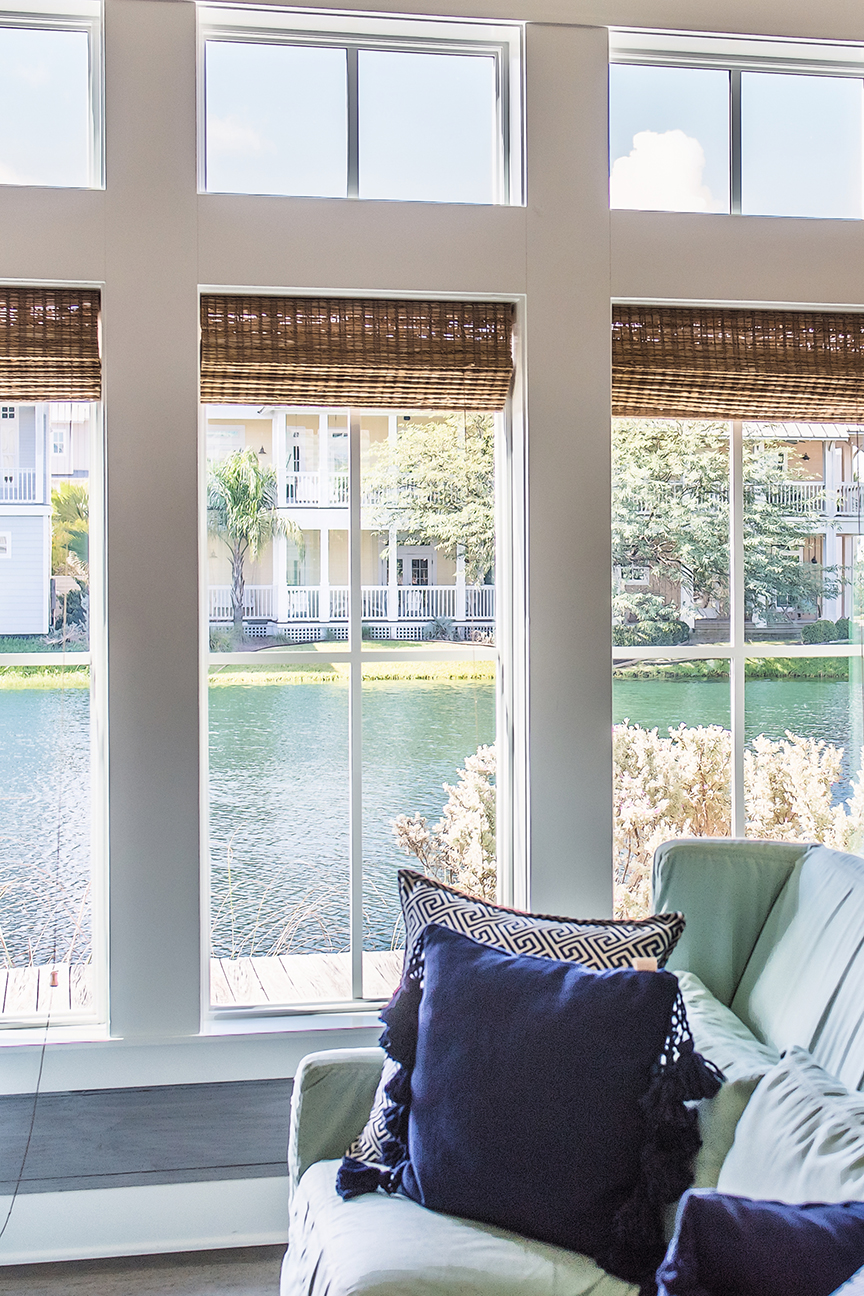
Nature is a big part of Port Aransas and Cinnamon Shore has taken special care to include Hummingbird Park, a fishing pier, Lake Colby and Lake Gavin and, of course, easy access to the Gulf of Mexico for those looking to get away from the big cities. “The pier is a popular spot in the afternoons. It’s the perfect spot to relax and enjoy a summer night,” says Peters.
Cinnamon Shore might be your next permanent home, vacation spot, or rental that you’ll fall in love with.
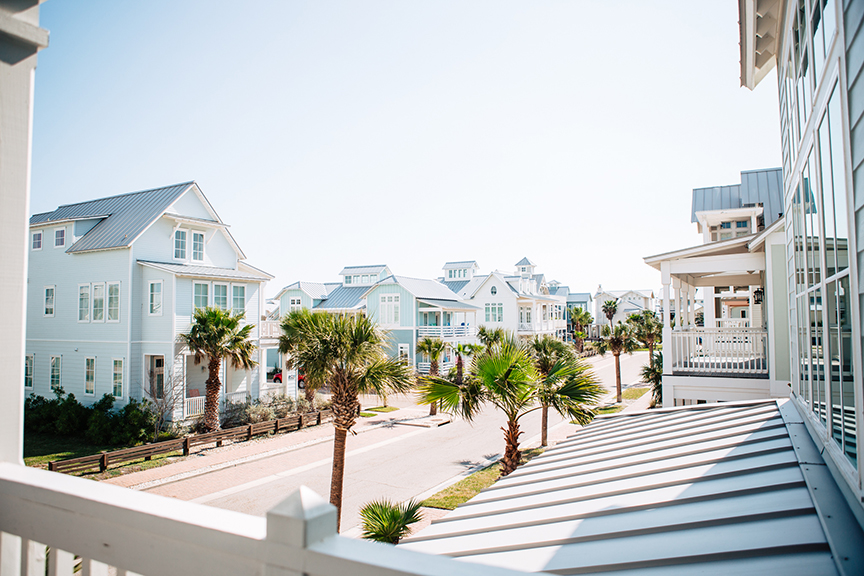
Real estate options include homes, condos, cottages, homesites, and penthouses.
—Cottages nestled around sunset park range from $585,000 to $689,000.
—Condos are available with one to four beds.
—Four bedroom penthouses are also available with current prices in the range of $790,000.
—Various beach homes are available with options for up to 5 beds and 6 baths.
Cinnamon Shore has already proven its success, but there are big plans for expansion already underway. “It’s the original seaside village on the Texas coast,” says Peters. “It just keeps getting more beautiful and intricate with every detail.”
Cinnamon Shore South is going to be a 300-acre New Urbanist community and will include two luxury pools, views of a Texas-sized lake, and vistas of both the Gulf of Mexico and the bay.
Photos by Shannon Lafayette/ courtesy of Cinnamon Shore
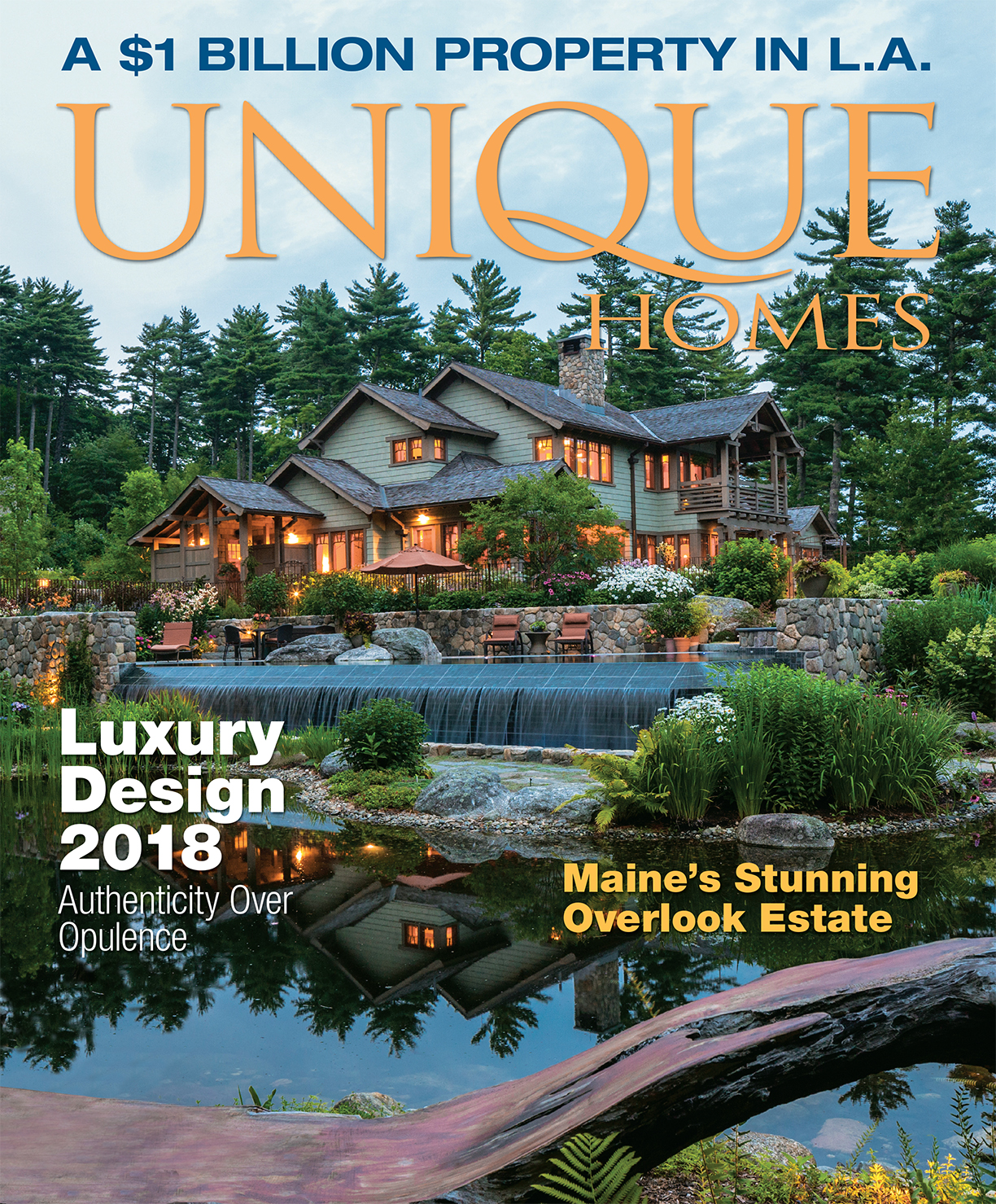
Improving on excellence is not easy, but Overlook in Camden, Maine (featured on our cover) elevates already significant architecture along with 21 stunning acres perched above a desirable stretch of Maine coastline to an even higher strata.
By Camilla McLaughlin
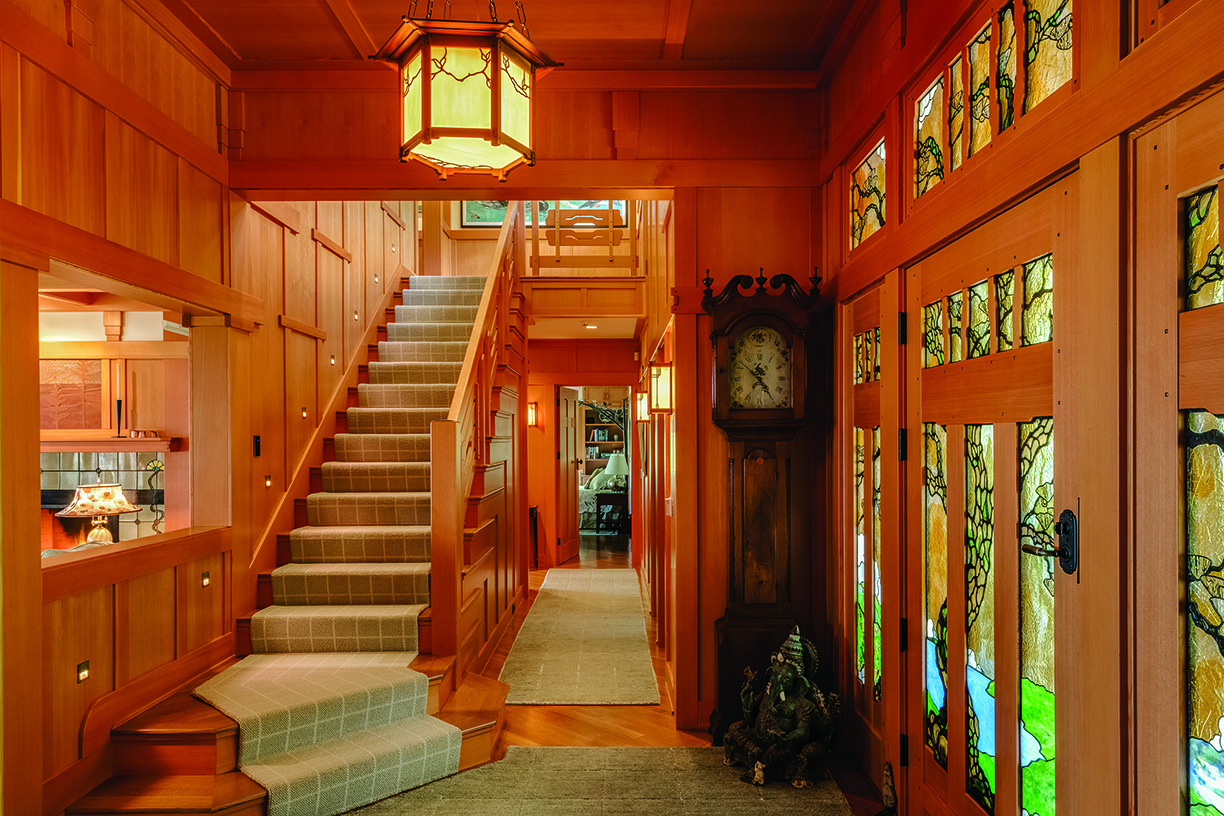
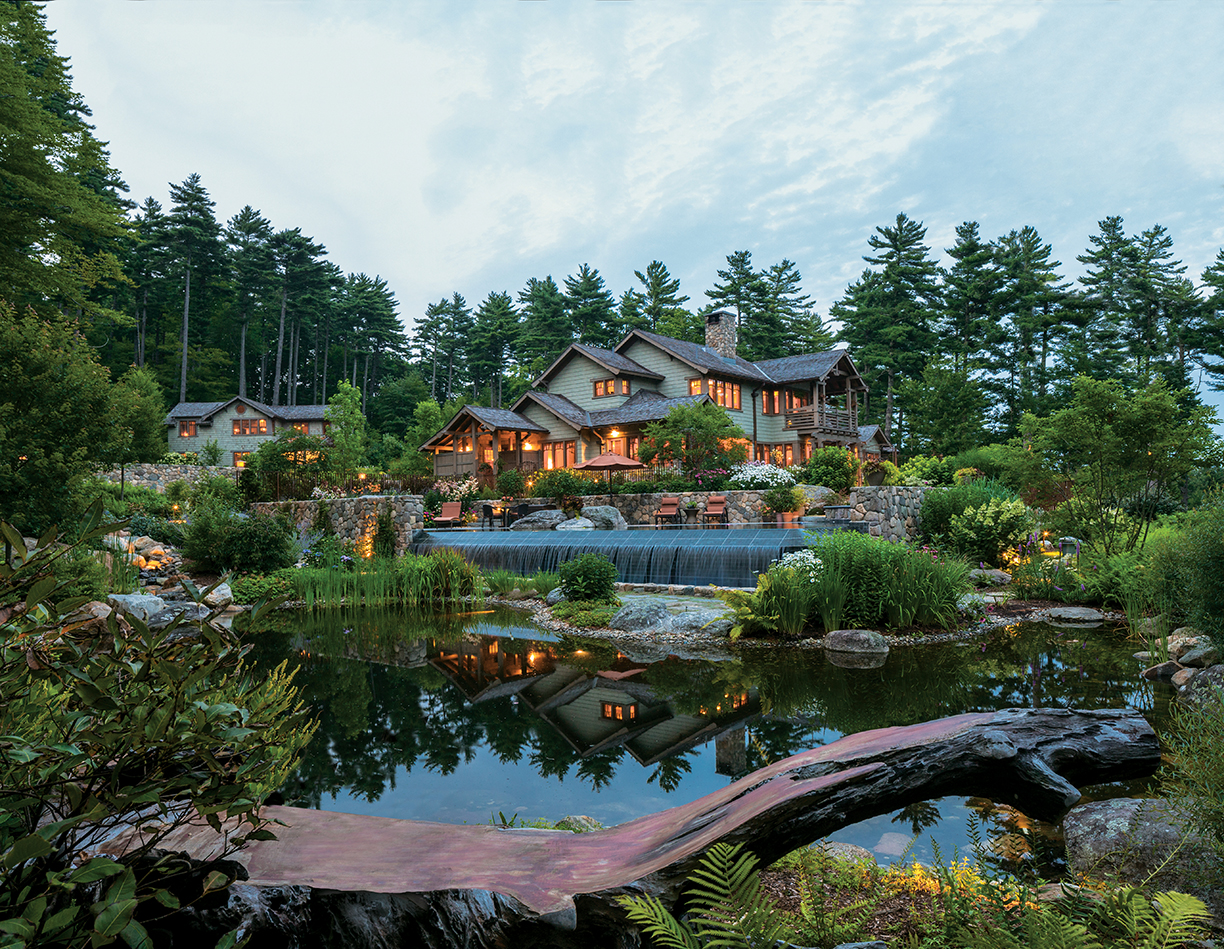
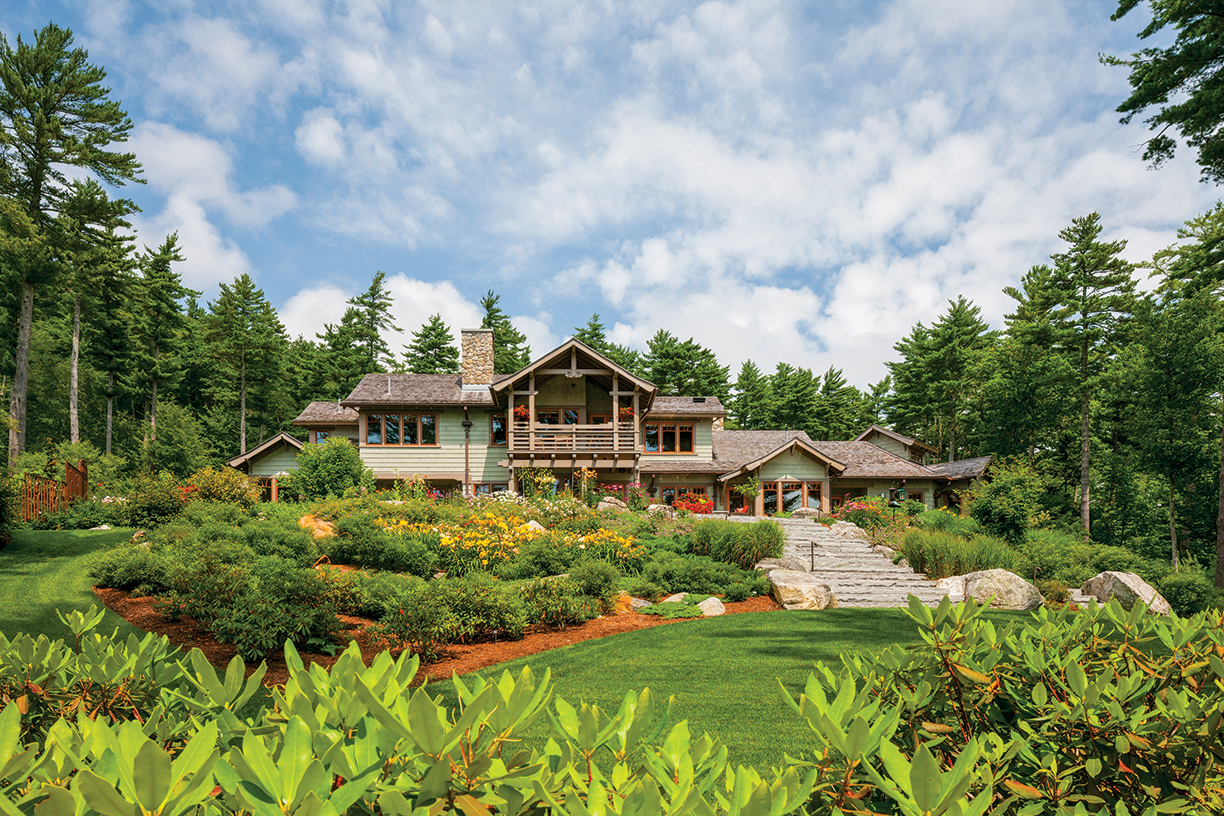
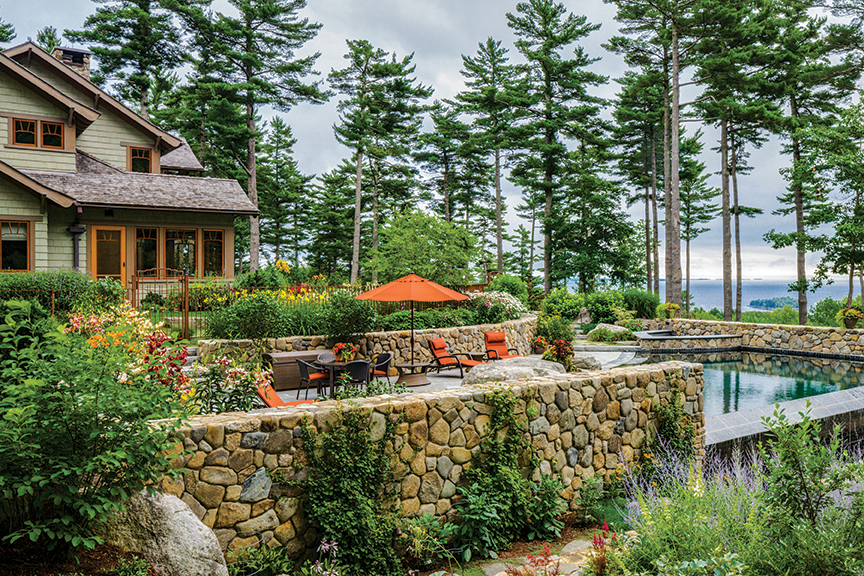
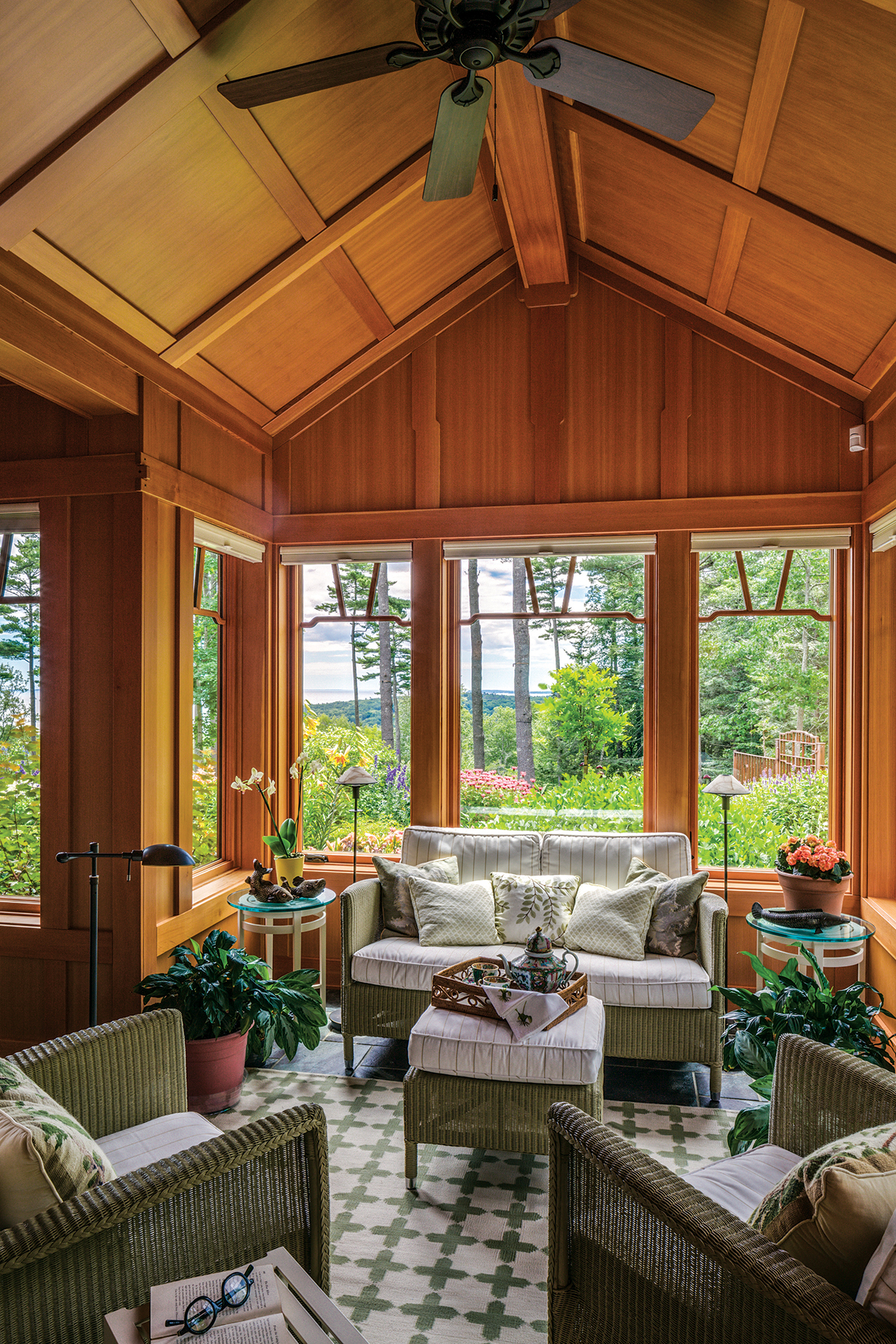
Inspired by the iconic Gamble House in Pasadena, California, this home is a prime example of the Arts & Crafts style but interpreted for the 21st century.
As with many contemporary designs, the open concept entry showcases the views of Penobscot Bay and the islands beyond from the moment you step inside. But then the finely-crafted details in the millwork and joinery, and the world-class stained glass are all reminiscent of the more traditional designs of another era, a hallmark of Arts & Crafts design.
There’s a sense of peace here that exudes from the many ponds and waterfalls, and more than 5,000 specimen trees and plants set against the forest and mountainside. Inside and out, you are surrounded by the colors of nature. “The feeling of the house is one of extreme warmth and comfort. There is a purity of design with great value placed on organic materials and artisan-crafted workmanship that melds beauty with utility. There is a wonderful intimacy in the house and the property. This is a place you never want to leave,” says listing agent Scott Horty, with Camden Real Estate Company.
With a full complement of amenities (a large theater/cinema, a game room, a gym, sauna, and an equally wondrous guesthouse) along with the extensive infrastructure (geothermal heating and cooling, whole house generator and solar array hidden among the trees) you may never have to leave!
Beauty, peace of mind and connection to nature are all priceless. But the price of Overlook is $7.9 million…
A stunning penthouse at Quay Tower — the new luxury high rise designed by LA-based Marmol Radziner on the Brooklyn Heights waterfront — just sold for more than $20 million, setting a new record for the most expensive home sale in Brooklyn history.
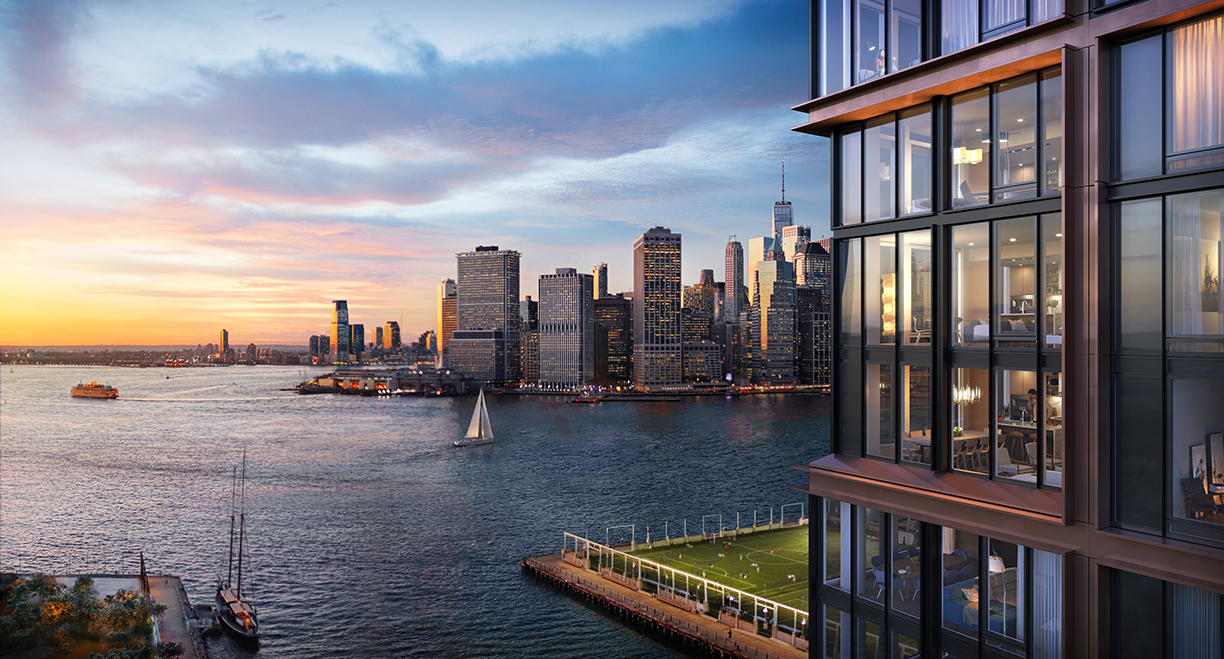
This is the first time Marmol Radziner has brought its California modernist aesthetic to New York City — the firm is best known for renovating iconic mid-century modern homes out west, including the famous Kaufmann House in Palm Springs.
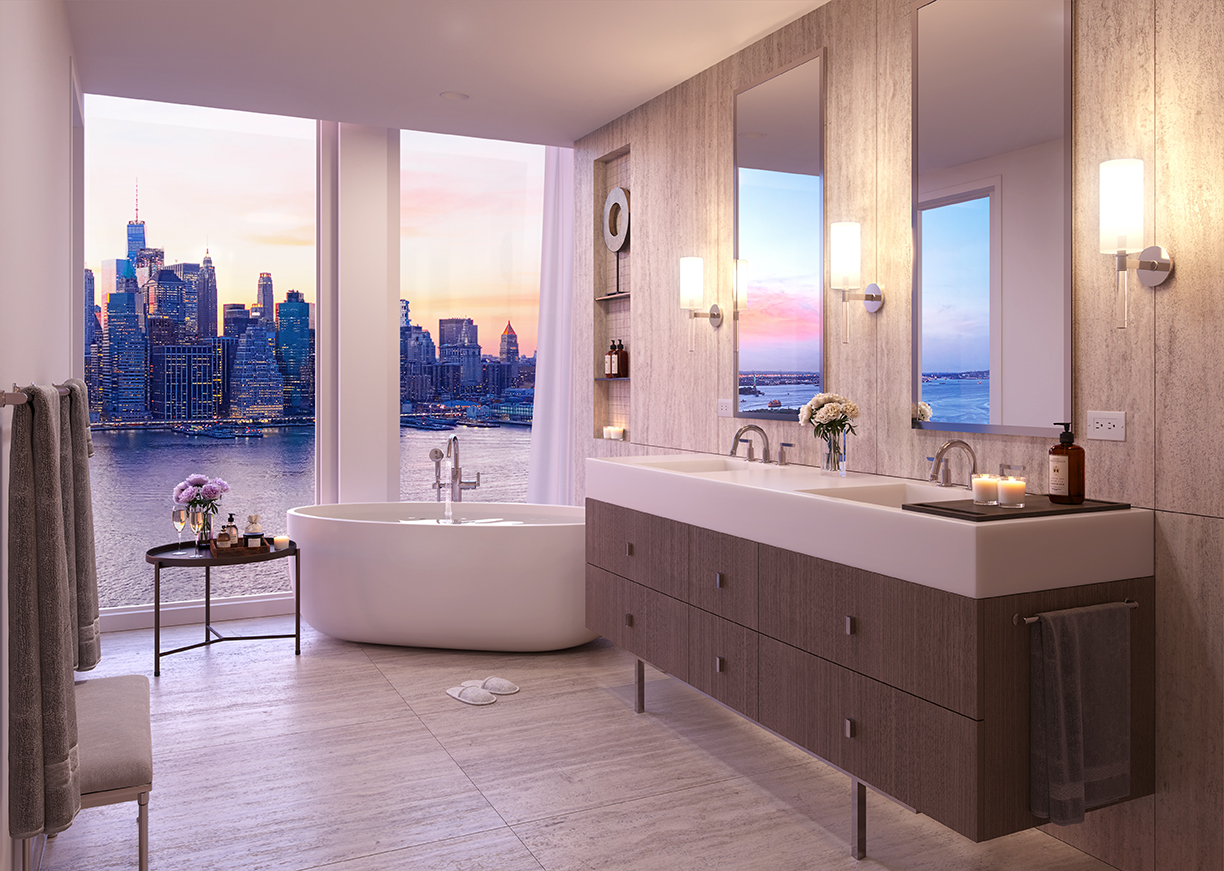
With Quay Tower — and this penthouse in particular — Marmol Radziner creates a similar modernist experience of living in a home surrounded by nature. With tranquil views of the East River and New York Harbor, it’s easy to forget you’re in a 30-story structure in New York City.
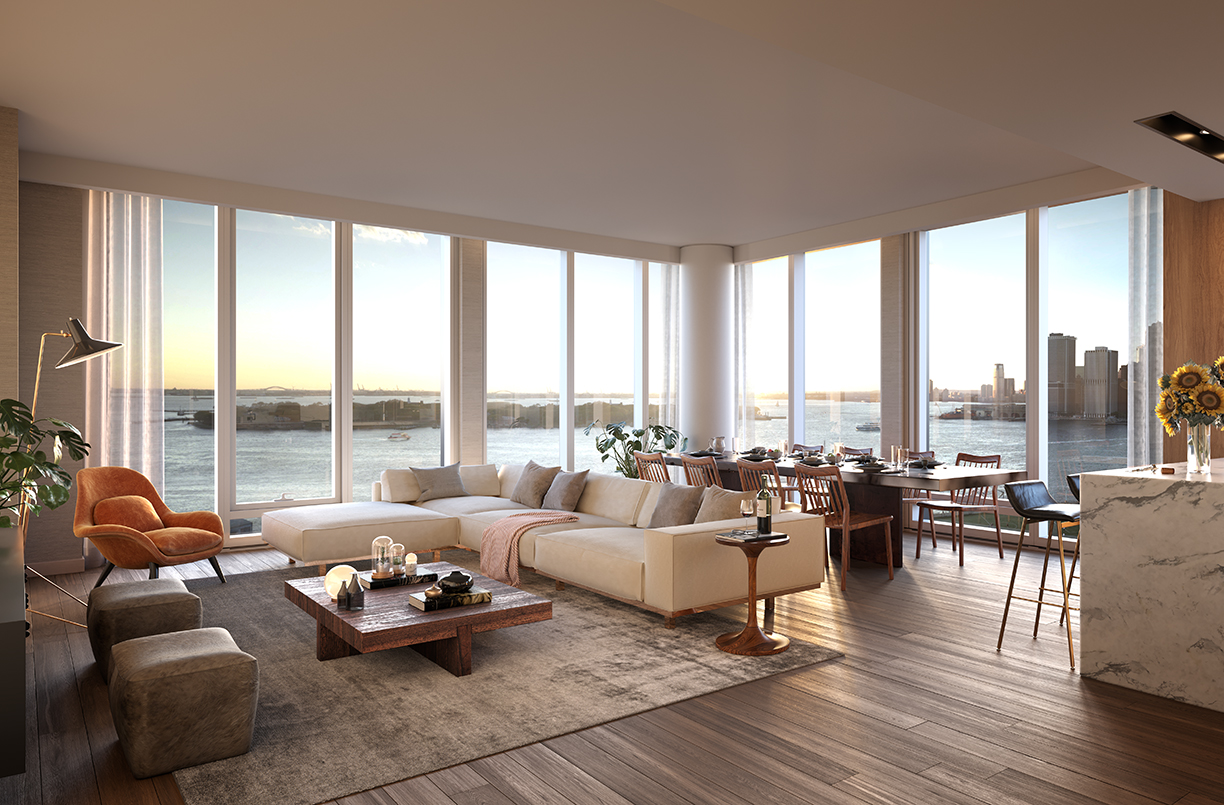
Despite its elegant, modern design built with high-quality and natural materials, the ultra-luxe penthouse is meant to be lived in and loved. In the living room, a fireplace creates an intimate and inviting gathering space with stunning views of Manhattan.
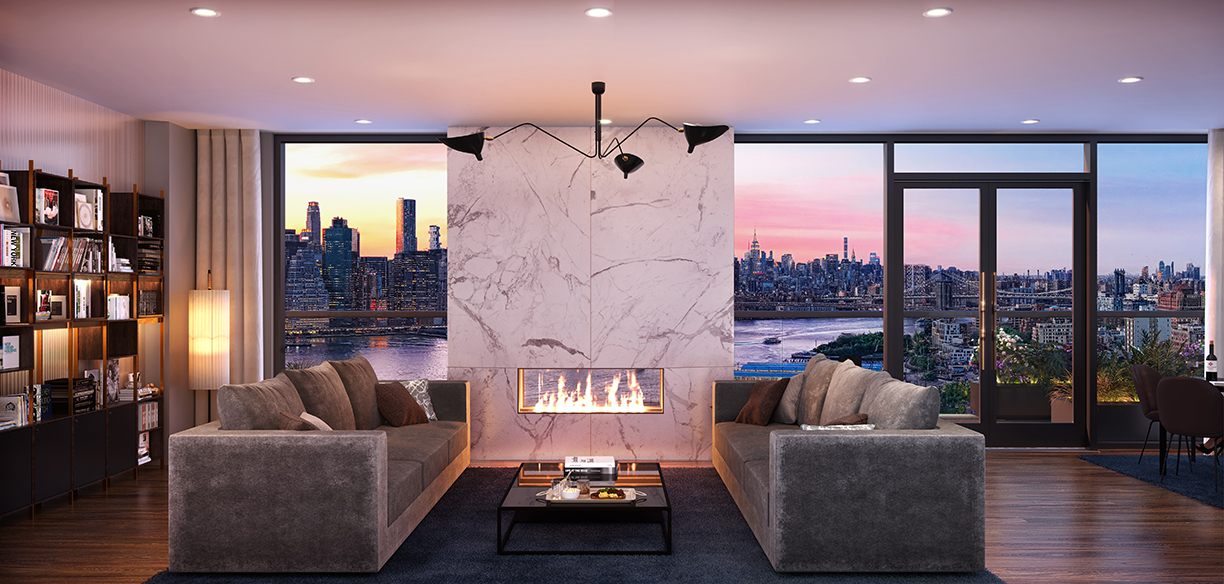
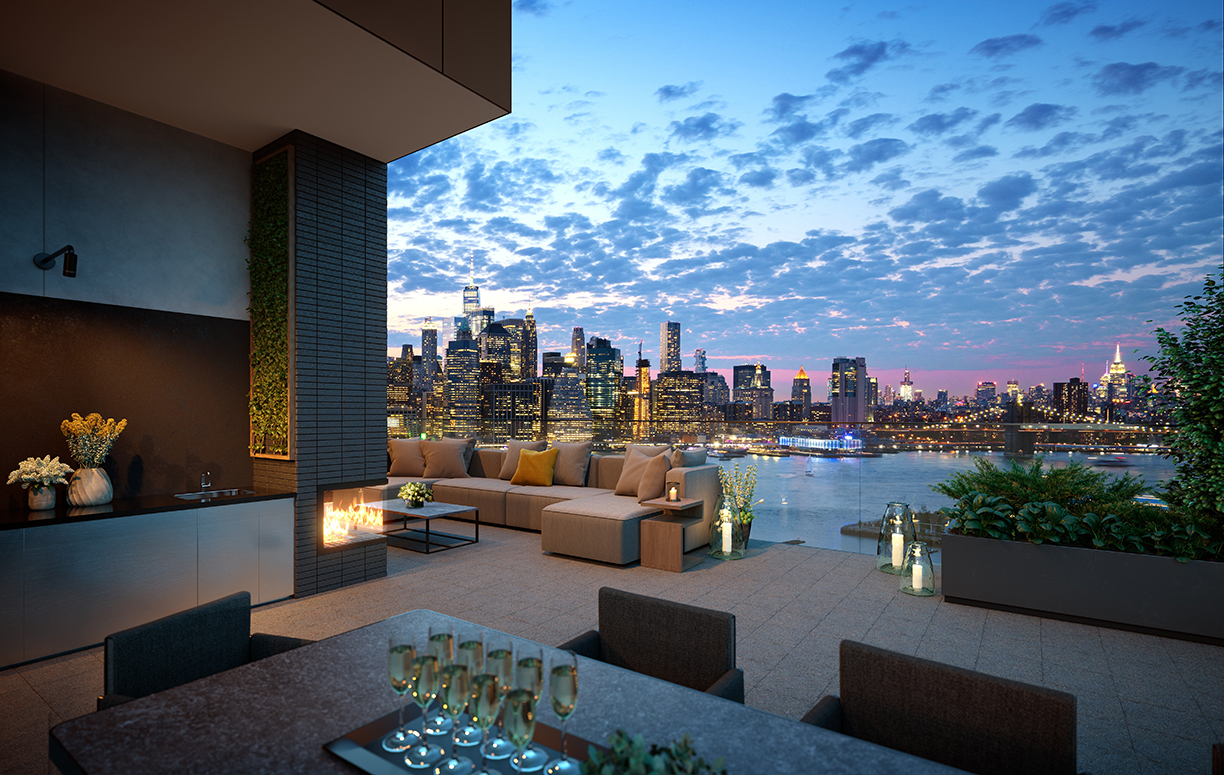
The record-setting home combines two penthouses at the top of the building to create one incredible mansion with five-plus bedrooms and 7,433 square feet of living space, as well as a private 1,179-square-foot terrace.
A balance of intimacy and openness, indoor and outdoor and modernist meets warmth is tough to strike in a high-rise, and that is the real triumph of Marmol Radziner’s vision for Quay Tower.
Photos courtesy of Allison Walker.
Approximately 220 residences and an office building will join the year-round, live/work/play community, development accelerating growth in Greater Green Bay.
Green Bay Packers’ real estate development branch, Titletown Development LLC, announced its plans for Phase 2 of Titletown, the mixed-use real estate development in Ashwaubenon, Wisconsin, located directly west of Green Bay’s iconic Lambeau Field. Highlighted by approximately 220 residences and a four-to-five story office building, Phase 2 adds to the “live” and “work” elements of Titletown’s appeal.
The residences will be built at the site along Brookwood Drive, and include up to 150 units in an apartment building, ranging from studios to three bedroom-units. The remaining 70-90 residences are anticipated to be a mix of three different styles of townhomes available for ownership. The design of the Titletown residences will be a homage to the area’s industrial history and its natural surroundings, while envisioning Greater Green Bay’s burgeoning future.
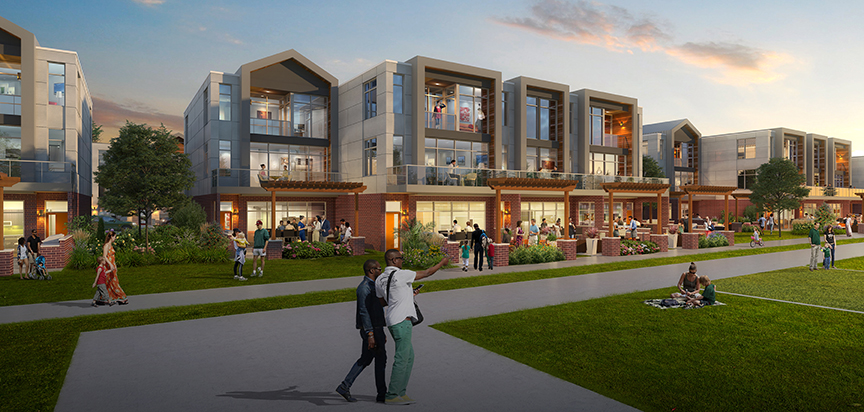
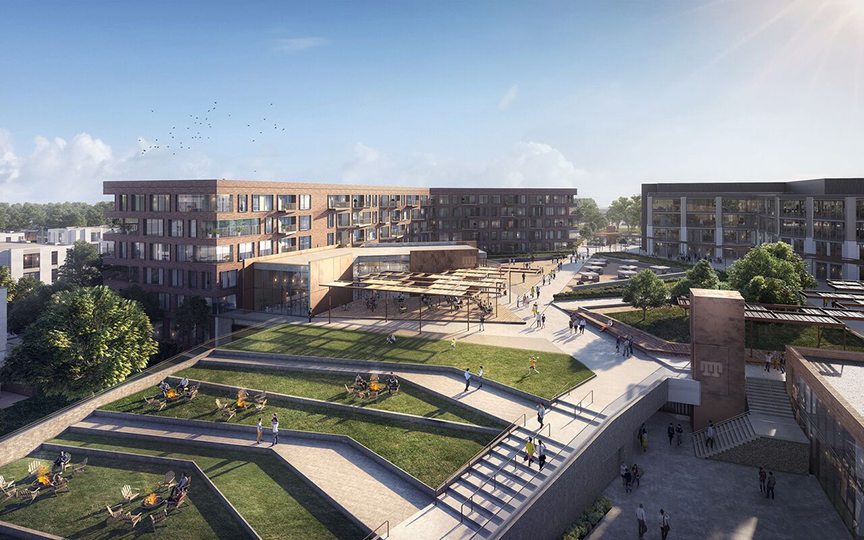
“Titletown thus far has exceeded our expectations and we’re excited to add the residential component and office building to the development, and to the region,” said Packers President/CEO Mark Murphy. “We’re looking forward to continuing to create a special place for residents, community members and visitors, and this next step in the development will elevate Titletown to a place many will call home.”
Final details of the residences, including cost and available options, are being completed and will be announced later this year. Construction for both residences and the office building is slated to begin in spring 2019. Reservations for those interested in Titletown’s residences will begin later this football season.
“Titletown’s first phase has generated a tremendous about of enthusiasm, both for our programming and our tenants,” said Packers Chief Operating Officer and General Counsel Ed Policy. “Now we are going increase the density by attracting more people with high-quality residences and premium office space, with a variety of opportunities for everyone to enjoy in a shared, vibrant community.”
Titletown is the redevelopment of a nearly 45-acre parcel of land that is designed to maximize its unique location to attract visitors, spur regional economic growth, offer amenities to residents and compliment Greater Green Bay’s draw as an excellent location to live, work, play and visit on a year-round basis.
Renderings courtesy of KTGY Architecture + Planning and NBBJ
Massachusetts continues to attract settlement, centuries after drawing its first dwellers.
By Kristen Ordonez
Much like the early pilgrims who ventured across the ocean to towns like Plymouth, Massachusetts, homebuyers can find the journey to settle in a new home to be an arduous one. From the historic, scholarly cities of Boston and Wellesley to the island region of Nantucket, luxury agents are helping buyers discover the growing real estate prospects within Massachusetts.
Within the metropolitan areas of the state, including towns like Wellesley, Weston, Dover and Needham, businesses are the main attractions bringing people to the Metrowest section of Boston.
“This region has the largest amount of biotechnology companies in the country, in addition to superior healthcare, highly ranked hospitals, colleges and university,” according to Joni Shore and Jon Shore of Coldwell Banker Residential Brokerage in Wellesley.
Plus, colleges like Wellesley offer cultural events, lectures and opportunities, as well as the acclaimed Davis Museum. The Shore team notes that its clients come from all around the world looking for this type of access to culture. “The highly ranked schools and universities are a draw to the area,” says the duo. “Often families who send their children to school in the area prefer to invest in real estate.” These investments tend to be in new or updated homes with technological and sustainable living qualities. Homes like these at the top of the market are usually priced much higher than other suburban areas, with the highest listing at $18.5 million.
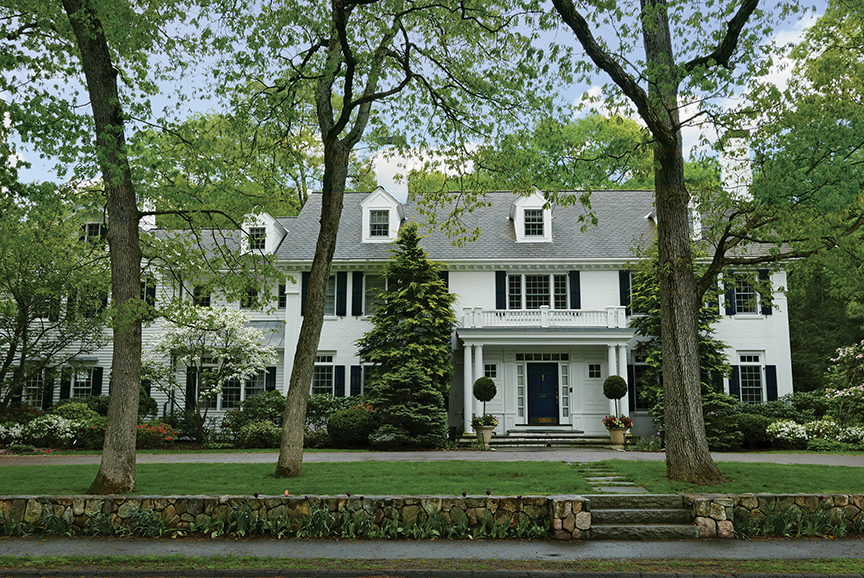
Sold for $4,000,000
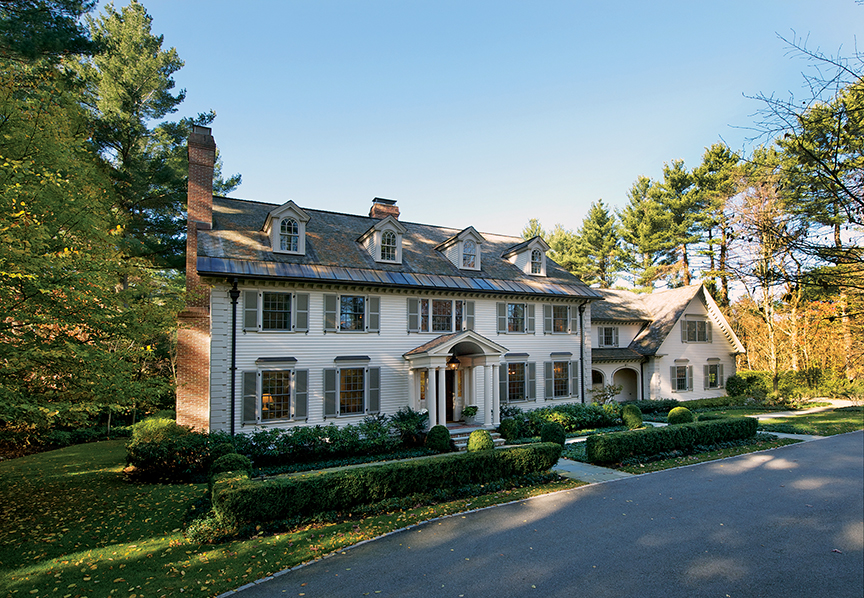
Sold for $4,150,000
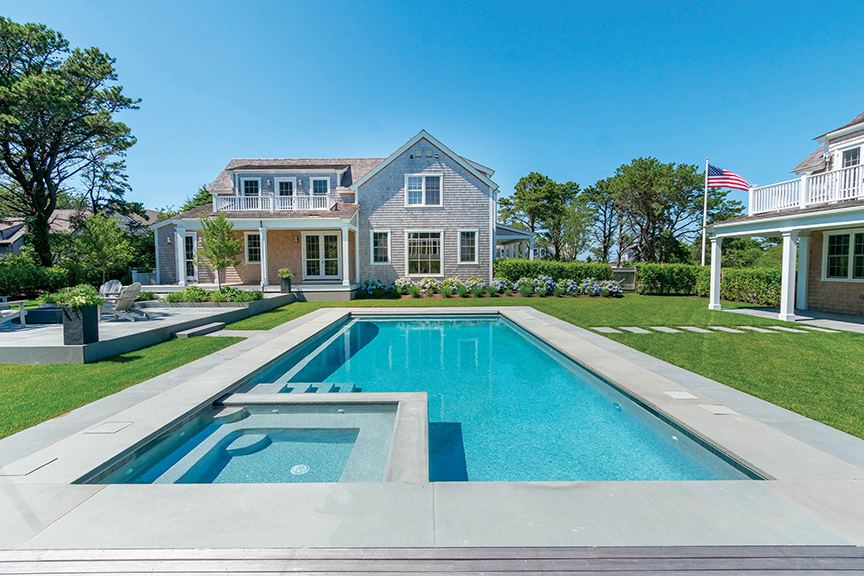
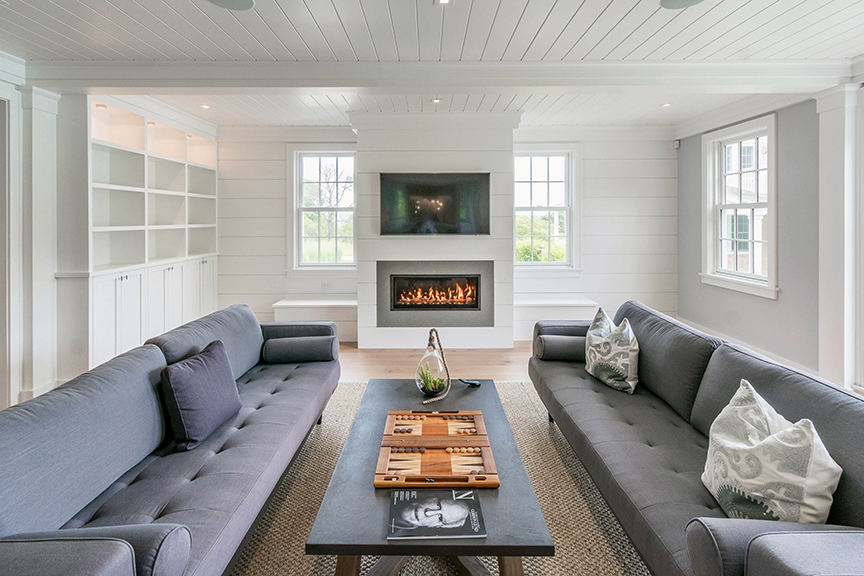
Sold for $5,770,700
Apart from the collegiate neighborhoods, the coastal regions of Massachusetts have their own enticing attributes that attract homebuyers, specifically outdoor living and recreation. Whether buyers prefer sailing around the bay or fishing in the ocean or lake, real estate along the water perpetuates both luxurious comfort and relaxed entertainment.
“When living on the South Shore you experience life as if you are on vacation 12 months a year but without vacation traffic,” says Liz Bone of MacDonald & Wood Sotheby’s International Realty, who works primarily within cities like Duxbury, Marshfield and Pembrok. This staycation-style of living is ideal for the market, Bone says, as it has brought a more diverse demographic of buyers to the region. “I find that we are being discovered every day and when someone drives through our quaint communities, each community offers a different experience and appeal,” she notes.
In terms of pricing, Bone adds that though each community differs, generally homes below $500,000 are bought by first-time buyers, while properties sold at $900,000 are bought by people moving west from the city areas. “[They] find that you can purchase more for your money the further south you travel away from the bustle of Boston,” says Bone.
Outdoor amenities and resort-style living dominate Nantucket Island, a premier resort area of New England, which attracts a wide international market, according to Gary Winn of Maury People Sotheby’s International Realty. “Each area on Nantucket has its own distinct and different market and price points,” says Winn, who notes the market offers a variety of properties within a larger spectrum of price points. For example, a beautiful house with a guest cottage, pool and cabana in the highly sought-after Cliff area can be available for about $8 million, which is quite low compared to other top Nantucket properties priced at around $30 million.
Photos courtesy of Gary Winn

Ryan Serhant, costar on Bravo’s hit show Million Dollar Listing New York and the star of Sell It Like Serhant, released his new book, “Sell It Like Serhant,” on Tuesday, September 18th, 2018, sharing hilarious and essential tips to sell just about anything.
Serhant, who started humbly as a hand model, entered the real estate business in 2008, in the midst of the economic recession. Though his start was shaky, he today is one of the top realtors in the world, and has mastered the art of selling. Today, Serhant has 1.1 million followers across all social media platforms, is the real estate correspondent for The Daily Mail and has appeared on 20/20, CNN, CNBC, The Today Show, Insider, BloombergTV.
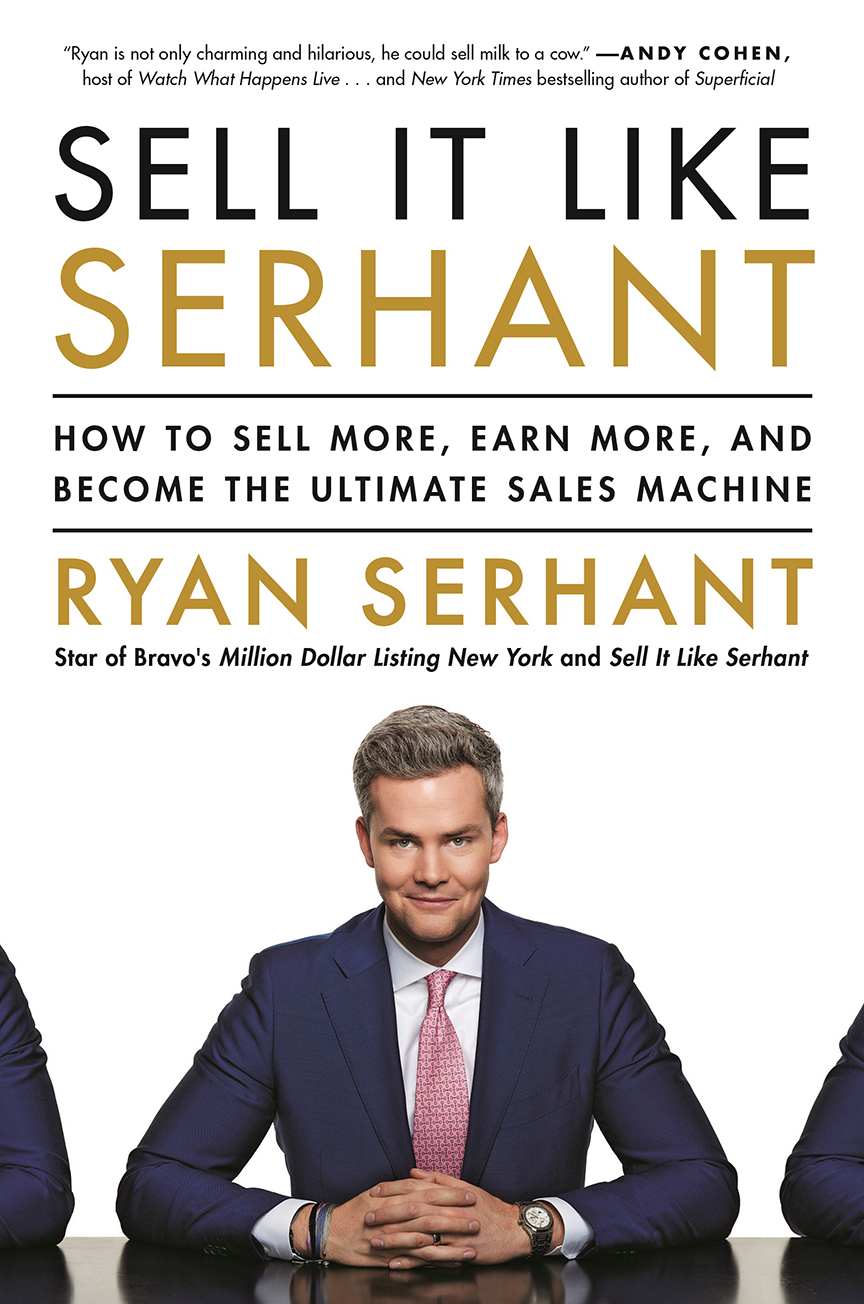


In his book, Serhant shares his journey from a small-town, shy theater kid constantly bullied throughout high school to a successful spokesperson for Chase, Zillow, and StreetEasy. Sections of the book include, Negotiating Like A BOSS, The Seven Stages of Grief Selling, Getting FKD: How to Be a Time Manager, Not a Time Stealer, Pulling the Indecisive Client Forward, and many more. Serhant shares the secrets behind how to close more deals than anyone else, expand your business, and keep clients coming back to you.
This book is the blueprint for becoming a sales machine through Serhant’s useful lessons, lively stories, and examples that illustrate how anyone can employ his principles to increase profits, maximize potential and achieve success. Sell It Like Serhant will give entrepreneurs and employees across industries a head-to-toe business overhaul.
Photos courtesy of BWR Public Relations
Appearing in UH Summer 2018, “Ten Years Later: Our year-long look at what’s changed in U.S. luxury real estate since the 2008 recession.”
Consumer sentiments toward owning and buying real estate continue to evolve, along with the definition of luxury.
By Camilla McLaughlin
Ten years ago, there were few signposts for the journey out of the recession. Real estate’s perfect storm got a lot worse in the summer and fall of 2008 as a combination of job losses, high energy costs, an ongoing tide of foreclosures, a pending presidential election and the near collapse of the credit markets rocked the economy. Many, but not all, upscale consumers put real estate plans on hold and shifted into a watch-and-wait mode. “Consumers’ confidence gets shaken, and the rich are not immune,” observes John Brian Losh, publisher of Luxuryrealestate.com and owner of Seattle brokerage Ewing & Clark.
Following that low point, luxury real estate embarked on a remarkable journey of recovery with luxury properties selling and prices escalating in many locations, boosted in part by the exponential growth of wealth worldwide. Just in the last year, the combined net worth of the world’s billionaires increased by 18 percent. Residential real estate remains a favored investment with prime property sales worldwide up by 11 percent in 2017.
Attitudes toward buying, selling and luxury overall have followed an equally transformative path. “The lesson from the recession is to buy smart. Impulse buying, overextending to get the home of your dreams, and buying without doing your homework have all gone the way of the fax machine,” says Jason Haber, a broker at Warburg Realty in Manhattan.
Value is most important. Greenwich saw two record sales in 2017, but only after list prices were reduced. In their luxury white paper, Christie’s International Real Estate reported strong sales “where buyers and sellers showed a willingness to adjust pricing expectation to new market realities.”
“Price was the name of the game,” said Michael Saunders of Michael Saunders & Company, noting that luxury homes in Sarasota sold in record numbers after homeowners adjusted prices.
Affluent individuals also have a new perspective on the investment potential of properties, locations for both primary and second homes, expectations regarding the agent’s role in the transaction and what constitutes luxury.
What Is Luxury?
Few other terms have been hyped more than the word “luxury” in recent years. Most industry experts would agree with Mike Leipart, managing partner of The Agency Development Group in Beverly Hills, who says, “It’s used so often that it’s become virtually meaningless.”
Even wealthy consumers struggle to find a suitable alternative phrase, yet they have a clear understanding of what luxury means today. “I think people can’t describe it, but when you walk into it, when you are standing in it, you respond to it,” says Craig Hogan, vice president of luxury, Coldwell Banker Real Estate. “People can tell quality; they can tell beautiful design. Service is critical.”
“Ten years ago, the luxury industry was able to dictate to consumers what luxury was and almost define it for them. We are not able to do that today,” explains Kevin Thompson, CMO of Sotheby’s International Realty Affiliates LLC. “Luxury is being viewed from an experiential perspective. People are choosing to live different ways and somehow have what they value. It is a very individual approach.”
“The meaning of luxury has changed a lot. I think luxury has become personal. It’s become a feeling. It’s become an emotional part of a real estate experience,” says Christina Huffstickler, owner of Engel & Völkers in Atlanta.
“You can’t pin it to price level or finish levels. It’s very complex. It’s very much what people are willing to pay extra for,” says Leipart using the example of how a desirable view — prized by today’s buyers — amps up a per square foot price. “I think the basic thing of luxury is that it is everything that has not been commodity priced,” he explains.
Value & Inventories
“By and large, people value home ownership,” shares Hogan. “I just keep watching this trend toward smaller and more wonderful. Just beautiful in every way. Great finishes, smart home technology, all the things you’d expect except beyond those expectations.”
“I think that people, wealthy people, have always found real estate to be an attractive investment. It’s an asset that usually appreciates that they can enjoy,” says Losh.
Coming out of recession, the Bay Area led the recovery, and the region continues to rack up amazing stats with May’s median sold price exceeding $3 million in both San Francisco and Silicon Valley, according to The Institute for Luxury Home Marketing. Inventories remain barebones with homes selling in weeks. In fact, the median time it takes for both attached and single-family homes to sell in Silicon Valley is about nine days. Here, as in many other upscale locations, the biggest issue is too few listings to satisfy demand.
“Even with interest rates rising because of the moves the Feds have been making the last 18 months, there is no slowdown in the appetite for wealthy consumers purchasing homes,” says Jim Walberg with Pacific Union, noting, he has never seen more all cash purchases in 35 years. “Buyers and sellers still view Bay Area real estate as a great place to put their resources. And, remember, these are wealthy people, so it’s not as if they are not diversified in many other investment categories.“ Many of these purchasers are looking at long-term ownership. The homes have a dual purpose: a fun community and place to raise their kids, and a home they plan to live in after their children are grown.
“The primary residence purchase remains largely emotionally driven based on finding the right property to suit the purchaser’s desire for location, space, finishes, et cetera,” rather than a cold calculation of investment dollars,” says Leslie Hirsch, an advisor with Engel & Völkers in New York City.
Second Homes & Investments
Second homes and resort properties are in demand. More than half of the world’s high- and ultra-high-net-worth individuals own two or more residences, and many sought out at least one luxury property acquisition in 2017 and 2018, say experts at Christie’s International Real Estate in their annual industry report.
Among the U.S. population with a net worth of $500 million and up, 2,700 own on average 10 or more homes each, shares Hogan.
“An interesting trend we have noticed is that more wealthy clientele are electing to purchase properties as investment pieces instead of purchasing a third or fourth home to use as a personal residence. Or in some cases they are using a single property as both a vacation home and income property,” shares Anthony Hitt, CEO of Engel & Völkers Americas.
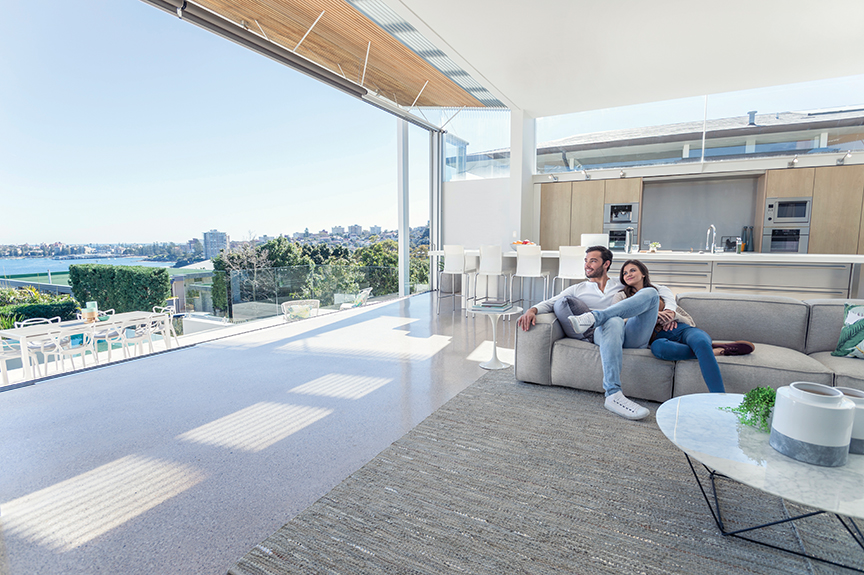
“Second, third and fourth homes are now being scrutinized more carefully to make sure there is an upside in the investment should the purchase decide to sell in the future,” says Hirsch. Investors are diversifying portfolios, she says, “choosing to buy property in several countries as a hedge against a drastic change in one country’s economy.”
Affluent consumers continue to be bullish on real estate, an attitude enhanced by recent volatility in equity markets. Losh believes security and safety are more important to consumers. “People are also looking for a safe harbor. They want to feel safe, and they want their investment to be secure,” he says.
What Buyers Want
Ten years ago, the luxury echeleon was defined as homes priced in the top 10 percent of any market, and that benchmark still stands. But for consumers, dollar signs do not necessarily determine luxury. “Money sometimes doesn’t even become part of the search parameters. They just want to find the right property,” and these buyers today are willing to take their time, says Katie Hauser, a broker associate with Baird & Warner in Winnetka, Illinois.
Like many agents today, Hauser sees several different buyer profiles in the market. Some, particularly empty nesters, “want to ditch their suburban house for something unique. They want value, but they want to find the right place,” she says.
“There is a search for the unique. The emerging luxury consumer isn’t interested in cookie-cutter anything. They want personal and outside the norm and are willing to pay more for that,” adds Thompson.
On the other hand, other upscale buyers want a platinum location and are extremely discerning regarding every facet of the property.
“Luxury buyers in Omaha want what they want, and if they cannot find it they build,” says Judy Smith with RE/MAX Real Estate Group in Omaha. High on wish lists are rooms large enough for grand pianos, buffets and sideboards. “They still love walk-out basements for entertaining and as a separate living area for family members extended visits. The view from the deck is always important.”
Millennials
Millennials are beginning to make their play in real estate. Because they delayed buying a home, many of their first purchases fall into the luxury niche, giving new meaning to “starter home.”
According to research from Luxury Portfolio International, most buyers seeking $1 million-plus homes are 25 to 49 years old and have inherited or plan to inherit significant wealth. This consumer has begun powering the $1 million-plus real estate market, more so than their older counterparts.
Millennials overall, says Lindsay Bacigalupo, an Engel & Völkers licensed partner in Minneapolis, “waited to buy and are now in their late 20s and early 30s. They are buying starter homes that are $400,000 to $1 million.
Millennials expected to be as transformative for real estate as the baby boomer cohort was. “Millennials are the next generation who are redefining luxury. Their attitudes toward homes are shaping what is publically seen as ‘good real estate,’ influencing what others look for in a home,” says John Dean, license partner with Engel & Völkers Vancouver. “Millennials are rejigging real estate wish lists, which differ from past generations. They place a big focus on the shared economies. They prioritize modern design. They see real estate differently than predecessors as big traditional homes are too expensive for them to afford, at least right now.”
“Bigger is a little yesterday,” says Hogan, who characterizes current preferences among all consumers as “smaller and finer.”
The drive for a safe harbor along with quality of life, changing demographics, government tax policies and technology are all reshaping the geography of luxury. Denver, Nashville and Atlanta are new luxury players. Victoria, British Columbia topped Christie’s annual report as the primary luxury market. Santa Fe was the hottest second home market; Sun Valley and the Bahamas were in the top five.
More consumers are also opting to make places such as Charleston, South Carolina; Austin or Orlando home. A number are also trading their primary home for a resort home in locations such as Jackson Hole or Bluffton, South Carolina, and many are doing so with kids in tow.
“The definition of luxury means something different to millennials than previous generations. As we know, they value the experience of material wealth. They may choose to settle in traditionally second-home markets to be close to the beach or mountains. They are not as tied to a specific geographic area as many have the option to work remotely,” explains Hitt.

Technology & the Agent’s Role
Probably nothing has changed more, as well as stayed the same, as the way homes are sold and how real estate agents work with buyers and sellers. “Technology has played a huge role in changing everything we do now as agents,” says Dean.
Buyers are more knowledgable; the mechanics of the transaction are more streamlined. Artificial intelligence and virtual reality are starting to kick off the next tech evolution.
The agent’s role continues to shift from provider of information to trusted advisor. “Today’s buyer comes armed with data, comps, neighborhood analysis, and newspaper articles. In some cases they know more about pricing than the listing agent,” says Haber.
What agents need to understand, Leipart says, is, “you don’t sell anything” to the wealthy. “If your approach is to get them to buy, you are going to strike out every time. The best you can hope for is to be a trusted advisor, and you can’t have that role if you are trying to sell.”
By Roger Grody
In Santa Barbara, the idyllic community that anchors the portion of the California coast known as the “American Riviera,” is Estancia, a development of 72 distinctive residences that celebrated its grand opening in July. Prominent local builder Franciscan Developments collaborated with Cearnal Collective, a premier Santa Barbara-based architectural and interior design firm, on the project, to present a modern interpretation of the coastal community’s quintessential Spanish Colonial architecture.
John Schuck, president of Franciscan Developments, reports, “The vision for Estancia was born out of a desire to take what is most loved and cherished about Santa Barbara and create a residential experience that takes full advantage of the city’s healthful and active lifestyle.” Emphasizing Estancia’s Old World charm, communal outdoor spaces and semi-custom interiors that showcase views of the Santa Ynez Mountains, the developer adds, “I’m very proud of this project.”
Inside Estancia’s residences, traditional aesthetics fade into clean-lined modern living environments. Ten-foot ceilings, solid 8-foot doors and open floor plans are designed for contemporary lifestyles, and expansive terraces create a true indoor-outdoor experience that capitalizes on Santa Barbara’s Mediterranean climate. High-end finishes are standard, and a Carrara marble option transforms bathrooms into luxury spas. Generous breezeways with mountain views give common areas a resort feel and private garages are provided. Two story townhomes feature two bedrooms and two full baths in floor plans of 1,495 to 1,539 square feet, with gourmet kitchens, fireplace-warmed living rooms, and an additional powder room in select residences.
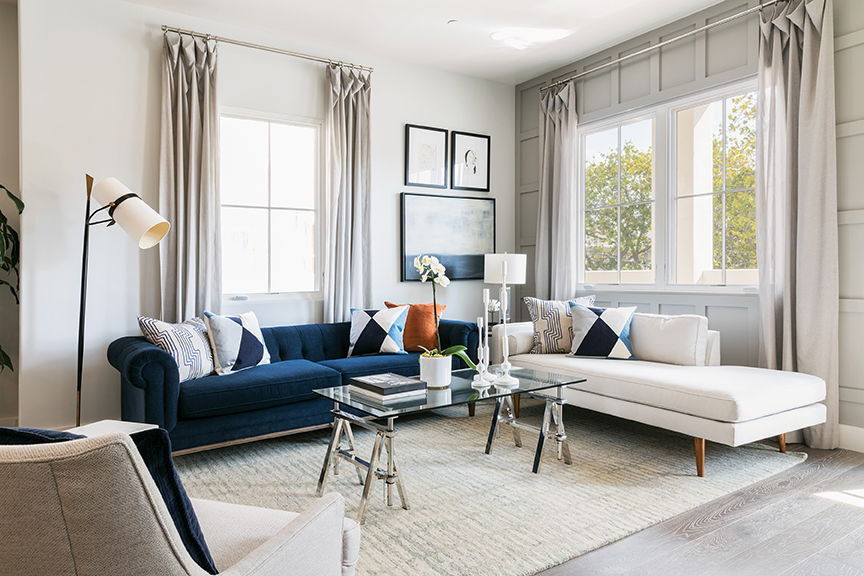
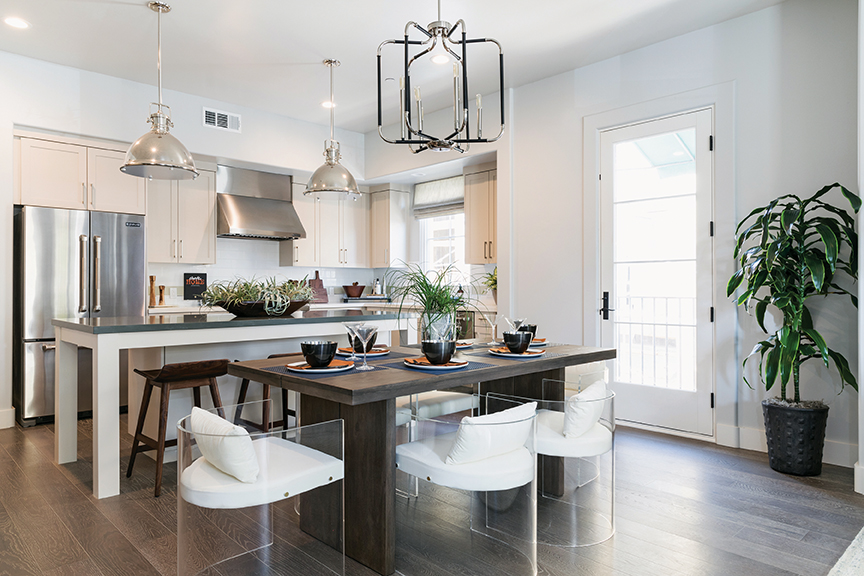
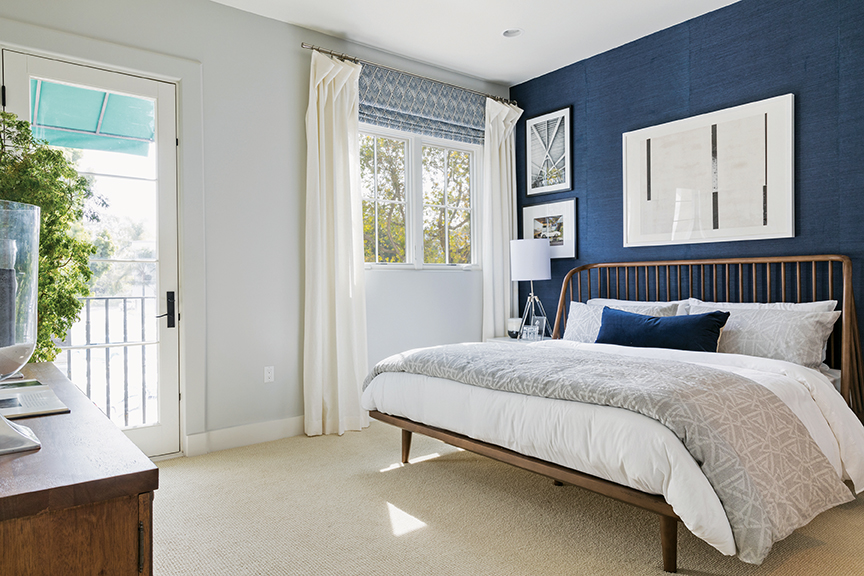
Three-story townhomes (1,923 to 2,063 square feet) provide those exceptional amenities with a second floor primarily dedicated to family life or entertaining. Representing a third option are convenient single-story residences, the first luxury flats to be constructed in Santa Barbara in 30 years. Ranging from 1,459 to 1,696 square feet — their high ceilings, abundant natural light and generous patio space make them live much larger — these units are popular with downsizing couples.
A lush landscaping concept provides a park-like setting for Estancia, with palm-lined European-inspired inlaid stone drives, flowering vines and open spaces that preserve views of the Santa Ynez Mountains. The excitement of Los Angeles is just 90 miles away yet a world apart.
Approximately 28 units of the two-phase project were completed at the end of June and complete buildout will occur in spring 2019. Prices start at $1.125 million for the single-story residences, $965,000 for the two-story townhomes and $1.125 million for the three-story townhomes. Estancia is represented by The Agency Development Group, headquartered in Beverly Hills
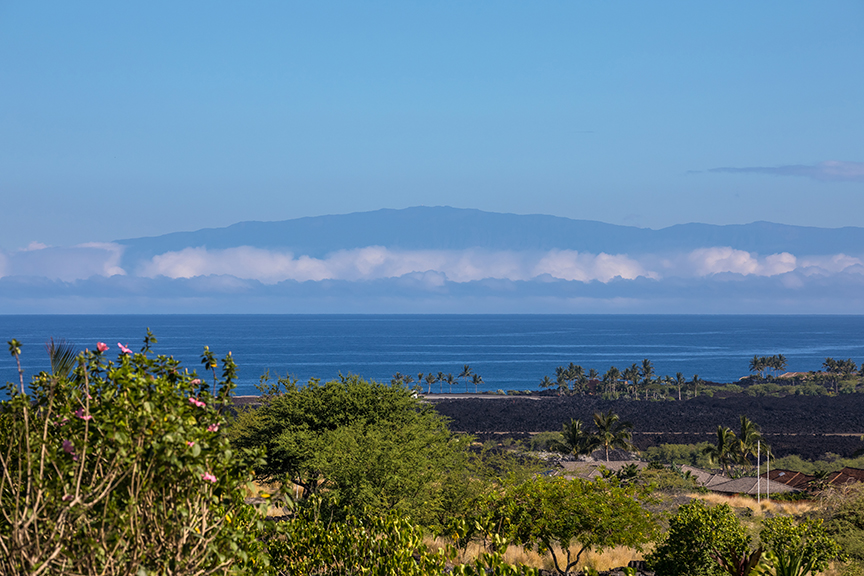
Hawaii is currently number one on the list of Best Luxury Destinations in the USA by U.S. News, and for good reason. The exotic greenery, breathtaking sights and pristine beaches are enough to sell any traveler on visiting. But, why visit when you can invest in a dream Hawaiian home?
For those itching to own their second home, considering the lush islands of Hawaii is ideal. There are many benefits of owning a vacation home in Hawaii’s tropical climate while still having the safety and security of U.S. laws.
Here is what potential home buyers should keep in mind when looking into purchasing a vacation home in Hawaii.
- Have ample time for due-diligence: When you purchase a home in Hawaii, state law provides buyers with 30 days to review all the purchase agreements and have their questions answered. This helps create a pressure/stress-free experience for buyers, many of whom are on vacation when they make the decision to call Hawaii their second home.
- Manage time zones: It can be a hassle to manage a second home in a different time zone. Consider having someone on the island who can monitor your assets for you and ensure everything is well taken care of while you are away, like security, bills, groceries, and air conditioning.
- Plan out furnishings: In Hawaii, homeowners sometimes face roadblocks when furnishing, due to lack of in-stock products and long shipping times. Many buyers take advantage of purchasing fully-furnished residences as a way to limit any inconvenience and own something that is move-in ready.
- Renting your home while you’re away: Many purchasers plan to rent their Hawaii homes when they are not currently living there, but it’s important to note that many areas in Hawaii have restrictions on rentals – only homes with Transient Vacation Rental Licenses within Visitor Destination Areas are legally allowed to operate vacation rentals
After being informed properly on how to logistically own a home in Hawaii, it’s time to look at properties. Here are three gorgeous options to consider.
Hualālai Resort
This oceanfront, residential resort community crosses 865-acres on the exclusive Kona-Kohala coast of the Hawaii Island. Real estate opportunities include custom homes, home sites and villas, all of which include the Hualālai Club Membership, which offers access to the award-winning Hualālai Sports Club & Hualālai Spa, the oceanfront Residents’ Beach House, access to all amenities at Four Seasons Hualālai Resort, including the beach and pools. Real estate prices range from $2 million to $30 million.


Montage Residences Kapalua Bay
Launching in July 2014 with 84 oceanfront luxury residences situated in the year-round community of Kapalua Resort, this residence is a lush natural paradise located on Maui’s spectacular western shore. Within the 1,650-acre community, each residence is a rare treasure, offering generous private lanais and expansive ocean views.
Kukui’ula
Kukui’ula is the first and only private club community on Kauai. The 1,010-acre residential community, located on Kaua’i’s southern coast in Po’ipū, is nestled between the National Tropical Botanical Garden and historic Old Koloa Town. Kukui’ula boasts custom ocean view home sites and luxury homes, villas, cottages and bungalow.

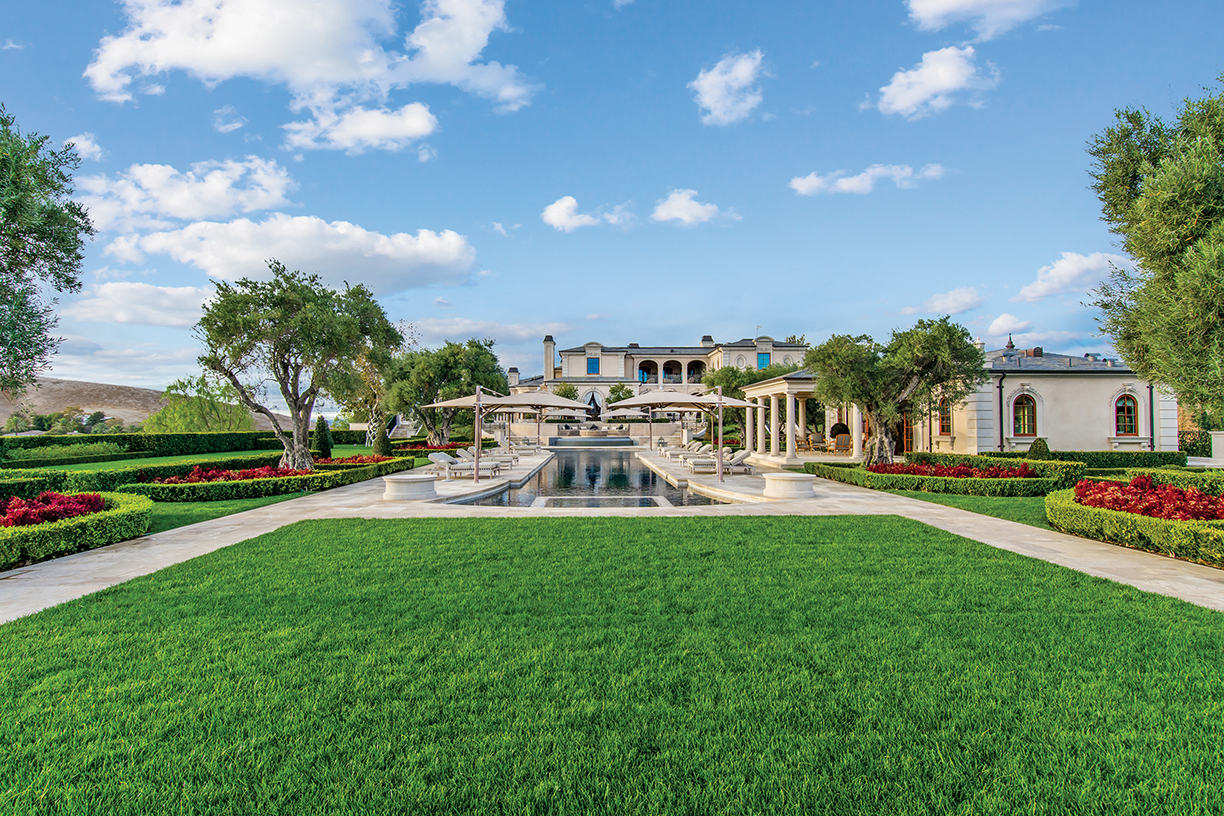
Few estates can be considered a work of art, but arrive at the property featured on our cover and you find it takes a moment to take it all in. Ducks paddle in front of an antique millhouse next to a quarter-acre pond. Vine-covered bridges and stone paths twine among four cascading ponds. The setting is as idyllic as Monet’s gardens that inspired the landscape.
No matter where you are on this property, you are surrounded by beauty, along with blue skies and rolling mountain panoramas that comprise 360-degree views. Finding an estate so meticulously orchestrated is rare; even the hues of the roofs merge into a larger palette.
Inspired by the French Romantic period, the main house was completely reimagined three years ago when additional parcels were also acquired to transform the entire property into an ultra-private, 33-acre compound. Every finish is exquisite, superbly paired with the setting and endowing each space with a vibrant but balanced aesthetic. Even the kitchen, designed to evoke a French bistro and backed by professional chef’s kitchen, reflects the design inspiration, as do the parterre gardens and formal landscaping.
“What is especially remarkable about this property is everything you might not notice initially,” says Jordan Cohen, estate director for RE/MAX Olson and Associates in Westlake Village, who is the No. 1 RE/MAX agent in the U.S. The interplay between buildings and the land is dynamic but subtle. Off to one side lies an organic farm and orchard. From the main house, gardens and one of the two pools stretch out toward distant views. A pool house becomes the setting for an extensive spa including a Himalayan salt room. A second pool is adjacent to the 11,000-square-foot guest house.
Privacy and infrastructure were prime objectives in the creation of this property. The guard-gated entry road is part of the property and completely secure. A sagacious purchase of water rights, almost priceless in California, resulted in two municipal-quality 1,000-foot wells on the property. When viewed from the perspective of art, the $85 million offering price might be considered a bargain for a masterpiece of this magnitude. — Camilla McLaughlin
Photo courtesy of RE/MAX
