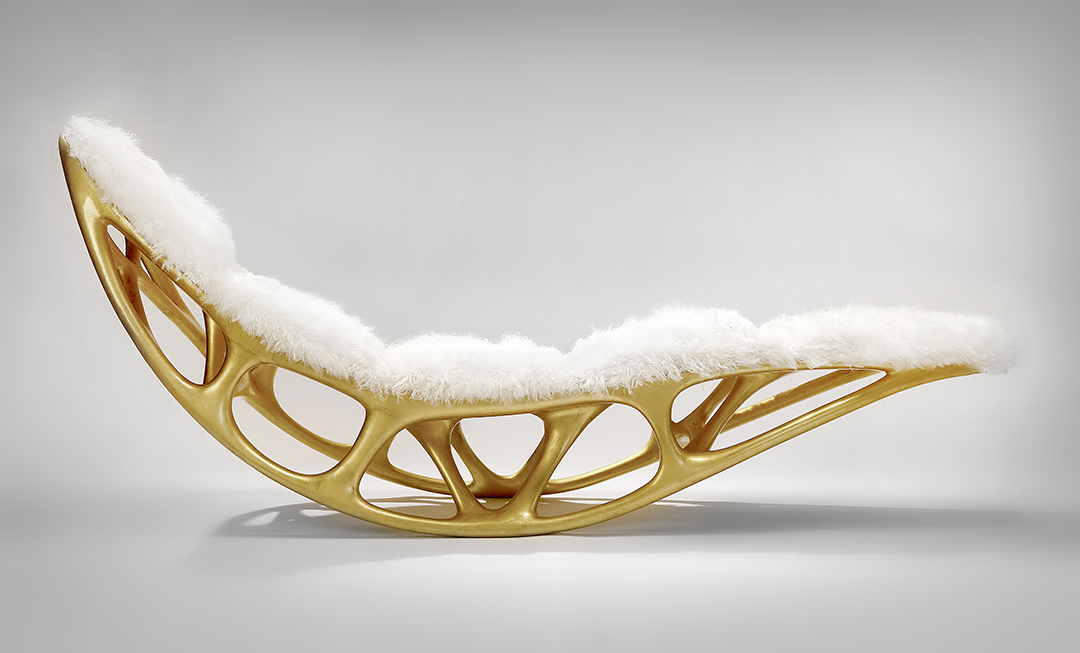
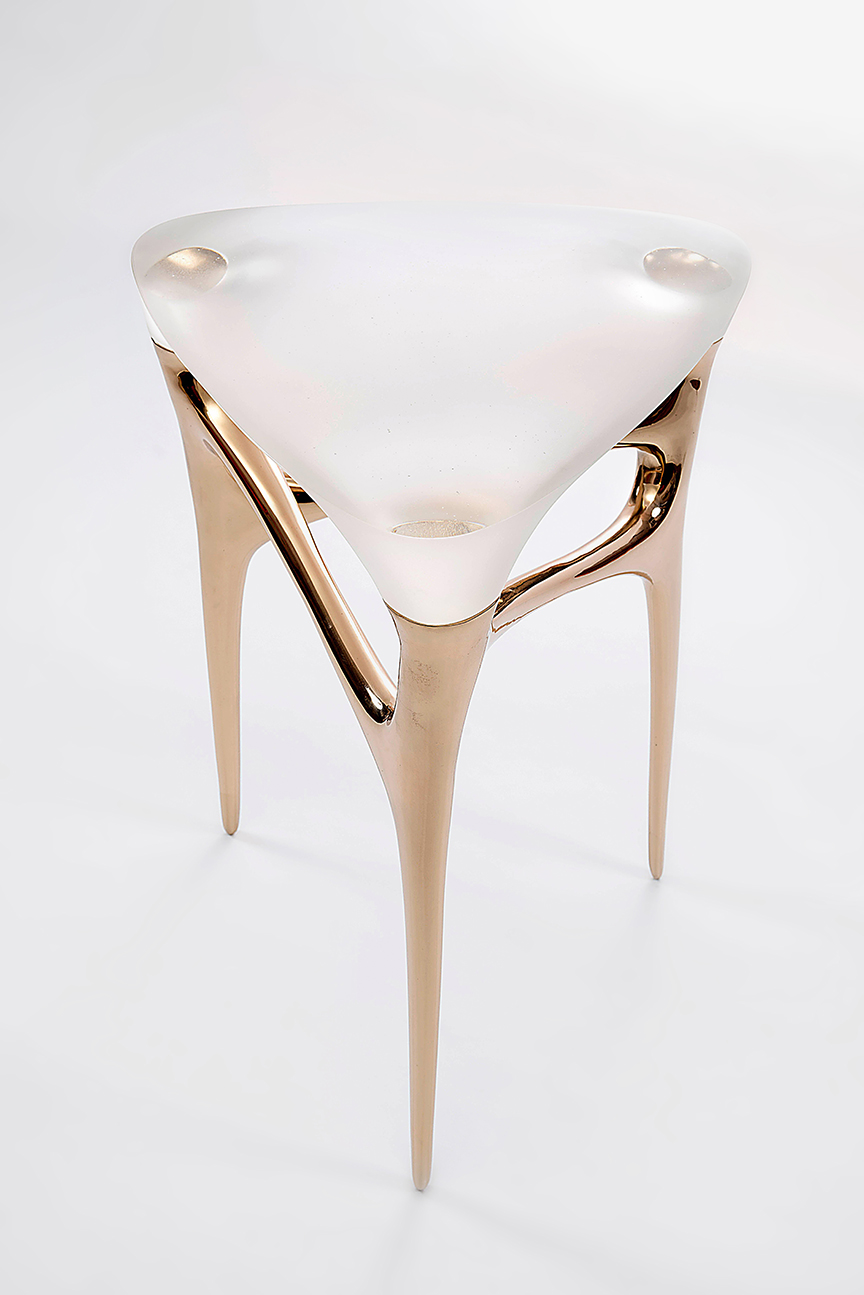
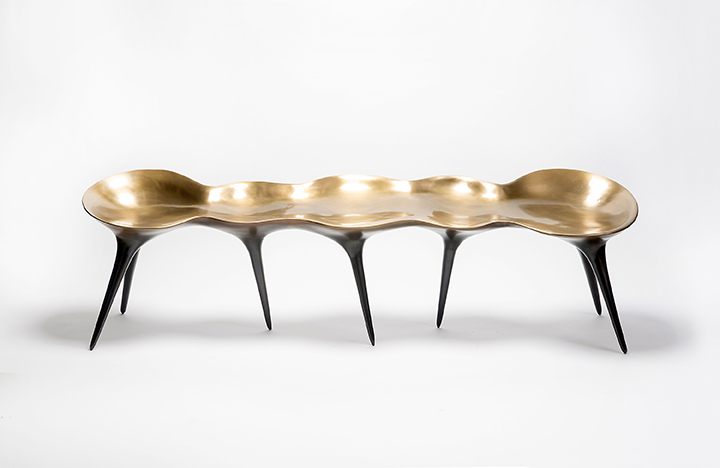
Being trained originally as an architect in Germany and London and having worked with one of the most iconic architects of the 20th century, Zaha Hadid, designer Timothy Schreiber reached what he calls “the center of the universe” in terms of digital design and technology very early on in his career. Though highly driven by today’s advancements in digital technology, Schreiber discusses how his designs are actually the outcome of a wide assortment of influences, even more traditional practices such as cabinet making and woodworking.
What about this particular version of design is most attractive to you, and to others?
I always like a new challenge and trying something completely new that nobody has done before and I hope others will also enjoy the freshness and new-craft aspect of my work.
Where would you draw inspiration from?
For me personally, I can draw inspiration from any beautiful moment.
When I walk through Kyoto I might have some great ideas by looking at the beautifully dressed locals and the amazing scenery and traditional architecture.
When I see the sunset behind the Diamond Head in Hawaii while swimming in the pacific I might have some new amazing ideas for colors, moods or shapes.
While I am walking up Montmartre in Paris some great eclectic ideas might come up while I stroll a secondhand market and see a broad mix of items from different eras like Beaux Arts, Art Deco or Art Nouveau.
How do you think the presence of digital tools/technology has changed design over the past few decades? How do you use these tools in your own work?
Whilst in the design department of Zaha Hadid, I realized that, although the latest digital design tools might be used there, without a fundamental understanding of traditional craft it’s actually extremely difficult to achieve perfection in object or furniture design. … I am hoping I can push the symbiosis of traditional and digital design and making process to the next level. However, the most important aspect of my work will always be the focus on traditional craft.
What do you think you try to achieve through your collection/these pieces, i.e. what is the goal when it comes to your work?
I am aiming to push the boundaries in terms of what is possible and in terms of what hasn’t been done before, whilst combining new and old crafts. I like to work in many different materials, metal, glass, wood, fur, etc.
Sometimes, during my travels I find interesting traditional crafts and technologies. For example while I was living in China I got introduced to traditional Chinese Glass casting. The projects that were done with this technology were mainly traditional glass statues and figurines… After a lengthy process of experiments and tests we were able to push the boundaries here and make a piece of cast glass furniture which was almost twice the size that any other object that was previously cast there.
What do you think are some key things to remember when outfitting a home?
God is in the details.
Does your mind focus on a specific space in a home or space when you design, or on something else?
I was trained in multiple disciplines, cabinet making, architecture and interior design. My first 3 years in architecture college I spent at Bauhaus University in Germany. … I like to always focus on all spaces and all aspects of the design, from concept to detail, and I equally enjoy dealing with all spaces and aspects of the current job.
All photos by KeneK Photography, courtesy of Wexler Gallery.
Mid-Century Mountain — Barclay Butera Interiors is touting a new and exciting genre of style that perfectly suits Colorado’s Snowmass Base Village.
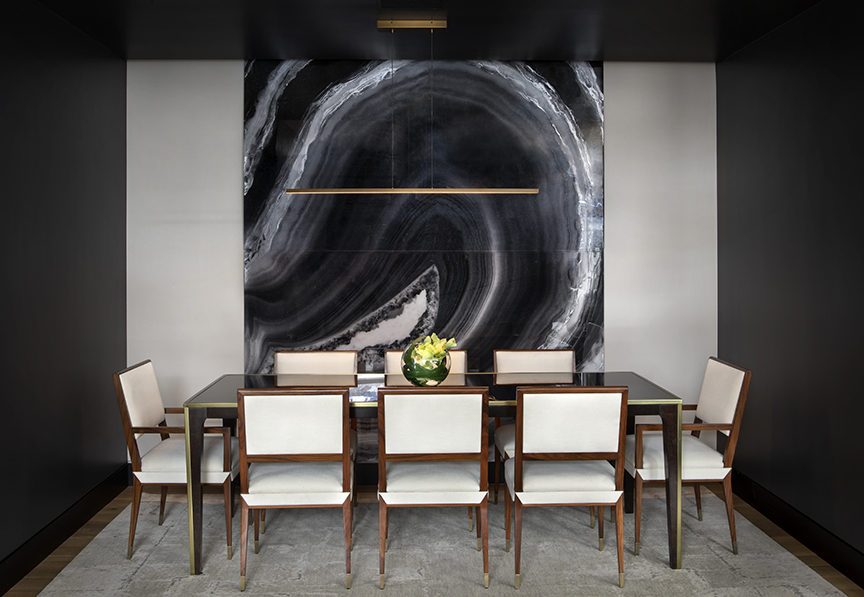
“This model residence lives like a cozy mountain chalet with a touch of the Barclay Butera signature glam,” said Mario Ferreira of Barclay Butera Interiors. Set against the backdrop of Snowmass, with its ski slopes and stunning nature, the newly discovered style is bound to attract attention. “These model residences are a study in contrasts, providing a canvas that inspires our homeowners and highlights the possibilities for making the residence their own,” added John Calhoun, the vice president of sales and marketing for East West Partners.
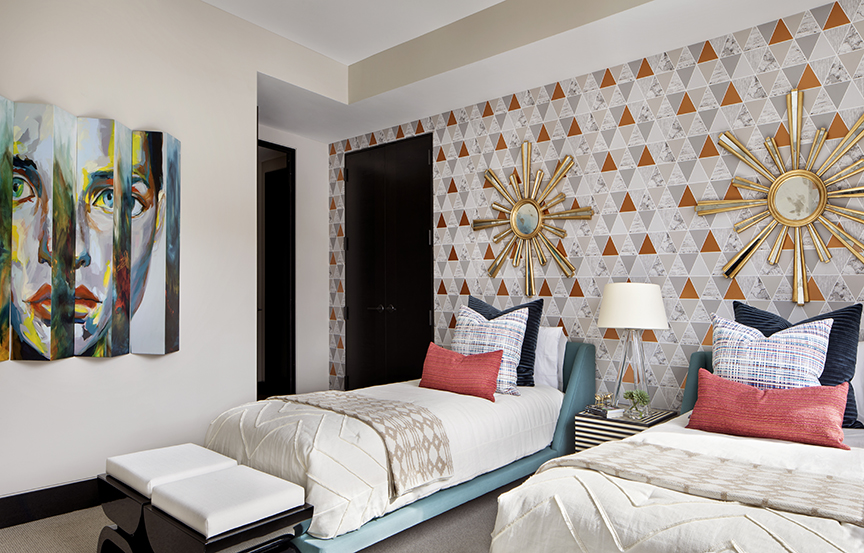
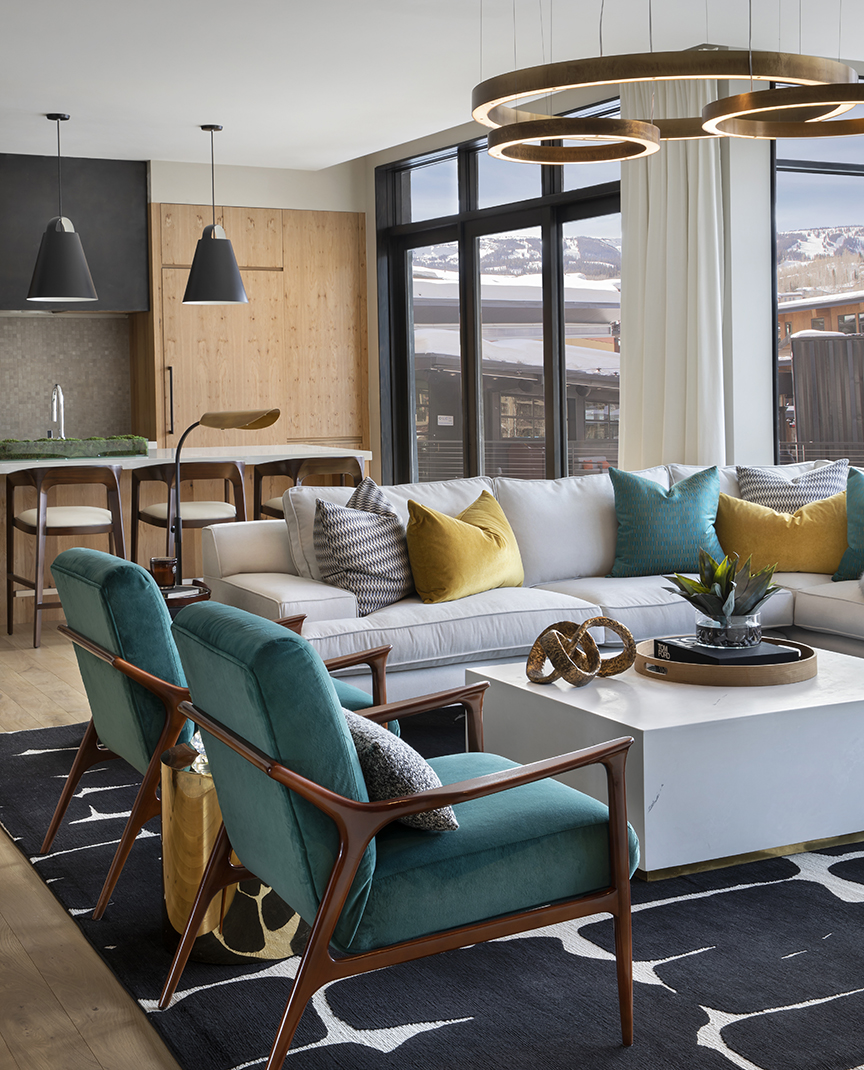
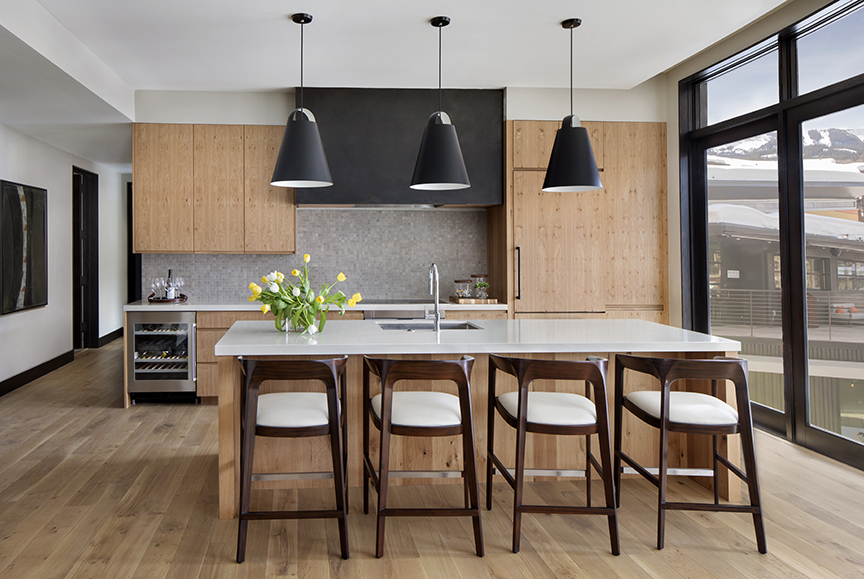
— Greenery showcased in a clear, glass vase is a simple addition that makes all the difference in a room.
— Various wooden surfaces are a smart way to mix textures and colors without feeling disconnected.
— A mix of softer colors and muted tones create a very nature-like, calm atmosphere.
— Subtle pops of color mimic the small splashes of color that are also found among the mountains.
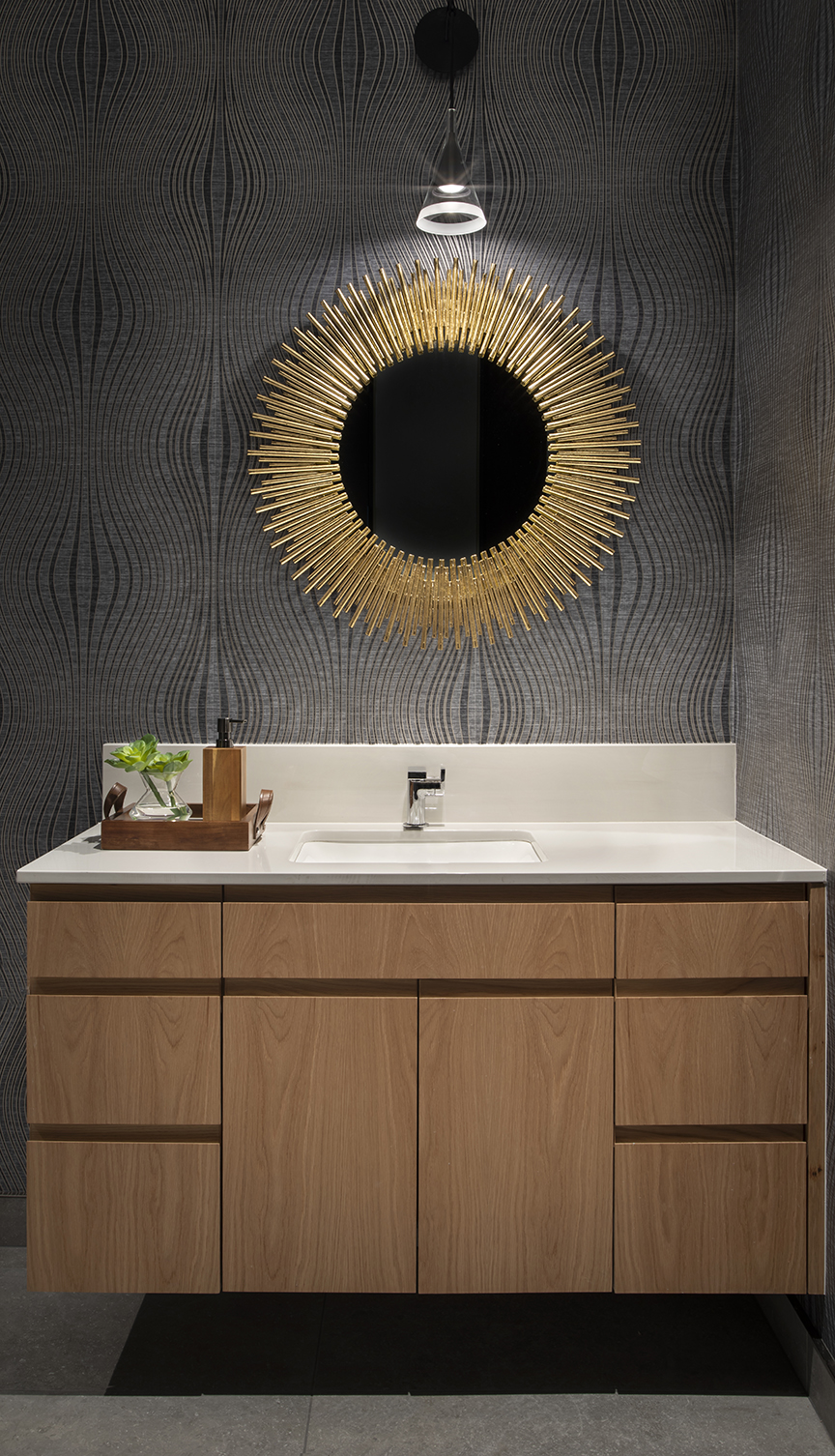
Photos by Gibeon Photography
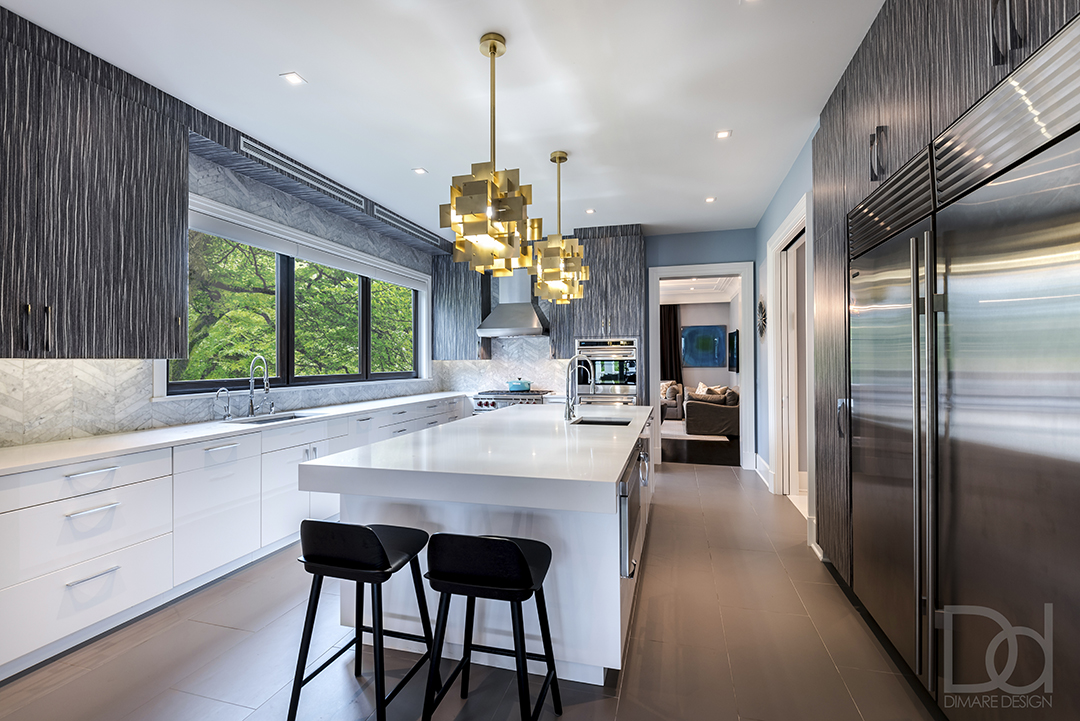
“The place we live in can and should do three things: reflect who we are, bring out the best in us, and contribute to a better world.”
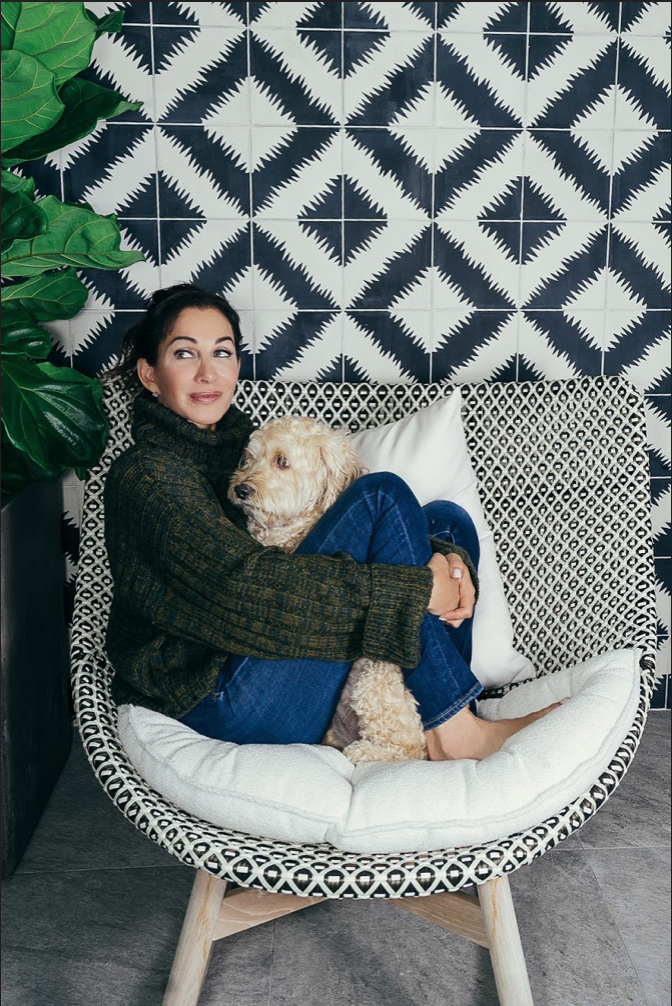
This mantra is the basic, driving principle behind the work of interior designer Deborah DiMare, founder of DiMare Design in Miami as well as VeganDesign.org, two businesses that strive to create a healthier world and save animals. We spoke with Deborah DiMare who discussed everything from her passion for vegan interior design, her daily inspiration, and her new book titled “Vegan Interiors.”
What image comes to mind when you think of vegan design?
I imagine ultra luxury such as a beautifully made crisp white bed or a fabulous living room with beautiful sumptuous fabrics. The feeling of any vegan space should always emit good health, comfort, happiness and an overall “feel good” environment, a space you never want to leave. Vegan design focuses on optimal health and well being.
How did you come to be a designer, what led you to this career?
How I became a vegan designer was initially from the love of animals that my family and I share. Animals are a very important part of our lives. We also do our best to maintain a healthy, optimal lifestyle. We are very active and love nature. When I discovered the term “dog leather,” it was a pivotal moment for me personally and professionally. … It changed me, It had a deep effect on me. How could I continue to be such a hypocrite? … I did a 360 in my business and refused to continue designing spaces with products originating from animals.
Vegan design is not just about saving animals. It’s about putting an end to the inhumane treatment of desperate people forced to work in dangerous, deplorable conditions. It’s about saving the planet. It’s about healthy design and well-being. Animal based textiles and materials such as leather, wool, silk, fur, down and treated woods etc. are laden with poisons and toxins that penetrate our skin. Thankfully, today, consumers are demanding compassionate, healthier alternatives in a majority of industries.
What do you think are some key things to remember when outfitting a home with vegan design stylings?
Use as many natural materials as possible — cork, linens, bamboos and blends. Keep it clean and as low on toxicity as you can.
Where would you draw inspiration from when outfitting a home in this style?
Everywhere, everyone and everything. I travel a lot with my family and I soak up the architecture and materials I see in other countries. I get inspired by the color of the ocean on a gray day or the way a woman’s red lipstick looks against her skin, or even the blue spot on my dog’s eye. Everyday life inspires me. But, most importantly, getting in tune with my clients is my true inspiration. … Starting new projects is like detective work. I have to uncover a client’s true needs and taste. It’s so much fun.
Tell us about your book and what readers can expect from reading it?
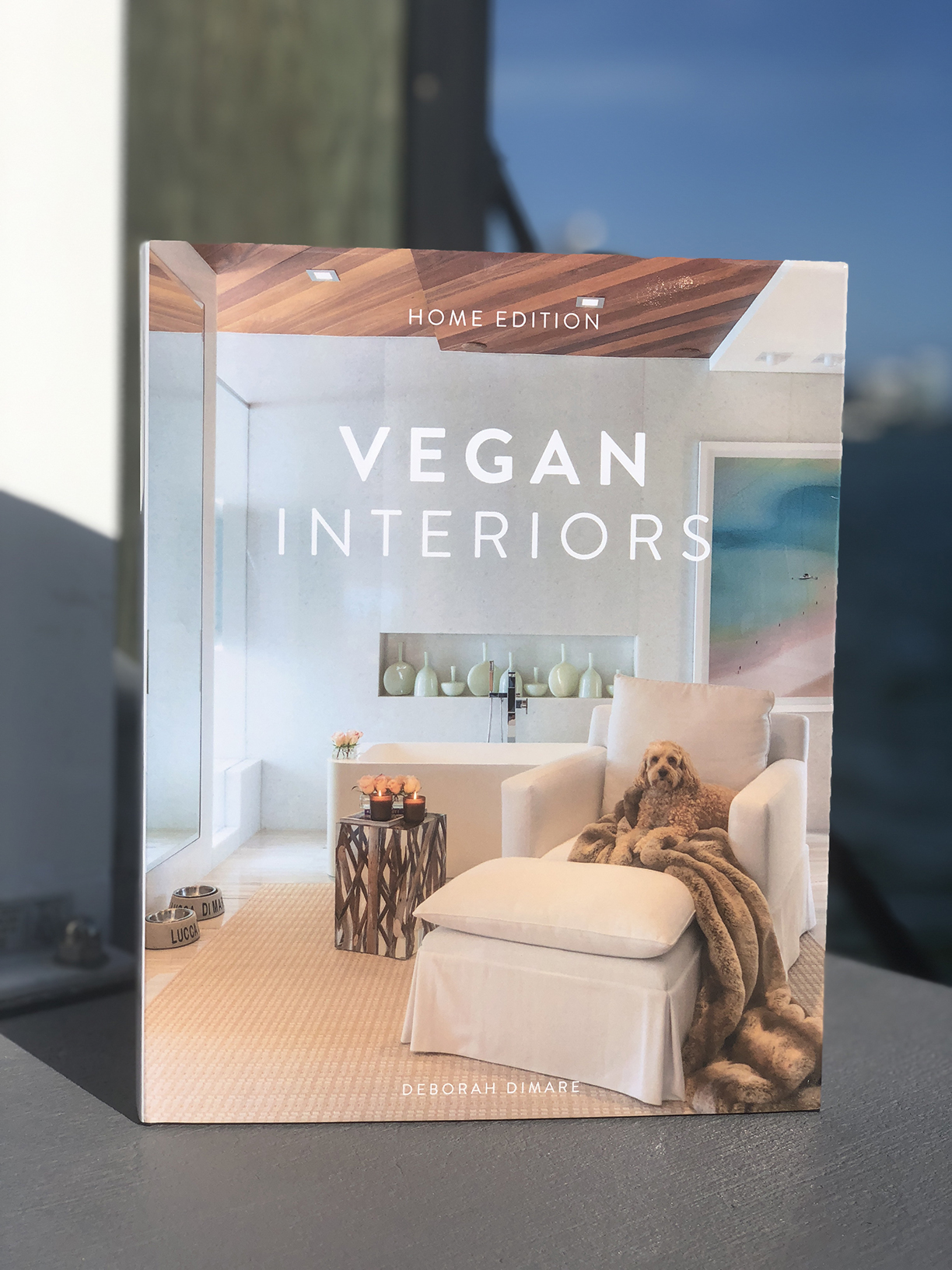
“Vegan Interiors — Home Edition” is a first of a series of books that focuses on the beauty of humane design. The book is filled with stunning images portraying compassionate design as luxurious and healthier for everyone from newborns to seniors and simple to embrace. It provides facts about how many animals, workers, trees, etc. are saved in each vegan room or piece of furniture. There are pages dedicated to the future of textiles. “Growing materials” are fabrics made out of fruits and trees that will be readily available to consumers soon enough. “Vegan Interiors — Home Edition” is a beautiful way to show others through demonstration and education that no living thing, including humans, animals and the planet need sacrificing for beautiful interiors.
All images courtesy VeganDesign.org
A journey of an entire year must begin with a single step, and there’s a whole new exclusive crop of design trends to consider for 2019. For design company Boca do Lobo, a key note to keeping up with the upcoming 2019 interior styles is to believe that a room should never allow the eye to settle into one place, and to stay true to one’s unique taste. Something that is charming is never out of style.
For those with wanderlust and an earthy spirit, Boca do Lobo claims that 2019 is the year to express it. A pop of color has more personality than any neutral ever could, and there’s no limit to the number of routes that can be taken with vibrant tones and disarming styles. A sense of vitality and renewal, these are the several key aspects of the 2019’s upcoming trends.
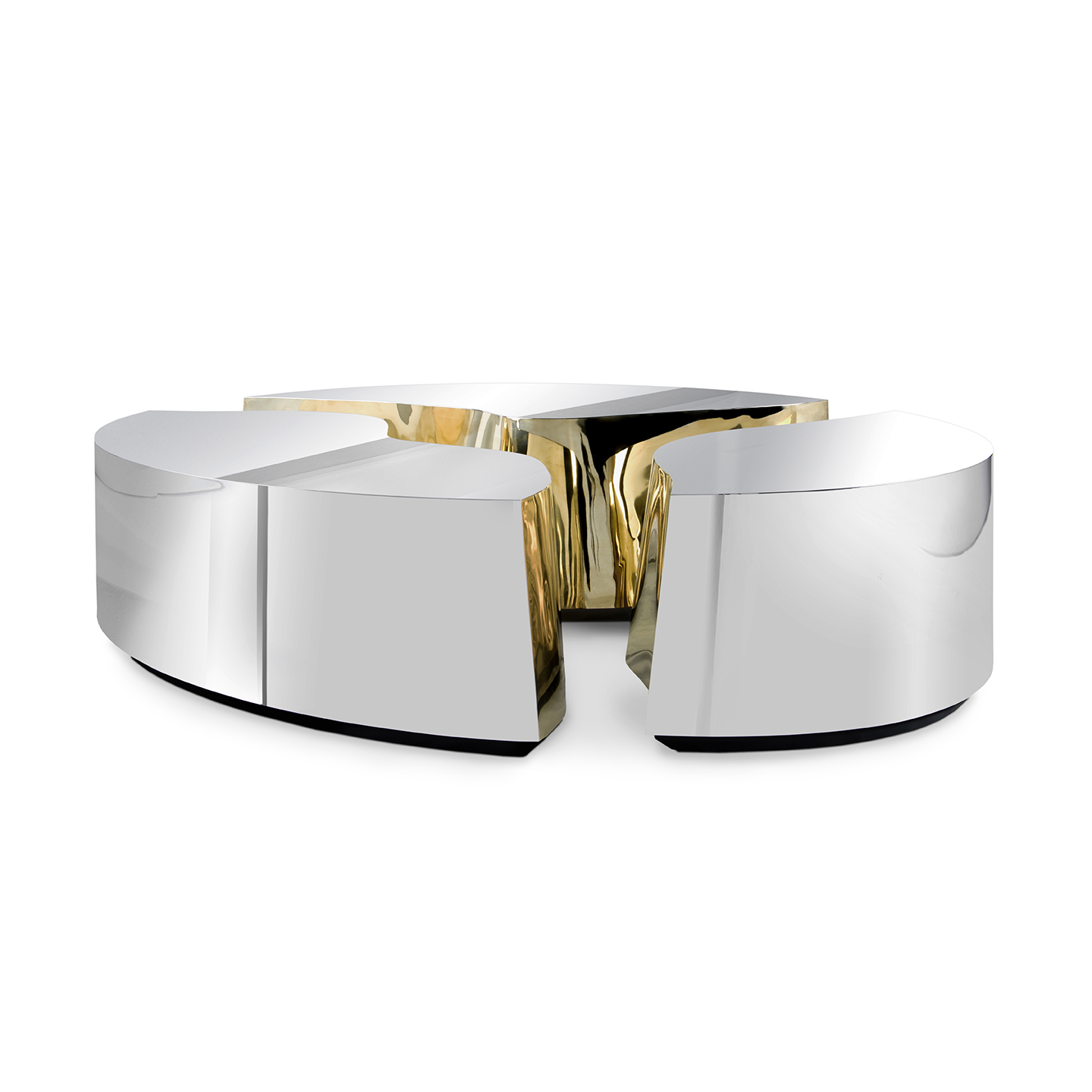
MIXING METALS
Rich metallic over sleek lines bring somewhat of a daring attitude to design. From chic silver, opulent golds and warm bronzes, the anodized surfaces are having its moment now, adding a dramatic flair to surroundings. Chrome arrives with 2019’s standout colors that embody the warmer spectrum of the color wheel.
GOLD ACCENT
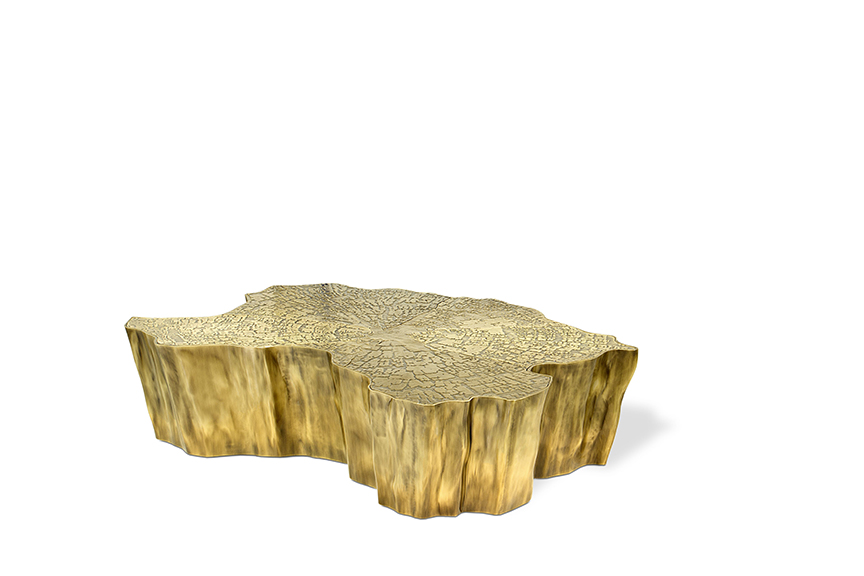
Glistening gold never goes out of style, and this year it is used on the most on-trend furnishings and accessories, giving a sense of opulence and refinement. Clever use of gold finishes draws attention to the beauty of material and its highly reflective qualities that sparkle in the light. Exquisite gold interiors are designed to show off such rich details.
ROUNDED SHAPES
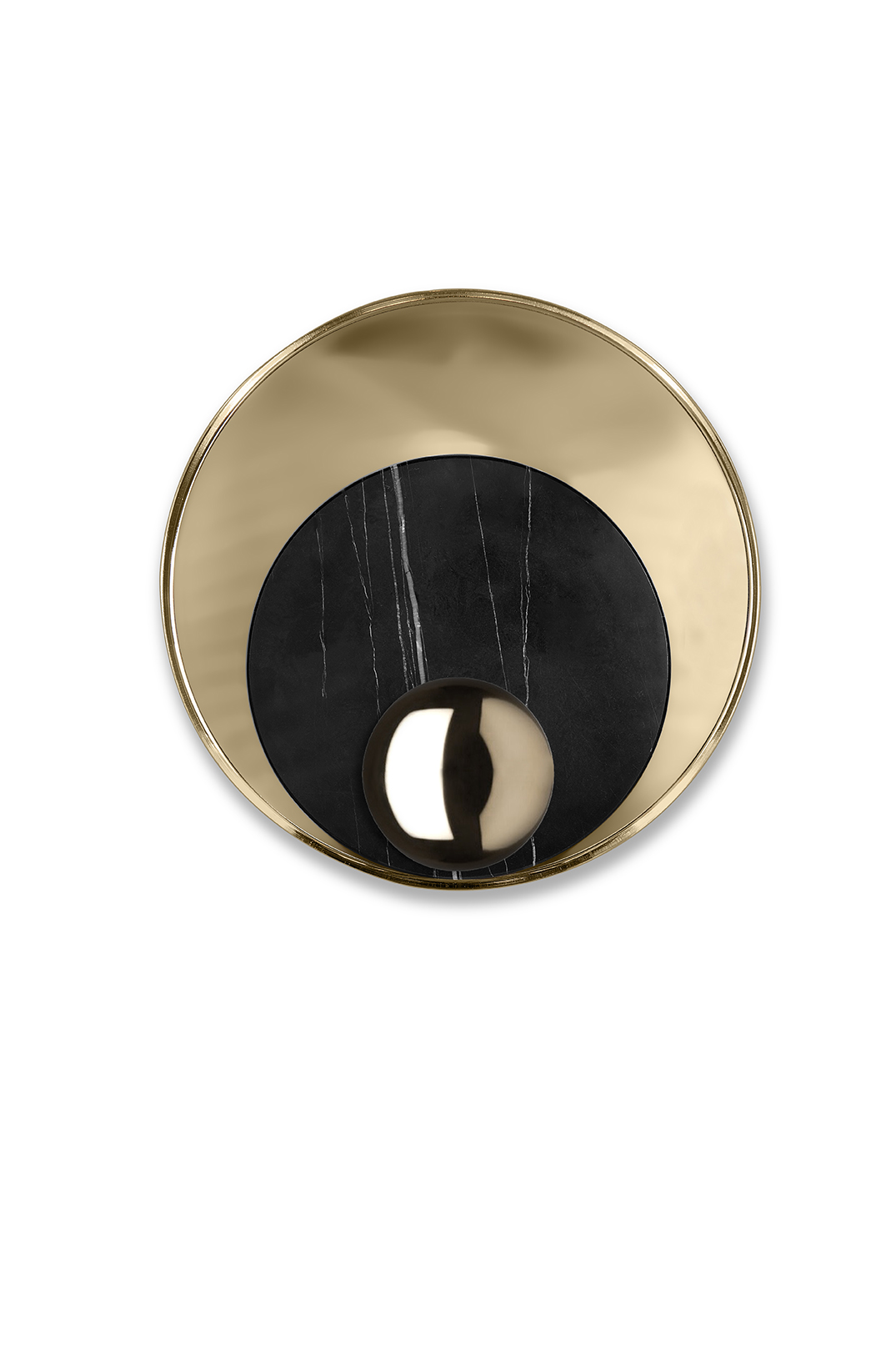
Popular in the ’60s, curved soft furnishings have now taken on interiors with a playful character. From seating to lighting, combining organic forms gives a contemporary atmosphere to the most elegant rooms. Faithful to nature’s movements and the futurist appeal, rounded shapes are one of the most intriguing and covetable 2019 interior design trends.
ANTIQUE & VINTAGE FURNITURE
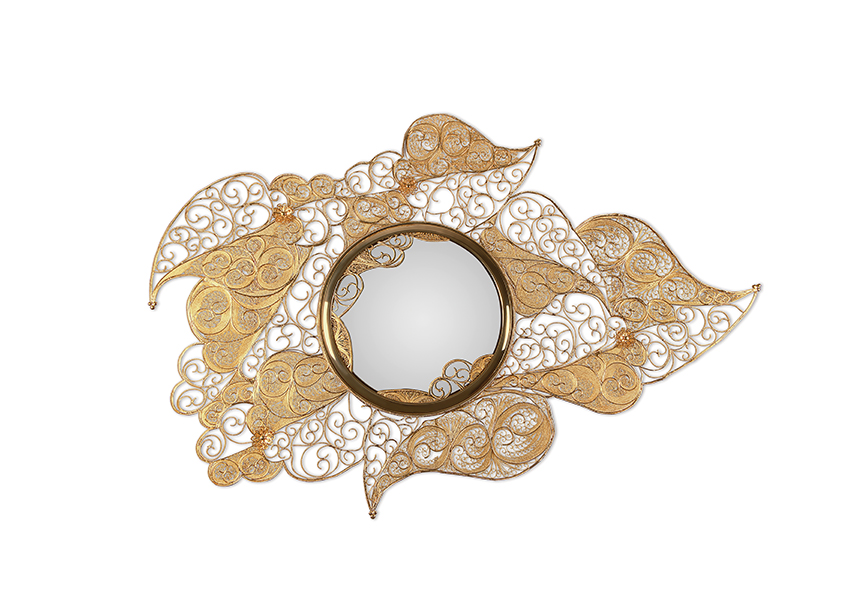
Antiques have always held a value of their own but now they have found a new design role. From fascinating ancient times, distinct design pieces have re-emerged in a creative way to add a timeless touch. Designers have started to combine vintage furniture pieces with modern products and the result is unique interiors.
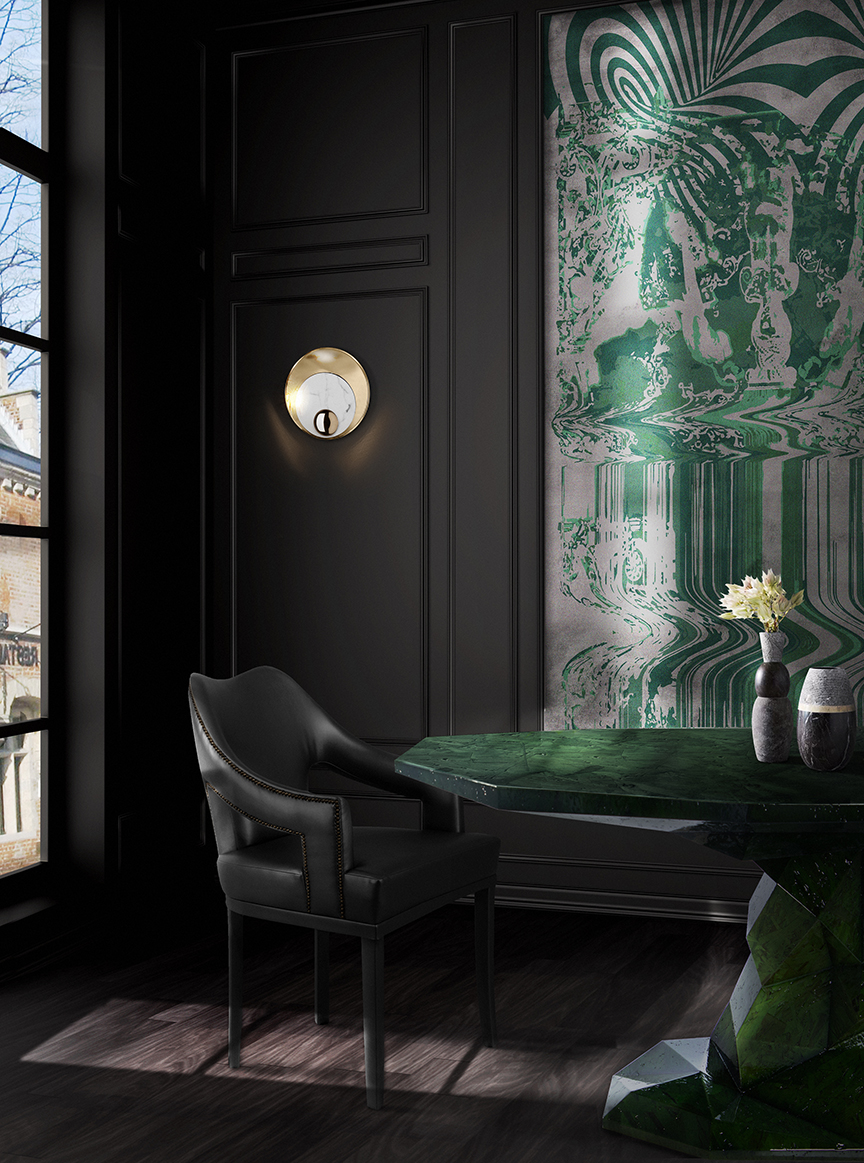
BLACK INTERIORS
To meet design lovers’ sudden demand for sophisticated ambiances, entire collections with black finishes are appearing in the market. With the emerging refined techniques, a certain lack of pretension lies within the functional design and emphasizes solid feeling along with cutting-edge style. Expect to see to seem monochromatic interiors dominating in 2019.
All photos courtesy Boca do Lobo.
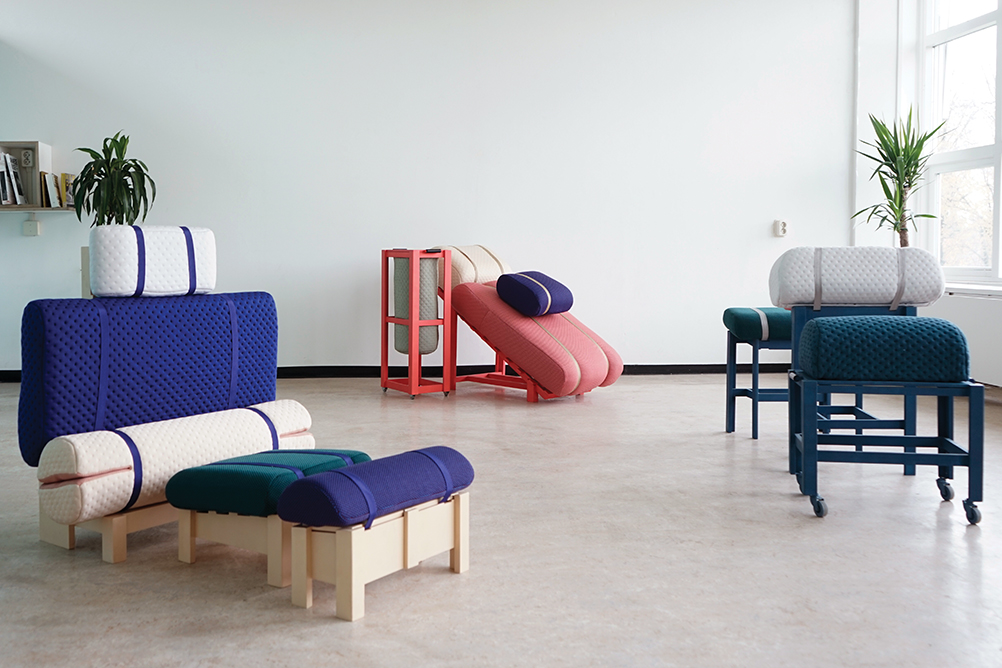
How people can become more productive and creative when working from the comfort of their bed.
For Geoffrey Pascal, furniture design was one aspect of design that came naturally with a sense of joy and fulfillment. It allowed him to delve into his creative side and construct playful pieces that served a purpose.
For his latest project, called Grafeiophobia, Pascal wanted to create new experiences within the office environment by improving the modularity and comfort of furniture.
Each of these pieces offer a different position to support different postures, removing the need for a desk. And though grafeiophobia technically means “a fear of desks,” these pieces are in fact inspired by Pascal’s own struggles with productivity and how typical office spaces aren’t as welcoming. “My inspiration came from my own problems with working, I was feeling as if I was forced to work, and I decided to change that,” he says. In turn, these pieces demonstrate how people can become more productive and creative when working from the comfort of their bed.
The project is composed of three pieces of furniture: Basic Besk, Triclinium Gum and the Flying Man. Their design, according to Pascal, was thought out to support what NASA researchers have found to be the “Neutral Body Posture,” as in the posture the human body naturally assume in microgravity.What helps make these pieces stand out, aside from the unique design, is the dynamism each piece evokes, as well as the colors that give a youthful, almost playful character.
In contrast to a classic chair and desk, the design of the Grafeiophobia furniture is meant to distribute a worker’s body weight across multiple support points, making it less stressful on the lower back, arms and shoulders. The variety and modularity of the furniture also allows you to change postures in order to maintain focus and reduce boredom.
“There are different ways of working, and people have different needs,” Pascal says, further noting that Grafeiophobia breaks the norm of office furniture and “opens people’s minds to what it is to work.”
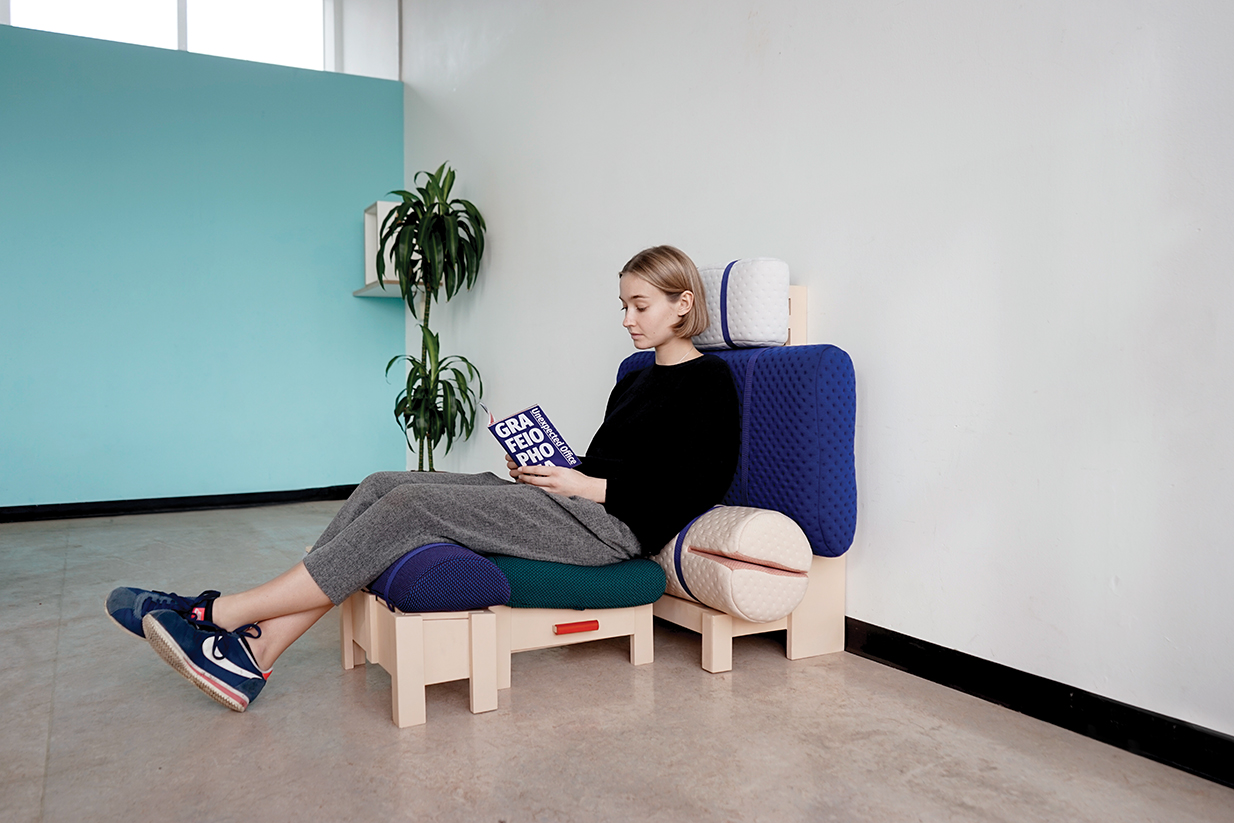
Basic Besk
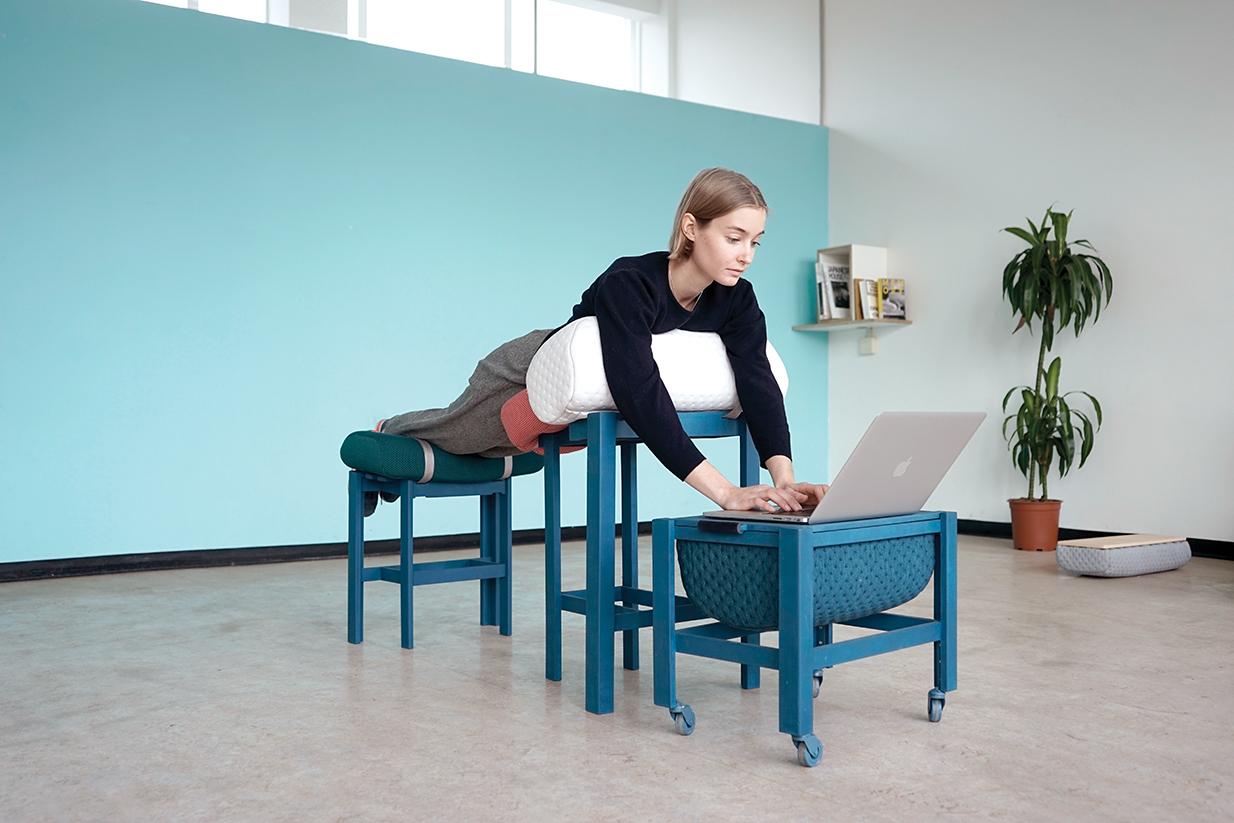
Flying Man
All photos courtesy Geoffrey Pascal.
Gather around the fireplace and embrace the comfort of warmth and fresh designs with these fireplace trends.
The fireplace is so much more than an accent today. A crackling fire has become a central point of design in some rooms, a conversation starter, and a gathering place within the home. Transform your home with these stylish and modern trends.
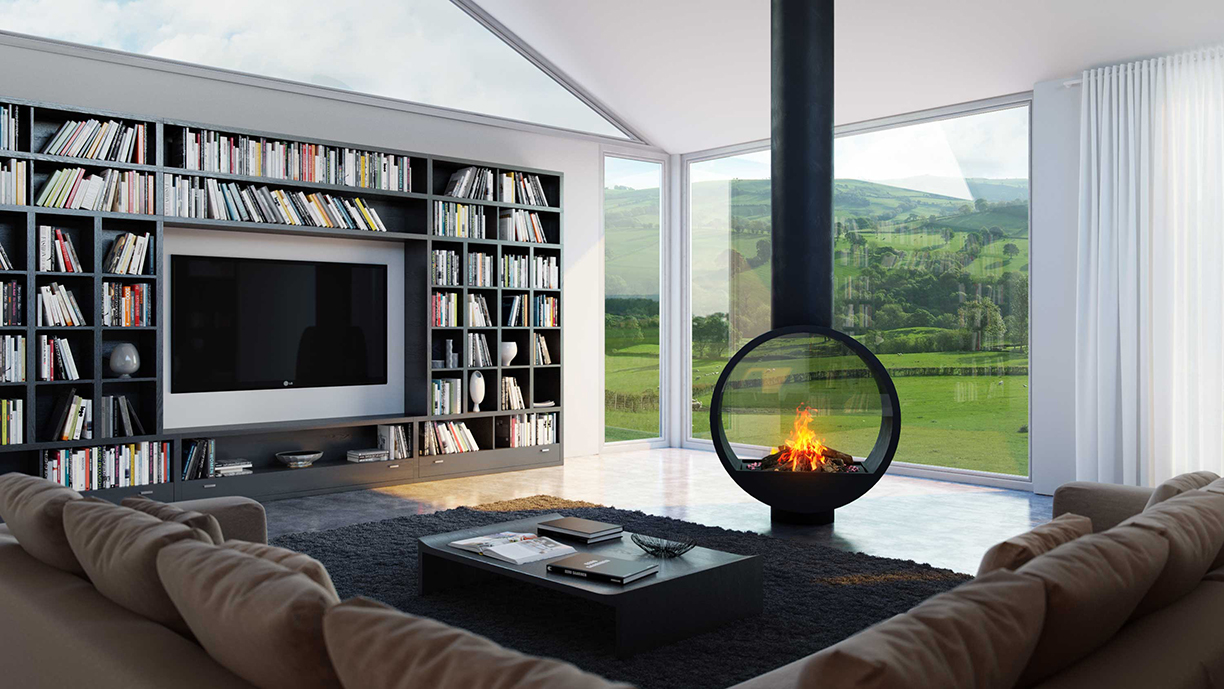
Don’t Be a Square
There are endless opportunities for creativity when it comes to fireplaces. The time for traditional fireplaces that are built of bricks and right angles is officially over. Embrace the variety of shapes to choose from, including round fireplaces. This stunning circular fireplace is eye-catching and adds to the warm and inviting atmosphere. The placement, color, and overall style produces an unforgettable element in this space.
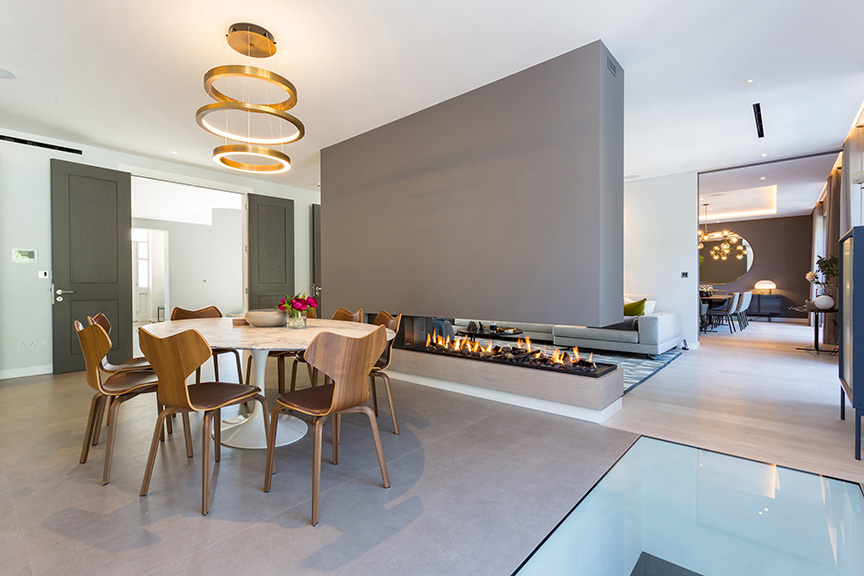
Divide Your Space
A dividing wall or partial wall is the perfect place for a fireplace. Adding a component like this simultaneously separates the rooms and brings it together. The coziness of the fireplace easily spreads to both areas. This trend is also the answer for those struggling to spice up an otherwise bland dividing wall. Avoid overwhelming the space by keeping the fireplace low to the ground and subtle.
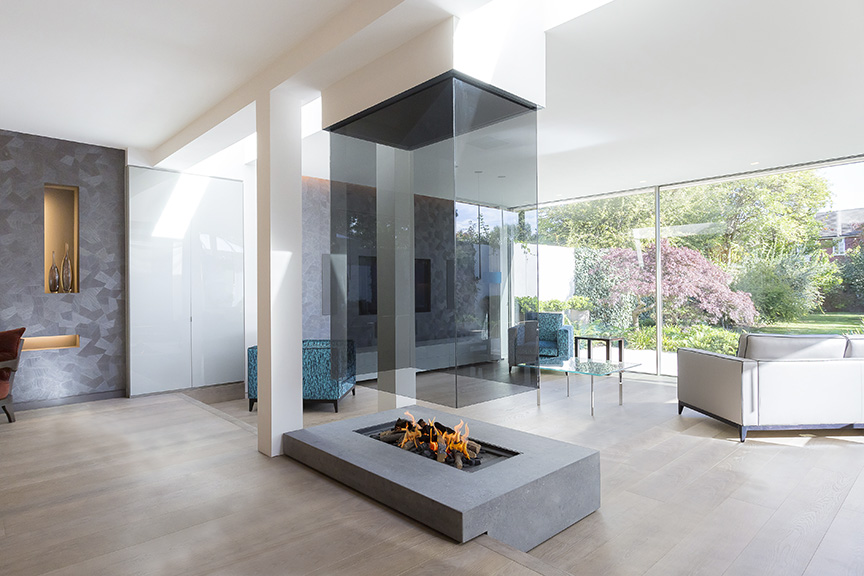
Make it a Focal Point
A fireplace doesn’t have to blend in to be functional and beautiful. Whether guests are settling down for a movie night or assembling with some wine and good conversation, it is increasingly popular to make your fireplace the central point in a room. This type of fireplace will not only attract guests but is bound to start a conversation. Is there anything more relaxing than an afternoon around the fire? Don’t be afraid to make your fireplace really stand out!
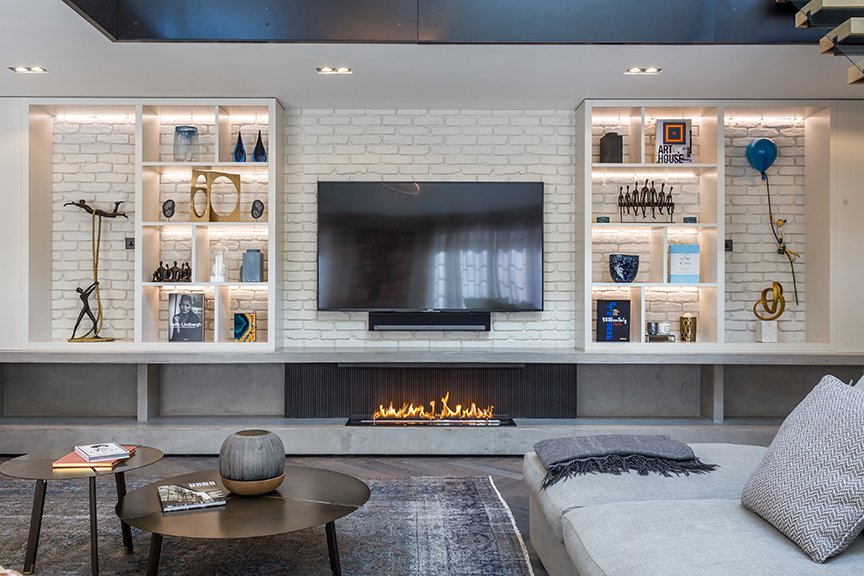
A Subtle Spark
If your fireplace isn’t a large part of your space for most of the year, then a subtle addition can be as equally appealing. A smaller element that is close to the ground could be the perfect touch of warmth that you’re craving. This design is grand without overpowering the space.
Visit https://modusfireplaces.com/ for more of their luxury fireplace collection!
Photos courtesy of Modus Fireplaces
Elements of city life are slowly making their way into the rustic aesthetics of countryside homes. The modern farmhouse is no stranger to industrial-inspired pieces, which offer a similar back-to-basics look to their brightly colored, agrarian-inspired counterparts. While maintaining the informality and simplicity of classic farmhouse design, an emphasis on industrial furniture and decor adds an unexpected layer of sophistication to rural interiors.
Urban-inspired pieces do not clash with typical farmhouse decor as some may fear. Both industrial and classic country looks share an affinity for woods as the star for nearly every piece of furniture and neat, yet unpolished metals that complement the natural wood. Bringing industrial pieces into the modern farmhouse blends two seemingly opposite aesthetics into a synergistic, chic design.
Here are three industrial-inspired pieces that fit seamlessly into any farmhouse.
Kohler Farmstead Kitchen Sink
$3,150
This 45-inch long sink can be installed wall-mount with legs or top-mount with custom cabinetry. Made from Kohler Enameled Cast Iron, this durable sink is generously proportioned to accommodate large cooking ware. Included in the list price are seven accessories, including a walnut cutting board, a utility rack with a soaking cup and a towel bar.
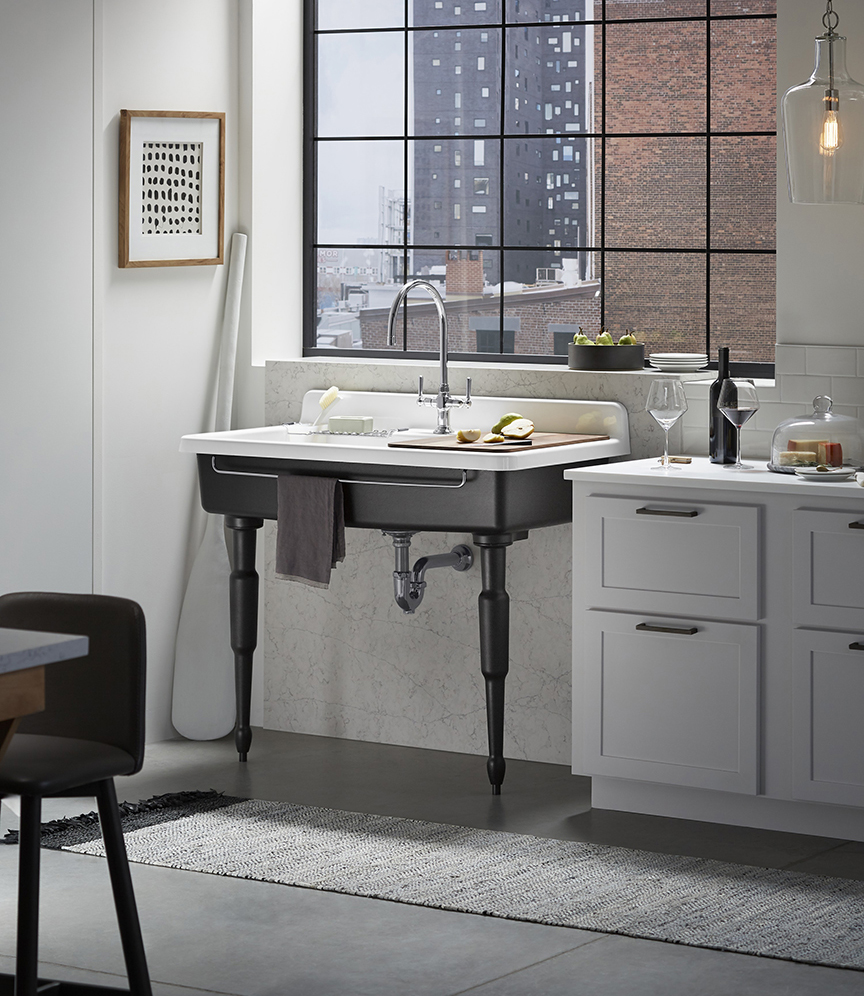
Photo courtesy of Kohler.
Industrial Farmhouse Wavy Glass Island Chandelier by Shades of Light
$799
Perfect to hang over a large dining table, this industrial-inspired chandelier borrows themes from classic farmhouse design with a minimalist wood base. Vintage light bulbs accentuate the piece’s timeless simplicity.
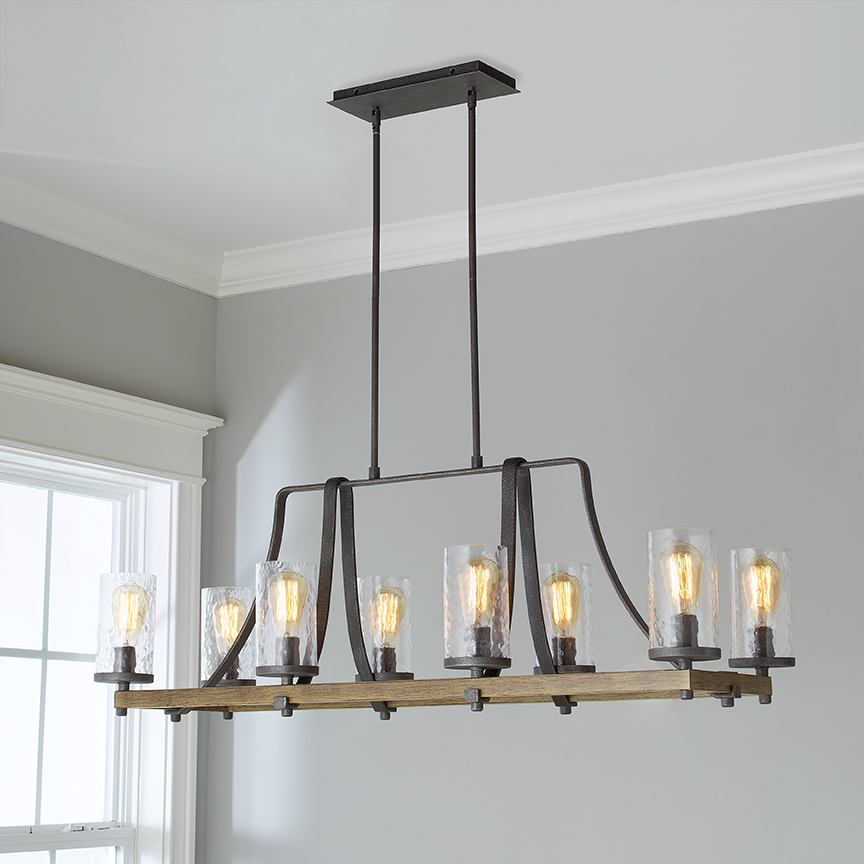
Photo courtesy of Shades of Light.
Farmhouse Industrial Modern Windmill Style Bookshelf by Woodwaves
$425
This unconventional bookshelf offers ample storage space for a living room or office, and the iron windmill atop the unique structure makes it shine as a statement piece. Serving as both a quirky accent item and a functional piece of furniture, this bookshelf is the perfect eye-catching addition to any farmhouse.
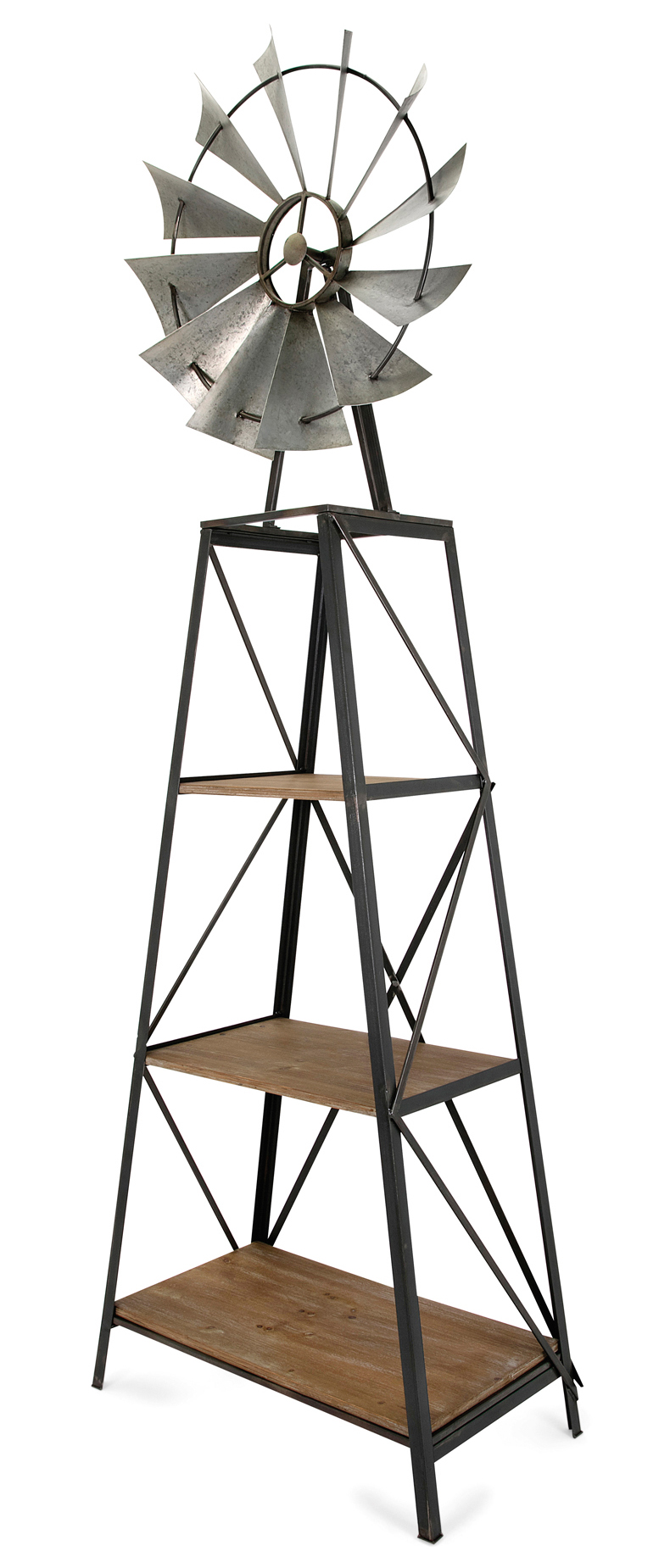
Photo courtesy of Woodwaves.
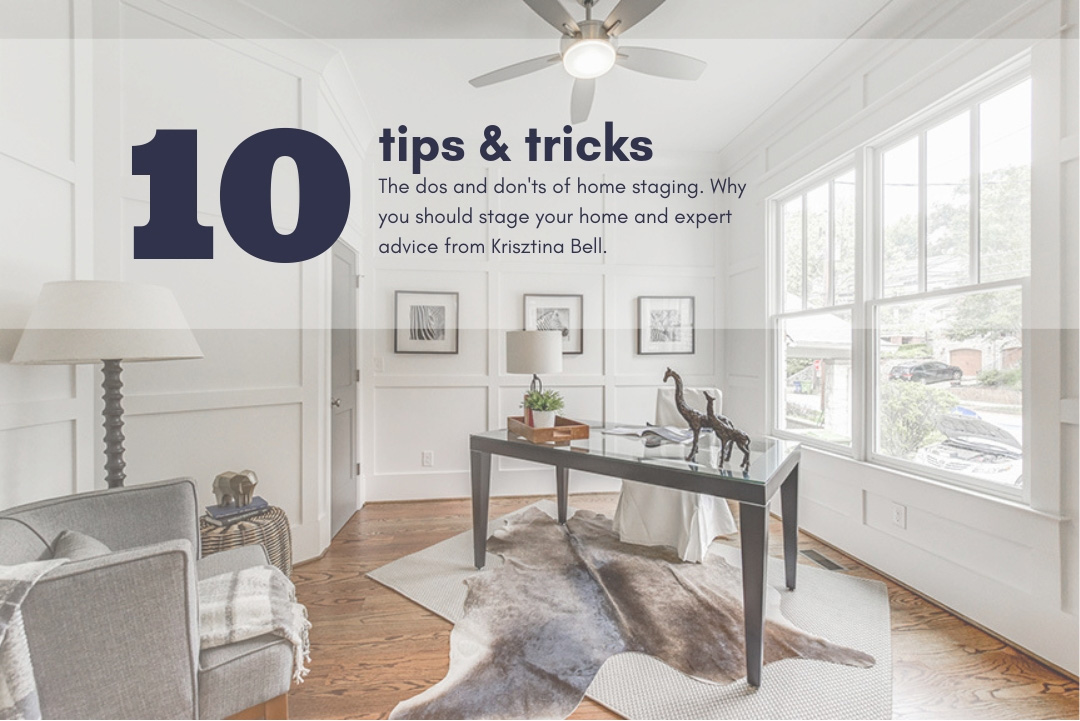
Staging your home could open the door for buyers and sellers in more ways than one. Home staging could mean decorating, furnishing and even painting an empty home that is on the market. Staging a home has been referred to as an art form and is usually used as a way to help sellers and buyers understand the possibilities that a home offers.
It is difficult for a buyer to imagine raising a family or spending a cozy holiday in a vacant space. Therefore, home staging allows buyers to imagine what their home could be. Additionally, if a room is staged well that can help a seller pitch the idea of the space as a home. The impersonal feel of an empty house can be quelled by the right coat of paint, properly arranged furniture, and other final touches, such as decor.
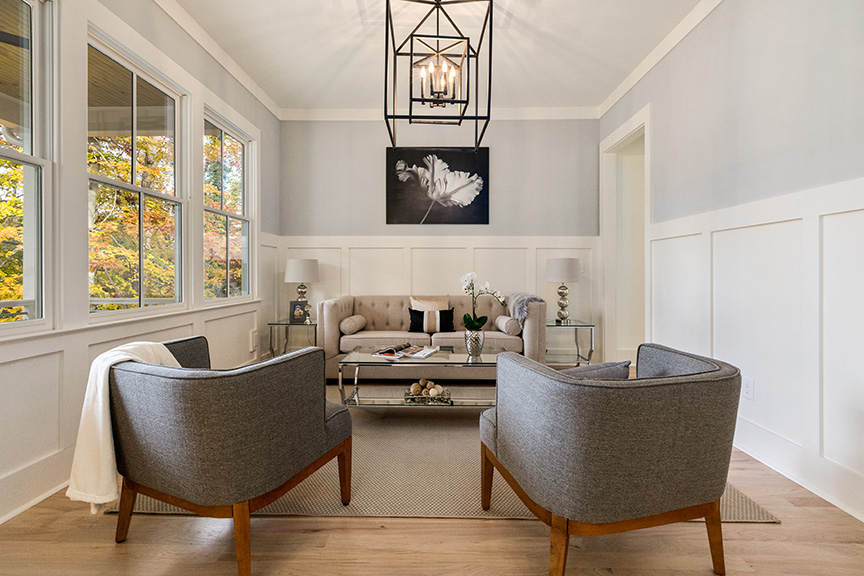
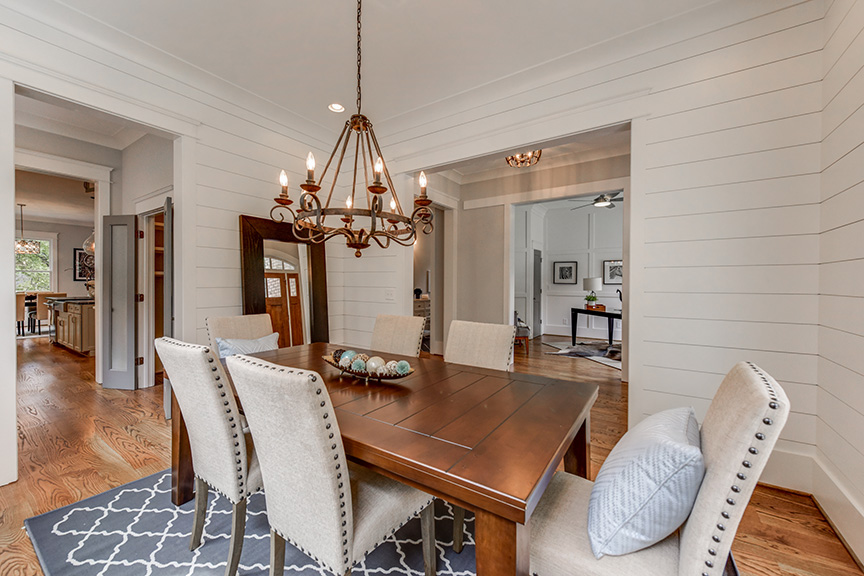
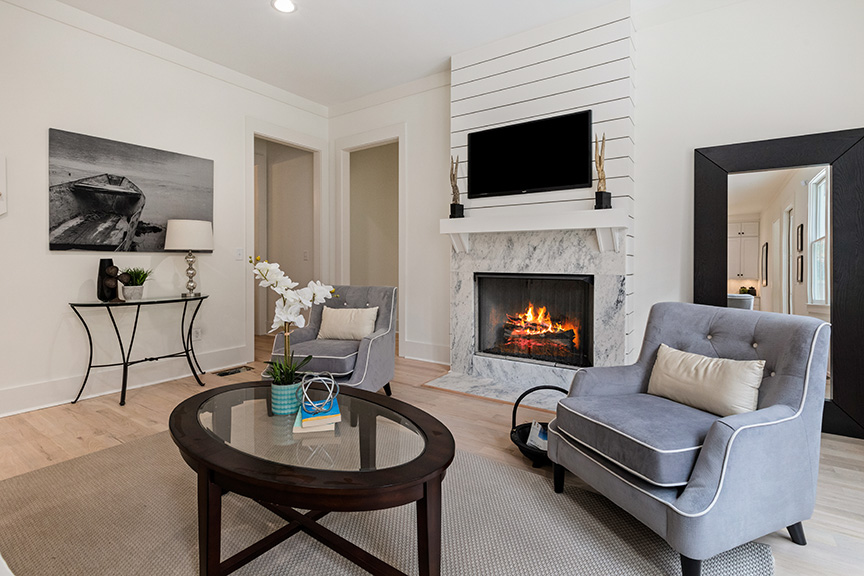
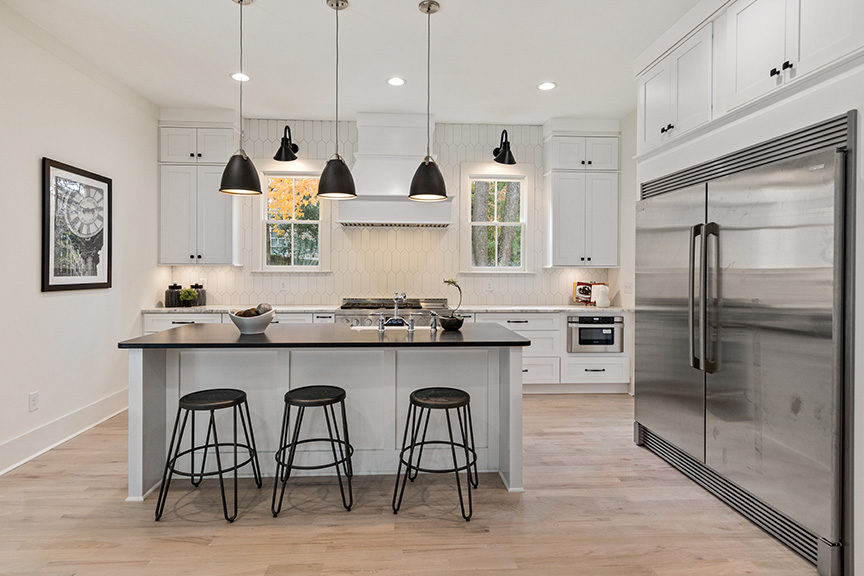
1. Organize and avoid clutter. This will make it easier for a potential buyer to see themselves living in the home.
2. Think fresh and light. Keep blinds and curtains open to let in as much natural light as possible. Also, if any of the rooms in the home are painted a deep exotic or bright neon color then it is best to neutralize each room by having walls painted a nice warm color.
3. Update and repair. Take note of any noticeable or large fixes that need to be made and take care of them early.
4. Don’t forget the exterior. The first impression a potential home buyer will have of a house will be of the exterior, so nice curb appeal is important.
5. The price is worth it. The average cost of a complete staging project is usually much less than your first price reduction. Statistically, homes that have been properly prepared for the market sell before a price reduction is needed.
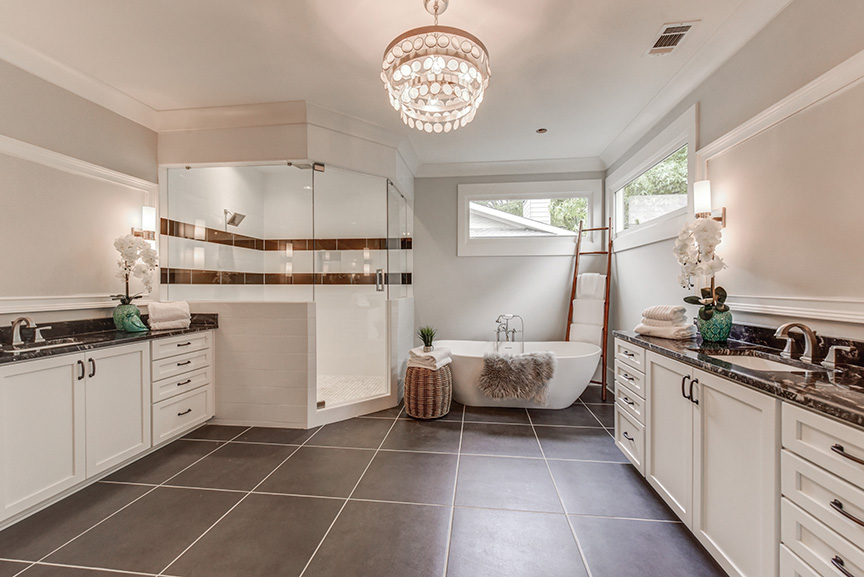
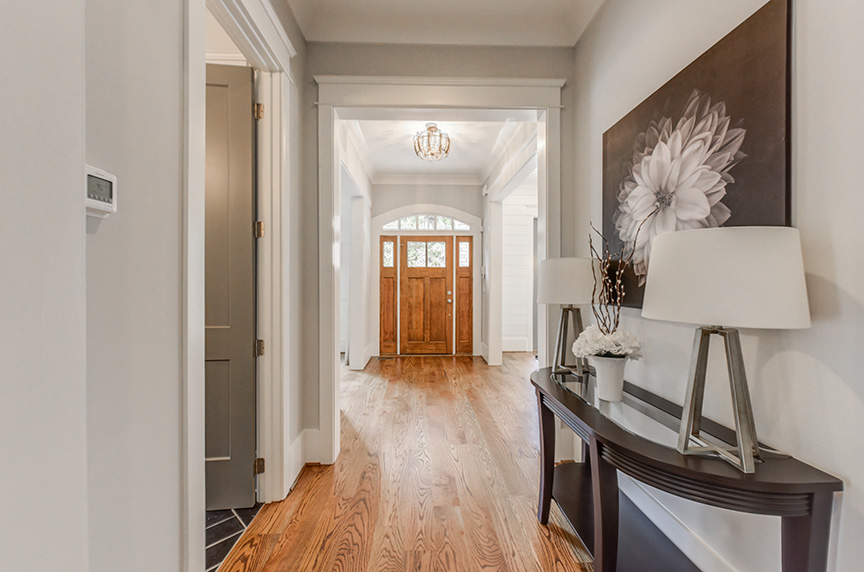
6. Decorating and staging are almost complete opposites. Decorating involves putting the existing homeowners’ tastes and styles into the house, making it personal. Staging involves taking one’s personality out of the house, so the decor is neutral and appealing to the broadest range of potential home buyers.
7. It is best to have your house staged first and then have it listed. Think of the importance of first impressions. The greatest buzz about a house is generated when it is first listed.
8. Although new to the television circuit, home staging has actually been around since the 1970s. In some areas of the country, home staging is as common as open houses. The central states are starting to recognize the value of a staged home, not because it is trendy, but because it works!
9. Do emphasize the upscale and custom features of a home with staging, but DON’T overdo it. Keep it clean lines and simple.
10. Don’t place furnishings or decor that block light or views. Do stage the home with tasteful furnishings and make it easy for prospective buyers to walk straight to amazing ocean, mountain, or island views.
Photos courtesy of Krisztina Bell, No Vacancy Home Staging
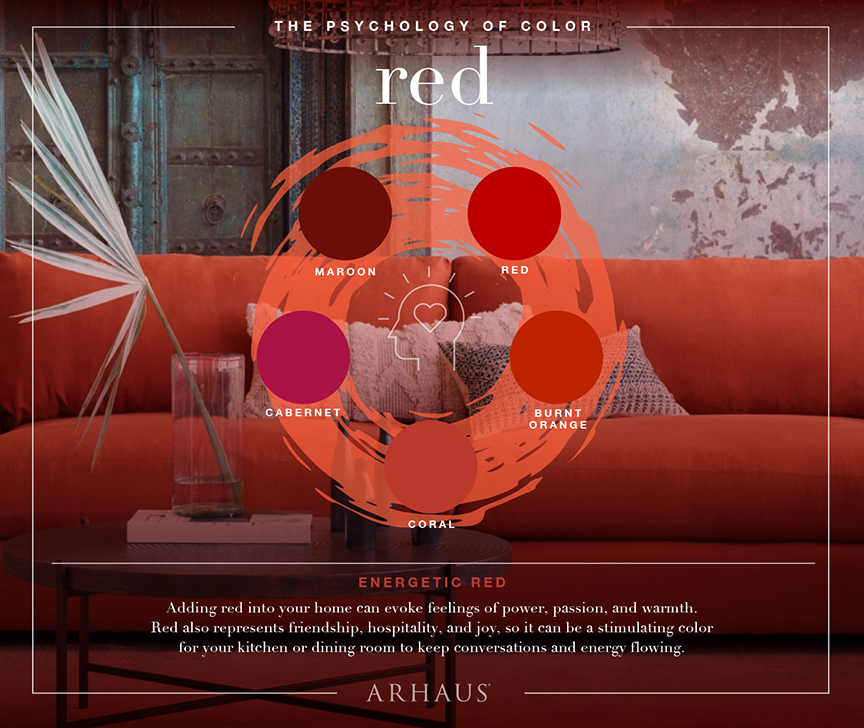
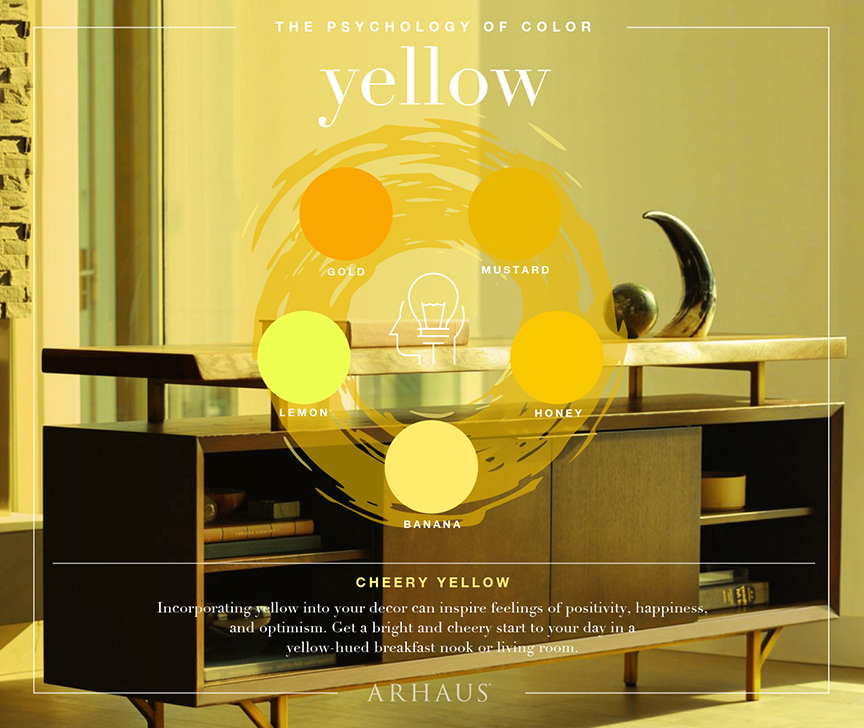
Whether you’re purchasing a new home or revamping your existing space, there are many different facets of decor theory to consider. One of the most important decisions to make is which colors you will utilize, a decision that will set the mood for your home. The savviest of designers and homeowners will consider the science of color, and further the psychology behind the way our brains interpret different hues and shades. When selecting a color scheme, it’s wise to understand the way these colors will make us feel. Whether working with shades of passionate red or warm tones of yellow, experts at Arhaus, an interior furnishing company, offer great tips on how to execute knowledge based on color psychology in interior design.
Start With Walls
Rooms with the absence of color, especially stark, white spaces with oppressive lighting, can make us feel uncomfortable. We have definitive reactions to color, especially on a subconscious level, so it is important to factor this in when deciding the layout and color scheme of room. Starting with the walls, try and think about the room’s intended purpose, and decide on paint color from there. Is this going to be a living room where the family relaxes as the long day is winding down? Or perhaps it’s a bedroom with a luxurious view of rolling hills or a coastline?
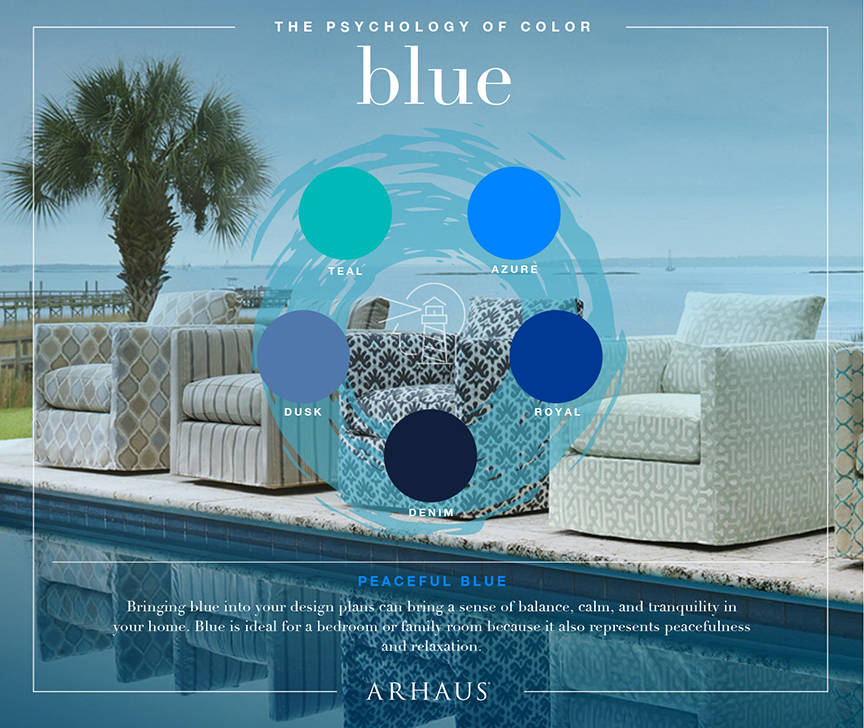
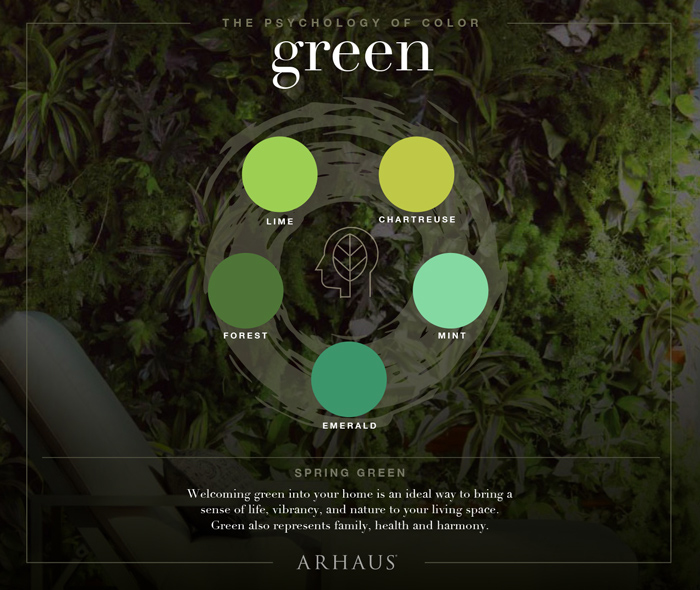
Due to the way that our brains process color, you will want to select a color that will promote a certain mood. Blues and greens can offer a feeling of relaxation, especially in rich, warmer shades. Blue is especially desirable in the bedroom as it can promote calmness and aid in sleep. Green traditionally is perceived as familial, which can be a great choice for a living room. Adding supplementary furniture, such as a patterned sofa or loveseat, can add to the mood of the room and help it become the ultimate room to spend time with the family.
Stock the Room
Surely, a chic and luxurious home will need furnishings; we can’t just live in an empty house! It is important to “stay within the lines” regarding furniture and decorative pieces. If you’re going for a rustic, mountain vibe, an abstract, post-modernist painting surely won’t pull the room together.
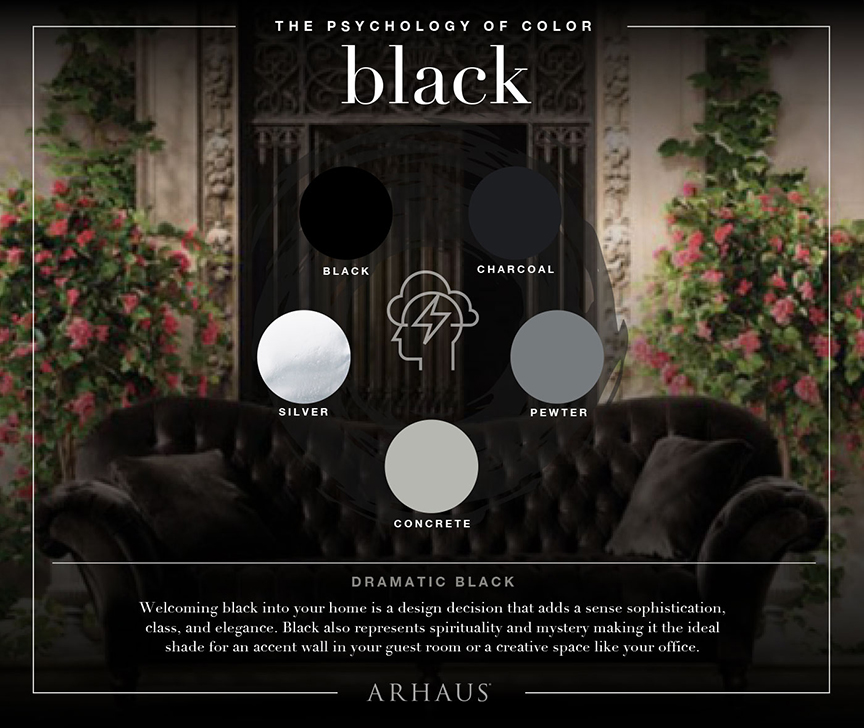
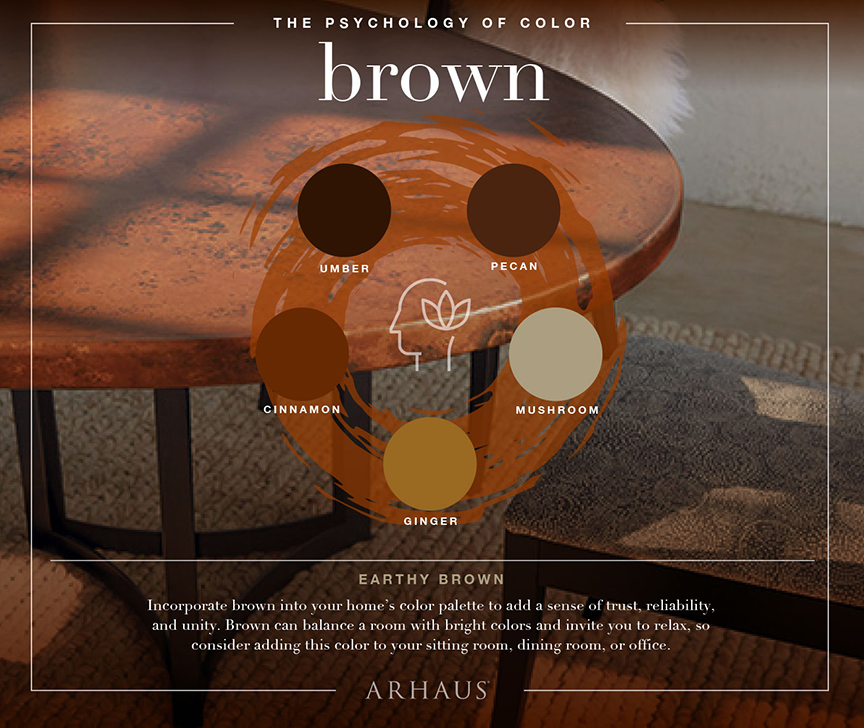
We can generally rely on our intuition when it comes to design, and when all else fails, go with pieces that you like! With that said, we must consider each item within the context of color scheme. Neutral colors, like browns, blacks, and grays, can be used to balance a room. Consider a brown or black exterior surface (especially fine cabinet wood), which can help to offset the color profile and bring the room a more subtle, cohesive look. A black bookshelf with matching end tables beside a deep burgundy wall can exude feelings of passion, warmth, and creativity – perfect for a den or a studio.
Finishing Touches
Once you’ve got the room essentially put together, with your color scheme well-solidified, it’s time to add the final touches and make it truly your own space. An excellent way to add a personalized element to your home is through old family heirlooms. Now, we’re not talking your grandmother’s prized Waterford crystal china, but an old quilt she made years ago can add a cool, retro feel to a room – while simultaneously honoring your family and heritage.
The same sentiment rings true for artwork, such as paintings or sculptures. A fine piece of art can add an element of sophistication and elegance to any room, but try to avoid heavy contrast between your room’s color scheme and the paintings! Once you’ve personalized your space and implemented colors you love, you will be ready to enjoy it for years to come.
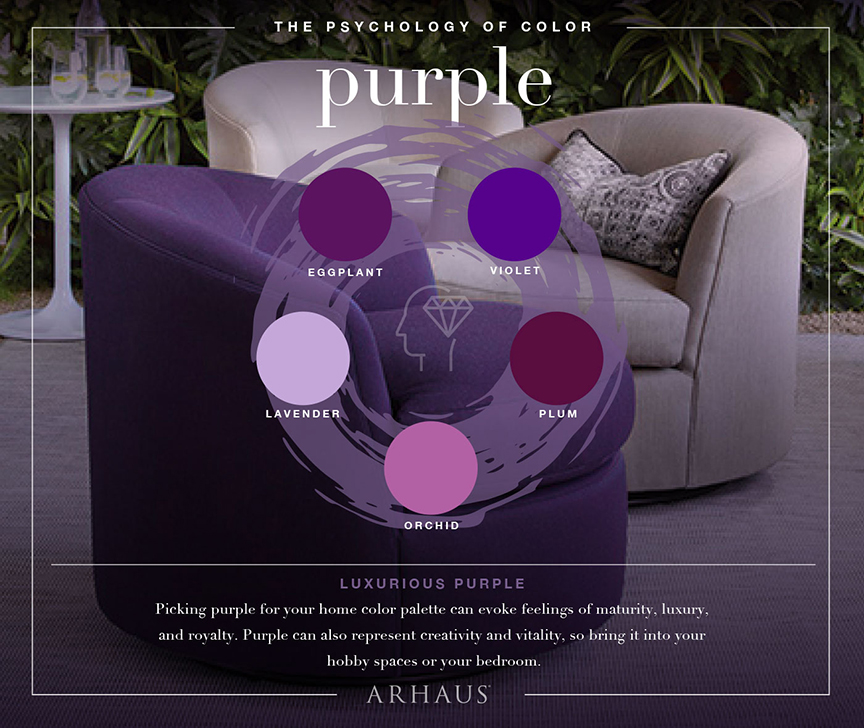
Imagery courtesy Arhaus.
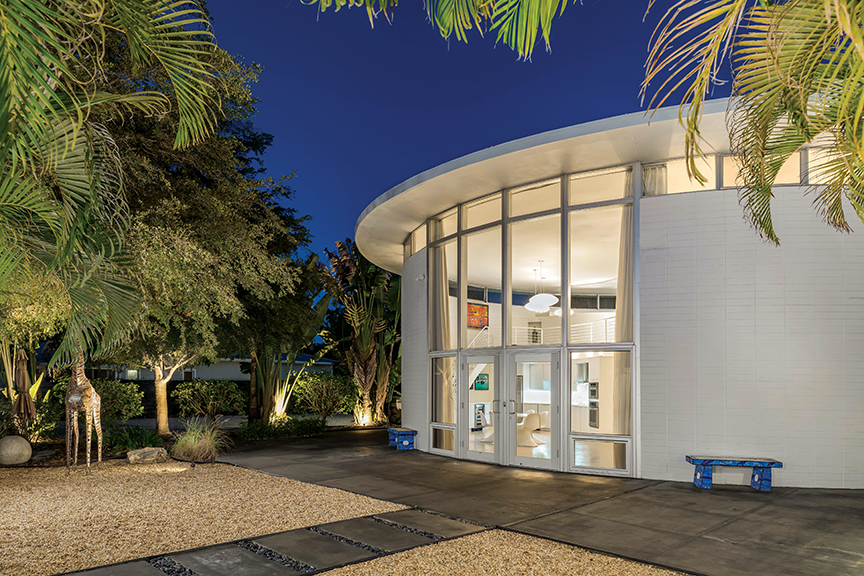
Photo by Rich Montalbano
Mid-Century Modern design came onto the scene before color television. But rather than appearing antiquated today, it inspires contemporary designers and homebuyers.
The popularity of Mid-Century Modern design continues to accelerate, confirmation that the masters who introduced the look in the ’40s and ’50s were visionary innovators. Decades later, the work of those architects, interior designers and furniture makers still appears fresh, and current expressions of modernism invariably build on the mid-century movement.
Sam Lubell, a leading authority on Mid-Century Modern design, whose books include Mid-Century Modern Travel Guide: West Coast USA and California Captured, believes the genre’s enduring appeal can be attributed to simple, elegant aesthetics, the success in reducing architecture to its most basic elements, and nostalgia. “Mid-Century Modern is a blend of technology, simplicity and a style that’s very ‘cool,’ for lack of a better word, enhancing people’s appreciation of it,” says Lubell. The writer suggests that vintage photographs from the era reveal how truly revolutionary Mid-Century Modern architects were. “Cars in the photos appear to have nothing to do with the houses. It’s hard to describe just how radical and ahead of their time they were,” he observes.
In the U.S., passions for Mid-Century Modern residential design burned first and most intensely in and around Los Angeles, responding to trends already underway in Europe, but not so elegantly applied to single-family residences. In a city where challenging established convention was not discouraged, disciples of Frank Lloyd Wright — pioneering architects Rudolph Schindler, Richard Neutra and John Lautner — transformed residential aesthetics and attitudes.
The genesis of Mid-Century Modernism may have occurred in the City of Angels, but today’s epicenter of the style is Palm Springs, the desert resort city 100 miles east of L.A. Practically the entire municipality is a living museum of mid-century design, and that signature aesthetic has become as much a tourist attraction as Palm Springs’ legendary golf, tennis and shopping.
Every February, the community celebrates its architectural legacy with Modernism Week, where architects, designers and collectors from around the world draw inspiration from home tours, seminars, film screenings, and receptions in famous settings that include not just residences, but Mid-Century Modern hotels and restaurants.
Lisa Vossler Smith, who served as a volunteer for Modernism Week when it debuted in 2006 and was named executive director five years ago, reports the 2018 edition drew 126,000 people from 15 countries, more than double the attendance in 2015. She has observed an ever-increasing commitment by local residents to embrace their city’s architectural heritage and believes Modernism Week has profoundly influenced preservation efforts in Palm Springs and beyond. “Our goal is to educate visitors, so they can take back what they’ve learned to their own communities,” says Vossler Smith, who actively supports similar events across the country.
Vossler Smith insists the fascination with Mid-Century Modern design is multigenerational, while conceding popular shows like Mad Men have contributed to the genre’s hip factor. “Clearly, there’s a sense of nostalgia for the baby boomer generation, but we find younger homebuyers are also attracted by the more simplistic, minimalistic lifestyle offered by these homes,” she says. “We’re now starting to explore new building projects informed by the mid-century design period,” says Modernism Week’s executive director, noting the influence of trailblazers such as Neutra and Schindler is evident in contemporary modern architecture.
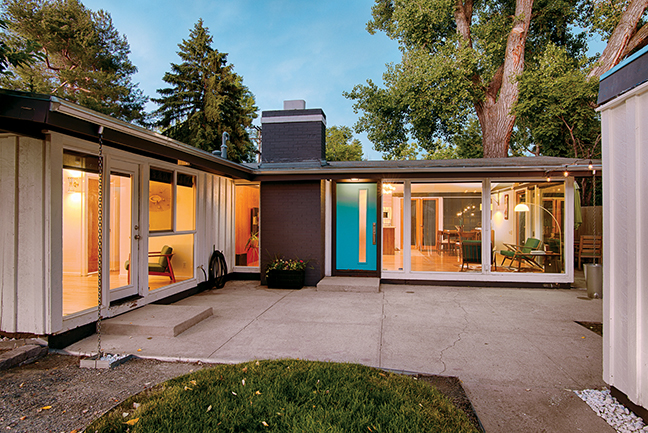
While Vossler Smith admits Mid-Century Modernism is ideally suited to Southern California, she reports outstanding examples from the era are plentiful in places like Denver, Phoenix and Chicago. In Denver, real estate broker Adrian Kinney is a local expert on Mid-Century Modern homes, and his personal renovation of a Cliff May-designed residence reinforced his enthusiasm for quality design from that period. Finding some modernism too austere, Kinney was delighted to discover the warmth that many mid-century architects, like May, brought to their craft. “The more I learned, the more I wanted to educate everyone about what this modernism thing was all about!,” says the real estate professional.
“Buyers of Mid-Century Modern properties range from boomers to millennials, all wanting something different, functional and livable, with a sense of character,” says Kinney, who co-founded Denver’s own Modernism Show to draw attention to the Mile High City’s architectural assets. “After attending Palm Springs’ Modernism Week many times, I knew Denver needed to have one,” he says. Identifying more than 6,000 Mid-Century Modern homes in metro Denver, Kinney declares, “I want to showcase these to the world.”
Best known for its sugar-white beaches, the Gulf Coast city of Sarasota, Florida, shares a rich Mid-Century Modern heritage. Local broker Martie Lieberman of Premier Sotheby’s International Realty is recognized by both the real estate and architectural communities as an authority on the “Sarasota School of Architecture.”
Lieberman, who co-founded the Sarasota Architectural Foundation, is passionate about Mid-Century Modern homes and has made the sale of those properties her specialty. Observing that many houses from the Sarasota School elicit a sense of delight at first glance, she suggests the interiors are equally impactful. “You’ll see some of the most sophisticated uses of space and light, which most people have never experienced,” she insists.
Architects like Paul Rudolph and Victor Lundy created low-slung, glass-ensconced homes that were a dramatic departure from the prevailing Mediterranean style, explains Lieberman, noting they attracted idealistic young designers to Sarasota in the ’50s and ’60s. “They thought they would change the world with their new ideas, new materials and a new architecture,” she says. According to the niche broker, newcomers to Sarasota are quickly won over by the community’s architectural legacy, and Lieberman reports that significant Mid-Century Modern homes can command premiums of 15 to 35 percent.
A prefabricated home designed by legendary Mid-Century architect Cliff May, erected in 1955 in Denver.
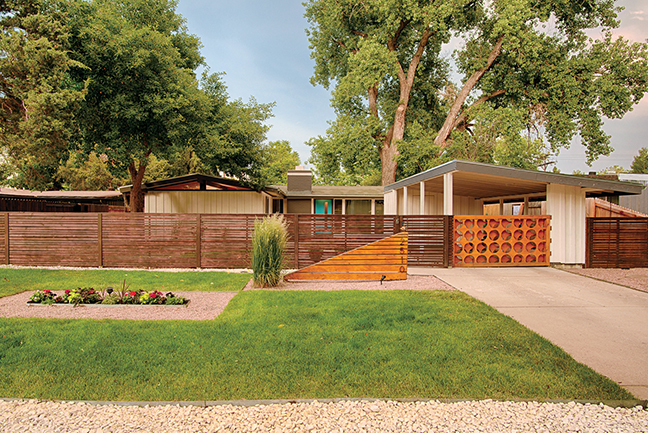
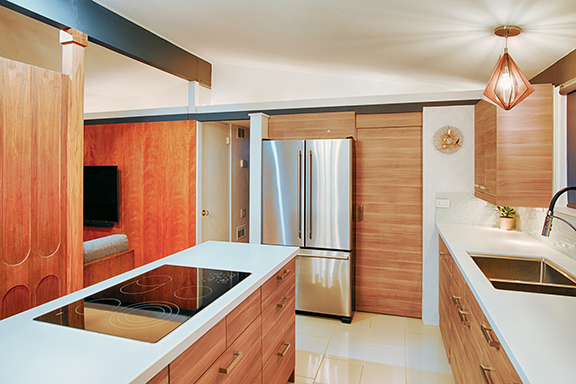
Real estate broker Adrian Kinney restored this 1955 Cliff May property in Denver, fueling his passion for mid-century design.
Photos by Atom Stevens