


By Lisa Levi
The winter holidays are a season of celebration, centered around family, friends and the joy of giving. For many affluent travelers, that spirit of generosity is expanding to include travel plans that double as a chance to give back — without sacrificing any creature comforts. Inspired to share their own good fortune (and often, to give their children perspective on that privilege), ultra-wealthy globetrotters are increasingly seeking experiences that combine exploration with purpose: journeys that not only enrich their own lives but also leave a lasting positive impact on local communities.
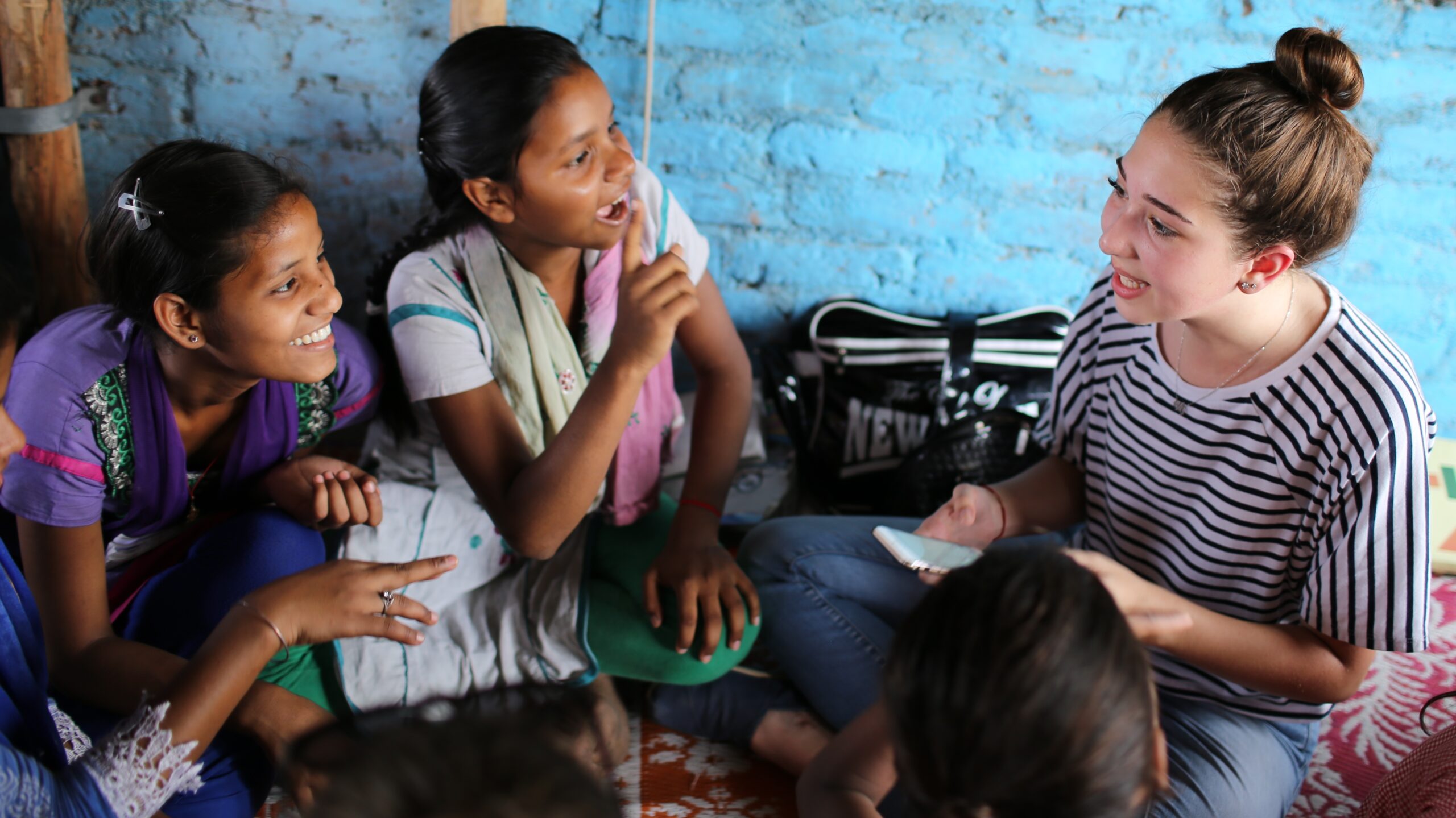

Enter luxury voluntarism, also known as social impact travel: a growing trend where five-star getaways meet meaningful engagement. In the Pyrenees, for example, travelers can monitor biodiversity by day and retreat to a sleek spa hotel by night. In Zambia, they can help build homes while based at an exclusive eco-lodge. In Crete, they can protect endangered sea turtles while staying in a restored 16th-century estate. Each experience is curated, authentic and deeply personal, aligning travel with purpose and comfort with conscience.
Where personal enrichment meets global impact
A trailblazer in this arena is Hands Up Holidays, founded by Christopher Hill, a winner of the Travel + Leisure Global Vision Awards. As a young finance professional, Hill took a trip to South Africa, where he helped build a home for a local family. The trip was
so transformative that it inspired Hill to start a business creating similar experiences for others. Now, every Hands Up Holidays trip is tailor-made, designed to meet client specifications — from solo travelers to parents with young children. Destinations span the globe, offering a range of luxury accommodations and volunteer projects for every interest and skill set.
It’s an approach that reflects a growing ethos among high-end travelers: a desire to pair personal enrichment with global impact. Because time is precious, voluntourism trips allow travelers to make a tangible contribution within a short time frame. Beyond traditional building projects, there are opportunities in animal and environmental conservation, education, and community development — each a distinct way to make a difference to a family, a village, or the planet. Hill believes this desire for meaning is behind a shift he’s observed in travel bookings. “One trend we see is growth in intergenerational travel, which can be grandkids, parents and grandparents, or sometimes grandkids with grandparents (without the parents),” he says, adding that the trips instill “empathy, compassion and generosity in the children, and enable the grandparents to leave a legacy.”
Projects usually last anywhere from a few days to a week, but most of that time is not typically spent on the volunteer work itself — which, while rewarding, is only one aspect of what makes these trips so meaningful. Equally important are the opportunities to sightsee, engage with the local culture, and bond with your travel companions over the shared experience of a completely different way of life. Luxury accommodations serve as home base and sanctuary — elegant spaces to relax and recharge before each day’s new adventure.
How to engage meaningfully
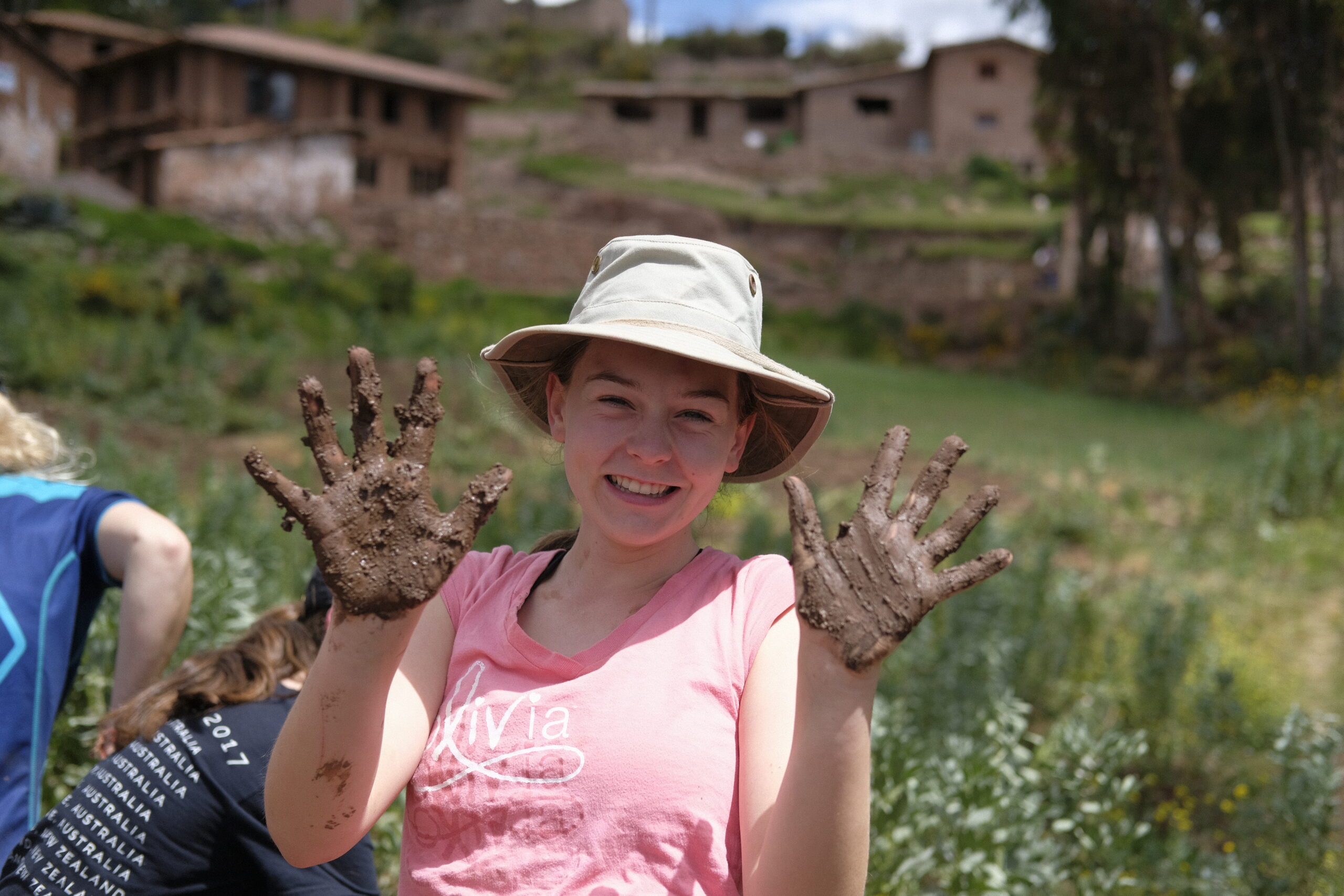
As you plan a volunteer trip, it’s essential to be mindful of your impact on the community you are going to help. That means packing a dose of humility, and recognizing that unless you are a construction or conservation expert, the technical work should be done by local professionals. Your role is to learn,
assist and provide finishing touches, content in the knowledge that your vacation costs are helping support the local specialists leading your project. Choosing a trip provider that collaborates closely with the host community also ensures their needs take priority. Reputable operators will address these issues candidly from the outset.
Many popular vacation areas also suffer environmental impacts from overtourism. You can minimize your footprint by traveling outside peak season and choosing less crowded destinations. Ideally, your provider will also partner with accommodations that center sustainability — without compromising refinement. For example, Hill says that Hands Up Holidays “lead[s] with sustainable, eco-luxury properties” such as Nayara Tented Camp in Costa Rica, It’zana Resort in Belize, and Banyan Tree Mayakoba in Mexico. Another standout operator, Elevate Destinations, similarly pairs travelers with eco-luxury properties such as El Karama Eco Lodge in Kenya and the Wasai Puerto Maldonado Hotel in Peru. Through practices like generating their own electricity, using local materials, conserving water, and reducing waste, these resorts curb their environmental impact without affecting the luxurious guest experience.
For many travelers, the allure of luxury voluntourism lies in its balance: the ability to immerse oneself in extraordinary comfort while engaging in meaningful work that uplifts others. It transforms the concept of luxury from mere indulgence into something richer — a reflection of empathy, responsibility, and global awareness. In the end, the new definition of luxury isn’t just about where you stay, it’s about how your journey shapes the world you leave behind.